Westminster Abbey is one of London’s most important historic landmarks and a working church at the heart of British national life. For more than 1,000 years, it has been connected with kings, queens, writers, scientists, soldiers, worshippers, and major state occasions. Since 1066, it has served as the coronation church, while its chapels, tombs, memorials, and Gothic architecture make it one of the most rewarding historic sites to visit in central London.
Quick Answer
Westminster Abbey is worth visiting for its royal history, coronation sites, Poets’ Corner, Lady Chapel, royal tombs, and famous memorials. Allow about 1.5–2 hours for the main highlights, book admission ahead during busy periods, and check the official calendar because opening times can change for services and special events.
Key Takeaways
- Westminster Abbey has been England and Britain’s coronation church since William the Conqueror was crowned there in 1066.
- Current September 2026 general admission is £31 for adults, £28 for students and visitors aged 65+, £14 for ages 6–17, and free for ages 0–5.
- Most visitors should allow about 1.5–2 hours, or 2–3 hours if adding the Queen’s Diamond Jubilee Galleries and a more detailed self-guided visit.
- Westminster Underground Station serves the Circle, District, and Jubilee lines and is the nearest step-free Tube station.
- Personal photography is permitted in most areas, but not during services or in several restricted spaces; flash, video, selfie sticks, and tripods are prohibited.
Westminster Abbey forms part of the Palace of Westminster and Westminster Abbey including Saint Margaret’s Church UNESCO World Heritage Site. It is also the resting place or memorial site of many major figures in British history, including Sir Isaac Newton, Charles Darwin, Geoffrey Chaucer, Charles Dickens, and numerous monarchs.
The result is more than an architectural attraction. Westminster Abbey remains a place of daily worship, remembrance, royal ceremony, and national celebration, so a visit combines history with a living religious tradition.
History and significance of Westminster Abbey
The documented history of Westminster Abbey reaches back more than 1,000 years. According to the Abbey’s official history, a small Benedictine monastery was established at Westminster around 960 AD under the patronage of King Edgar and St Dunstan.
In the 1040s, King Edward the Confessor established a royal palace nearby and greatly enlarged the monastery’s church. The new church, dedicated to St Peter the Apostle, was consecrated in December 1065. William the Conqueror was crowned there on Christmas Day 1066, beginning the Abbey’s long role as the nation’s coronation church.
King Henry III began rebuilding much of the church in the Gothic style in 1245. Work continued in later centuries, which is why the building visitors see today reflects several periods of English Gothic architecture rather than a single construction phase.
Westminster Abbey has hosted 39 coronation ceremonies for reigning monarchs, making it one of the most important ceremonial churches in British history.
The Abbey is equally important as a burial and memorial site. Poets’ Corner began developing around the tomb of Geoffrey Chaucer and today contains the graves or memorials of more than 100 poets and writers. William Shakespeare is commemorated there rather than buried there, while Charles Dickens is among the writers actually interred in the Abbey.
Scientists are also strongly represented. Sir Isaac Newton and Charles Darwin are buried in the nave, and Stephen Hawking’s ashes were interred nearby in 2018. These memorials help make Westminster Abbey a record not only of monarchy and religion but also of British literature, science, politics, music, and public life.
Planning your visit to Westminster Abbey
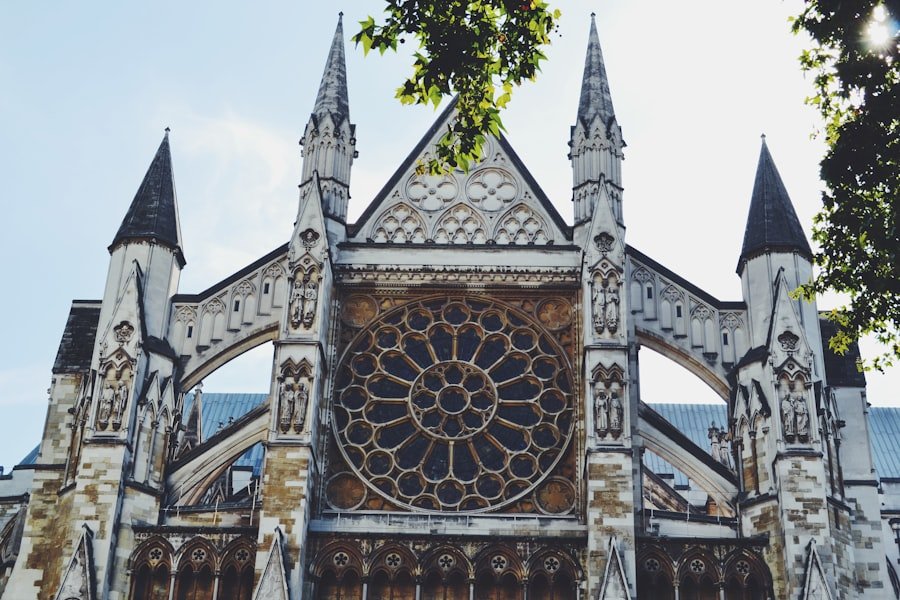
Westminster Abbey is a working church, so visitor access can change for worship, special services, state occasions, and other events. Always check the Abbey’s official prices and entry-times calendar shortly before your visit.
On September 9, 2026, for example, the published general-admission entry window is 9:30 a.m.–3:30 p.m. Sundays are normally reserved for worship rather than tourist sightseeing.
Most visitors spend about 1.5–2 hours seeing the principal highlights. Allow 2–3 hours if you want to use the full multimedia guide, visit the Cloisters at a relaxed pace, and add the Queen’s Diamond Jubilee Galleries. Visitors who enjoy reading memorials and architectural details may want even longer.
Pro Tip: Weekday mornings are generally the calmest time to visit. Online ticket holders also have a designated entry process, which can be especially useful during busy periods.
Tickets are single entry, so once you leave the Abbey you normally cannot use the same admission ticket to re-enter. Plan your café, shop, Cloisters, and Galleries stops accordingly.
Note: Construction work on the King Charles III Sacristy is underway during 2026. The Abbey has advised that occasional construction noise may be noticeable during some visits or tours.
Getting to Westminster Abbey
Westminster Abbey is in central London at Dean’s Yard, London SW1P 3PA, next to Parliament Square.
The easiest public-transport option for many visitors is Westminster Underground Station. According to Transport for London, the station is served by the Circle, District, and Jubilee lines. It is also the nearest step-free Underground station to the Abbey.
St James’s Park Underground Station is another convenient option and is served by the Circle and District lines.
Several London bus routes stop around Westminster Abbey and Parliament Square. Current nearby services include routes such as 11, 24, 26, 88, and 148, depending on the stop and direction. Routes can change, so use TfL’s live journey planner on the day rather than relying on an old printed route list.
Cycling is also possible, with Santander Cycles docking stations and cycle routes around Westminster. Central London traffic is busy, however, so first-time visitors may find the Underground or walking easier.
Ticket options and prices
Westminster Abbey requires a sightseeing ticket during general visitor hours. Tickets can be purchased through the Abbey’s official website or, subject to availability, on arrival.
For the period from September 2–30, 2026, the Abbey lists the following general-admission prices:
| Adult | £31 |
| Student or age 65+ | £28 |
| Child age 6–17 | £14 |
| Child age 0–5 | Free |
| Family: 1 adult + 1 child | £31 |
Registered disabled visitors and an essential companion are eligible for free admission under the Abbey’s current access policy. Other reduced-price schemes may also be available, so check the live ticket page before booking.
The Queen’s Diamond Jubilee Galleries require a separate timed ticket in addition to general Abbey admission. Current admission is £5 for adults and free for children aged 17 and under. The Galleries are located high in the medieval triforium and display treasures connected with more than 1,000 years of Abbey history.
Note: Prices and entry hours can change. Treat the figures above as the verified September 2026 rates and confirm the current amount on the Abbey website before purchasing.
Guided tours of Westminster Abbey
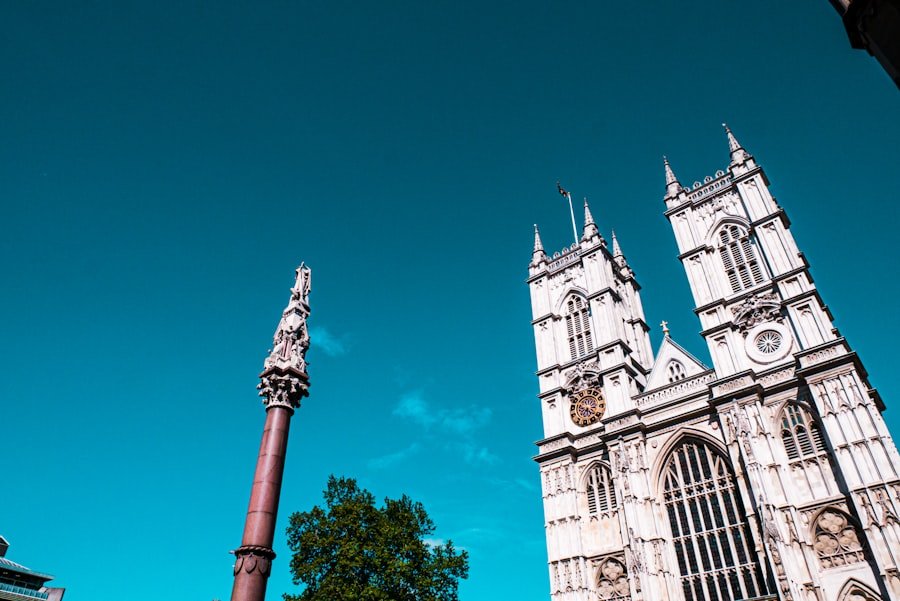
Visitors who want more historical context can join a verger-guided tour. These tours are led by Abbey vergers who know the building, ceremonies, memorials, and daily life of the church in detail.
Verger tours run Monday to Saturday, last about 90 minutes, and are limited to 20 people. The current cost is the general Abbey admission price plus £10.
Unlike ordinary admission, a verger tour cannot currently be booked online in advance. Visitors purchase the tour after arriving at the Abbey, subject to availability. The Abbey recommends choosing an admission time roughly 30 minutes before the expected tour time.
A major advantage of the verger tour is access to the Shrine of St Edward the Confessor, an area that is not normally open to general sightseeing visitors. Tours also cover Poets’ Corner, royal tombs, the Lady Chapel, and the nave.
Audio guides and self-guided tours
Visitors who prefer to explore independently can use the Abbey’s multimedia guide. It is available in 14 languages, and a British Sign Language version is also offered.
A self-guided visit works well if you want to spend extra time at particular graves, memorials, architectural details, or chapels. You can pause instead of moving at a group’s pace and decide how much time to give each part of the church.
For a first visit, allow at least 90 minutes. If you plan to follow the multimedia guide closely, explore the Cloisters, and visit the Queen’s Diamond Jubilee Galleries, two to three hours is more comfortable.
Must-see attractions within Westminster Abbey
There is far more inside Westminster Abbey than a visitor can absorb at a glance. These are the highlights most first-time visitors should prioritize:
The Coronation Chair
The Coronation Chair was made for King Edward I around 1300–1301 to house the Stone of Scone. It has played a central role in coronation ceremonies for more than 700 years and remains one of the Abbey’s most famous objects.
Poets’ Corner
More than 100 poets and writers are buried or commemorated here. Geoffrey Chaucer, Charles Dickens, Rudyard Kipling, and Thomas Hardy are among those buried in the area, while writers including William Shakespeare and Jane Austen have memorials.
Henry VII’s Lady Chapel
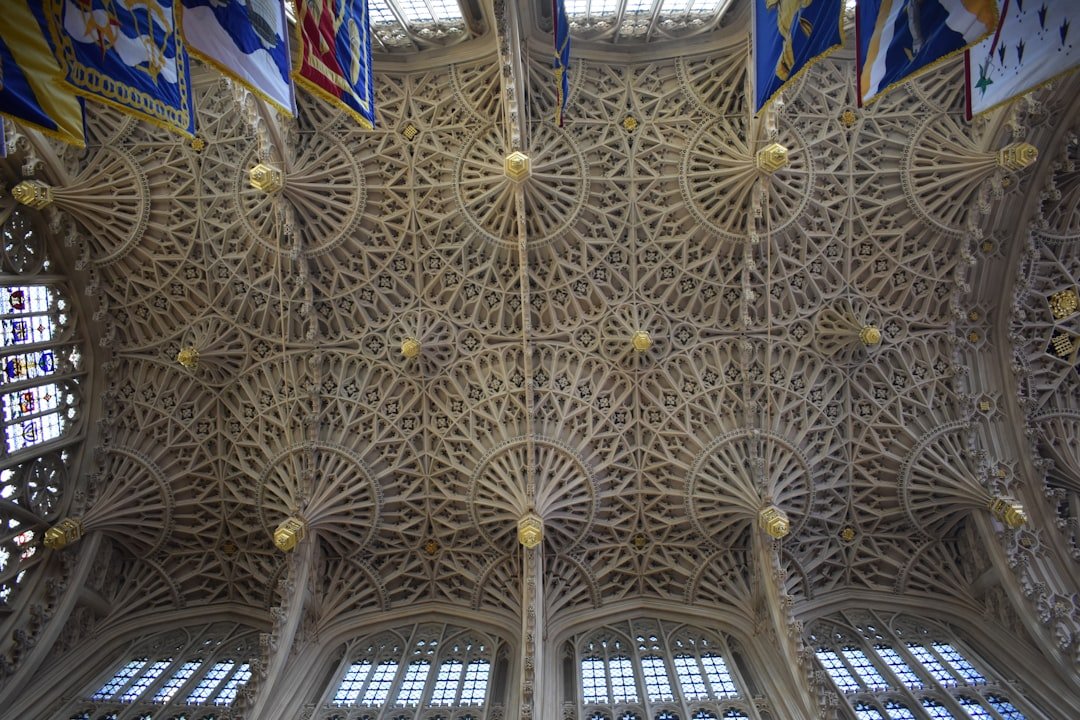
The Lady Chapel is one of the finest examples of late medieval English architecture. Its elaborate fan-vaulted ceiling, royal tombs, carved stonework, and stained glass make it one of the Abbey’s most visually impressive spaces.
The Shrine of St Edward the Confessor
The shrine lies at the spiritual heart of the Abbey. General visitor access is restricted, although it can be seen more closely during certain prayers and verger-guided tours.
Scientists’ Corner
The Abbey contains graves and memorials connected with some of Britain’s most important scientists. Sir Isaac Newton and Charles Darwin are buried here, while Stephen Hawking’s ashes were interred nearby.
The Grave of the Unknown Warrior
The Unknown Warrior was buried in the nave in 1920 as a national memorial to those who died in the First World War and had no known grave. It remains one of the Abbey’s most significant sites of remembrance.
The Cosmati Pavement
This richly decorated 13th-century pavement lies before the High Altar and has played an important role in coronation ceremonies, including the coronation of King Charles III in 2023.
The Queen’s Diamond Jubilee Galleries
The Galleries occupy the Abbey’s 13th-century triforium high above the main church. A separate timed ticket is required, but the exhibits and elevated view into the Abbey make the extra visit worthwhile for history-focused visitors.
Etiquette and tips for visiting Westminster Abbey
Westminster Abbey is not only a tourist attraction; it is an active Christian church with worship taking place every day. Speak quietly, follow staff directions, and avoid disrupting anyone attending a service or praying.
There is no strict tourist dress code, but visitors are asked to dress respectfully and appropriately for a working church. Comfortable flat footwear is useful because some historic floors are uneven and a visit involves considerable walking and standing.
Personal photography is permitted in most parts of the Abbey under the current official photography policy. However:
- Photography is not permitted during services, concerts, rehearsals, or live performances.
- Flash photography is prohibited.
- Video recording is prohibited.
- Tripods, monopods, selfie sticks, and additional lighting are prohibited.
- Photography is not permitted in the Shrine of St Edward the Confessor, St Faith’s Chapel, or the Queen’s Diamond Jubilee Galleries.
Security, bags, food, and practical visitor rules
All visitors should expect security procedures when entering Westminster Abbey.
Warning: Do not arrive with a suitcase, large backpack, wheeled bag, or other bulky luggage. Westminster Abbey has no left-luggage facility and these items are not admitted.
Under the current visitor rules, small bags up to approximately 40 × 30 × 20 cm are permitted. Bags may be searched before entry.
Outside food and drink are generally not allowed inside the Abbey, although sealed items and food or drink needed for medical or family reasons are exceptions. Bottled water is permitted. The Cellarium Café is available on visitor days for those who want a meal or refreshment.
Accessibility and facilities at Westminster Abbey
Westminster Abbey provides a range of accessibility services. The official accessibility guide confirms step-free access to the main visitor route and identifies Westminster Station, about 0.1 miles away, as the nearest step-free Underground station.
Permanent seating is available in areas including the nave and south transept, which is useful for anyone who needs regular rest breaks.
The Abbey also offers:
- a hearing-loop system covering the main Abbey building;
- audio-described tours for blind and partially sighted visitors;
- a British Sign Language version of the multimedia guide;
- printed tour transcripts in multiple languages;
- dementia-friendly, BSL, and touch-tour events on selected dates;
- step-free access to the Cloisters.
Accessible toilets and other visitor facilities are available within the complex. Visitors with specific access needs should check the Abbey’s accessibility page before travelling because some special tours enter historic spaces that are reached only by stairs.
Nearby attractions and places to visit after Westminster Abbey
Westminster Abbey sits in one of London’s densest areas for major landmarks, so it is easy to combine the visit with other attractions.
Directly around Parliament Square are the Palace of Westminster and Elizabeth Tower, home of the famous Great Bell commonly called Big Ben. The Abbey, Palace of Westminster, and St Margaret’s Church together form the UNESCO World Heritage property.
St James’s Park provides a quieter walking route toward Buckingham Palace. Near the Palace, The King’s Gallery, formerly known as The Queen’s Gallery, hosts changing exhibitions from the Royal Collection.
Other nearby options include the Churchill War Rooms, Whitehall, Trafalgar Square, the River Thames, Westminster Bridge, and the London Eye across the river.
If you want a slower end to the visit, St James’s Park is one of the easiest nearby places for a walk, rest, or picnic after spending time inside the Abbey.
For information about how this website handles personal information while you use its travel content, you can review the website privacy policy.
Frequently Asked Questions
What is Westminster Abbey?
Westminster Abbey is a historic royal church in central London. It has been the coronation church since 1066 and contains royal tombs, famous memorials, Poets’ Corner, Scientists’ Corner, the Coronation Chair, and many other important historic sites. It also forms part of a UNESCO World Heritage property.
What are the opening hours for Westminster Abbey?
Opening hours vary because Westminster Abbey is a working church. On September 9, 2026, general-admission entry is listed from 9:30 a.m. to 3:30 p.m. Tourist visiting normally runs Monday to Saturday, while Sundays are primarily for worship. Always check the official daily calendar before visiting.
How much does it cost to visit Westminster Abbey?
For September 2–30, 2026, standard admission is £31 for adults, £28 for students and visitors aged 65+, £14 for children aged 6–17, and free for children aged 0–5. A one-adult and one-child family ticket is £31. Prices can change, so check the official ticket page before booking.
Can I take photographs inside Westminster Abbey?
Yes. Personal photography is permitted in most areas, but it is prohibited during services and live performances and inside the Shrine of St Edward the Confessor, St Faith’s Chapel, and the Queen’s Diamond Jubilee Galleries. Flash, video recording, selfie sticks, tripods, monopods, and extra lighting are not allowed.
Are there guided tours available at Westminster Abbey?
Yes. Verger-guided tours normally run Monday to Saturday, last about 90 minutes, and cost £10 in addition to general admission. They are booked after arrival rather than online and include areas such as the Shrine of St Edward the Confessor, Poets’ Corner, royal tombs, the Lady Chapel, and the nave.
Is there a dress code for visiting Westminster Abbey?
There is no strict tourist dress code, but Westminster Abbey asks visitors to dress respectfully because it is an active place of worship. Comfortable, flat footwear is recommended because some historic floors are uneven.
Can I attend a service at Westminster Abbey?
Yes. Everyone is welcome at the Abbey’s regular services, and there is no admission charge to attend worship. Service schedules can change, so check the Abbey’s official services calendar before travelling.
How long should I spend at Westminster Abbey?
Allow roughly 1.5–2 hours for the main visitor route. Two to three hours is more comfortable if you want to use the multimedia guide, explore the Cloisters, and visit the Queen’s Diamond Jubilee Galleries.
Can I bring luggage into Westminster Abbey?
No large luggage is permitted. Suitcases, wheeled bags, and large backpacks are not allowed, and the Abbey has no left-luggage facility. Small bags up to approximately 40 × 30 × 20 cm are permitted and may be searched at security.
Which Tube station is best for Westminster Abbey?
Westminster Underground Station is the closest convenient option and serves the Circle, District, and Jubilee lines. It is also the nearest step-free Underground station. St James’s Park station is another nearby option on the Circle and District lines.
Sources
- Westminster Abbey — Prices and entry times — current opening information, ticket prices, Galleries admission, and concessions.
- Westminster Abbey — History of Westminster Abbey — origins, Edward the Confessor, and the Abbey’s early history.
- Westminster Abbey — Visitor FAQs — visit duration, dress guidance, bags, food, facilities, and visitor rules.
- Westminster Abbey — Accessibility — step-free access, hearing loops, accessible tours, seating, and visitor assistance.
- Transport for London — Westminster Underground Station — current Underground lines and transport information.
- UNESCO World Heritage Centre — Palace of Westminster and Westminster Abbey including Saint Margaret’s Church — World Heritage status and historic significance.