Quick Answer
The best time to visit Tower Bridge is a weekday morning at or soon after 9:30 a.m., especially in May, early June, September, or October. These periods balance milder weather with lighter crowds than midsummer. For the quietest indoor visit, avoid UK school holidays and weekends; for photos, return after sunset to see the bridge illuminated.
Last checked: October 1, 2026. Dates and figures were verified against official sources.
Key Takeaways
- Tower Bridge’s official visitor guidance says mornings are usually quieter, while April through October is the main peak tourism period.
- The attraction is normally open 9:30 a.m. to 6:00 p.m., with last entry at 5:00 p.m.; it closes December 24–26 and opens at 10:00 a.m. on January 1.
- July and August bring the warmest average temperatures but also some of the heaviest visitor pressure.
- School holidays, bank-holiday weekends, and the London Marathon can make the area noticeably busier.
- Seeing the bascules lift can be a highlight, but lift times vary by date, so plan around a scheduled lift rather than assuming one will happen during your visit.
Best Time to Visit Tower Bridge by Month
For most visitors, May and September offer the strongest overall balance: mild weather, long enough daylight for sightseeing, and less pressure than the July–August peak. October can also work well, especially early in the month, while winter is best if your main goal is smaller crowds rather than warm weather.
The climate figures below use the Met Office’s 1991–2020 Heathrow climate averages, the nearest long-term official dataset used here for London. Crowd labels are practical guidance rather than official visitor counts. Confirmed 2026–27 holiday and event dates are included where they materially affect planning.
| Month | Avg. high / low | Crowd level | Planning note |
|---|---|---|---|
| January | 47°F / 37°F (8.4°C / 2.7°C) | Low | Good for quiet indoor visits. Tower Bridge opens at 10:00 a.m. on January 1. |
| February | 48°F / 37°F (9.0°C / 2.7°C) | Low to moderate | Expect a family-visitor bump during London half-term, February 15–19, 2027. |
| March | 53°F / 39°F (11.7°C / 4.1°C) | Moderate | Crowds rise around Good Friday on March 26 and Easter Monday on March 29, 2027. |
| April | 59°F / 43°F (15.0°C / 6.0°C) | Moderate to high | Peak season begins. London Marathon weekend is April 24–25, 2027, and the route passes Tower Bridge. |
| May | 65°F / 48°F (18.4°C / 9.1°C) | Moderate to high | One of the best months overall. Bank holidays fall on May 3 and May 31, 2027; half-term starts May 31. |
| June | 71°F / 54°F (21.6°C / 12.0°C) | High | Early June is a strong choice after half-term ends June 4, 2027 and before the midsummer peak. |
| July | 75°F / 58°F (23.9°C / 14.2°C) | Very high | Warm, bright, and busy. London summer school holidays begin July 22, 2027. |
| August | 74°F / 57°F (23.4°C / 14.1°C) | Very high | School holidays run through the month; the summer bank holiday is August 30, 2027. |
| September | 68°F / 53°F (20.2°C / 11.6°C) | Moderate to high | Another top choice once summer school holidays end; riverside events can add local foot traffic. |
| October | 60°F / 48°F (15.8°C / 8.8°C) | Moderate | Early October can be excellent. London half-term is October 26–30, 2026. |
| November | 53°F / 41°F (11.5°C / 5.3°C) | Low | Good for smaller crowds, but expect short days and cooler riverside conditions. |
| December | 48°F / 38°F (8.8°C / 3.1°C) | Low to high | Quiet early in the month, busier around Christmas. The attraction is closed December 24–26. |
London weather remains changeable in every season, so a compact umbrella or light waterproof layer is useful even in the drier months. Heathrow’s 1991–2020 averages show that October and November receive more rainfall than the spring months, while July has the highest average daytime temperature in this dataset.
Peak Tourist Season: June to August
June through August is the busiest period for most visitors, with July and August bringing the warmest average weather and the greatest overlap with international travel and school breaks. If summer is your only option, aim for a weekday at opening time rather than the middle of the day.
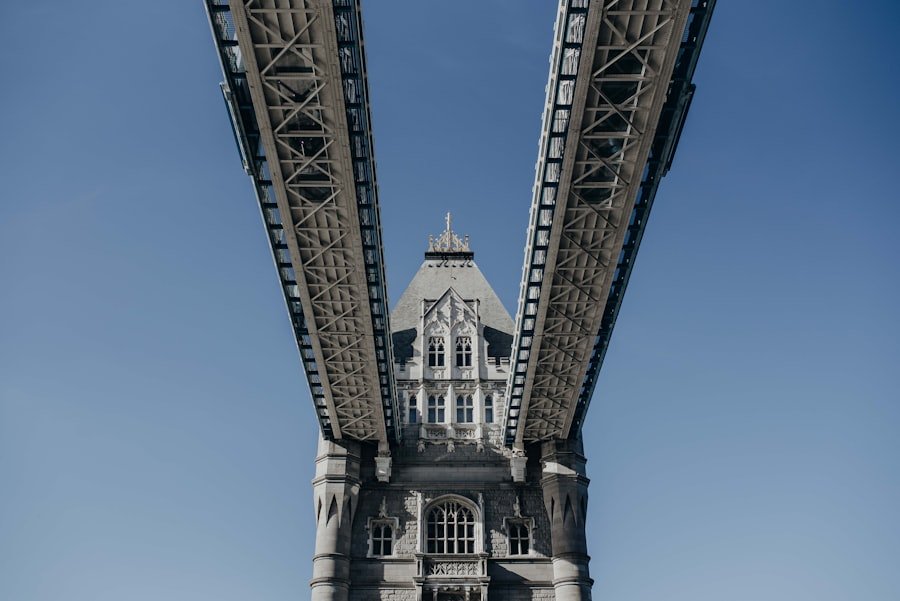
Summer’s advantage is daylight. You have more time to combine the bridge with nearby sights, walk the Thames Path, and photograph the skyline before or after your paid visit. The tradeoff is heavier foot traffic around the walkways, Tower of London area, Potters Fields Park, and riverside approaches.
Tower Bridge itself recommends advance booking, especially in school-holiday periods. Current general admission prices are £18 for adults, £13.50 for concessions, and £9 for children ages 5–15; under-5s and one companion per disabled visitor are free. Tickets can be booked up to eight weeks ahead.
If you are visiting with children, the busiest family periods line up closely with London school holidays. For 2026–27, notable dates include October 26–30, December 21–January 4, February 15–19, March 29–April 9, May 31–June 4, and July 22–September 1. Exact dates can vary by school.
Off-Peak Tourist Season: November to February
November through February is the best period if your priority is fewer tourists rather than warm weather. Weekday mornings can feel much calmer than summer, and the indoor towers, high-level walkways, Glass Floors, and Engine Rooms make the attraction workable even when the weather is cold.
The main drawbacks are shorter daylight hours, colder wind along the Thames, and a greater chance that outdoor photography feels less comfortable. Winter light can still be excellent, especially on clear days, and dusk arrives early enough to combine a daytime interior visit with illuminated bridge views later.
Holiday timing matters. Tower Bridge’s official visitor information lists daily opening from 9:30 a.m. to 6:00 p.m., with last entry at 5:00 p.m. It closes December 24–26 and opens at 10:00 a.m. on January 1.
Special Events and Busy Dates to Consider
Special events can make Tower Bridge more memorable, but they can also increase crowds or affect local traffic. The most important dates are major running events, school breaks, bank holidays, and scheduled bridge lifts rather than a generic festival calendar.
The 2027 London Marathon weekend is scheduled for April 24–25, and the 26.2-mile route passes Tower Bridge. Expect heavy spectator numbers and transport changes around the route. If your goal is a quiet attraction visit, choose another day; if you want race atmosphere, the bridge is one of the signature viewing areas.
England and Wales also have confirmed 2027 bank holidays on January 1, March 26, March 29, May 3, May 31, August 30, December 27, and December 28. Long weekends around these dates can increase visitor demand across central London.
Bridge lifts are a separate attraction in their own right. Tower Bridge says it opens for vessels around 800 times a year, and the official bridge-lift schedule lists the vessel, direction, date, and time. If you want to see the bascules rise, choose a date with a published lift and arrive early enough to find a viewing position.
The original article referred to a Halloween event inside Tower Bridge, but that mixed Tower Bridge up with the separate London Bridge Experience attraction. Tower Bridge does run its own programmed tours and activities, so use its official events calendar for attraction-specific events.
Is Tower Bridge Better During the Day or at Night?
For the full paid attraction, daytime is the practical choice because regular visitor hours end at 6:00 p.m. For exterior photography and a riverside walk, nighttime offers a different experience: the bridge is illuminated and reflections on the Thames can be striking after dark.
A good plan is to enter in the late afternoon only if you still have enough time for the towers, walkways, Glass Floors, and Engine Rooms before closing. Otherwise, visit inside in the morning, explore nearby London sights during the day, then return to the river after sunset.
Daylight is better for reading architectural details, looking through the Glass Floors, and identifying landmarks from the high-level walkways. Night is better for exterior views from the north and south banks. The roadway and pedestrian crossing remain part of the working bridge, so nighttime photography does not require an attraction ticket.
Best Time of Day to Avoid Tourist Crowds
The official Tower Bridge visual guidance says mornings tend to be quieter, and its group-visit advice recommends Monday through Friday because weekends can become very busy. For most independent visitors, the safest crowd-avoidance strategy is a timed entry at or shortly after 9:30 a.m. on a weekday.
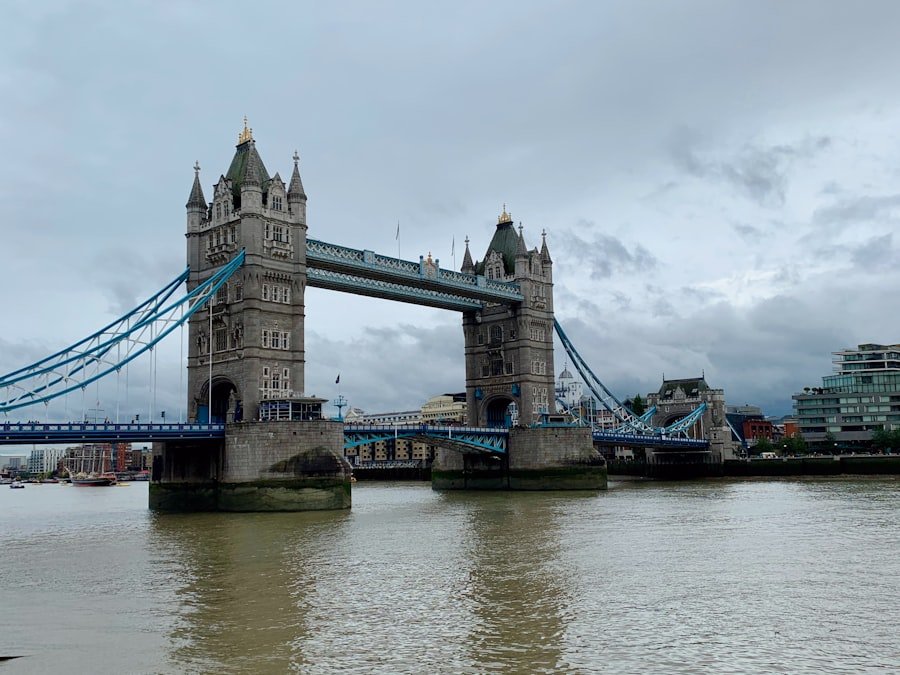
Midday is usually less attractive if you dislike crowds because day-trippers and organized groups have had time to arrive. Late afternoon can improve after the busiest middle hours, but the 5:00 p.m. last-entry time limits how much flexibility you have.
If you need a deliberately lower-stimulation visit, Tower Bridge also offers Relaxed Opening on the second Saturday of each month from 9:30 to 11:30 a.m. for neurodivergent visitors. Separate Quieter Time sessions are also offered on selected dates with limited visitor numbers.
Allow about 60–90 minutes for a normal self-guided visit. Tower Bridge’s group-planning guidance recommends roughly one to one and a half hours, which is a useful baseline for independent visitors as well.
Maintenance, Closures, and Working-Bridge Delays
Tower Bridge is both a visitor attraction and working transport crossing, so access can occasionally change for safety, maintenance, events, or bridge operations. The regular schedule is stable, but it is sensible to build a little buffer into any tightly timed itinerary.
A bridge lift can briefly delay road traffic and pedestrians at roadway level. It can also become part of the experience if you are already on or near the bridge. Pre-booked attraction tickets do not provide fast-track entry, and all visitors still go through ticket validation and security checks.
The fixed annual closure dates currently published are December 24, 25, and 26. New Year’s Day opens later at 10:00 a.m. Other temporary changes may occur, but the article found no standing seasonal closure beyond those published annual dates.
Local Tips for a Better Tower Bridge Visit
The best visit is usually a simple one: book your preferred time, arrive for opening, and decide in advance whether seeing a bridge lift matters to you. That avoids the most common mistake, which is treating Tower Bridge as only an outdoor photo stop and missing the historic machinery and high-level views inside.
- Use the correct entrance. The Ticket Office is on the northwest side of the bridge, at the North Tower.
- Wear comfortable shoes. There are stairs through the towers and walking between the main attraction and the Engine Rooms, although lifts are available.
- Pair nearby sights logically. The Tower of London and St Katharine Docks are on the north side; Borough Market and the south-bank riverside walk are easy to combine from the south.
- Photograph from both banks. The north side gives easy access to the Tower of London setting, while the south side around Potters Fields Park gives broad views of the bridge and skyline.
- Use a scheduled lift as a bonus, not a guess. Lift times vary, so a published lift is the only reliable way to build that moment into your day.
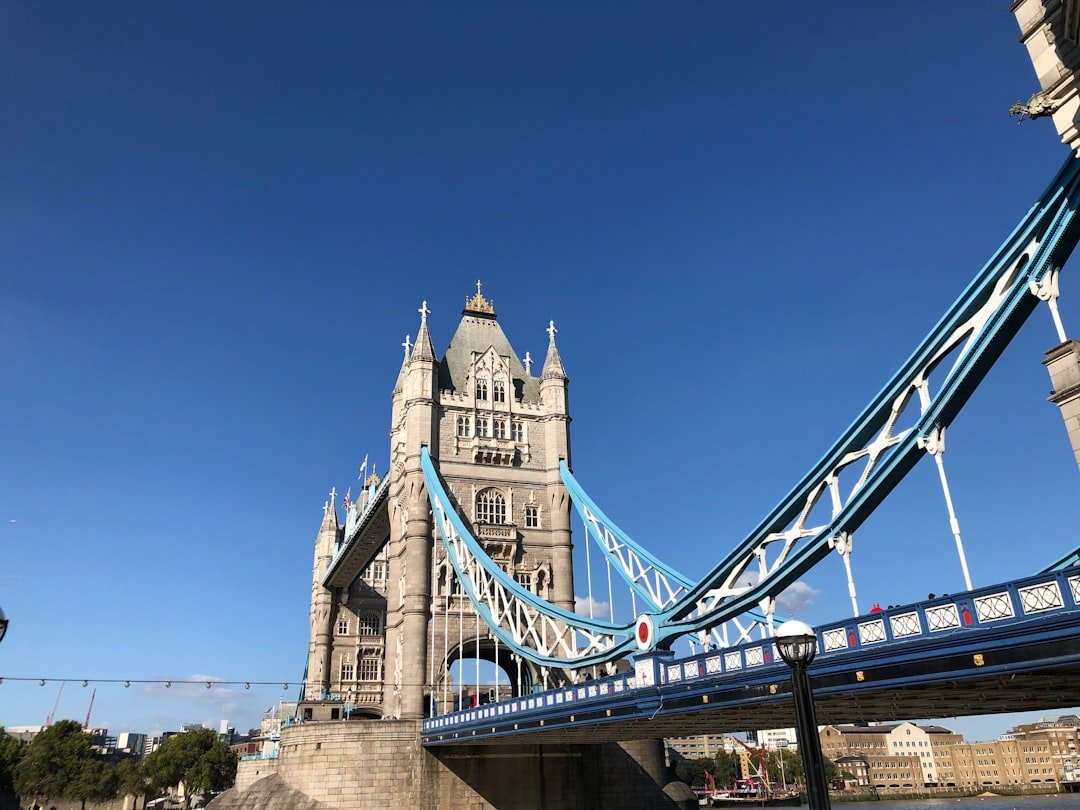
The bridge was formally opened on June 30, 1894. Its design was developed by City Architect Sir Horace Jones with civil engineer Sir John Wolfe Barry, who continued the project after Jones died. That engineering story is central to the visitor route through the towers, high-level walkways, and Victorian Engine Rooms.
Accessibility and Transportation
Tower Bridge is easy to reach by public transport, and step-free routes are available from several nearby stations and bus stops. Tower Hill is the closest Underground option in the official visitor guidance, while London Bridge is convenient if you are approaching from the south bank.
Tower Hill station, served by the District and Circle lines, is about a seven-minute walk from the Ticket Office and has step-free access from platform to street. London Bridge station is served by the Northern and Jubilee lines and has step-free access from train to street; the official visitor information gives a walking distance of about 1 km (0.62 miles) to the Engine Rooms.
Bus routes 15, 42, 78, 100, and 343 serve the area. Riverboats also stop at Tower Pier on the north bank and London Bridge City Pier on the south bank. For rail conditions on the day, the Transport for London Tower Hill page provides station and service information.
Inside the attraction, lifts are available in the Towers and Engine Rooms, and the visitor route supports step-free access. The queue itself is outdoors, so weather can still affect comfort even if most of your visit is inside.
Tower Bridge is worth seeing in every season, but the experience is easiest to control when you separate three goals: crowds, weather, and photography. Choose a weekday morning in May or September for the best all-around visit, winter for the quietest atmosphere, or summer for the longest daylight. Then use the official lift schedule if watching the bridge open is part of your plan.
More from Tagline Today: exploring Asian melon.
Frequently Asked Questions
What is the best time to visit Tower Bridge?
The best time to visit Tower Bridge is usually a weekday morning in May, early June, September, or early October. Arriving at or soon after 9:30 a.m. gives you the best chance of lighter indoor crowds while still leaving plenty of time for the full attraction.
What is the peak tourist season at Tower Bridge?
The main peak season runs from April through October, with July and August typically feeling busiest because warm weather overlaps with school holidays and the main summer travel season. If you visit then, book ahead and choose a weekday morning rather than midday.
What are the busiest times to visit Tower Bridge?
Weekends, UK school holidays, bank-holiday weekends, and summer midday periods are the busiest choices. Major events such as the London Marathon can also increase crowds and transport pressure around the bridge, even if attraction opening hours remain unchanged.
Is Tower Bridge better at night?
Tower Bridge is especially scenic after dark because the exterior is illuminated, but regular paid visitor hours end at 6:00 p.m. Visit inside during the day, then return after sunset if you want night photography and a quieter riverside walk.
How long should I allow for Tower Bridge?
Allow about 60 to 90 minutes for a typical visit inside Tower Bridge. That gives you time for the North and South Towers, high-level walkways, Glass Floors, and Victorian Engine Rooms without rushing through each area.
Can I see Tower Bridge open during my visit?
Yes, but only if a bridge lift is scheduled while you are there. Tower Bridge publishes upcoming lift times with dates, vessels, and directions, so plan around a listed lift if seeing the bascules rise is an important part of your visit.
Sources
- Tower Bridge visitor information: opening hours, holiday closures, entrance location, and transport access.
- Tower Bridge entry tickets: current admission prices, inclusions, booking window, and visitor procedures.
- Met Office Heathrow climate averages: 1991–2020 monthly temperature and rainfall normals used in the table.
- Visit London school holidays: 2026–27 London school-holiday dates.
- GOV.UK bank holidays: confirmed England and Wales bank-holiday dates for 2027.
- Visit London London Marathon guide: 2027 marathon weekend dates and route context.
- Tower Bridge lift times: upcoming bridge-lift dates, times, vessels, and directions.
- Tower Bridge group visits: weekday crowd guidance and recommended visit duration.
- Transport for London: Tower Hill: Underground lines, accessibility, and service information.