London is one of the world’s great museum cities, with more than 190 museums covering everything from ancient civilizations and European painting to fashion, natural history, medicine and space exploration. Many of the city’s best-known national museums offer free general admission, although special exhibitions and some experiences may require a paid or timed ticket. This guide focuses on the best museums in London, what each is best for, current visitor considerations, and a few smaller museums worth adding to your itinerary.
Quick Answer
The best museums in London include the British Museum for world history, the V&A for art and design, the Natural History Museum for nature, the Science Museum for technology, Tate Modern for modern art and the National Gallery for European painting. Most offer free general admission, but booking ahead is often worthwhile.
Key Takeaways
- Many of London’s major national museums offer free general admission, although temporary exhibitions may charge.
- The British Museum, V&A, Natural History Museum, Science Museum, Tate Modern and National Gallery are excellent first-time choices.
- The Natural History Museum, Science Museum and V&A are close together in South Kensington, making them easy to combine.
- The former Museum of London site is closed; the new London Museum at Smithfield is scheduled to open on 28 November 2026.
- Smaller museums such as Sir John Soane’s Museum and the Hunterian Museum provide more specialized experiences and are also free to enter.
London has more than 190 museums, giving visitors an unusually broad choice of free national collections, specialist institutions and smaller historic houses.
Best London Museums at a Glance
| Museum | Best For | General Admission | Planning Note |
|---|---|---|---|
| British Museum | World history and archaeology | Free | Advance booking recommended |
| V&A South Kensington | Art, fashion and design | Free | Some temporary exhibitions are ticketed |
| Natural History Museum | Dinosaurs, biodiversity and Earth science | Free | A free advance ticket can help guarantee entry |
| Science Museum | Science, engineering and space | Free | Pre-book a free general-admission ticket |
| Tate Modern | Modern and contemporary art | Free collection displays | Major exhibitions may require paid tickets |
| National Gallery | European painting | Free | Walk-up entry is available; free booking can speed entry |
| London Museum | London history | Free permanent galleries planned | Smithfield opening scheduled for 28 November 2026 |
| Sir John Soane’s Museum | Architecture, antiquities and historic interiors | Free | Small building; queues are possible |
| Hunterian Museum | Surgery and medical history | Free | Booking recommended |
Note: Free general admission usually applies to permanent galleries. Temporary exhibitions, special events, IMAX screenings and other premium experiences can carry separate charges. Opening hours and gallery access can also change, so check the museum’s official website before travelling.
The British Museum: World History and Ancient Civilizations
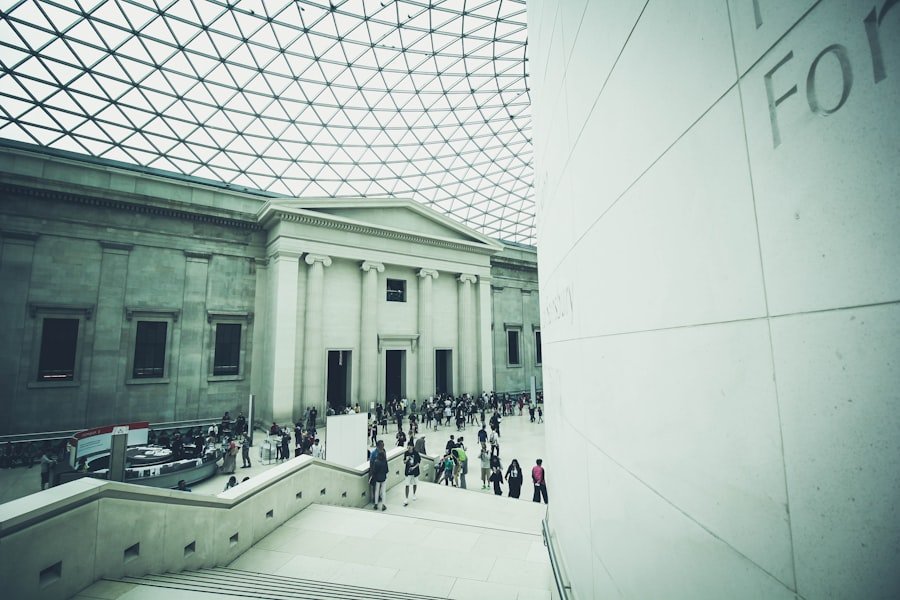
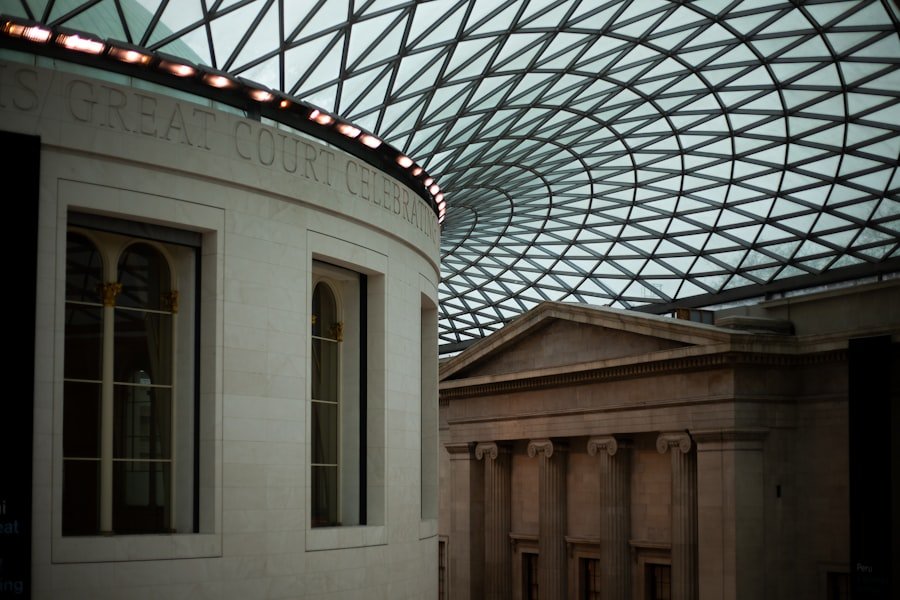
The British Museum is one of London’s most important museums for archaeology and world history. Founded in 1753, it describes itself as the world’s first national public museum. Its collections span more than two million years of human history and cultures across six continents.
Two of its most famous objects are the Rosetta Stone, which played a central role in deciphering Egyptian hieroglyphs, and the Parthenon Sculptures from ancient Athens. Egyptian mummies, Assyrian palace reliefs, ancient Greek objects, coins, drawings and material from cultures around the world make it possible to spend several hours here without covering every gallery.
The museum’s size is its biggest advantage and its biggest challenge. Instead of trying to see everything, choose two or three areas that interest you most. A first-time visitor might combine the Rosetta Stone, Egyptian galleries, Parthenon Sculptures and one additional collection.
General admission is free. The museum currently recommends advance booking, particularly during busy periods. Current opening information and tickets are available on the British Museum visitor page.
Pro Tip: The Rosetta Stone is one of the museum’s most popular exhibits. Visiting near opening time or later in the day can make it easier to view than during the busiest middle part of the day.
The Victoria and Albert Museum: Art, Fashion and Design
The Victoria and Albert Museum, usually called the V&A, is one of the best London museums for decorative art, fashion and design. It developed from the Museum of Manufactures founded in 1852, and today’s wider V&A national collection contains more than 2.8 million objects spanning roughly 5,000 years of creativity.
The collections cover fashion, textiles, sculpture, ceramics, furniture, jewellery, photography, architecture and many other forms of design. The V&A’s fashion holdings include work by influential designers such as Alexander McQueen and Vivienne Westwood, although individual objects can move on and off display as galleries change.
Because the museum is large, it is better to choose areas based on your interests rather than trying to complete every room. Fashion enthusiasts might focus on clothing and textiles, while visitors interested in historic design may prefer sculpture, furniture, jewellery or the Cast Courts.
General admission to V&A South Kensington is free, while some temporary exhibitions are ticketed. Current opening hours and visitor information are available from the Victoria and Albert Museum.
The Natural History Museum: Dinosaurs, Wildlife and Earth’s History
The Natural History Museum combines dramatic Victorian architecture with one of the world’s most important natural-science collections. The museum cares for more than 80 million objects covering billions of years of Earth’s history and supports active scientific research as well as public exhibitions.
Its galleries explore dinosaurs, mammals, minerals, human evolution, biodiversity, volcanoes, earthquakes and other aspects of life and the planet. The museum is particularly popular with families, so weekends and school holidays can be busy.
The outdoor experience has also changed significantly. The former Wildlife Garden was redeveloped, and in July 2024 the museum opened transformed five-acre gardens. Visitors can now explore the Evolution Garden, which follows major stages in the history of life, and the Nature Discovery Garden, which focuses on present-day urban wildlife and scientific monitoring.
The museum’s permanent galleries are free. Visitors can walk up, but booking a free entry ticket helps guarantee entry at busy times. Check the Natural History Museum visitor page for tickets, opening times and temporary closures.
The Science Museum: Science, Engineering and Space Exploration
The Science Museum’s history is closely connected with the South Kensington Museum established in the 1850s, but the Science Museum itself became a separate institution in 1909. Today it explores major developments in science, engineering, medicine, transportation, computing and space exploration.
One of its standout historic objects is the Apollo 10 command module, nicknamed Charlie Brown. Apollo 10 orbited the Moon in 1969 as a full-scale rehearsal for the Apollo 11 lunar landing. The command module is displayed in the museum’s Making the Modern World gallery.
The museum mixes historic objects with interactive experiences, making it particularly useful for families and visitors who prefer hands-on learning. Some premium attractions and experiences, including certain exhibitions or entertainment spaces, can require separate tickets.
General admission is free, but the museum asks visitors to pre-book a free ticket. Current opening times, gallery closures and tickets can be checked on the Science Museum visitor page.
Tate Modern: Modern and Contemporary Art
Tate Modern occupies the former Bankside Power Station beside the River Thames and officially opened in May 2000. It has become one of London’s defining cultural landmarks as well as a major destination for modern and contemporary art.
The galleries explore art from the 20th century to the present through painting, sculpture, installation, photography, film and other media. Displays change regularly, so it is better to think of Tate Modern as an evolving collection rather than expecting every famous artist or artwork to be visible on every visit.
The vast Turbine Hall is one of the building’s defining spaces and has been used for ambitious large-scale installations. Even visitors who do not normally spend much time in modern-art galleries may find the industrial architecture and large commissions worth experiencing.
Entry to Tate’s permanent collection displays is free, while major temporary exhibitions may be ticketed. Check the official Tate Modern visitor information before your visit.
The National Gallery: European Painting in Trafalgar Square
The National Gallery sits on Trafalgar Square and houses the UK’s national collection of paintings in the Western European tradition. Founded by Parliament in 1824, its collection contains about 2,300 paintings dating from the late 13th century to the early 20th century.
The collection includes works associated with artists such as Leonardo da Vinci, Raphael, Rembrandt, Monet, Turner, Van Gogh, Titian, Velázquez and many others. More than 1,000 paintings are normally on display, although individual rooms and artworks can move because of conservation, loans and building work.
This museum is particularly suitable for visitors who want to understand how European painting developed across the Renaissance, Baroque, Impressionist and other major periods. Instead of moving randomly from room to room, following one school, century or group of artists can make a short visit much more rewarding.
General admission is free. Walk-up entry is available, while booking a free ticket can provide faster entry and useful updates. Some temporary exhibitions charge admission. Check the National Gallery visitor page before travelling.
London Museum: The City’s History and the 2026 Smithfield Opening
The old Museum of London at 150 London Wall is no longer open as a visitor attraction. It welcomed its final museum visitors on 4 December 2022 while the organization prepared for a major move and transformation.
As of 9 September 2026, the new London Museum at Smithfield is scheduled to open on 28 November 2026. Its first free permanent galleries will occupy the restored Victorian General Market and tell London’s story across thousands of years through historic objects, personal stories and new displays. A further phase in the adjacent Poultry Market is planned for 2028.
If you are visiting London before the Smithfield opening, London Museum Docklands remains a strong alternative. Its free galleries explore London’s river, port and Docklands history from the 1600s to the present.
Important: Do not travel to the old London Wall site expecting the former Museum of London galleries to be open. For the latest Smithfield opening information and London Museum Docklands details, check the official London Museum website.
Tips for Visiting London’s Museums
A little planning can make a large difference, especially at London’s most popular free museums.
- Book free timed entry when available. Free admission does not always mean that advance booking is unnecessary. Some museums strongly recommend or require a free reservation.
- Check temporary exhibition prices separately. Permanent collections may be free while major exhibitions have their own ticket price.
- Group South Kensington museums together. The Natural History Museum, Science Museum and V&A are within a short walk of one another, so they are easy to combine geographically.
- Do not try to see every gallery. Large institutions such as the British Museum, V&A and Natural History Museum can easily fill several hours. Pick your priorities first.
- Check gallery closures. Conservation, private events, building work and exhibition changes can temporarily close rooms or move famous objects.
- Use late openings selectively. Some museums open later on particular evenings, which can provide a different atmosphere and help you fit more into a short London trip.
- Review accessibility information in advance. London’s large national museums generally provide extensive accessibility information, but historic-house museums may have narrower rooms, stairs or other limitations.
- Expect security checks. Bag searches are common at major institutions, so travelling light can make entry easier.
Pro Tip: If museums are the main focus of your trip, choose one large museum as the anchor for each half-day rather than planning three or four major institutions back-to-back. You will see more of what actually interests you and spend less time rushing between galleries.
Off-the-Beaten-Path Museums in London: Hidden Gems Worth Exploring
London’s major national museums attract the biggest crowds, but smaller institutions can provide a very different experience.
Sir John Soane’s Museum
Sir John Soane’s Museum occupies the former home of architect Sir John Soane at Lincoln’s Inn Fields. The historic interiors contain antiquities, architectural models, sculptures, paintings and other objects arranged in the dense, highly personal manner Soane intended.
The museum remains free to enter and is normally open Wednesday to Sunday, 10am–5pm. Advance booking is not normally required for individual general admission, but capacity is limited, so visitors may have to wait outside when the house is busy. Some spaces are narrow, dark or uneven because this is a historic building rather than a purpose-built modern museum. Check the Sir John Soane’s Museum visitor information before going.
The Hunterian Museum
The Hunterian Museum at the Royal College of Surgeons of England explores the history and development of surgery. Its displays include more than 2,000 anatomical preparations associated with surgeon and anatomist John Hunter, alongside surgical instruments, models, artworks and other material tracing medicine and surgery from the past to modern practice.
The museum reopened on 16 May 2023 following a six-year closure and major redevelopment. It is now free to visit, with advance booking recommended, and is normally open Tuesday to Saturday from 10am–5pm. Current visitor information is available from the Hunterian Museum.
Note: The Hunterian displays human anatomical remains. Some visitors, particularly children or people who are sensitive to medical specimens, may find parts of the collection uncomfortable or distressing.
Making the Most of Your Museum Visits in London
London’s museums work best when you choose them according to your interests rather than simply trying to visit the biggest names. The British Museum is ideal for ancient history and archaeology, the V&A for design, the Natural History Museum for life and Earth science, the Science Museum for technology, Tate Modern for modern art and the National Gallery for European painting.
Current visitor information matters just as much as the collection itself. Free museums can still use timed tickets, temporary exhibitions may have separate fees, galleries can close at short notice and major institutions can become crowded during weekends and school holidays.
If you prefer smaller spaces, Sir John Soane’s Museum and the Hunterian Museum provide specialist experiences that feel very different from London’s national museums. Visitors interested specifically in London’s own history should also watch the opening of the new London Museum at Smithfield on 28 November 2026 or visit London Museum Docklands in the meantime.
Whichever museums you choose, focus on a manageable number of galleries and leave enough time to look closely rather than rushing through every room. London’s collections are extensive enough that even a return visit can feel completely different from the first.
Frequently Asked Questions
What are some of the best museums to visit in London?
Top choices include the British Museum, Victoria and Albert Museum, Natural History Museum, Science Museum, Tate Modern and National Gallery. The best one depends on whether you are most interested in history, design, nature, technology or art.
What are some tips for visiting museums in London?
Check the official museum website before travelling, reserve a free entry slot when recommended, confirm temporary exhibition prices, review any gallery closures and choose a few priority galleries instead of trying to see an entire large museum in one visit.
What are some of the best collections to see in London’s museums?
Highlights include the Rosetta Stone and Parthenon Sculptures at the British Museum, art and design at the V&A, natural-science collections at the Natural History Museum, the Apollo 10 command module at the Science Museum and European masterpieces at the National Gallery.
Are there free museums to visit in London?
Yes. General admission is free at major museums including the British Museum, V&A South Kensington, Natural History Museum, Science Museum, National Gallery and Tate Modern’s permanent collection displays. Some temporary exhibitions and special experiences charge separately.
Which London museums can I visit together?
The easiest major museum cluster is South Kensington, where the Natural History Museum, Science Museum and V&A are only a short walk apart. However, each is large enough to occupy several hours, so visiting all three in depth on the same day can feel rushed.
Is the Museum of London open in 2026?
The former Museum of London at 150 London Wall is closed as a visitor attraction. As of 9 September 2026, the new London Museum at Smithfield is scheduled to open its first permanent galleries on 28 November 2026. London Museum Docklands remains open in the meantime.
Sources
- British Museum — Plan Your Visit — free admission, booking guidance and visitor information.
- Victoria and Albert Museum — About the V&A — collection size, history and admission information.
- Natural History Museum — Plan Your Visit — free admission, tickets and current visitor information.
- Science Museum — Visit — free tickets, opening information and gallery notices.
- National Gallery — Plan Your Visit — free general admission, tickets and current display information.
- London Museum — Smithfield — official 28 November 2026 opening information.