The London Pass can be worth it if you plan several paid attractions on consecutive sightseeing days, but it is not automatically cheaper for every London trip. The key is simple: compare the price of the pass with the tickets you would genuinely buy anyway, using a schedule you can realistically complete.
Quick Answer
The London Pass is worth it when your itinerary packs several paid attractions into consecutive days and the individual ticket total is higher than the pass price. It is usually poor value for slow sightseeing, museum-heavy days, or trips built around free attractions. Compare your exact must-sees before buying.
Last checked: October 1, 2026. Dates and figures were verified against official sources.
Key Takeaways
- Go City currently offers 1, 2, 3, 4, 5, 6, 7, and 10-day All-Inclusive passes, with adult standard prices starting at £105.
- The current attraction list includes major paid sights such as the Tower of London, London Eye, Westminster Abbey, St Paul’s Cathedral, Tower Bridge, Windsor Castle, and a Thames cruise.
- Many popular London museums are already free, so including several free-museum days makes an All-Inclusive pass harder to justify.
- Several popular attractions require advance reservations even when admission is covered by the pass.
- Regular Tube, bus, Overground, and Elizabeth line fares should be budgeted separately from your sightseeing pass.
What does the London Pass include in 2026?
The London Pass is Go City’s day-based All-Inclusive sightseeing pass. Its current London attraction list contains more than 100 attractions, tours, activities, and other experiences, although the exact lineup can change.
Major inclusions currently include the Tower of London, London Eye, Westminster Abbey, St Paul’s Cathedral, Tower Bridge, Windsor Castle, Kensington Palace, The View from The Shard, Madame Tussauds London, HMS Belfast, London Zoo, and Hampton Court Palace.
| Popular inclusion | What the pass currently covers |
|---|---|
| Tower of London | General admission, including the Crown Jewels and open public areas |
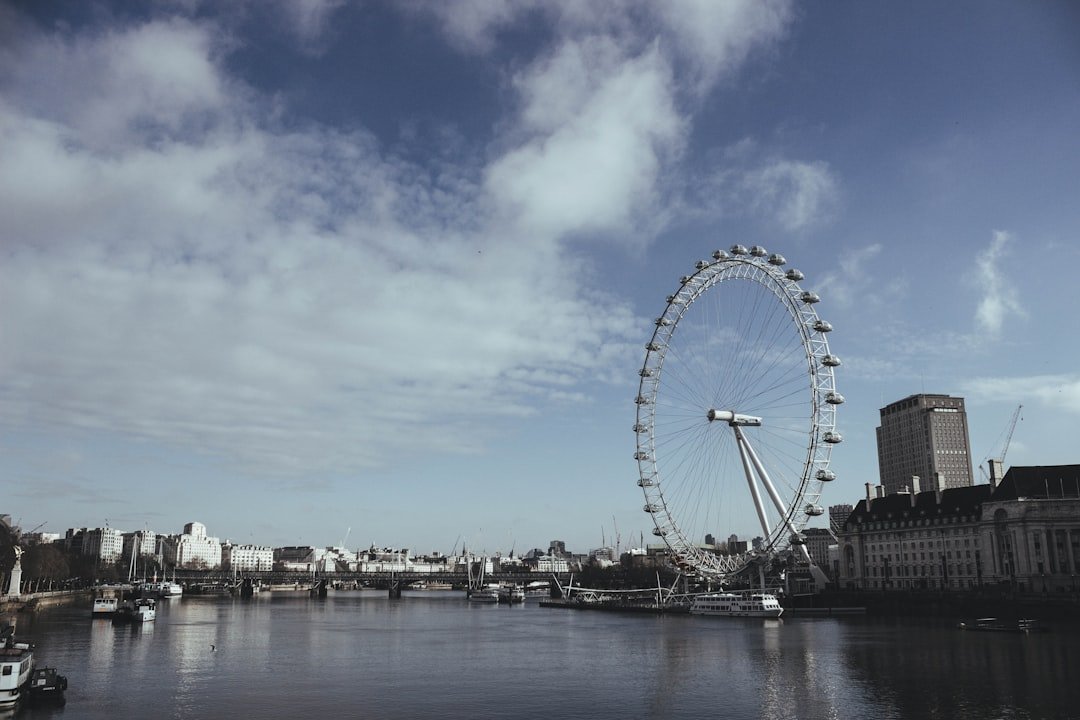
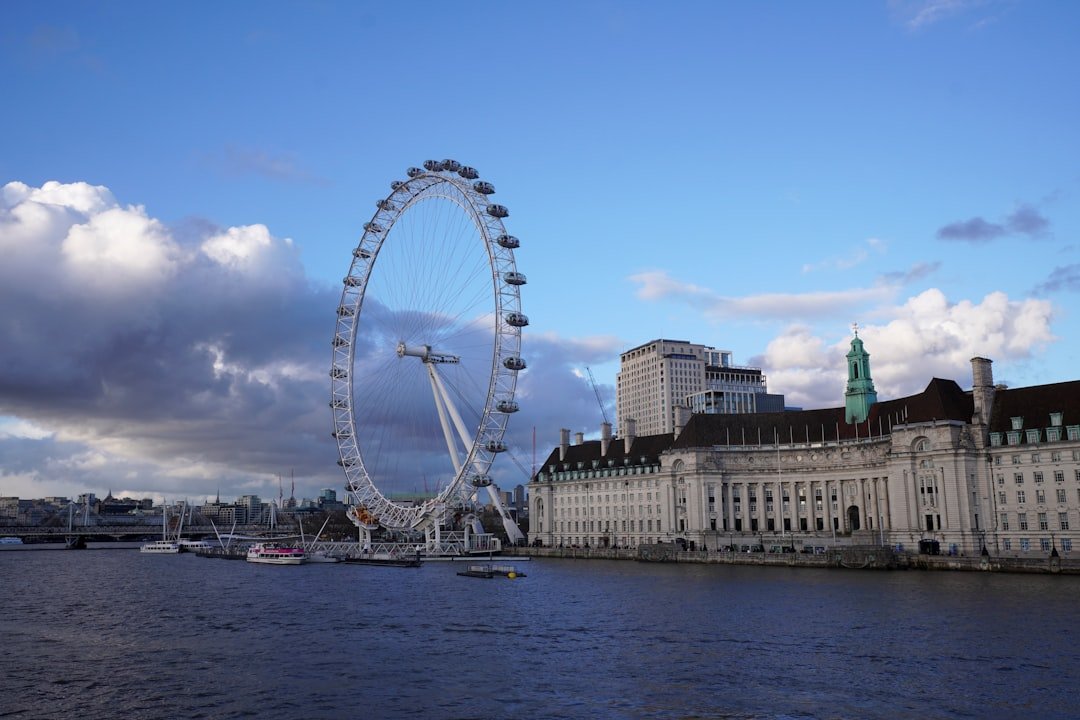
| London Eye | Standard 30-minute rotation; reservation required |
| Westminster Abbey | General sightseeing admission; reservation required |
| St Paul’s Cathedral | Sightseeing admission to the Cathedral Floor, Crypt, and Dome Galleries |
| Tower Bridge | High-Level Walkways, Glass Floors, Towers, and Engine Rooms; reservation required |
| City Cruises | 24-hour Thames River Pass |
| Hop-on hop-off bus | Two consecutive calendar days on the included sightseeing bus service |
Seasonal attractions need extra care. Buckingham Palace State Rooms, for example, open to sightseeing only during limited periods, so do not count them in your savings calculation unless they appear as available for your travel dates.
Free museums are not the same as paid pass admission
The original value calculation can be misleading if it treats London’s free museums as normal paid attractions. General admission to the British Museum is free, although special exhibitions may cost extra.
The Natural History Museum also offers free general admission. Go City may include extras connected with free museums, such as a guidebook, audio experience, or another add-on, but you do not need a sightseeing pass simply to enter their permanent collections.
The same principle applies to the Sky Garden. Public access is normally free with a booked slot, so a free viewpoint should not be counted as money supposedly saved by buying the London Pass.
How much does the London Pass cost?
As of October 1, 2026, Go City’s standard adult All-Inclusive Pass prices are £105 for one day and £305 for ten days. Longer passes have a lower average cost per sightseeing day.
| Pass length | Standard adult price | Average per day |
|---|---|---|
| 1 day | £105 | £105.00 |
| 2 days | £155 | £77.50 |
| 3 days | £199 | £66.33 |
| 4 days | £225 | £56.25 |
| 5 days | £245 | £49.00 |
| 6 days | £265 | £44.17 |
| 7 days | £285 | £40.71 |
| 10 days | £305 | £30.50 |
Child pricing is available for ages 5 to 15. Go City also runs promotions, so the checkout price may be lower than the standard list price shown above. Always compare the price you can actually buy the pass for with the individual tickets you would actually purchase.
Do the break-even math before buying
The safest way to judge value is to total your planned attractions. Do not compare the pass with attractions you would only visit because they are included.
On October 1, 2026, an adult ticket to the Tower of London costs £38, while Westminster Abbey charges £32. St Paul’s Cathedral is £27 and Tower Bridge is £18.
The London Eye starts at £29 online for an adult standard ticket, while its walk-up price is £39. Go City lists its 24-hour City Cruises Thames River Pass at up to £25 without a pass.
| Example attraction | Adult reference price |
|---|---|
| Tower of London | £38 |
| Westminster Abbey | £32 |
| St Paul’s Cathedral | £27 |
| Tower Bridge | £18 |
| London Eye | From £29 online |
| City Cruises 24-hour river pass | Up to £25 |
| Total | About £169 |
A two-day London Pass currently costs £155. In this example, completing all six paid experiences would put the individual total at about £169, so the pass would save around £14.
However, remove the river cruise and the individual total drops to about £144. In that case, paying separately would cost less than the two-day pass. This is why counting your real itinerary matters more than the headline number of included attractions.
Pro Tip: Compare the pass against advance online ticket prices where you would normally book ahead. Comparing it only with the highest walk-up prices can make the apparent saving look larger than the saving you would actually receive.
How to use the London Pass
The London Pass is primarily digital and works through the Go City app. You can buy it before your trip, add it to the app, plan your attractions, and then present the pass for scanning when you visit.
- Choose the number of days. The All-Inclusive Pass is sold for 1, 2, 3, 4, 5, 6, 7, or 10 days.
- Add the pass to the Go City app. Syncing it with the app does not activate it.
- Reserve attractions that require booking. Do this before your sightseeing day where required.
- Activate the pass at your first attraction. Your first successful attraction visit starts the validity period.
- Use the remaining days consecutively. A day-based pass works by calendar day, not by rolling 24-hour periods.
That last point matters. If you activate a three-day pass late on Friday, Friday still counts as day one. Saturday is day two and Sunday is day three. Starting early in the morning normally gives you more usable sightseeing time.
Go City says an unused pass is valid for one year from purchase. It also states that non-activated passes are eligible for free cancellation within 90 days of purchase.
There is also a pass credit limit
The All-Inclusive Pass allows you to visit as many included attractions as your schedule permits, but Go City also assigns a maximum credit value to each pass. One credit equals £1 of the attraction’s standard gate-price value.
For example, the official terms currently give a one-day adult pass a 305-credit ceiling and a three-day adult pass a 670-credit ceiling. Those limits are high enough for ordinary sightseeing itineraries, but they are still part of the product rules.
Which London Pass attractions require reservations?
Having the pass does not always mean you can simply arrive without a booking. Go City’s current reservation list identifies attractions and tours that need advance booking.
The London Eye currently requires booking at least one day before your visit, and Go City allows reservations up to 15 days ahead. Same-day and next-day availability can be limited.
Tower Bridge and Westminster Abbey can currently be reserved up to 10 days in advance through the Go City system. The View from The Shard and Madame Tussauds can be booked up to 15 days ahead.
These rules can change, so make reservations before you build a tightly timed sightseeing day around a popular attraction.
Note: A reservation does not automatically mean fast-track admission. Security checks, normal queues, and attraction-specific entry procedures may still apply.
Pros and cons of the London Pass
The London Pass is most useful when convenience and a busy schedule work together. Its main weakness is that you pay upfront for sightseeing capacity you may not actually use.
| Advantages | Disadvantages |
|---|---|
| One digital pass covers a large number of attractions. | Savings disappear quickly if you visit only one paid attraction per day. |
| High-value attractions can make a busy itinerary economical. | The day-based version runs on consecutive calendar days. |
| A two-day hop-on hop-off bus tour and 24-hour Thames cruise are currently included. | Regular London public transport is a separate cost. |
| You can choose included attractions as you go. | Popular attractions may still require reservations and queues. |
| Longer passes reduce the average daily pass cost. | London has many excellent free museums, parks, markets, and viewpoints that do not help you recover the pass price. |
Do not buy the pass mainly for skip-the-line access. Entry benefits vary by attraction. For example, London Eye fast-track entry is not part of standard pass admission, and Westminster Abbey states that skip-the-line entry is not included.
Is the London Pass worth it for first-time visitors?

For a first visit, the London Pass is most likely to work when your priority list contains several expensive paid attractions. A first-time visitor who wants the Tower of London, Westminster Abbey, St Paul’s Cathedral, Tower Bridge, London Eye, and a Thames cruise has a much stronger case for the pass than someone planning two museums and one landmark each day.
Geography also matters. Pair nearby attractions instead of crossing London repeatedly. The Tower of London and Tower Bridge fit naturally together, while Westminster Abbey and the London Eye can work well on the same sightseeing day.
Leave enough time to enjoy each attraction. Saving £10 or £20 is not useful if you have to rush through places you came to London to see.
When a first-time visitor should probably skip it
Individual tickets may be better if your itinerary includes the British Museum, Natural History Museum, National Gallery, parks, markets, neighborhoods, and other free experiences. The same applies if you prefer one major paid attraction followed by several hours of unplanned exploring.
Families should also calculate value carefully. Children may move more slowly, need meal breaks, or lose interest before adults do, which can reduce the number of paid attractions you realistically complete.
Is the London Pass worth it for repeat visitors?
Repeat visitors often have a different calculation because they may already have seen the Tower of London, Westminster Abbey, and other headline sights. In that situation, paying for unlimited attractions over consecutive days may be less useful.
However, the pass can still make sense if your next trip focuses on paid places you previously missed. Hampton Court Palace, Windsor Castle, stadium tours, The View from The Shard, London Zoo, Kew Gardens, Cutty Sark, or several guided experiences can still create enough value.
Build your list first and ignore attractions you would not otherwise buy. If only three or four paid experiences remain on your wish list, the Explorer Pass or individual tickets may fit better.
Alternatives to the London Pass
The main alternatives are the Go City Explorer Pass, individual attraction tickets, and a trip built around London’s free attractions. Your best option depends more on your pace than on the total length of your stay.
Go City Explorer Pass
The Explorer Pass lets you choose a fixed number of attractions rather than a fixed number of sightseeing days. Current options cover 2 to 7 attractions, and you have 30 days after your first attraction visit to use the remaining choices.
That makes the Explorer Pass useful for visitors who want several paid highlights without scheduling them on consecutive days. Go City’s current pricing starts at £65 for a two-choice adult Explorer Pass.
Individual attraction tickets
Individual tickets are often the better choice if you want only a few paid sights. They also let you use advance-purchase prices and attraction-specific bundles rather than paying for an unlimited sightseeing product.
This approach gives you more freedom to change plans because of weather, tiredness, or a place you decide to spend longer exploring.
Free attractions plus pay-as-you-go transport
London has enough free museums, parks, markets, walks, churches, and public spaces to fill several days without an attraction pass. You can then buy tickets only for the paid attractions that matter most to you.
Regular Tube and bus travel should be budgeted separately. Transport for London explains that a Visitor Oyster card works on the Tube, buses, trams, DLR, London Overground, Elizabeth line, and many National Rail services, with pay-as-you-go fares and daily caps.
The sightseeing pass does include some tourism-focused transport experiences, such as the hop-on hop-off bus and Thames cruise, but these are not replacements for unlimited normal public transport across London.
How to decide whether the London Pass is worth it
You can make the decision with a simple calculation before paying for anything. Focus on the attractions you genuinely want rather than the size of the pass catalog.
- Write down every paid attraction you definitely plan to visit.
- Check the individual advance ticket price for your travel date.
- Add the individual prices together.
- Group the attractions into a realistic daily itinerary, including travel, meals, security, and queues.
- Compare that total with the exact pass price available at checkout.
If the pass is clearly cheaper and the schedule still looks enjoyable, it can be good value. If the difference is small, individual tickets usually provide more flexibility.
For a completely different travel-related read, you can also explore our article on Asian melon.
Frequently Asked Questions
What is the London Pass?
The London Pass is Go City’s day-based All-Inclusive sightseeing pass for London. You choose 1, 2, 3, 4, 5, 6, 7, or 10 days and can visit included attractions during those consecutive calendar days, subject to attraction rules and reservations.
How does the London Pass work?
The London Pass activates when you use it at your first attraction. You then scan the digital pass at included attractions during its validity period, while making advance reservations for attractions that require them.
Is the London Pass worth it?
The London Pass is worth it when the price of the paid attractions you can realistically visit exceeds the pass price. It is less likely to save money if you sightsee slowly, visit mostly free attractions, or plan only one paid attraction per day.
What are the main benefits of the London Pass?
The main benefits are one digital pass for many attractions, potential savings on a busy itinerary, and access to included tours and experiences. Some attractions also provide pass-specific extras, but reservation and queue rules vary by venue.
How much does the London Pass cost?
As of October 1, 2026, standard adult All-Inclusive prices run from £105 for one day to £305 for ten days. Go City sometimes runs promotions, so the checkout price may be lower than the standard listed rate.
Where can I buy the London Pass?
You can buy the London Pass online from Go City and load it into the Go City app. Adding the pass to the app does not activate it; activation occurs when you use it at your first attraction.
Can I use the London Pass for public transportation?
The London Pass should not be treated as a Tube or regular London bus travel pass. Budget separately for normal public transport using a suitable Oyster or contactless payment method, although sightseeing transport such as the included hop-on hop-off bus and Thames cruise may be covered.
Is the London Eye included with the London Pass?
Yes, the London Eye is currently included with Go City’s London passes. A reservation is required, and the included visit is the standard 30-minute rotation rather than a Fast Track or champagne experience.
Sources
- Go City London All-Inclusive Pass: Current pass durations, prices, validity, cancellation terms, and included experiences.
- Go City London attractions: Current attraction lineup and listed individual attraction values.
- Go City London reservations: Current advance-booking requirements and booking windows.
- Historic Royal Palaces: Current Tower of London admission price.
- Westminster Abbey: Current adult admission price and London Pass booking requirement.
- London Eye: Current online and walk-up standard ticket prices.
- Transport for London: Oyster coverage, pay-as-you-go travel, and daily fare capping.
- British Museum: Free general admission information.