The best coffee shops in London range from long-established specialty pioneers to compact neighborhood cafés built around carefully sourced beans and skilled brewing. If you want more than a convenient caffeine stop, London gives you plenty of places to compare espresso, filter coffee, single origins, house blends, and different roasting styles.
Quick Answer
For a first specialty-coffee crawl, start with Monmouth in Covent Garden, Prufrock on Leather Lane, and Workshop in Belgravia. Monmouth stands out for London coffee heritage, Prufrock for rotating espresso and filter choices, and Workshop for a modern café paired with coffee education. East London adds Climpson & Sons, Ozone, and Origin.
Last checked: October 1, 2026. Dates and figures were verified against official sources.
Key Takeaways
- Covent Garden, Clerkenwell, Fitzrovia, Soho, Belgravia, Hackney, and Shoreditch all have worthwhile specialty-coffee stops.
- For tasting different coffees, choose cafés that offer rotating single-origin filters as well as espresso.
- London’s strongest coffee culture extends beyond cafés to roasteries, cuppings, barista training, and public events.
- The next announced London Coffee Festival runs May 13–16, 2027 at The Truman Brewery.
- Opening hours vary widely: some City coffee bars focus on weekdays, while destination cafés in Soho and East London also open at weekends.
10 Best Coffee Shops in London to Try
There is no single objective best café, because the right choice depends on whether you want espresso, filter coffee, food, atmosphere, or coffee education. These ten places give you a useful cross-section of London’s specialty scene, with central, east, and south-of-the-river options.
| Coffee shop | Area | Best for | Practical note |
|---|---|---|---|
| Monmouth Coffee Company | Covent Garden | Single-origin coffee and London coffee history | 27 Monmouth Street; Monday–Saturday 8am–7pm; closed Sunday |
| Workshop Coffee | Belgravia | Coffee plus classes and tastings | 22 Eccleston Street; 7am–7pm weekdays, 9am–7pm weekends |
| Prufrock Coffee | Leather Lane | Espresso, filter, and coffee education | 23–25 Leather Lane; open seven days |
| Climpson & Sons | Broadway Market | East London roasting culture | 67 Broadway Market; open daily |
| Ozone Coffee | Shoreditch | Coffee with breakfast or lunch | Shoreditch and London Fields eateries open seven days |
| Origin Coffee | Shoreditch | Single-origin and carefully sourced coffee | Also has London sites in Southwark and the British Library |
| Attendant | Fitzrovia | Unusual setting and brunch | 27a Foley Street; a converted Victorian former public toilet |
| Lantana | Fitzrovia | Australian-style café food and coffee | 13 Charlotte Place; also in London Bridge and Shoreditch |
| Flat White | Soho | Classic Antipodean-style espresso drinks | 17 Berwick Street; walk-in only |
| Coffee Island | Covent Garden | Brew-bar choice and beans to take home | 5 Upper St Martin’s Lane |
1. Monmouth Coffee Company
Monmouth is one of the safest starting points if you want to understand London’s specialty-coffee scene. It sources coffee from individual farms, estates, and cooperatives and sells the coffees for drinking in its shops as well as for home brewing.
The Covent Garden shop is at 27 Monmouth Street. Monmouth’s official shop information also lists locations at The Borough and Bermondsey. Its current takeaway policy favors reusable cups rather than disposable paper cups.
2. Workshop Coffee
Workshop is a strong choice if you want the café experience and a deeper look at coffee preparation. Its current London café and academy is in Belgravia, near Victoria, rather than the larger network of London cafés described in older versions of this article.
The Workshop Café & Academy at 22 Eccleston Street serves coffee during the day, while the training space below hosts masterclasses, tastings, origin cuppings, and professional courses.
3. Prufrock Coffee
Prufrock remains a useful destination for drinkers who want to compare espresso and filter coffee. The menu changes with seasonal coffees and featured guest roasters, so a return visit may give you a different tasting experience.
The café is at 23–25 Leather Lane and serves Square Mile coffee alongside rotating guest roasters. According to Prufrock’s current café information, it opens seven days a week and also serves breakfast and lunch.
4. Climpson & Sons
Climpson & Sons is a good East London stop if you want a café connected closely to a local roasting operation. It began from a Broadway Market coffee stall and has remained tied to the Hackney area.
The Broadway Market café is at 67 Broadway Market. Its current locations page lists weekday opening from 7am to 5pm, Saturday from 8:30am to 5pm, and Sunday from 9am to 5pm.
5. Ozone Coffee
Ozone works well when you want serious coffee without giving up breakfast or lunch. Its London program includes rotating single origins on filter, house blends on espresso, and seasonal batch brew.
The Ozone London locations include full-service eateries in Shoreditch and London Fields, both open seven days, plus weekday espresso bars in the City. That range makes it practical for both a sit-down meal and a faster coffee stop.
6. Origin Coffee
Origin is worth considering if your main interest is traceable specialty coffee and a choice of brewing styles. It sells both single-origin coffee and blends, so it also makes a useful place to compare what those terms mean in the cup.
Its London locations currently include Shoreditch, Southwark, and the British Library. That spread gives visitors options on both sides of the Thames as well as near major central-London transport links.
7. Attendant
Attendant is memorable because its Fitzrovia café occupies a converted Victorian public toilet. Original porcelain fittings and old tilework form part of the interior, making the space as distinctive as the coffee experience.
The Fitzrovia café is at 27a Foley Street, around a short walk from Oxford Street. It serves espresso, single-origin filter coffee, breakfast, brunch, and lunch, with seating offered on a first-come basis.
8. Lantana
Lantana brings an Australian-influenced café style to London, pairing coffee with substantial breakfast and all-day food. It suits visitors who want a proper meal rather than a coffee-only stop.
The Fitzrovia branch is at 13 Charlotte Place. Lantana also operates in London Bridge and Shoreditch, making it particularly convenient if your coffee plans are tied to sightseeing around Borough Market or East London.
9. Flat White
Flat White is a compact Soho café closely associated with the Australian and New Zealand influence on modern London coffee culture. Its name also points directly to the milk-and-espresso drink that helped define that style of café.
You will find it at 17 Berwick Street. The current schedule runs seven days a week, and the café operates on a walk-in basis.
10. Coffee Island
Coffee Island is useful for visitors who want both prepared drinks and beans to take home. Its Covent Garden shop combines an espresso bar with brew options and retail coffee.
The Covent Garden location is at 5 Upper St Martin’s Lane. The range includes espresso, filter coffee, and packaged beans from several origins, making it easy to compare café drinking with home brewing.
How London’s Specialty Coffee Culture Developed
London’s modern specialty-coffee scene grew through a mix of independent cafés, roasters, and international influences. Australian, New Zealand, Scandinavian, and European coffee styles all helped shape the city’s preference for carefully prepared espresso and lighter, more origin-focused filter coffee.
Independent businesses also helped make information about farms, processing, roasting, and brewing part of the customer experience. That shift means you can now walk into many London cafés and choose not only between a latte and an espresso, but between origins, processing methods, roast styles, and filter brewers.
Community is another important part of the scene. Cafés frequently act as meeting points, workspaces, training venues, and event spaces, while cuppings and brewing classes give customers a way to learn why two coffees can taste dramatically different.
The Art of Coffee Roasting in the Capital
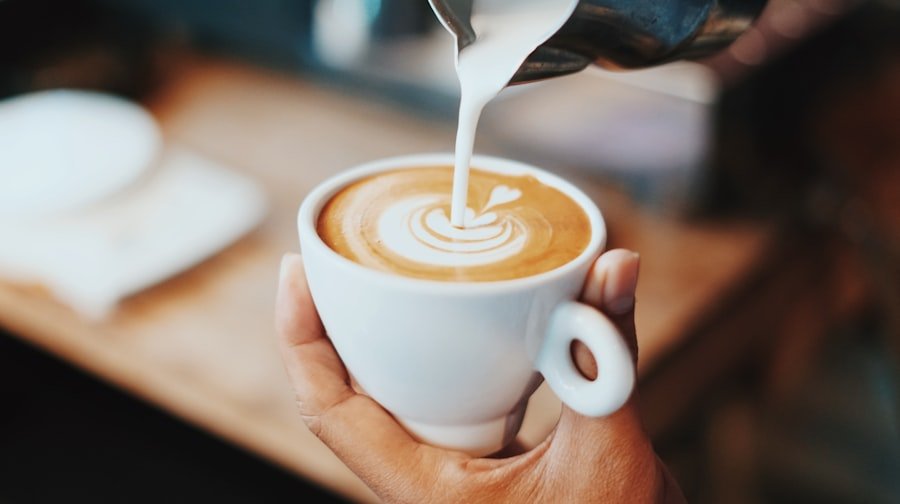
Roasting turns dense green coffee seeds into the aromatic beans you grind and brew. A roaster manages heat and time so that sweetness, acidity, aroma, and roast character develop without overwhelming the qualities already present in the coffee.
London’s roasting scene includes established names such as Square Mile Coffee Roasters, Climpson & Sons, Union Hand-Roasted Coffee, and other specialists supplying cafés and home brewers. Square Mile, co-founded by Anette Moldvaer and James Hoffmann, has been closely associated with London’s specialty-coffee movement and supplies Prufrock among other businesses.
The final flavor is not determined by roasting alone. The coffee variety, growing conditions, processing method, storage, roast development, grinding, water, and brewing recipe all affect what reaches the cup.
Pro Tip: If you want to understand roast style, taste two coffees side by side using the same brew method. Changing both the coffee and brewing technique at once makes the differences harder to identify.
How to Explore London’s Coffee Culture
The easiest way to explore London’s coffee culture is to combine cafés with a tasting, class, or major coffee event. That lets you move beyond ordering drinks and learn how origin, processing, roast, grind, and brewing affect flavor.
Workshop’s Belgravia academy offers tasting and training sessions, while Prufrock is connected with coffee education through its training center. These structured sessions are useful if terms such as extraction, washed process, natural process, or brew ratio are still unfamiliar.
For a larger industry snapshot, The London Coffee Festival has announced its next event for May 13–16, 2027 at The Truman Brewery on Brick Lane. The Thursday and Friday are industry days, followed by the public weekend, with tastings, demonstrations, talks, competitions, and a Roasters Village.
The festival is especially useful if you want to sample several roasters without traveling across London. For everyday exploration, however, a neighborhood coffee crawl is usually calmer and gives you more time to talk with baristas.
London’s Best Coffee Beans and Blends
The best beans to buy depend less on a famous roaster’s name and more on how you plan to brew them. A balanced espresso blend can work well with milk, while a distinctive single-origin coffee may reveal more of its fruit, floral, spice, or chocolate character when brewed as filter coffee.
Union Hand-Roasted Coffee emphasizes responsible sourcing and long-term producer relationships. Origin Coffee also offers both blends and single origins, while Square Mile, Climpson & Sons, Monmouth, and Coffee Island provide additional options for home brewers.
Single origin or blend?
A single-origin coffee comes from a defined origin, which may be a country, region, cooperative, estate, or individual producer. It can make differences in variety, processing, and growing conditions easier to notice.
A blend combines coffees to create a planned flavor profile. Blending is not a sign of lower quality. A well-designed espresso blend can provide sweetness, body, and consistency that works particularly well with milk.
How to choose beans for home
- Espresso machine: Start with a coffee labeled for espresso or a balanced blend if you prefer milk drinks.
- Pour-over: Single-origin coffees are useful when you want to notice differences in acidity, aroma, and processing.
- French press: Choose by flavor preference rather than assuming you need a particular roast level.
- Buying whole beans: Grind immediately before brewing when possible so fewer aromas are lost before the coffee reaches the water.
The Ultimate Guide to Coffee Tasting in London
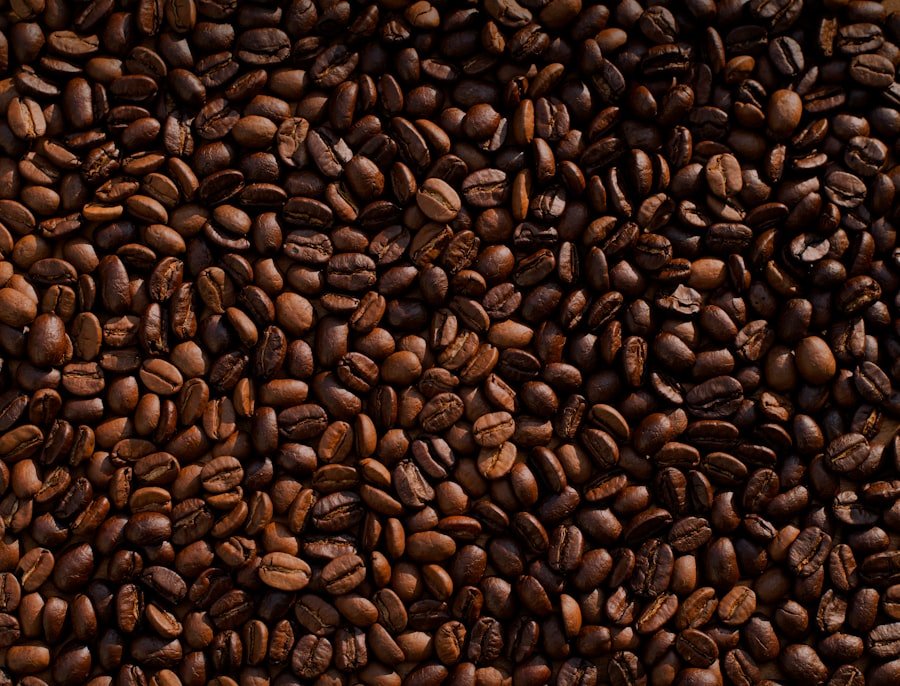
Coffee tasting becomes easier when you compare two or more coffees rather than trying to identify flavors from one cup in isolation. Professional-style cupping uses a standardized approach, but you can learn plenty simply by tasting coffees side by side and describing what changes.
Prufrock and other London coffee educators run tasting sessions where participants compare coffees from different origins, processing methods, and roast levels. The goal is not to guess a hidden flavor correctly. It is to build a useful vocabulary for what you smell and taste.
What should you look for when tasting coffee?
- Smell the coffee first. Notice whether the aroma seems fruity, floral, nutty, chocolate-like, spicy, or roasted.
- Take a small sip. Let the coffee spread across your tongue rather than swallowing immediately.
- Notice acidity. Ask whether the brightness feels gentle, juicy, sharp, or almost absent.
- Consider sweetness. Look for impressions such as fruit, caramel, honey, or chocolate rather than literal added sugar.
- Think about body. Compare how light, silky, creamy, or heavy the drink feels.
- Notice the finish. Pay attention to which flavors remain after swallowing and whether they change as the coffee cools.
The Specialty Coffee Association’s Coffee Taster’s Flavor Wheel guidance can help you move from broad descriptions such as “fruity” toward more specific sensory terms. You do not need professional training to use it as a vocabulary aid.
Pro Tip: Let filter coffee cool for several minutes before deciding what you taste. Some sweetness, acidity, and aroma become easier to distinguish as the drink moves away from serving temperature.
London’s Most Instagrammable Coffee Shops
For visually distinctive cafés, London offers everything from restored Victorian fittings to floral interiors and minimalist Japanese-French design. The strongest choice depends on whether you prefer historic detail, bright decorative spaces, or restrained contemporary interiors.
Attendant, Fitzrovia
Attendant has one of the city’s most unusual café interiors because the space was converted from a Victorian public toilet. Original tilework and porcelain fittings remain part of the design, creating a setting that looks unlike a conventional coffee shop.
EL&N London
EL&N is known for highly styled interiors with flowers, foliage, and decorative details. It has several London locations, including central-London branches, and combines coffee with desserts and all-day food.
The Good Life Eatery
The Good Life Eatery combines café dining with clean, bright interiors. Its London locations include Chelsea, St John’s Wood, and Marylebone Lane, making it easy to combine with shopping or sightseeing in west and central London.
Café Kitsuné
Café Kitsuné mixes Japanese and French influences in both its branding and café style. Its compact London setting works particularly well if you prefer minimalist design over heavily decorated interiors.
Where to Find the Best Coffee in London by Neighborhood
If you would rather build a coffee crawl than travel to one famous café, choose a neighborhood with several strong options within walking or short transit distance. Soho and Fitzrovia are easiest for central sightseeing, while Hackney and Shoreditch give you deeper access to London’s specialty-roasting culture.
Covent Garden and Soho
Start at Monmouth Coffee Company in Covent Garden, then walk toward Soho for Flat White on Berwick Street. Coffee Island provides another central option near Upper St Martin’s Lane, particularly if you also want to shop for beans.
Fitzrovia and Clerkenwell
Fitzrovia gives you Attendant and Lantana, while Prufrock on Leather Lane sits farther east toward Clerkenwell and Farringdon. This is a useful route if you want to compare a visually unusual café, an Australian-style all-day venue, and a coffee-focused specialty shop in one outing.
Hackney and Shoreditch
East London is one of the strongest areas for people interested in roasting as well as café service. Climpson & Sons anchors Broadway Market, while Ozone and Origin give you additional options around Shoreditch and nearby neighborhoods.
Bermondsey, London Bridge, and Brixton
South of the Thames, Monmouth has a Bermondsey shop and Lantana operates in London Bridge. Brixton Village offers a different kind of experience: a busy covered-market setting with independent food, drink, and café businesses rather than a single destination roaster.
The most useful way to explore is to pick two or three cafés with different strengths. Order espresso at one, filter at another, and a milk drink at the third. You will learn more from that comparison than from ordering the same drink at every stop.
Frequently Asked Questions
What are some popular coffee shops in London?
Popular specialty-coffee options include Monmouth Coffee Company, Workshop Coffee, Prufrock Coffee, Ozone Coffee, Climpson & Sons, and Origin Coffee. They cover several styles, from compact espresso bars to full cafés, roaster-linked venues, and coffee-training spaces.
What types of coffee can I find in London?
London cafés serve espresso, cappuccino, latte, flat white, macchiato, cold brew, batch brew, and hand-brewed filter coffee. Specialty shops may also offer several beans at once, letting you compare different origins, processing methods, or roast profiles.
Are there specialty coffee shops in London?
Yes. London has a large specialty-coffee scene built around traceable beans, skilled espresso preparation, filter brewing, roasting, and coffee education. Monmouth, Workshop, Prufrock, Climpson & Sons, Ozone, and Origin are useful starting points.
What London areas are good for coffee lovers?
Soho, Covent Garden, Fitzrovia, Clerkenwell, Shoreditch, Hackney, Bermondsey, and London Bridge all have worthwhile coffee options. Central areas are easiest for sightseeing, while East London is especially useful for visitors interested in independent roasters and specialty-coffee culture.
When is the next London Coffee Festival?
The next announced London Coffee Festival is May 13–16, 2027 at The Truman Brewery on Brick Lane. Thursday and Friday are scheduled as industry days, followed by public sessions over the weekend.
Where can I try a coffee tasting in London?
Workshop’s Belgravia academy and the Prufrock training program are two established options for guided coffee education. Sessions can cover cupping, sensory skills, brewing, espresso, and other techniques, depending on the class or event.
Which London coffee shop should a first-time visitor choose?
Monmouth is a convenient first choice for visitors already exploring Covent Garden or Borough Market, while Prufrock suits people who want a more coffee-focused tasting experience. Workshop is particularly useful if you also want to learn through a class or organized tasting.
If you enjoy exploring unusual food as well as coffee, you can also read our guide to exploring Asian melon.
Sources
- Monmouth Coffee Company: current London shop locations, hours, and takeaway information.
- Workshop Coffee: Belgravia café, academy, location, and opening hours.
- Prufrock Coffee: current Leather Lane café information, hours, coffee, and food.
- Climpson & Sons: Broadway Market café location and current hours.
- Ozone Coffee: London locations, café formats, and coffee program.
- Origin Coffee: current London café locations.
- The London Coffee Festival: May 13–16, 2027 dates, venue, and event format.
- Specialty Coffee Association: guidance on using the Coffee Taster’s Flavor Wheel.