Halal afternoon tea in London is easy to find if you know which venues clearly publish halal options and how much notice they need. The key is to distinguish a halal menu from a fully halal venue: many luxury hotels serve alcohol and use shared kitchens even when your food is prepared as halal. This guide focuses on current, documented options and the questions worth asking before you book.
Quick Answer
For halal afternoon tea in London, start with Kimpton Fitzroy, The Landmark London, or The Rubens at the Palace. All currently publish halal availability, while notice requirements vary by venue. The Savoy can also accommodate halal dietary needs, and Golden Tours offers a sightseeing bus tea with a halal option when requested ahead.
Last checked: October 1, 2026. Dates and figures were verified against official sources.
Key Takeaways
- A halal afternoon tea menu does not necessarily mean the entire hotel, restaurant, or kitchen is halal.
- Some venues need advance notice: The Rubens requests 24 hours, while The Landmark asks for 48 hours.
- Ask about halal meat, alcohol in desserts, gelatine, and shared preparation areas if these details matter to you.
- A traditional tea normally includes savoury sandwiches, scones with cream and preserves, pastries, cakes, and a choice of tea.
- Prices and seasonal menus can change, so confirm the final price and dietary request when you reserve.
Best Halal Afternoon Tea London Options to Book
Several London hotels and experiences now publish clear halal options or say they can accommodate halal dietary requirements. The strongest choices are those that explain their policy directly rather than leaving you to assume that vegetarian food or meat-free sandwiches are automatically suitable.
| Venue | Published price | Halal arrangement | Good to know |
|---|---|---|---|
| Kimpton Fitzroy London | From £75 per adult | Halal menu published as available | Thursday-Sunday, 1pm-5pm |
| The Landmark London | £79 | Halal requests accepted with 48 hours’ notice | Smart casual; afternoon service daily |
| The Rubens at the Palace | £87 for Halal Sparkling Afternoon Tea | Dedicated halal menu; 24 hours’ notice requested | Near Buckingham Palace |
| The Savoy | From £90 | Hotel says dining teams can accommodate halal dietary requirements | Tell the team when booking |
| Golden Tours Afternoon Tea Bus | From £49 per adult | Halal option with at least 24 hours’ notice | About 90 minutes with central London sightseeing |
Kimpton Fitzroy London
Kimpton Fitzroy London’s current afternoon tea page specifically says halal menus are available. Afternoon tea is served at Fitz’s Brasserie from Thursday to Sunday, 1pm to 5pm, with published prices starting at £75 per adult and £35 per child.
The standard experience includes finger sandwiches, buttermilk scones, pastries, cakes, and a choice of tea. The hotel also offers Champagne and cocktails, so the presence of a halal menu should not be read as meaning the whole venue is alcohol-free.
The Landmark London
The Landmark London’s official afternoon tea information explicitly lists halal requests among the dietary options it can accommodate with 48 hours’ notice. The standard afternoon tea is currently £79 per person.
Service runs from 2:30pm to 5pm Monday to Friday and from 1pm to 5pm at weekends. The setting beneath the Winter Garden’s high palms makes this a strong choice if you want a traditional luxury-hotel atmosphere in Marylebone.
The Rubens at the Palace
The Rubens publishes one of the clearest halal offerings in central London. Its 2026 afternoon tea menu lists a Halal Sparkling Afternoon Tea at £87 and says halal dietary options require 24 hours’ notice.
The halal menu follows the familiar afternoon tea format with savouries, plain and fruit scones, cream and preserves, and individual pastries. Because the hotel also serves Champagne and cocktails, tell the team if you specifically want an alcohol-free table experience as well as halal food.
The Savoy
The Savoy is a classic choice if you want a formal hotel tea on the Strand. Its official dining FAQ says afternoon tea starts from £90 and addresses halal options under its dietary-requirements guidance.
The hotel recommends booking afternoon tea early because demand is high. For a halal booking, state the requirement when reserving instead of waiting until you are seated, then ask the team to confirm how the menu will be adapted.
Golden Tours Afternoon Tea Bus
If you want tea and sightseeing together, the London afternoon tea bus experience listed by Visit London offers a halal option when requested at least 24 hours before travel. Adult tickets currently start at £49 for lower-deck seating.
The journey lasts about 90 minutes and includes central London sightseeing while afternoon tea is served on board. It is less formal than a luxury hotel and can suit visitors who want to combine two London experiences in one booking.
Note: A venue offering a halal menu is not necessarily a fully halal establishment. Alcohol may be served elsewhere, pork may appear on other menus, and shared preparation areas may be used. If your requirements are strict, confirm these details directly before paying or travelling.
What Does Halal Afternoon Tea Actually Mean?
Halal afternoon tea adapts the traditional British tea service so the food you are served meets halal dietary requirements. In practice, that normally means no pork or alcohol-containing food and halal-compliant meat where meat is used.
The exact level of assurance varies between venues. One hotel may provide a dedicated halal menu, while another may simply replace a meat sandwich after receiving your dietary request.
Before booking, ask four clear questions:
- Is every meat item on my afternoon tea menu halal?
- Do any cakes, mousses, chocolates, sauces, or flavourings contain alcohol?
- Is animal gelatine used in any pastries, marshmallows, jellies, or glazes?
- Are halal items prepared with shared equipment or in the same kitchen as non-halal food?
This matters because the word “halal” can describe the food you receive without describing the entire venue. A hotel can offer a suitable halal menu while still operating bars, serving Champagne, and preparing other dishes that are not halal.
The History of Afternoon Tea in the UK
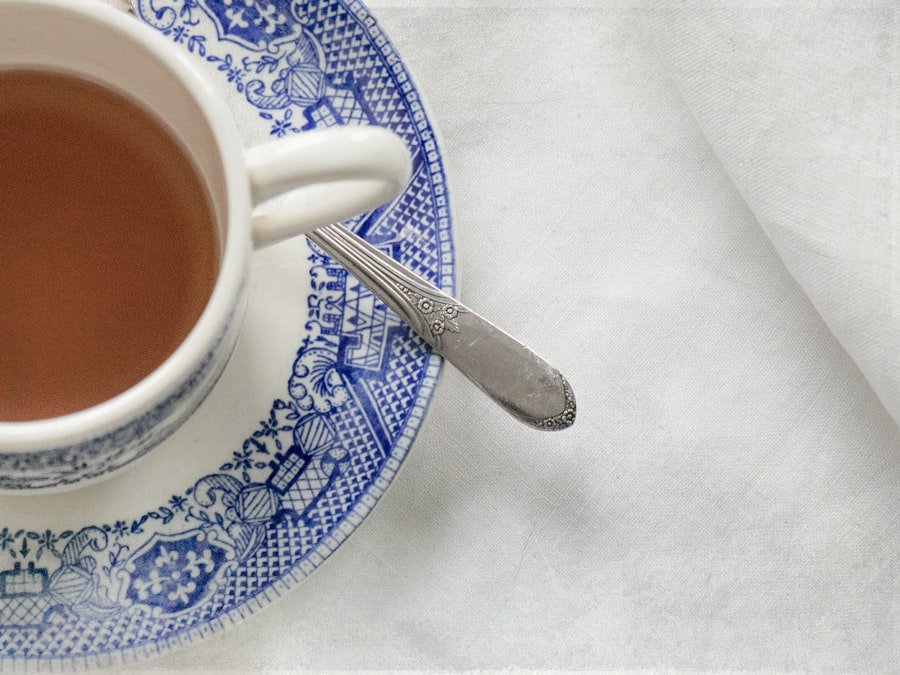
The familiar British afternoon tea tradition developed during the 19th century. The popular account credits Anna Maria Russell, the seventh Duchess of Bedford, with making a late-afternoon serving of tea and light food fashionable around the 1840s.
The British Museum’s history of Victorian afternoon tea explains that the Duchess wanted something between lunch and increasingly late evening dinners. Tea, bread and butter, and cake gradually became a social occasion rather than simply a snack.
By the Victorian period, afternoon tea was strongly associated with fashionable social life. Hotels and public tea rooms later helped move the custom beyond private drawing rooms and made it available to a much wider audience.
The Langham London says it began serving afternoon tea when the hotel opened in 1865. Its Palm Court still presents the experience as part of the hotel’s culinary history, although its current published dietary alternatives should be checked separately if you specifically need halal food.
What to Expect at a Halal Afternoon Tea
A halal afternoon tea usually keeps the same structure as a traditional British tea. You can expect small savoury items, warm scones, individual cakes or pastries, and a pot of tea chosen from several blends.
Finger sandwiches may include halal chicken, smoked salmon, egg mayonnaise, cucumber, cheese, or other vegetarian fillings. Menus change with the season, so the exact fillings are not fixed.
Scones are generally served with clotted cream and jam or another preserve. Some venues offer both plain and fruit scones, while more elaborate teas may add flavoured versions.
The sweet course can include macarons, choux pastries, tarts, mousse cakes, loaf cakes, or chocolate desserts. This is the part of the menu where it is particularly useful to ask about alcohol-based flavourings and animal gelatine.
Tea choices often range from familiar blends such as English Breakfast and Earl Grey to green, white, oolong, herbal, and fruit infusions. Luxury hotels may offer a much longer tea list or charge supplements for rare teas.
How to Book Halal Afternoon Tea in London
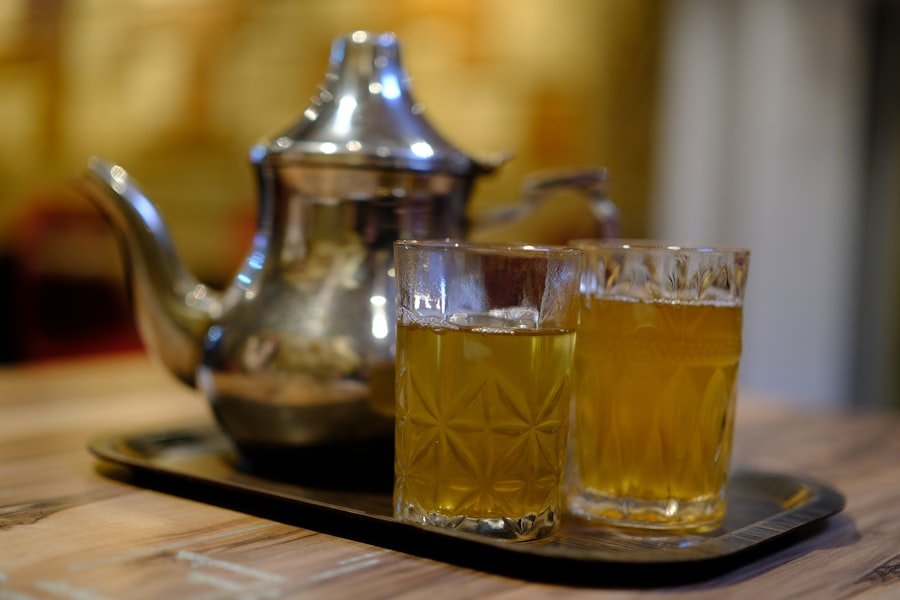
Book the halal option at the same time as you reserve your table. Do not assume that a venue can convert a standard afternoon tea after you arrive, because halal meat or specially prepared pastries may need to be ordered in advance.
- Choose a venue that explicitly mentions halal food. This gives you a clearer starting point than relying on an old review or social-media post.
- Read the notice requirement. Some venues request 24 hours, while others require 48 hours or more.
- State every dietary need. Halal, nut-free, gluten-free, dairy-free, and other requirements should be mentioned separately.
- Ask what “halal” covers. Confirm the meat, desserts, gelatine, alcohol-containing ingredients, and any concerns you have about shared preparation.
- Confirm the final price. Seasonal menus, Champagne upgrades, service charges, children’s prices, and special-event teas can differ from the standard rate.
Pro Tip: Keep the booking email or message that confirms your halal request. It gives both you and the restaurant staff a clear reference if the menu has several dietary versions on the day.
Halal Afternoon Tea Etiquette
Afternoon tea etiquette is more relaxed than many first-time visitors expect. The most useful rule is simply to eat neatly, follow the pace of your table, and treat the experience as a leisurely meal rather than a race through the cake stand.
Finger sandwiches are small enough to eat by hand. Scones are normally divided into manageable pieces before you add cream and preserve, while delicate pastries can be eaten with your fingers or a small fork depending on their texture.
There is no need to worry about performing a complicated tea ceremony. Pour carefully, avoid overfilling the cup, and place your spoon on the saucer after stirring.
Dress codes matter more at some luxury hotels than at casual tea rooms. The Landmark, for example, currently states smart casual, while The Savoy asks guests to dress in a way that suits the elegance of the occasion.
Why Halal Afternoon Tea Is Becoming Easier to Find in London
Halal afternoon tea has become easier to find because more London hotels and visitor experiences now publish dietary alternatives as part of their normal booking information. That is a practical improvement for Muslim diners, who no longer have to rely entirely on informal recommendations.
The formats have also widened. You can choose a classic hotel lounge, a palace-area tea, a formal historic hotel, or even a sightseeing bus. Vegetarian, vegan, gluten-free, children’s, and halal menus are often handled alongside each other.
However, published dietary options can change when chefs, suppliers, or seasonal menus change. For that reason, the safest approach is to use current official information and reconfirm the halal request for the specific date of your reservation.
If you enjoy exploring unusual ingredients and food traditions, you may also like Exploring the Delightful World of Asian Melon.
Frequently Asked Questions
What is halal afternoon tea?
Halal afternoon tea is a traditional afternoon tea adapted to meet halal dietary requirements. It normally avoids pork and alcohol-containing food and uses halal-compliant meat where meat is served. The whole hotel or restaurant may still serve alcohol or non-halal dishes elsewhere.
What is normally served at a halal afternoon tea?
A halal afternoon tea normally includes finger sandwiches or other savouries, freshly baked scones with clotted cream and preserves, small cakes or pastries, and a choice of tea. Meat fillings are adapted for halal diners, and desserts should be checked for alcohol or animal gelatine.
Which London venues offer halal afternoon tea?
Current documented options include Kimpton Fitzroy London, The Landmark London, The Rubens at the Palace, The Savoy, and the Golden Tours afternoon tea bus. Their policies are not identical, so compare the menu, price, booking notice, and level of halal accommodation before choosing.
How can I check if an afternoon tea is genuinely suitable for me?
Ask the venue exactly what its halal option covers. Confirm whether every meat item is halal, whether desserts contain alcohol or animal gelatine, and whether shared kitchen equipment is used. If certification matters to you, ask which supplier or certification the venue relies on.
Can I request halal afternoon tea at any traditional venue?
You can ask, but you should not assume every venue can provide it. Some hotels have dedicated halal menus, some can make substitutions with advance notice, and others may not be able to meet your requirements. Confirm the request before booking whenever possible.
How far in advance should I request halal afternoon tea?
The notice period depends on the venue. The Rubens currently requests 24 hours for halal dietary options, while The Landmark asks for 48 hours. Other venues may use different rules, so state the requirement when you make the reservation rather than waiting until arrival.
Is a vegetarian afternoon tea automatically halal?
No. A vegetarian menu removes meat, but it does not automatically confirm every ingredient as halal. Cakes, mousses, chocolates, jellies, or flavourings may contain alcohol or animal-derived ingredients, so diners with strict requirements should still ask the venue to confirm the full menu.
Do places serving halal afternoon tea also serve alcohol?
Many do. Luxury hotels commonly offer Champagne, wine, or cocktails alongside afternoon tea even when a separate halal menu is available. If avoiding alcohol in the wider dining environment matters to you, ask about the venue and drink service before making your reservation.
Sources
- Kimpton Fitzroy London: Halal-menu availability, service days and times, and published prices.
- The Landmark London: Afternoon tea price, hours, dress code, and 48-hour notice for halal requests.
- The Rubens at the Palace 2026 Afternoon Tea Menu: Halal Sparkling Afternoon Tea price and 24-hour dietary notice.
- The Savoy FAQs: Starting afternoon tea price, booking advice, dress guidance, and dietary accommodation.
- Visit London: Golden Tours bus prices, duration, departure details, and halal request requirement.
- British Museum: History of Victorian afternoon tea and Anna Maria Russell, Duchess of Bedford.
- The Langham London: Palm Court’s afternoon tea history and the hotel’s 1865 tradition.