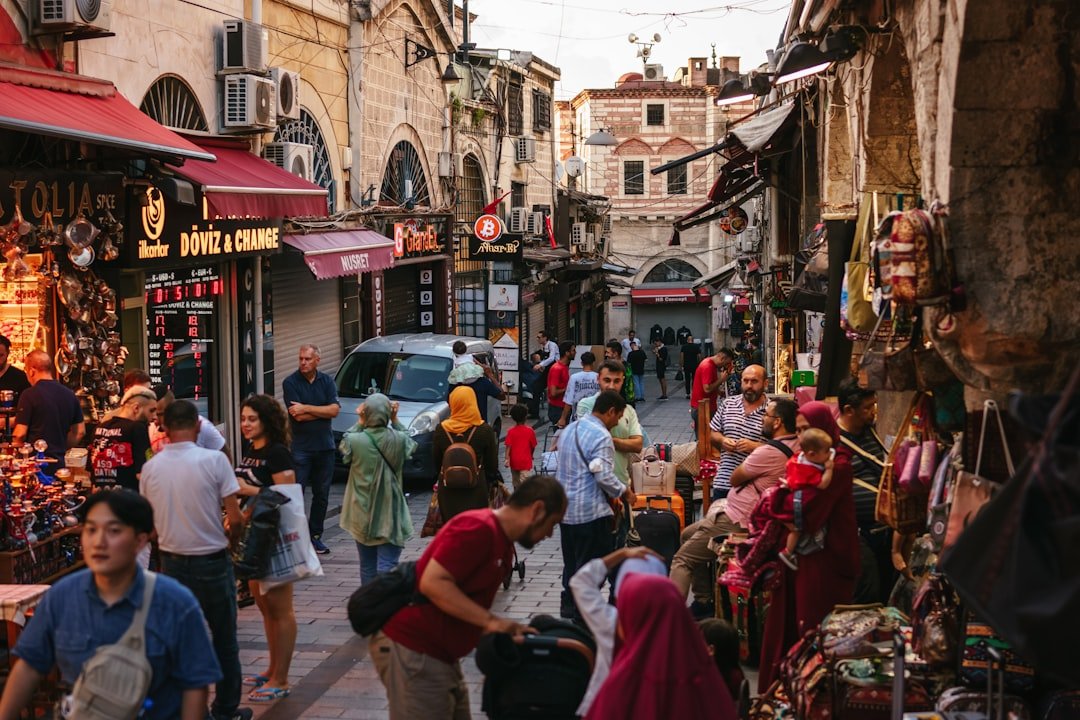
A useful Grand Bazaar Istanbul shopping guide should help you arrive at the right time, keep your bearings, and buy without rushing. Kapalıçarşı is a working historic market rather than a fixed-price mall, with covered lanes selling jewelry, carpets, ceramics, textiles, leather goods, souvenirs, food, and much more. Use this guide to plan your route, compare quality, bargain comfortably, and handle expensive purchases more carefully.
Quick Answer
Visit the Grand Bazaar Monday through Saturday between 08:30 and 19:00; it is closed on Sundays and religious holidays. Use the T1 tram to Beyazıt-Kapalıçarşı, compare several sellers before buying, and bargain politely on flexible-price goods. For antiques or high-value jewelry, insist on clear paperwork before paying.
Last checked: October 1, 2026. Dates and figures were verified against official sources.
Key Takeaways
- Official descriptions count the bazaar differently, so online figures for its streets and shops do not always match.
- Beyazıt and Nuruosmaniye are useful anchor points; note your entrance and nearby street before you start browsing.
- There is no single bargaining percentage that works for every product. Compare quality first, then negotiate.
- Karaköy Güllüoğlu is in Karaköy, while Pandeli is inside the Spice Bazaar, not the Grand Bazaar.
- For expensive jewelry, carpets, or anything described as antique, get a detailed receipt and understand export rules before paying.
Grand Bazaar Istanbul Hours, History, and What to Expect
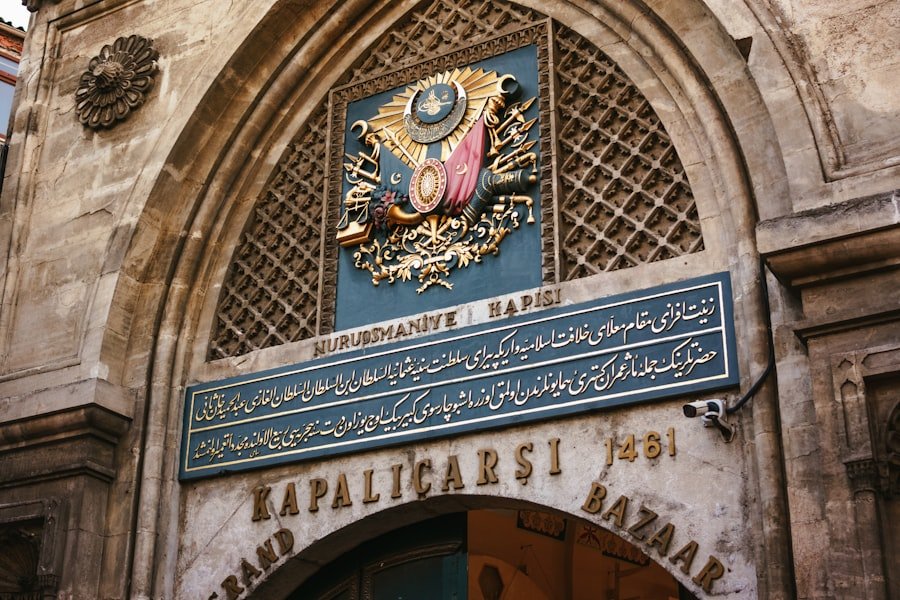
The Grand Bazaar is in Istanbul’s Fatih district, between the Beyazıt and Nuruosmaniye areas. The official Türkiye Culture Portal lists shopping hours as 08:30 to 19:00, Monday through Saturday, with the market closed on Sundays and religious holidays.
The bazaar developed around covered Ottoman commercial buildings established under Sultan Mehmed II in the 15th century. Over hundreds of years, shops, hans, streets, workshops, and trading areas grew around this historic core.
Do not be surprised if two reliable sources give different size figures. The Grand Bazaar traders’ association describes about 3,600 shops across 65 streets, while other official tourism material uses figures closer to 4,000 shops. Differences can result from how the wider commercial complex and surrounding areas are counted.
There is no general sightseeing ticket for the covered market. You can enter, walk through the streets, look at the architecture, and browse without making a purchase.
How to Navigate the Grand Bazaar Without Getting Lost
The easiest way to explore the Grand Bazaar is to use gates and major streets as landmarks instead of trying to memorize the entire maze. Decide where you want to enter and leave, then note the nearest gate and street before you start shopping.
- Choose your arrival point. Beyazıt is convenient for visitors arriving by tram, while Nuruosmaniye works well if you are approaching from the Sultanahmet side.
- Save the layout before entering. The bazaar association provides an official Grand Bazaar map showing the main streets and sections.
- Use a main street as your spine. Walk one of the larger covered routes first, then explore smaller side lanes.
- Record shops you may revisit. Note the street name, nearby landmark, or shop card instead of assuming you will recognize the route later.
- Plan your exit. If you have another Old City stop afterward, choose the gate that points you toward it rather than wandering until you find an exit.
Public transport is usually simpler than approaching the historic center by car. The official Metro Istanbul T1 Kabataş-Bağcılar line includes the Beyazıt-Kapalıçarşı stop.
Pro Tip: Before leaving a shop you may return to, photograph its business card or write down the street and nearest landmark. A memorable display is much harder to find again than you might expect.
Where to Shop Inside the Grand Bazaar
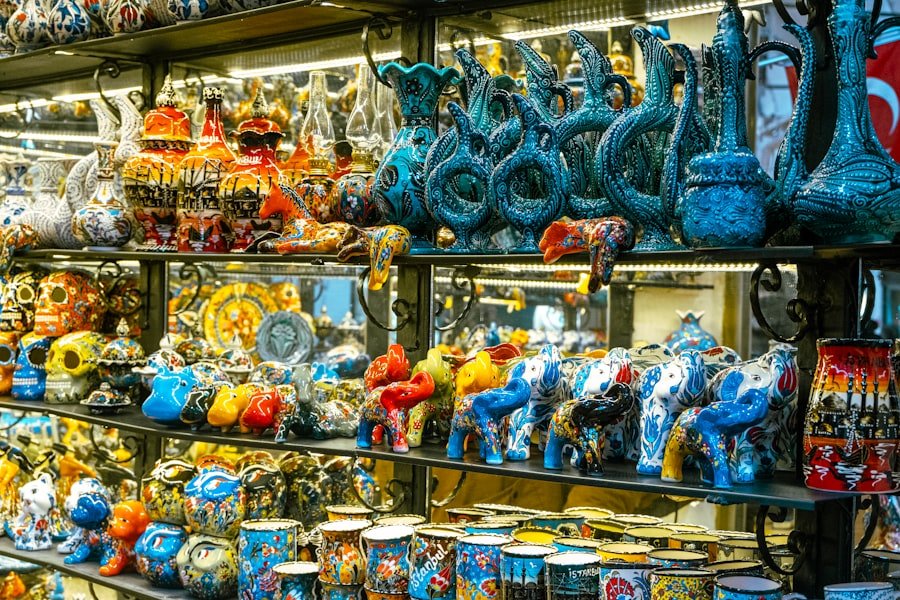
The Grand Bazaar is easier to shop when you choose a product category first. Jewelry, carpets, textiles, leather goods, ceramics, lamps, antiques, and souvenirs appear throughout the market, although some streets still have stronger concentrations of particular trades.
Use the Cevahir Bedesteni as a Historic Anchor
The Cevahir Bedesteni, also called the İç Bedesten or Old Bedesten, forms part of the historic core of the bazaar. Its heavier masonry and domed interior feel different from many of the surrounding shopping streets, making it both a useful landmark and an interesting stop even if you do not buy anything.
For jewelry, carpets, ceramics, or other expensive pieces, avoid choosing solely by the shopfront. Compare similar items in several places, ask exactly what the product is made from, and request written details for anything represented as precious metal, handmade, old, or collectible.
Check Named-Shop Locations Before Making a Special Trip
Older Grand Bazaar guides sometimes mix businesses inside the bazaar with famous shops elsewhere in central Istanbul. For example, the official Karaköy Güllüoğlu address is in Karaköy, Beyoğlu, not inside the Grand Bazaar.
The original guide also named Yastik, Sultanahmet Çini, and Saray Halı. Shop locations and tenants can change, so treat older named-shop recommendations as leads rather than fixed landmarks unless you confirm their current address before your visit.
The Best Souvenirs to Buy at the Grand Bazaar
Good Grand Bazaar souvenirs are items you can inspect, compare, pack safely, and understand before buying. Ceramics, textiles, nazar charms, tea sets, jewelry, rugs, and small decorative pieces are popular because they connect easily with Turkish craft and design traditions.
| Souvenir | Description | Price Range |
|---|---|---|
| Hand-painted ceramics | Colorful and intricately designed pottery | 20-100 USD |
| Spices | Aromatic and flavorful Turkish spices | 5-20 USD |
| Traditional Turkish tea sets | Elegant tea glasses and decorative tea trays | 30-150 USD |
| Handwoven carpets and rugs | Beautifully crafted textiles in various sizes | 200-2000 USD |
| Antique jewelry | Unique and ornate pieces with historical significance | 50-500 USD |
The price bands above are broad estimates retained from the original guide, not standardized or live bazaar prices. Size, materials, workmanship, seller, and exchange rates can produce much wider differences.
Ceramics
For painted bowls, plates, and tiles, inspect the actual piece you will take home. Look for cracks, chips, rough edges, uneven glazing, and careless paintwork. Ask whether the seller is describing the item as hand-painted, handmade, or simply decorated in a traditional style.
Nazar Charms
The blue-and-white nazar boncuğu, often called the Turkish evil eye, is sold as jewelry, keychains, wall decorations, and small gifts. It is compact, easy to pack, and available at many price points.
Textiles and Peştemals
Scarves, towels, cushion covers, and peştemals are easier to carry than fragile souvenirs. Check seams, loose threads, fiber labels, dye consistency, and whether the seller can clearly explain the material.
Carpets and Kilims
Large rugs deserve more time than small souvenirs. Ask about material, construction, origin, dimensions, shipping, and return terms. Turn the piece over so you can examine the reverse rather than judging only the finished surface.
Jewelry
For gold, silver, stones, or vintage-looking pieces, ask exactly what you are paying for. Confirm metal details, stone descriptions, weight where relevant, and obtain a detailed receipt for anything expensive.
Bargaining at the Grand Bazaar: How to Haggle Without the Stress
Bargaining is common in many independently priced Grand Bazaar shops, but it is not mandatory for every item. Treat it as a calm price discussion rather than a contest, and never assume that every first quote has the same markup.
- Inspect the product first. Ask about material, origin, size, and workmanship before talking seriously about price.
- Let the seller state the price. This gives you a starting point without committing yourself.
- Compare similar goods. A lower price means little if the material or workmanship is different.
- Make a counteroffer only if you are interested. Some shoppers open around half the first quote on flexible-price souvenirs, but this is not a universal Grand Bazaar rule.
- Move gradually. Stay friendly and let the seller decide whether to continue negotiating.
- Confirm the final currency and total. Make sure you both mean Turkish lira, euros, dollars, or another currency before payment.
- Walk away politely if the deal does not suit you. You do not owe a purchase because you talked, bargained, or accepted tea.
Fixed-price shops, inexpensive packaged goods, and products tied closely to material value may offer little room to negotiate. The strongest approach is to decide what the item is worth to you before the conversation becomes emotional.
How to Pay, Use Tax-Free Shopping, and Protect Expensive Purchases
Many Grand Bazaar businesses accept cards, especially for larger purchases, while cash can still be convenient for smaller transactions. Whatever the payment method, confirm the final amount and currency before authorizing the sale.
If you may qualify for a VAT refund, ask whether the seller participates in Türkiye’s tax-free system before you pay. According to the Turkish Ministry of Trade tax-free guidance, eligible purchases from authorized sellers must be taken out of Türkiye within three months, and travelers need to present the goods and required invoice documentation to customs.
For jewelry, rugs, or other expensive goods, keep the item description, receipt, shop details, payment record, and any authenticity or material documents together. If the seller arranges international shipping, get the shipping terms, insurance details, and item description in writing.
Warning: If something is described as a genuine antique, archaeological object, historic coin, or culturally important artifact, do not assume a sales receipt automatically makes export legal. Türkiye can restrict the export of objects with artistic, historical, or archaeological value under its export rules. Get appropriate documentation before attempting to take such an item abroad.
Where to Eat and Drink in and Around the Grand Bazaar
You do not need to leave the bazaar for every break. Small cafés, tea stops, and restaurants are mixed among the shopping streets, giving you a chance to rest before comparing more shops.
Havuzlu Restaurant is a long-running restaurant inside the Grand Bazaar on Gani Çelebi Sokak and serves Turkish dishes in a historic setting. A short coffee or tea break can also be useful simply because shopping decisions become harder once you are tired.
Two famous food businesses in older guides are often placed in the wrong market. Pandeli’s official address is inside the Spice Bazaar in Eminönü, not the Grand Bazaar. Karaköy Güllüoğlu is in Karaköy, so it is better treated as a separate Istanbul food stop.
Hafız Mustafa remains a well-known Istanbul sweets name, but you do not need to organize your Grand Bazaar route around one particular dessert shop. If your goal is simply a break, choose a convenient café and return to shopping once you feel rested.
Hidden Corners and Historic Details Worth Looking For
The Grand Bazaar becomes more interesting when you look beyond the brightest souvenir displays. Historic bedestens, side streets, hans, fountains, painted vaults, shop signs, and quieter courtyards reveal how the complex grew as a commercial district rather than as one planned modern building.
Cevahir Bedesteni
The İç Bedesten, or Cevahir Bedesteni, is one of the bazaar’s most important historic spaces. Even if you are not shopping for jewelry or old objects, it is worth entering to see how the older covered trading structure differs from the surrounding passages.
Hans and Side Passages
A han is a historic commercial building or courtyard traditionally used by merchants, workshops, and storage. Some Grand Bazaar hans are calmer than the busiest shopping arteries, making them useful places to slow down and look more closely at architecture and craft businesses.
Street Names
Many bazaar streets still carry names linked to trades that were historically practiced there. Even though the current mix of businesses is less rigid, the names offer clues to the commercial organization that developed over centuries.
The original guide identified Cevahir Bedesteni and Saray Halı among its lesser-known shopping stops. Because individual shop locations can change, use the bedesten itself as the reliable landmark and confirm current business addresses before making a special trip for a named retailer.
Beyond the Grand Bazaar: Other Istanbul Shopping Areas
The Grand Bazaar is only one part of Istanbul’s shopping scene. If you have more time, other districts provide very different experiences, from spice shopping and books to designer fashion and neighborhood food markets.
Spice Bazaar
The Spice Bazaar, or Mısır Çarşısı, near Eminönü is the natural companion to the Grand Bazaar. Its shops focus more strongly on spices, nuts, sweets, dried fruit, teas, and food gifts. Pandeli is also located inside this market.
Sahaflar Çarşısı
Near Beyazıt, Sahaflar Çarşısı is associated with booksellers and is a useful stop if you enjoy old books, prints, and the literary side of Istanbul’s historic commercial district.
Nişantaşı
Nişantaşı offers a more modern, upscale shopping experience, with fashion boutiques, international labels, cafés, and contemporary retail streets. It is a better fit if your priority is modern clothing and designer shopping rather than traditional bazaar goods.
Kadıköy Market
Kadıköy on the Asian side provides a more neighborhood-focused market experience. Food shops, produce sellers, delicatessens, bakeries, cafés, and everyday businesses make it useful for seeing another side of Istanbul retail life.
For another food-related read from the site, see the guide to exploring Asian melon.
Frequently Asked Questions
What is the Grand Bazaar in Istanbul?
The Grand Bazaar, or Kapalıçarşı, is a historic covered market in Istanbul’s Fatih district. It grew from Ottoman commercial buildings established under Mehmed II in the 15th century and now contains thousands of shops selling jewelry, carpets, textiles, ceramics, leather goods, souvenirs, food, and other items.
What can I buy at the Grand Bazaar?
You can buy jewelry, carpets and kilims, ceramics, textiles, leather goods, tea sets, lamps, nazar charms, souvenirs, sweets, and many other products. Quality varies widely, so compare similar items, ask what materials are used, and inspect the exact piece you will receive before paying.
Is it safe to shop at the Grand Bazaar?
The Grand Bazaar is generally straightforward to visit, but normal big-city precautions are sensible in crowded passages. Keep valuables secure, watch your bag, avoid carrying unnecessary amounts of cash, confirm prices and currencies before paying, and walk away from any sales situation that makes you uncomfortable.
What are the opening hours of the Grand Bazaar?
The official Türkiye Culture Portal lists Grand Bazaar shopping hours as 08:30 to 19:00 from Monday through Saturday. The bazaar is closed on Sundays and religious holidays. Individual businesses may stop serving customers earlier, so avoid leaving an important purchase until the final minutes of the day.
Are credit cards accepted at the Grand Bazaar?
Many Grand Bazaar shops accept credit or debit cards, especially for larger purchases, but carrying some Turkish lira is useful for small transactions. Before paying by card, confirm the final price, currency, and any conditions. Keep the receipt for expensive goods, particularly jewelry, rugs, or shipped purchases.
What is the best way to get to the Grand Bazaar?
The T1 Kabataş-Bağcılar tram is one of the simplest public-transport options for many visitors because it stops at Beyazıt-Kapalıçarşı. From there, you can approach the Beyazıt side of the market on foot. Nuruosmaniye is another useful entrance if you are walking from the Sultanahmet area.
Is the Grand Bazaar free to enter?
Yes, you do not need a general admission ticket to enter the Grand Bazaar’s covered shopping streets. You can walk through the market, look at the historic interiors, and browse without buying anything. Purchases, food, private tours, and other paid services are separate expenses.
How long should I spend at the Grand Bazaar?
A quick walk can cover the main atmosphere, but serious shopping takes longer because comparing shops and negotiating should not be rushed. If you plan to buy a carpet, jewelry, antiques, or another expensive item, allow extra time to inspect alternatives, discuss documentation, and think before paying.
Sources
- Türkiye Culture Portal: Grand Bazaar location, visiting hours, and closure days.
- Kapalı Çarşı Esnafları Derneği: Grand Bazaar history, streets, shops, hans, and historic structure.
- Kapalı Çarşı Official Map: Bazaar layout and navigation.
- Metro Istanbul: T1 tram route and Beyazıt-Kapalıçarşı station.
- Karaköy Güllüoğlu: Official shop location in Karaköy, Beyoğlu.
- Pandeli: Official restaurant location inside the Spice Bazaar.
- Republic of Türkiye Ministry of Trade: Tax-free shopping and customs guidance for travelers.
- Republic of Türkiye Ministry of Trade Export Regime: Export restrictions affecting goods of artistic, historical, or archaeological value.