Disclosure: As an Amazon Associate, we earn from qualifying purchases. If you click a link on this page and make a purchase, we may receive a small commission at no extra cost to you.
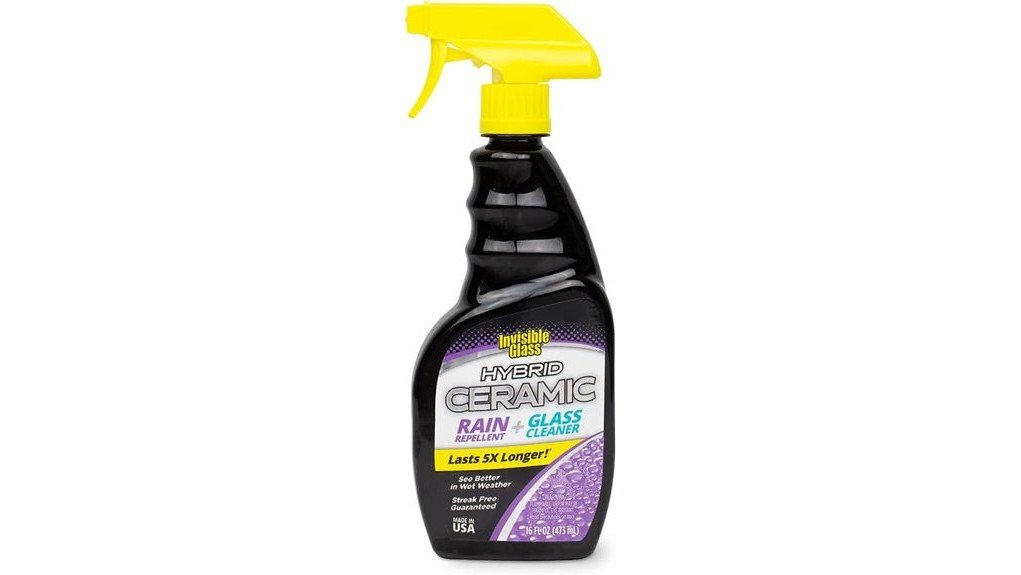
Rain, road spray, and light winter grime can quickly reduce what you see through a windshield. Invisible Glass 92183 Hybrid Ceramic Rain Repellent + Glass Cleaner is designed to clean exterior automotive glass and leave a water-repellent SiO2 coating in one application. This review explains how the spray works, how to apply it correctly, and where its limits matter. Its main strength is convenience, but it still requires careful buffing and regular reapplication.
Quick Verdict
Rating: 8/10, recommended with caveats
Best For: Drivers who want a simple spray that cleans exterior glass and adds rain repellency in one step.
Bottom Line: Invisible Glass 92183 is a practical choice for routine windshield care because it combines cleaning and water beading. The tradeoff is that the finish depends on good surface preparation, immediate buffing, and periodic reapplication.
| Specification | Detail |
|---|---|
| Brand | Invisible Glass |
| Model | 92183 |
| Product type | Hybrid ceramic rain repellent and glass cleaner |
| Form | Trigger spray |
| Bottle size | 16 fl oz |
| Technology | SiO2-based water-repellent coating with synthetic resins |
| Intended surface | Exterior automotive glass |
| Claimed durability | Up to four months per application |
| Weather benefit | Repels rain and helps reduce adhesion of sleet and snow |
| Application conditions | Shake well, use on a cool surface, and buff immediately |
What Is the Invisible Glass 92183?
Invisible Glass 92183 is a two-in-one exterior glass product. It removes normal film and light grime while leaving a hydrophobic layer that encourages rainwater to bead and move across the glass instead of spreading into a broad sheet.
The formula uses SiO2 technology and synthetic resins that bond to glass. The manufacturer says one application can last up to four months, although real durability will depend on weather, washing frequency, wiper use, and how well you prepare the surface.
Who Should Buy It?
Best For
- Drivers who want to clean and protect exterior glass in one routine.
- People who regularly drive in rain, road spray, sleet, or light snow.
- Car owners who prefer a spray-and-buff product over a multi-step coating kit.
Skip If
- You need a treatment for plastic windscreens, interior tint film, or other non-glass surfaces.
- You want a professional coating with longer service life and do not mind extra preparation.
- You are unlikely to buff the glass carefully or reapply the product when water beading weakens.
Before You Buy: This product is intended for exterior glass. Do not assume it is suitable for interior tint film, plastic windows, instrument screens, or coated mirrors. Check the product label and the surface maker’s guidance before applying it anywhere other than standard exterior automotive glass.
Cleaning and Water Repellency
The main buying advantage is the combined cleaner-and-repellent design. Instead of cleaning the windshield with one product and adding a separate rain treatment, you can handle both jobs with the same spray. That saves time during routine maintenance and reduces the number of bottles you need to keep in the garage.
The hydrophobic coating helps rain form beads rather than cling as a flat layer. This can improve visibility in wet weather, especially once airflow begins moving water across the windshield. It does not remove the need for working wipers, washer fluid, or safe following distance.
SiO2 Coating and Durability
Invisible Glass says the synthetic resins bond to glass and create a water-repellent coating that lasts up to four months per application. Treat that figure as a maximum rather than a fixed replacement schedule. Frequent car washes, heavy wiper use, harsh weather, and abrasive cleaning can shorten the useful life.
A simple way to judge performance is to watch how water behaves. When droplets stop forming tight beads or begin spreading across the glass, clean the surface and reapply according to the label.
Pro Tip: Inspect the windshield from the driver’s seat after buffing. Low-angle light often reveals haze that is hard to see while standing outside the car. Use a clean, dry microfiber towel for the final pass.
Wet-Weather Visibility and Safety
The manufacturer states that the treatment improves wet-weather visibility and can improve driver response time by 25 percent. That is a manufacturer performance claim, not a reason to drive faster or rely on the coating during severe weather.
The product also helps reduce adhesion of sleet and snow. It may make exterior glass easier to clear, but it is not a deicer and should not replace proper defrosting, scraping, washer fluid, or winter-safe driving habits.
How to Apply It Correctly
- Choose the right conditions: Park in shade and let the glass cool. Do not apply the product to hot glass.
- Prepare the surface: Remove heavy dirt, bugs, mineral deposits, or old residue before treatment. A cleaner surface gives the coating a better chance to spread evenly.
- Shake the bottle: Mix the formula before spraying.
- Apply a light, even amount: Spray onto the glass or a clean cloth. Avoid soaking the surface.
- Buff immediately: Wipe until the glass has a uniform shine and no visible film.
- Check your work: Look through the windshield from several angles before driving, especially at night.
The manufacturer also says the spray can be used as a drying aid by applying it to a drying towel before the final buff. Follow the label instructions and avoid mixing it with other coatings during the same application unless the manufacturers confirm compatibility.
Common Application Mistakes
Using too much product is one of the easiest ways to create extra buffing work. A heavy application can leave visible film until you remove the excess. A dirty or damp towel can also spread residue instead of lifting it.
Applying the product to warm glass can cause uneven drying. Another common mistake is treating the coating as a substitute for regular glass care. Clean wiper blades, suitable washer fluid, and an unobstructed defroster remain important.
How It Performs in Real Use
For Daily Commuting
For normal commuting, the two-in-one formula is convenient because you can refresh the windshield while cleaning it. The main benefit is easier water beading during rain without adding a separate coating step.
For Highway Driving
Airflow at road speed can help move beaded water across treated glass. Performance will still vary with rain intensity, vehicle shape, speed, and coating condition, so keep your wipers ready and use them whenever visibility requires it.
For Winter Weather
The coating is designed to reduce the adhesion of sleet and snow. It may make cleanup easier, but frozen buildup still needs proper defrosting and safe removal. Never pour hot water onto cold automotive glass.
For Long-Term Maintenance
Check the water behavior after washing the car and after periods of heavy wiper use. Reapply when repellency falls off rather than relying only on the four-month maximum claim.
Compatibility and Safety
Use Invisible Glass 92183 on cool exterior automotive glass as directed. Keep it away from interior tint film, clear plastics, navigation screens, instrument clusters, and specialty surface coatings unless compatibility is confirmed.
Work in a ventilated area, keep the container away from children, and follow all label warnings. If overspray reaches another surface, remove it according to the vehicle or surface manufacturer’s care instructions.
Pros and Cons
Pros
- Combines exterior glass cleaning and rain repellency in one product.
- Uses SiO2 technology to create a hydrophobic coating.
- Manufacturer claims up to four months of protection per application.
- Helps repel rain and reduce the adhesion of sleet and snow.
- Simple spray-and-buff process with no separate applicator required.
Cons
- Requires immediate, careful buffing to avoid visible film or haze.
- Durability can vary with weather, washing, and wiper use.
- Not a universal treatment for plastic, interior tint film, or every coated surface.
Is It Worth the Price?
Invisible Glass 92183 sits in the practical mid-range of automotive glass care. It offers strong value for the price when you want one bottle to handle routine cleaning and water repellency rather than buying and applying two separate products.
It is less compelling if maximum coating life is your main goal. Buyers willing to spend more time on preparation may prefer a dedicated long-duration glass coating. For quick maintenance and seasonal rain protection, this spray is easier to fit into a normal wash routine.
How It Compares to Alternatives
Rain-X Original Glass Water Repellent is a dedicated water-repellent treatment, while Invisible Glass 92183 combines cleaning and repellency in one spray. Rain-X may make more sense if you already have a preferred glass cleaner and only need the repellent step.
Aquapel Glass Treatment and Gtechniq G1 ClearVision Smart Glass are better comparisons for buyers focused on a dedicated, longer-lasting treatment. Invisible Glass 92183 makes the most sense when convenience and one-step maintenance matter more than a multi-stage coating process.
Frequently Asked Questions
How long does Invisible Glass 92183 last?
The manufacturer says the coating can last up to four months per application. Weather, wiper use, washing frequency, and surface preparation can reduce that period, so reapply when water beading clearly weakens.
Does it replace windshield wipers?
No. The coating can help water bead and move, but you still need properly working wipers, washer fluid, defrosting, and safe driving habits in rain or snow.
Can I use it on tinted windows?
Use it only on exterior glass as directed. Do not apply it to interior tint film unless both the tint maker and product manufacturer confirm compatibility.
Why does the glass look hazy after application?
Haze usually means excess product remains or the glass was not buffed evenly. Use a clean, dry microfiber towel and continue buffing until the surface looks uniform from inside and outside the vehicle.
Should I clean the windshield first?
The product includes glass-cleaning action, but heavily contaminated glass may need extra preparation. Remove bugs, mineral deposits, old coating residue, and heavy road film before applying the final treatment.
Can I apply it in direct sunlight?
The manufacturer directs you to apply it to cool surfaces. Shade and cool glass give you more time to spread and buff the product before it dries unevenly.
Can I use it on home windows or plastic windscreens?
The verified directions focus on exterior automotive glass. Do not assume it is safe for architectural coatings, acrylic, polycarbonate, or other plastics. Use a product specifically approved for those surfaces.
How do I know when to reapply it?
Watch the water pattern on clean glass. When droplets spread instead of forming tight beads, or wet-weather visibility no longer improves as expected, clean the surface and reapply according to the label.
The Bottom Line
Invisible Glass 92183 is a good fit for drivers who want a convenient exterior glass cleaner and rain repellent in one bottle. Its SiO2 coating, simple spray application, and up-to-four-month durability claim make it useful for routine wet-weather preparation, but careful buffing and periodic reapplication are necessary. Skip it if you need a treatment for plastic, interior tint film, or a professional long-duration coating.