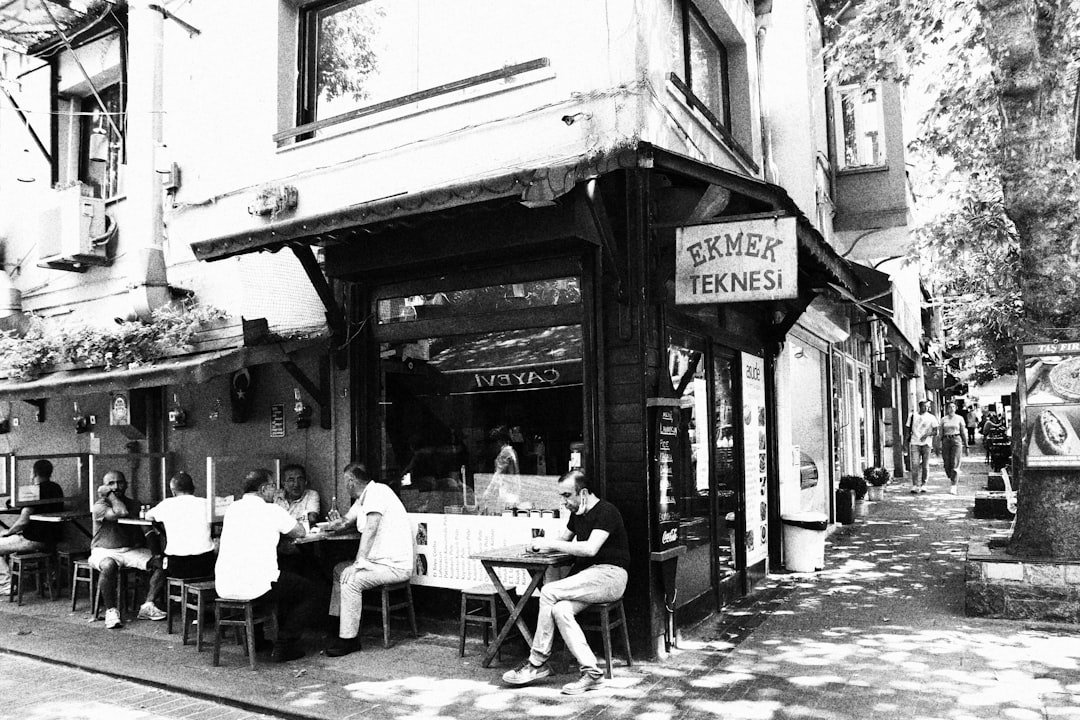
Istanbul coffee shops range from tiny Turkish coffee counters to modern roasters serving espresso, V60, and cold brew. If you want a balanced first taste of the city, start with Mandabatmaz for classic Turkish coffee, add Kronotrop or MOC for specialty coffee, and save Çengelköy Tarihi Çınaraltı for a Bosphorus-side break. This guide explains where to go, what to order, and how Istanbul’s coffee traditions fit together.
Quick Answer
For a first Istanbul coffee crawl, choose Mandabatmaz for dense, foamy Turkish coffee, Kronotrop for modern specialty brewing, and Çengelköy Tarihi Çınaraltı for a waterfront setting. Pelit suits coffee with pastries, while MOC is a strong stop for espresso-based drinks in Nişantaşı.
Last checked: October 1, 2026. Dates and figures were verified against official sources.
Key Takeaways
- Turkish coffee is defined mainly by its preparation: very finely ground coffee is brewed slowly in a cezve and served unfiltered.
- Istanbul’s specialty scene offers espresso and filter methods alongside the city’s older coffee-house tradition.
- Several older online guides misplace cafés or list businesses that have closed, so current location details matter when planning a coffee crawl.
- For atmosphere, choose by neighborhood: Beyoğlu for compact historic stops, Karaköy and Cihangir for specialty coffee, and Çengelköy for Bosphorus views.
5 Istanbul Coffee Shops Worth Putting on Your List
The most useful shortlist mixes traditional Turkish coffee, specialty coffee, pastries, and a scenic waterfront stop. These five places give you different reasons to visit rather than five versions of the same café experience.
1. Mandabatmaz: Classic Turkish Coffee in Beyoğlu
Go here for: a small, traditional coffee stop close to İstiklal Avenue. Mandabatmaz is in Asmalı Mescit, Beyoğlu, not beside Galata Tower or in Beşiktaş.
The café’s official history dates it to 1967. Its name refers to the famously thick foam: the idea is that even a buffalo would not sink into it. The shop remains compact, so this is better for a focused coffee break than a long laptop session.
2. Pelit: Coffee With Pastries and Desserts
Go here for: a café-patisserie experience rather than a coffee-only stop. Pelit has multiple Istanbul branches, so it works well when you want Turkish coffee or an espresso-based drink with cake, chocolate, or pastry.
Pelit’s official history says the business began in Tepebaşı in 1957, with its Osmanbey branch opening in 1967. Branch hours differ, so choose the location that fits the rest of your day rather than crossing the city just for one branch.
3. Kronotrop: Specialty Coffee With Several Istanbul Branches
Go here for: espresso, filter coffee, and a clearer look at Istanbul’s modern specialty scene. Kronotrop says it started in Galatasaray in 2012 and has since expanded well beyond its first shop.
The official store list currently shows branches including Cihangir, Karaköy Eatery, Moda, and others. As listed on October 1, 2026, Cihangir runs 07:00-23:30 and Karaköy Eatery 08:00-23:30, making either practical for a central-city coffee stop.
4. Çengelköy Tarihi Çınaraltı: Coffee by the Bosphorus
Go here for: the setting. Çengelköy Tarihi Çınaraltı is a waterfront tea garden in Üsküdar where Turkish coffee makes sense as part of a slow Bosphorus break rather than a specialty-coffee tasting.
Its official site says it is open 24/7, takes no reservations, and has no on-site parking. Outside food is allowed, but outside drinks are not. Those details make it especially easy to work into an Asian-side day without needing a formal booking.
5. MOC: Espresso-Focused Coffee in Nişantaşı
Go here for: an espresso-led specialty experience in Nişantaşı. The original article placed MOC in Karaköy, but the best-known MOC location is on Şakayık Sokak in the Nişantaşı/Teşvikiye area.
MOC became known for Australian-influenced espresso drinks, including flat whites, alongside filter methods. It suits travelers who want a modern café between shopping, galleries, and neighborhood walks rather than a traditional Turkish coffee ritual.
Turkish Coffee vs. Specialty Coffee in Istanbul
Turkish coffee and specialty coffee are not competing versions of the same drink. They use different brewing logic, produce different textures, and fit different moments in Istanbul’s café culture.
| Style | How It Is Brewed | Cup Character | Best When You Want |
|---|---|---|---|
| Turkish coffee | Finely ground coffee, water, and optional sugar brewed slowly in a cezve | Small, intense, foamy, with grounds settling in the cup | Tradition, conversation, and a slow finish |
| Specialty coffee | Espresso or filter methods such as V60, Aeropress, or cold brew | Cleaner or more varied flavor profiles depending on beans and method | Bean origin, brewing technique, or milk-based espresso drinks |
Traditional Turkish coffee keeps the grounds in the cup. Specialty methods usually separate the brewed drink from the grounds or use espresso extraction. That is why a cezve-made coffee can feel thicker and more concentrated, while a filter coffee can make acidity, sweetness, and origin characteristics easier to notice.
You do not need to choose one style for the whole trip. A useful plan is to try Turkish coffee in a historic or neighborhood setting, then compare it with a specialty pour-over or espresso elsewhere.
The Art of Turkish Coffee Making
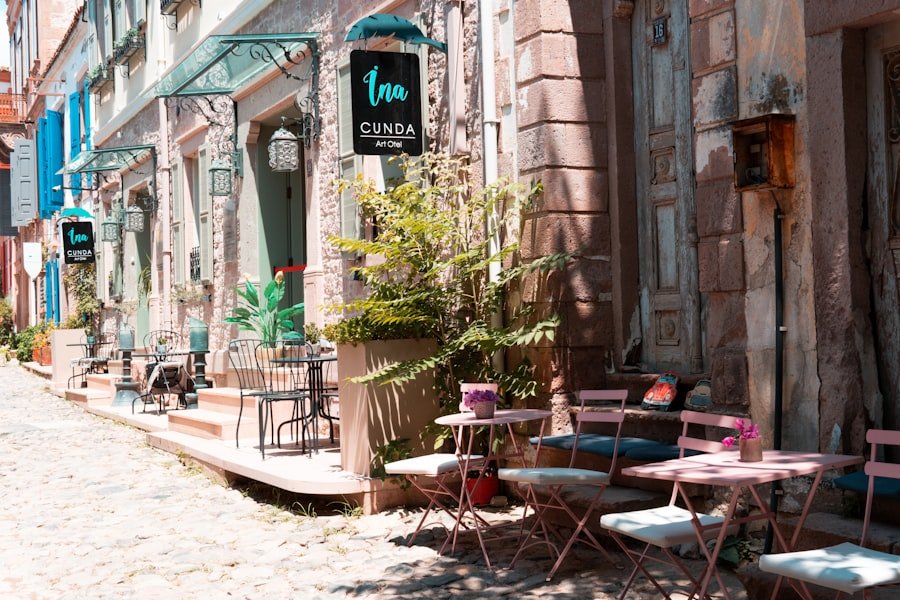
Turkish coffee is made by brewing very finely ground coffee directly with water in a cezve, a small long-handled pot. The grounds are not filtered out, so the finished cup is served carefully and the sediment is left at the bottom.
UNESCO describes the traditional method as combining finely ground coffee, cold water, and sugar if wanted, then heating the mixture slowly until foam rises. The coffee is poured into small cups and is commonly served with water; Turkish delight may accompany it.
- Measure cold water into the cezve for the number of cups you plan to serve.
- Add very finely ground coffee and sugar, if the drinker wants it sweetened.
- Heat the cezve slowly and watch the surface as foam develops.
- Remove it from the heat before it boils over, then pour carefully so the foam reaches the cup.
- Let the grounds settle before taking the final sips.
The goal is not to produce a clear filtered cup. The fine grounds, foam, small serving size, and unfiltered texture are all part of the style.
More Istanbul Coffee Shops by Neighborhood
If you are building a longer coffee route, location matters more than chasing one master list. Istanbul is large, and a café that is convenient in Beyoğlu may be a poor choice when your day is centered on Kadıköy or the Bosphorus.
| Coffee Shop Name | Location | Ambiance | Coffee Style | Useful Detail |
|---|---|---|---|---|
| Kronotrop Karaköy Eatery | Karaköy, Beyoğlu | Modern and central | Specialty espresso and filter | Official hours list 08:00-23:30 |
| Mandabatmaz | Asmalı Mescit, Beyoğlu | Tiny and traditional | Turkish coffee | Operating since 1967 |
| Norm Coffee | Cihangir, Beyoğlu | Relaxed neighborhood café | Espresso and filter coffee | Useful with a Cihangir walk |
| Petra Roasting Co. HQ | Gayrettepe, Beşiktaş | Roastery and café | Specialty coffee | Weekdays 08:00-20:00; weekends 10:30-19:00 |
Petra’s official café list currently includes Gayrettepe, Bebek, Şişhane, Topağacı, and Maslak. That makes it easier to choose a branch near your existing route instead of making a separate cross-city trip.
Some names in older Istanbul coffee guides need extra care. Cafe Privato is in Şahkulu near Galata, not Balat, and it is better known as a Turkish restaurant-café than as a dedicated specialty shop. Brew Coffee Works in Sirkeci is currently marked permanently closed in current business listings, so do not build your route around it.
Kahve Dünyası is a broad chain rather than an off-the-beaten-path café. Its official story says its first store opened in Eminönü in 2004. Sahrap Pera, meanwhile, is in Asmalı Mescit/Beyoğlu and is primarily a Turkish restaurant, not a dedicated coffee destination.
Istanbul’s Coffee-House History in Brief
Istanbul’s coffee culture is not a modern tourism trend. Coffeehouses became social spaces in the Ottoman period, bringing people together for conversation, news, reading, games, and public discussion.
UNESCO reports that the first coffeehouse in Istanbul opened in 1554. Turkish coffee culture and tradition were later inscribed on UNESCO’s Representative List of the Intangible Cultural Heritage of Humanity in 2013, recognizing both the preparation method and the social customs around the drink.
That history helps explain why coffee in Istanbul is often about more than flavor. The cup is tied to hospitality, engagement traditions, conversation, and even fortune reading from the grounds after the drink is finished.
How Istanbul Coffee Shops Reflect the City’s Culture
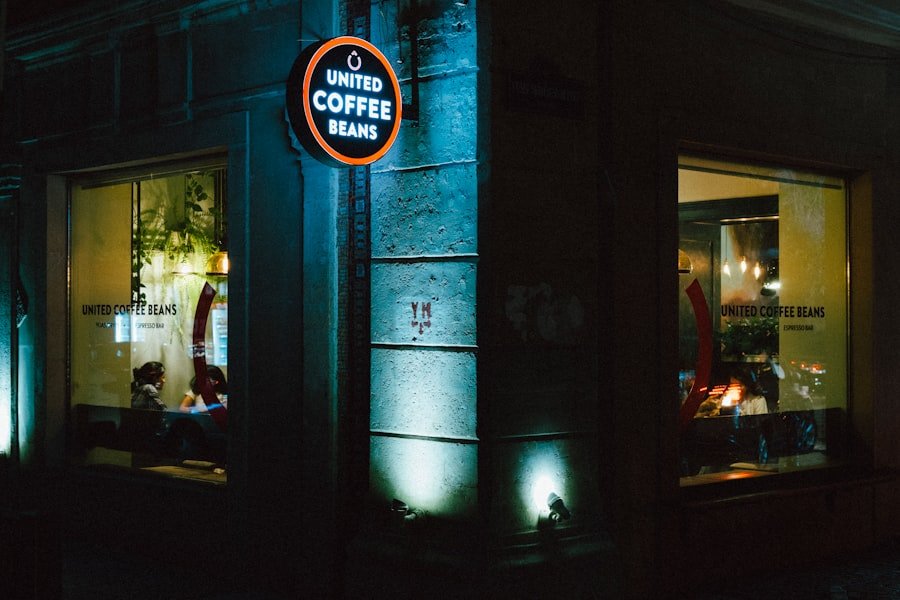
Istanbul coffee shops show two sides of the same city. Traditional cafés keep familiar rituals alive, while specialty roasters bring in newer equipment, lighter roasts, single-origin beans, and global brewing methods.
The overlap is what makes the scene interesting. A visitor can drink cezve-brewed coffee in Beyoğlu, cross to Kadıköy for a modern espresso bar, and finish with coffee beside the Bosphorus without leaving the city’s broader coffee culture.
Turkish coffee also remains a social drink. It is commonly associated with hospitality and long conversation, and the grounds left in the cup may be used for fortune reading. Specialty cafés add another layer by turning attention toward origin, roast profile, extraction, and brewing technique.
Tips for Enjoying Coffee in Istanbul
A good Istanbul coffee day is easier when you match the café to the experience you want. Use these tips to avoid spending more time in traffic than at the table.
- Order Turkish coffee by sweetness level. Sugar is normally added during brewing rather than stirred in afterward, so decide before the cezve goes on the heat.
- Let the grounds settle. Turkish coffee is unfiltered. Sip slowly near the end and leave the sediment in the cup.
- Pair the drink with something small. Water is a common companion, and Turkish delight or another sweet can balance the coffee’s intensity.
- Use neighborhoods to plan your route. Group Beyoğlu, Galata, Karaköy, and Cihangir stops together; save Kadıköy or Çengelköy for an Asian-side day.
- Try both traditions. Order one classic Turkish coffee and one specialty filter or espresso during your trip so you can compare texture, service style, and flavor directly.
Frequently Asked Questions
What are the different types of coffee shops in Istanbul?
Istanbul has traditional Turkish coffee houses, modern specialty cafés, pastry cafés, and large local or international chains. The best choice depends on whether you want a cultural ritual, carefully brewed specialty coffee, food and dessert, or simply a convenient place to sit.
What is the traditional Turkish coffee experience like?
Traditional Turkish coffee is served in a small cup after being brewed unfiltered in a cezve. It is intense, usually topped with foam, and often comes with water and sometimes a sweet such as Turkish delight.
What specialty coffee drinks can you find in Istanbul?
Specialty cafés in Istanbul commonly serve espresso drinks, flat whites, pour-over coffee, Aeropress, and cold brew. Menus vary by shop, but many roasters also offer rotating beans from different origins.
Are there coffee shops in Istanbul with a Bosphorus view?
Yes. Çengelköy Tarihi Çınaraltı is a practical Asian-side choice for coffee or tea beside the Bosphorus. Waterfront cafés also appear in neighborhoods such as Üsküdar, Ortaköy, Bebek, and Emirgan.
What are some popular coffee shop chains in Istanbul?
Kahve Dünyası, Mado, and Starbucks all have multiple Istanbul locations. Local specialty brands such as Kronotrop also operate several branches, so you can often find a familiar coffee style without crossing the city.
Do Istanbul coffee shops offer non-coffee drinks and food?
Yes. Many cafés serve tea, cold drinks, pastries, desserts, sandwiches, or breakfast items alongside coffee. The range depends on the venue, with pastry cafés and eatery-style branches usually offering more food than small coffee counters.
If you want a simple snack to make at home, the original article also points to this Tagline Today cottage cheese recipe.
Sources
- UNESCO: Turkish Coffee, Not Just a Drink but a Culture: Turkish coffee preparation, social customs, Istanbul coffee-house history, and the 2013 heritage inscription.
- Mandabatmaz official history: Founding year and Beyoğlu background.
- Pelit official history: 1957 founding and later branch development.
- Kronotrop official story: 2012 start in Galatasaray.
- Kronotrop official stores: Current Istanbul branches and listed opening hours.
- Çengelköy Tarihi Çınaraltı official site: Opening, reservation, parking, and outside-food policies.
- Petra Roasting Co. official site: Current café locations and listed hours.
- Kahve Dünyası official story: First store in Eminönü in 2004 and current brand footprint.
”’
print(“chars”, len(article_fixed), “words”, len(re.findall(r’\b\w+\b’, re.sub(‘<[^>]+>