Quick Answer
For a first shopping trip, pair the Grand Bazaar with the Spice Bazaar, then choose one modern district that matches your interests: Nişantaşı for luxury, İstiklal and Beyoğlu for variety, Kadıköy for a neighborhood feel, or Çukurcuma for antiques. Bargain selectively in bazaars, compare before buying, and treat mall and boutique prices as fixed.
Last checked: October 1, 2026. Dates and figures were verified against official sources.
Key Takeaways
- The Grand Bazaar is best for traditional crafts and high-consideration purchases; the Spice Bazaar is better for spices, tea, Turkish delight, nuts, and dried fruit.
- The Grand Bazaar is listed as closed on Sundays and religious holidays, while the Spice Bazaar association currently lists daily opening.
- Nişantaşı suits luxury fashion, İstiklal and Beyoğlu offer broad variety, and Çukurcuma is the stronger choice for antiques and vintage browsing.
- Bargaining belongs mainly in traditional bazaars and independent shops, not in malls, chains, or clearly fixed-price boutiques.
- For expensive or fragile items, compare several sellers and get the material, price, packing, shipping, and return terms in writing before paying.
Best Shopping Districts and Markets in Istanbul
The best shopping area depends on what you want to bring home. Istanbul’s historic bazaars are strongest for traditional goods and atmosphere, while Nişantaşı, İstiklal Avenue, Kadıköy, and modern malls cover fashion, everyday shopping, and contemporary Turkish brands.
The official GoTürkiye shopping guide for Istanbul highlights the Grand Bazaar for jewelry, leather, rugs, and crafts, the Spice Bazaar for food products, and districts such as Çukurcuma and Beyoğlu for antiques, boutiques, and city shopping.
| Area | Best for | What to know |
|---|---|---|
| Grand Bazaar, Beyazıt | Jewelry, rugs, leather, ceramics, textiles, traditional gifts | Large covered market; bargaining is common in many independent shops. |
| Spice Bazaar, Eminönü | Spices, tea, coffee, lokum, nuts, dried fruit | Smaller and easier to cover than the Grand Bazaar. |
| Arasta Bazaar, Sultanahmet | Carpets, textiles, glassware, ceramics, small gifts | A smaller bazaar behind the Blue Mosque, convenient for Old City sightseeing. |
| Nişantaşı | Luxury labels and Turkish fashion | Abdi İpekçi Street is the key shopping axis; store prices are generally fixed. |
| İstiklal Avenue and Beyoğlu | Fashion, books, passages, gifts, cafés | Good for mixed shopping without committing to one category. |
| Kadıköy | Independent shops, retro goods, books, food shopping | A strong Asian-side choice for a neighborhood shopping day. |
| Çukurcuma | Antiques, vintage furniture, decorative objects | Best for browsing slowly rather than completing a fixed shopping list. |
Grand Bazaar: best for traditional crafts and major purchases
The Grand Bazaar is the classic place to compare rugs, jewelry, leather, ceramics, textiles, lamps, and souvenir goods. Türkiye’s Culture Portal lists the bazaar at 45,000 square meters with 3,600 shops, and gives current visiting hours as 08:30–19:00 except Sundays and religious holidays.
Do not try to see every lane. Pick one or two categories, compare similar pieces, note the shops you liked, and return only after you understand the range of quality and asking prices.
Spice Bazaar: best for edible gifts
The Spice Bazaar in Eminönü is the practical choice for spices, tea, Turkish coffee, lokum, dried fruit, nuts, sweets, and other food gifts. The Spice Bazaar Tradesmen’s Association site currently lists 130 shops and working hours of 08:00–19:30, seven days a week.
Because many stalls sell overlapping products, compare freshness, packaging, weight, and ingredients rather than choosing only by the first quoted price. For food you plan to fly home with, sealed packaging is easier to manage than open or loosely wrapped goods.
Arasta Bazaar: a smaller Old City alternative
Arasta Bazaar sits behind the Blue Mosque and works well if the Grand Bazaar feels too large. GoTürkiye’s Arasta Bazaar guide highlights carpets, textiles, glassware, İznik-style ceramics, pestemal towels, soaps, jewelry, tea, and spices.
Its compact layout makes it easy to combine with Sultanahmet sightseeing. Shop hours are set by individual businesses, so the bazaar is better treated as a shopping street than a single store with one guaranteed schedule.
Insider Tips for Finding the Best Deals
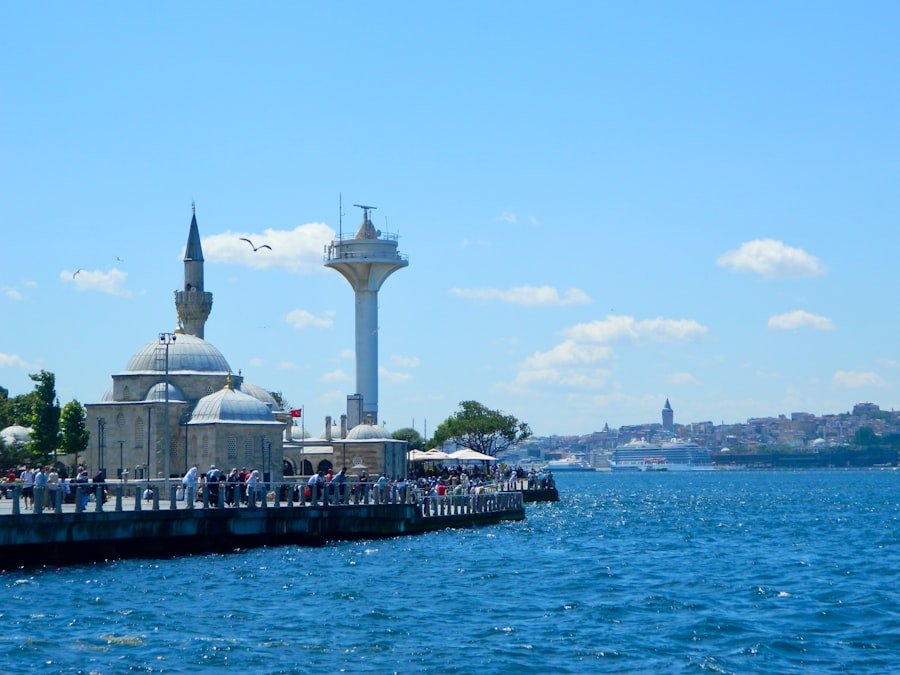
The safest way to get a fair deal is to compare before you negotiate. In bazaars, several shops may carry similar rugs, ceramics, lamps, textiles, or jewelry, which gives you a real reference point before you commit.
- Choose the item first, not the seller. Decide what material, size, color, or style you want before discussing price.
- Compare several shops. Look at similar goods and ask consistent questions about material, origin, workmanship, and what is included.
- Ask whether the price is fixed. If it is, do not push. If the seller invites negotiation, make a calm counteroffer based on what you have already seen.
- Confirm the final total. For expensive goods, make sure packing, shipping, taxes, accessories, and any other charges are clear before paying.
- Keep documentation. Save the receipt and any written description of materials, dimensions, or shipping promises.
Pro Tip: For a high-value purchase, photograph the item and the shop’s business card or receipt together. It gives you a simple record of exactly what you bought and where.
Hidden Gems: Unique Shopping Finds in Istanbul
| Shop Name | Location | Specialty | Best For |
|---|---|---|---|
| Grand Bazaar | Old City | Traditional Turkish items | The widest traditional selection |
| Arasta Bazaar | Sultanahmet | Handmade crafts | A compact Old City browse |
| Karaköy Antiques Market | Karaköy | Antique items | Antiques and collectibles |
| Çukurcuma Antique Shops | Beyoğlu | Vintage furniture | Vintage décor and one-off finds |
Çukurcuma is one of the strongest areas for antique shops, vintage furniture, decorative objects, and the pleasure of browsing without a fixed target. GoTürkiye specifically identifies the neighborhood as a place where old-goods sellers and antique shops cluster around its streets.
Karaköy offers a different kind of discovery: contemporary design, fashion, specialty retail, galleries, and older trade streets sit close together. Kadıköy is another useful alternative when you want independent shops, books, records, food shopping, and a more neighborhood-oriented day on the Asian side.
Where to Find Authentic Turkish Souvenirs
For souvenirs, choose the place by product rather than expecting one market to be best at everything. Traditional bazaars are especially useful because you can compare many versions of the same category in a compact area.
| What to buy | Where to start | What to check |
|---|---|---|
| Carpets and kilims | Grand Bazaar or Arasta Bazaar | Material, dimensions, weaving method, origin, invoice, shipping terms |
| Ceramics and glassware | Grand Bazaar or Arasta Bazaar | Whether decoration is hand-painted, chips or cracks, and protective packing |
| Jewelry and leather | Grand Bazaar | Material description, workmanship, sizing, receipt, and return terms |
| Spices, tea, coffee, lokum, dried fruit | Spice Bazaar | Freshness, ingredients, weight, sealed packaging, and travel suitability |
| Pestemal towels, soaps, small gifts | Arasta Bazaar, Grand Bazaar, neighborhood shops | Fiber or ingredient label, workmanship, size, and packing |
For a high-value rug, piece of jewelry, or claimed antique, do not rely only on the seller’s verbal description. Ask for a written invoice with the material and item details, and confirm any shipping or export requirements that apply before you pay.
Best Local Shops and Boutiques
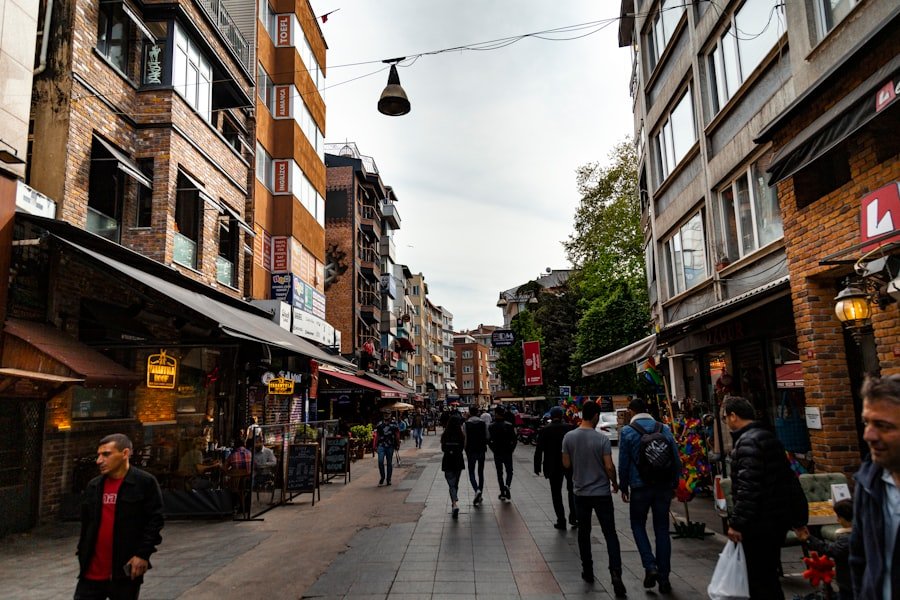
Istanbul’s local fashion scene is easiest to sample in Nişantaşı, where major Turkish retailers and designer labels sit close to international luxury brands. This area is better for a polished boutique experience than for bargaining.
Beymen’s official store directory lists its Nişantaşı store at Abdi İpekçi Caddesi 23/1 in Şişli. Beymen combines international luxury labels with fashion, accessories, beauty, and home products, making it a useful one-stop reference for the higher end of Turkish retail.
Gizia’s official store list places its Nişantaşı shop at Abdi İpekçi Caddesi No. 29. The brand focuses on women’s fashion, including dresses, tailoring, knitwear, outerwear, and occasion pieces.
For more contemporary shopping, Karaköy and Galataport combine Turkish brands, design-led stores, dining, and cultural stops. If you want a broader neighborhood mix instead of luxury, walk İstiklal Avenue and its side streets or cross to Kadıköy.
Navigating Istanbul’s Grand Bazaar
The Grand Bazaar is easier when you treat it as a district, not a single shop. Decide what you want before entering, use a recognizable gate or landmark as your starting point, and expect to leave the main lane repeatedly as you compare sellers.
- Start with a category. Jewelry, rugs, leather, ceramics, textiles, and gifts are easier to compare when you focus on one at a time.
- Save your route. Note the gate or nearby landmark and save the shop’s name before walking deeper into the bazaar.
- Inspect before discussing price. Ask about material, size, origin, and workmanship first.
- Compare similar items. One quote means little until you have seen several comparable pieces.
- Return to your preferred seller. Only negotiate seriously when you are comfortable buying the exact item in front of you.
If you are visiting on a Sunday, plan a different shopping area because the official Culture Portal lists the Grand Bazaar as closed. The Spice Bazaar and major malls are easier Sunday options, although individual shops can still set their own schedules.
Tips for Bargaining and Negotiating Prices
Bargaining is part of the experience in many traditional bazaars, but it is not a rule for every shop in Istanbul. The best approach is polite, informed, and limited to items you would genuinely buy at the right price.
- Ask whether the price is negotiable. Some stores use fixed prices even inside historic shopping areas.
- Compare before countering. A realistic offer comes from seeing similar products, not from an arbitrary percentage.
- Keep the discussion friendly. If the seller declines, you can thank them and move on.
- Do not negotiate after agreeing. Once you accept a final price, complete the purchase or clearly step away before an agreement is made.
- Separate price from quality. A cheaper rug, ceramic, or piece of jewelry may not be the same material or workmanship as the item you first compared it with.
In malls, chain stores, department stores, and clearly fixed-price boutiques, pay the listed price unless the store itself advertises a promotion. For modern shopping, Kanyon currently lists daily hours of 10:00–22:00, and Zorlu Center publishes the same 10:00–22:00 daily schedule. Individual tenants may vary.
If you’re looking for a break from shopping in Istanbul, why not try making some delicious homemade cottage cheese with this simple and healthy recipe from Tagline Today? It’s a great way to relax and enjoy some tasty treats while exploring the bustling city.
Frequently Asked Questions
”’ + “\n”.join(
f’
{q}
{a}
‘
for q,a in faq
) + f”’
Sources
- GoTürkiye — Shopping in Istanbul: Main shopping districts, Grand Bazaar and Spice Bazaar product categories, and neighborhood shopping context.
- Türkiye Culture Portal — Grand Bazaar: Bazaar size, shop count, location, opening hours, and Sunday/religious-holiday closure.
- Mısır Çarşısı 1664 — About: Spice Bazaar shop count and published daily working hours.
- GoTürkiye — Arasta Bazaar: Location and typical goods sold at Arasta Bazaar.
- Beymen — About and Stores: Nişantaşı store address and retail categories.
- Gizia — Stores: Nişantaşı store address and current Istanbul store network.
- Kanyon — FAQ: Current daily mall hours and transport information.
- Zorlu Center — FAQ: Current daily mall hours.
”’
print(len(html), len(re.findall(r’\b\w+\b’, re.sub(‘<[^>]+>