Istanbul gives you far more to see than you can fit into 48 hours, so a good two-day itinerary is about smart grouping rather than racing across the city. Spend your first day around Sultanahmet and the Historic Peninsula, then use day two for the bazaars, Karaköy, Galata, Beyoğlu and a traditional Turkish bath. This route combines Istanbul’s Byzantine and Ottoman landmarks with its food, waterfront and modern culture.
Quick Answer
For two days in Istanbul, spend Day 1 around Sultanahmet visiting the Blue Mosque, Hagia Sophia, Basilica Cistern and Topkapı Palace before a Bosphorus trip. On Day 2, explore the Grand Bazaar, Spice Bazaar, Karaköy, Istanbul Modern, Galata and Beyoğlu, then finish with a traditional hamam.
Key Takeaways
- Keep Day 1 concentrated in Sultanahmet so you spend more time sightseeing and less time crossing the city.
- Hagia Sophia is an active mosque, not a museum; cultural visitor access follows a separate visitor route.
- Topkapı Palace fits naturally into Day 1 but is currently closed on Tuesdays, so check your dates before finalizing the itinerary.
- A public ferry is usually the simplest low-cost way to enjoy the Bosphorus, while sightseeing and private cruises offer different experiences.
- Use Day 2 for shopping, contemporary Istanbul, Galata and a hamam rather than trying to add several distant attractions.
Two Days in Istanbul at a Glance
At a Glance
| Day 1 | Sultanahmet Square, Blue Mosque, Hagia Sophia, Basilica Cistern, Topkapı Palace, local food and the Bosphorus |
| Day 2 | Grand Bazaar, Spice Bazaar, Karaköy, Istanbul Modern, Galata, Beyoğlu and a Turkish bath |
| Best Base for a Short Visit | Sultanahmet or Sirkeci for easy Old City access; Karaköy or Galata if evening atmosphere is a higher priority |
| Main Transport | Walking, T1 tram, metro connections and ferries |
| Walking Level | Moderate to high; expect cobblestones, hills and long periods on your feet |
| Important Check | Confirm attraction hours, prayer access, ferry schedules and ticket conditions shortly before your visit |
Day 1: Exploring Istanbul’s Historic Sites
Begin in Sultanahmet, where several of Istanbul’s most important landmarks sit within a compact area. This lets you see a great deal without wasting your first morning in traffic.
Sultanahmet Square and the Blue Mosque
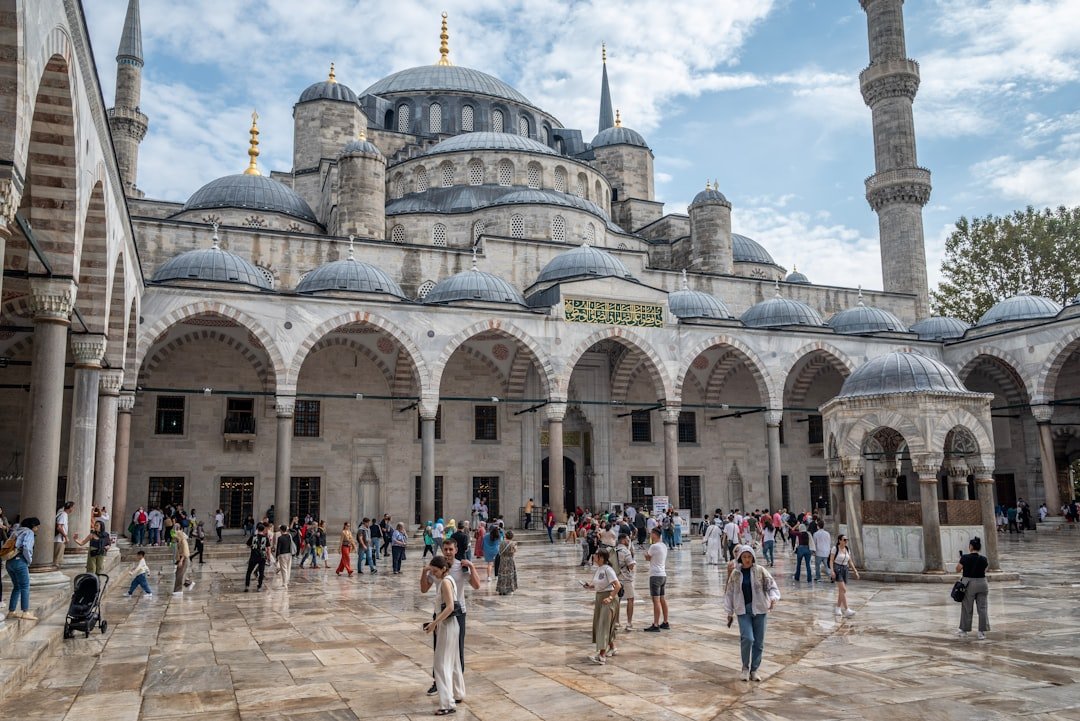
Start around Sultanahmet Square, the site of the ancient Hippodrome of Constantinople. You can see monuments such as the Egyptian Obelisk before walking to the Sultan Ahmed Mosque, better known as the Blue Mosque.
The Blue Mosque remains an active place of worship. Its interior is famous for more than 20,000 İznik tiles, while six minarets define its exterior silhouette. Sightseeing access can be restricted around prayers, so allow flexibility rather than building your schedule around an exact minute-by-minute entry time.
Note: When visiting working mosques, dress modestly, follow posted instructions, remove shoes where required and keep noise low. Visitor arrangements can change around worship and religious events.
Hagia Sophia
Walk across the square to Hagia Sophia, whose present sixth-century structure was completed in 537. It has served different religious and civic roles through nearly 1,500 years of history.
One important update for modern visitors is that Hagia Sophia is not currently a museum. It has operated as a mosque again since 2020. Türkiye’s Ministry of Culture and Tourism introduced a separate visitor-management route for cultural visitors in 2024, including access to the gallery area. Check the official Ministry information on Hagia Sophia visitor arrangements before your trip because access conditions and fees can change.
Basilica Cistern
The Basilica Cistern is a valuable addition to a two-day Istanbul itinerary because it is close to Hagia Sophia and adds a completely different side of Byzantine history. Its underground columns, water and atmospheric lighting make it easy to combine with the surrounding Sultanahmet sights without another long journey across the city.
Topkapı Palace
Continue to Topkapı Palace rather than saving it for another day. Sultan Mehmed II began building the palace after the conquest of Constantinople, and it developed into the administrative and residential center of the Ottoman court for centuries. Its courtyards, imperial collections, pavilions and Bosphorus views deserve substantial time.
Warning: Topkapı Palace is currently closed on Tuesdays. The National Palaces administration also changes ticket information when necessary, so verify the official Topkapı Palace visitor page before committing to your Day 1 schedule.
If your first day falls on a Tuesday, use the extra time for the Basilica Cistern, Archaeological Museums, Gülhane Park, bazaars or a longer Bosphorus trip, then adjust the rest of your itinerary according to the places that are actually open.
Day 1: Tasting the Local Cuisine
Food should be part of the itinerary rather than a separate race between restaurants. Around Sultanahmet, Sirkeci and Eminönü, you can fit Turkish dishes naturally between major sights.
For breakfast, try simit with tea or a larger Turkish breakfast if your schedule allows. At lunch or dinner, kebabs are widely available, including the spicy minced-meat style associated with Adana. Other useful choices include pide, grilled meat, lentil soup and fish depending on the neighborhood.
Meze works especially well when you want to taste several dishes. Common options can include haydari, ezme, stuffed vine leaves, eggplant preparations and seasonal vegetables. Ayran is a cooling yogurt-based drink, while Turkish coffee or tea makes an easy finish to a meal.
Street foods such as simit and roasted chestnuts are convenient when you do not want a long lunch. Leave room for baklava or another Turkish dessert instead of trying to turn every meal into a large restaurant stop.
Pro Tip: With only two days, eat near the neighborhood you are already exploring. Crossing Istanbul solely for a restaurant can consume more sightseeing time than the meal itself.
Day 1: Enjoying the Bosphorus
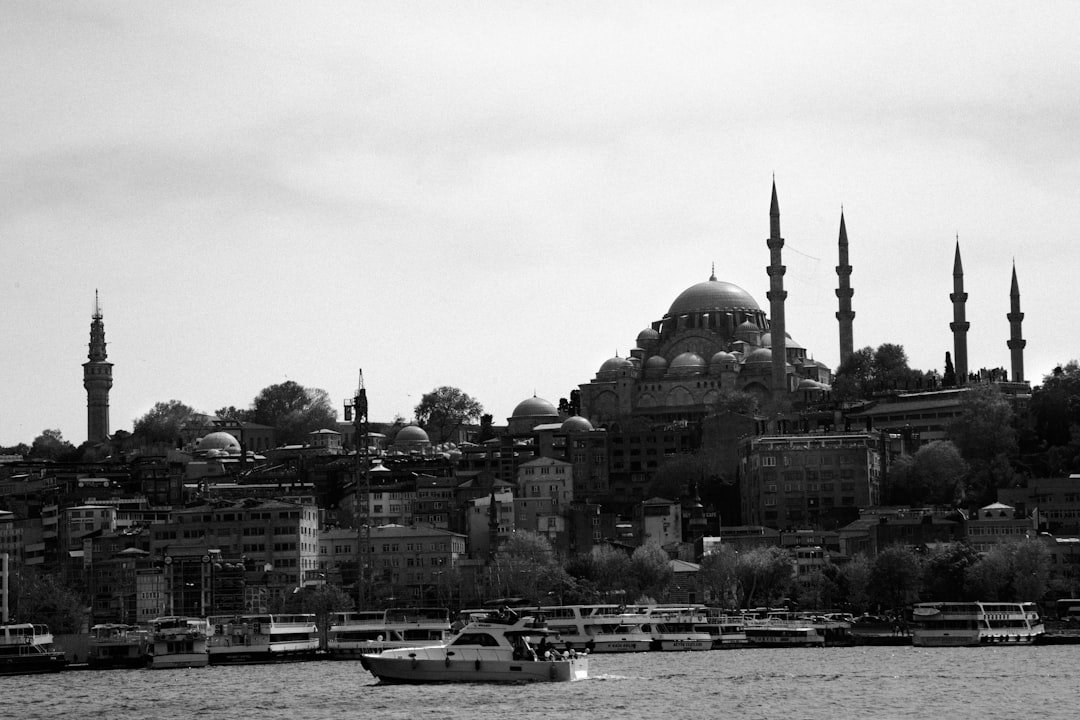
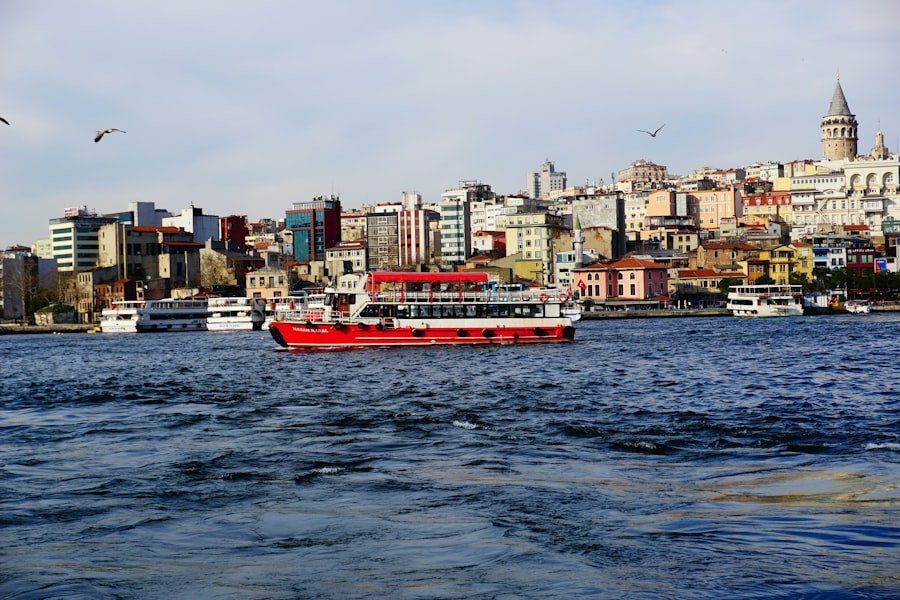
The Bosphorus separates the European and Asian sides of Istanbul and gives you one of the clearest views of the city’s waterfront palaces, mosques, neighborhoods and historic mansions. You do not need an expensive private cruise to experience it.
| Bosphorus Option | Best For |
| Public Ferry | Budget-conscious travelers who want a practical local journey and open-water views |
| Sightseeing Cruise | Visitors who want commentary and a route designed around sightseeing |
| Private Boat | Couples, families or groups prioritizing privacy and a customizable trip |
| Evening Waterfront Meal | Travelers who prefer skyline views without spending additional time on a dedicated cruise |
Specific stops and sailing patterns vary by service, so do not assume every boat stops at landmarks such as Dolmabahçe Palace or Rumeli Fortress. İstanbul’s municipal ferry operator publishes current routes and departure times on the Şehir Hatları Bosphorus timetable.
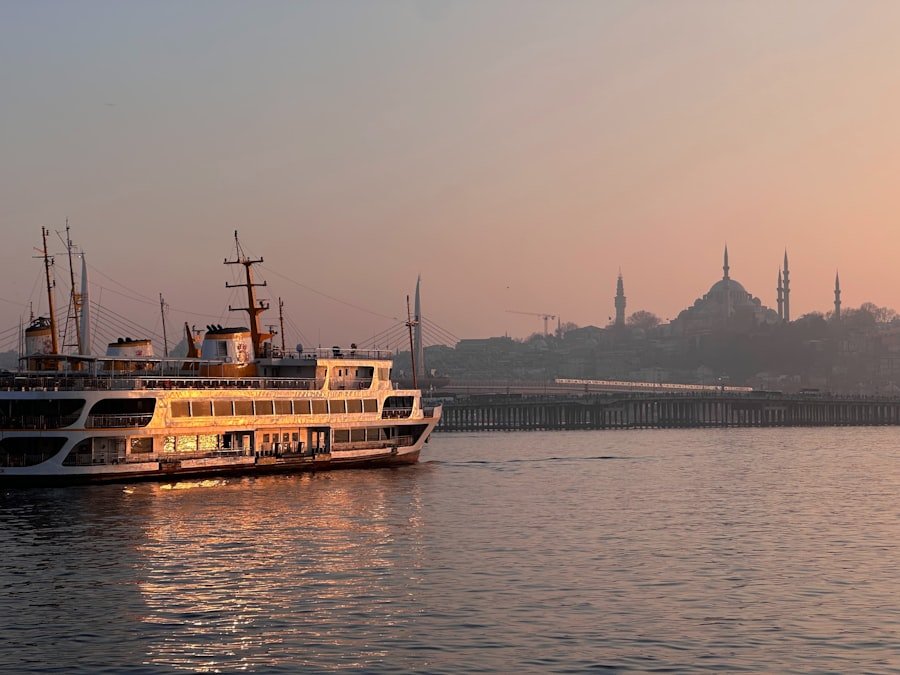
A ferry or cruise near sunset can be especially memorable as the light changes across the skyline. If weather or timing does not cooperate, a daytime crossing still gives you a strong sense of how the Bosphorus shapes Istanbul.
Day 2: Shopping in Istanbul
Start Day 2 with the Grand Bazaar while your energy is high. The historic covered market has about 4,000 shops spread through a dense network of streets and passages. You will find carpets, jewelry, ceramics, leather goods, textiles, lamps and countless souvenirs.
Bargaining is part of many transactions, but there is no need to turn it into a confrontation. Ask the price, compare similar items, decide what the product is worth to you and walk away politely if the numbers do not work.
From the Grand Bazaar, continue toward Eminönü and the Spice Bazaar if time permits. This route keeps you moving in the direction of the Golden Horn rather than doubling back across the Old City.
Note: Market schedules can differ on Sundays, public holidays and religious holidays. Confirm opening information when a bazaar is a must-do part of your two-day trip.
If designer boutiques and modern retail interest you more than traditional markets, areas such as Nişantaşı provide a very different shopping experience. With only 48 hours, however, adding Nişantaşı means giving up time elsewhere, so treat it as an optional substitution rather than another mandatory stop.
Day 2: Immersing in Istanbul’s Culture
After the bazaars, cross the Golden Horn toward Karaköy and Beyoğlu. This shifts the day away from imperial monuments and into contemporary art, historic commercial streets, cafés and everyday city life.
Istanbul Modern in Karaköy
Istanbul Modern is Türkiye’s first museum of modern and contemporary art and now welcomes visitors in its purpose-built waterfront building designed by Renzo Piano Building Workshop. Its Karaköy setting makes it easy to combine with the surrounding waterfront and Galata area. Check the official Istanbul Modern visitor page for current exhibitions and hours.
The museum gives you a useful contrast with Day 1. Instead of concentrating only on Byzantine and Ottoman history, you see how Turkish and international artists respond to modern life, identity and cultural change.
Galata and Beyoğlu
Continue uphill toward Galata. The streets around Galata Tower lead naturally into Beyoğlu and İstiklal Avenue, where historic passages, shops, cafés, churches, galleries and performance spaces reveal another layer of Istanbul.
You do not have to enter every attraction. Sometimes the better two-day strategy is to walk the neighborhood, stop for coffee, enjoy the architecture and leave enough energy for the evening.
Day 2: Relaxing in the Turkish Baths
After two demanding sightseeing days, a traditional Turkish bath, or hamam, provides a slower ending. Hamams have long served both bathing and social functions in Turkish urban life, although the exact modern service depends on the establishment and package you book.
A traditional session may include time on heated marble, washing, a kese exfoliation and a soap-foam treatment. Massage and other services may be separate upgrades rather than standard parts of every visit.
Çemberlitaş Hamamı is one of Istanbul’s best-known historic baths. Its official history dates the building to 1584 and associates it with the great Ottoman architect Mimar Sinan. The historic double-hamam design, warm marble bathing areas and traditional ritual make the building itself part of the experience. You can review current services directly on the official Çemberlitaş Hamamı website.
Before booking any hamam, check whether facilities or bathing times are separated by gender, what the selected package includes, what clothing or disposable garments are provided and whether advance reservations are recommended.
Getting Around Istanbul in Two Days
Walking should cover much of Sultanahmet, but Istanbul is too large to rely on walking alone. The T1 Kabataş–Bağcılar tram is particularly useful because it links stops serving the Historic Peninsula, Eminönü, Karaköy and Kabataş and connects with other rail and ferry services. Metro İstanbul publishes current operating and interchange information on its official T1 tram page.
Ferries are useful transportation as well as sightseeing. They can save you from road traffic while giving you open views of the city. Use taxis when they genuinely simplify a difficult connection rather than making them the default way to cross central Istanbul.
Pro Tip: Keep each half-day within one geographic cluster. Istanbul traffic and hills make a route that looks short on a map slower than you may expect.
When to Visit Istanbul
Spring and autumn are comfortable choices for travelers who want to spend long periods walking outdoors. Official Turkish meteorological statistics show average Istanbul temperatures of about 12.9°C in April, 17.6°C in May, 21.2°C in September and 16.7°C in October. Summer is warmer, while winter is cooler and wetter.
Weather is only one factor. Your exact two-day schedule should also consider attraction closure days, religious holidays and any events taking place during your visit.
Should You Buy MuseumPass İstanbul?
Do not buy a museum pass automatically just because your trip includes several historic attractions. Calculate what you actually intend to visit and confirm that each place is included.
As of September 9, 2026, the official MuseumPass İstanbul page lists a price of €105, validity for five days after first use and admission to 13 participating museums connected with the Ministry of Culture and Tourism and National Palaces. Those terms can change, so check the official MuseumPass İstanbul page immediately before purchase.
For a two-day visit, the pass makes sense only when its current inclusions match enough of your planned paid attractions. Do not assume every major Istanbul landmark or every section within a palace is covered.
Istanbul, a City of Wonders
Two days cannot reveal every side of Istanbul, but it is enough to experience the city’s strongest contrasts. In one compact trip, you can move from Byzantine monuments and Ottoman palaces to busy markets, contemporary art, ferry decks and a centuries-old hamam.
The key is not trying to see everything. Keep Day 1 concentrated around Sultanahmet and the Bosphorus, then give Day 2 to the bazaars and the neighborhoods north of the Golden Horn. That structure gives you time to notice Istanbul rather than simply checking attractions off a list.
If you also enjoy recreating simple foods at home after a trip, this article on delicious homemade cottage cheese can be treated as an optional after-trip cooking read rather than part of the Istanbul sightseeing route.
Sources
- Türkiye Ministry of Culture and Tourism — Hagia Sophia visitor arrangement — supports current cultural-visitor access information.
- Directorate of National Palaces — Topkapı Palace — supports palace history, visitor hours, closure day and ticket information.
- Istanbul Modern — supports the museum’s current location and visitor information.
- Şehir Hatları — supports current Bosphorus ferry routes and timetables.
- MuseumPass İstanbul — supports current pass validity, pricing and participating-museum information.
- Turkish State Meteorological Service — supports Istanbul climate statistics.
Frequently Asked Questions
What is the best time to visit Istanbul?
Spring and autumn are comfortable for long sightseeing days. April, May, September and October generally offer milder temperatures than midsummer, although rain and sudden weather changes are always possible.
What are the must-see attractions in Istanbul for a two-day itinerary?
For a first visit, prioritize the Blue Mosque, Hagia Sophia, Basilica Cistern, Topkapı Palace, Grand Bazaar and a Bosphorus ferry or cruise. Galata, Karaköy and Istanbul Modern fit well on the second day.
What is the best way to get around Istanbul for a two-day visit?
Combine walking with trams, metro connections and ferries. The T1 tram is especially useful for a short sightseeing trip because it connects several important areas between the Historic Peninsula and the Bosphorus side of central Istanbul.
What are some recommended dining options in Istanbul for a two-day visit?
Try a Turkish breakfast or simit, kebab or pide, several meze dishes, seasonal fish where appropriate, baklava and Turkish tea or coffee. Choose restaurants near the neighborhood you are already visiting so meals do not consume unnecessary travel time.
Is it necessary to purchase a museum pass for a two-day visit to Istanbul?
No. Compare the current price and included attractions with the paid sites you genuinely intend to visit. A pass can offer value for some itineraries, but a two-day visitor who enters only a few participating museums may be better buying individual tickets.
Is Hagia Sophia still a museum?
No. Hagia Sophia has functioned as a mosque again since 2020. Cultural visitors follow a separate visitor route, including the gallery area under the visitor-management system introduced in 2024. Check current official access rules before visiting.
Which day is Topkapı Palace closed?
The Directorate of National Palaces currently lists Topkapı Palace as closed on Tuesdays. Holiday arrangements can differ, so verify the official visitor page before your trip.