Sultanahmet contains Istanbul’s most famous sights, but some of its most rewarding places sit a few minutes away from the busiest paths around Hagia Sophia and the Blue Mosque. Small Ottoman mosques, Byzantine cisterns, historic market lanes, museum courtyards, palace remains, and green spaces can reveal a quieter side of the Historic Peninsula without requiring a trip across the city.
Quick Answer
Some of the best hidden gems in Sultanahmet include Little Hagia Sophia, Sokollu Mehmet Pasha Mosque, Arasta Bazaar, Binbirdirek Cistern, Şerefiye Cistern, the Museum of Turkish and Islamic Arts, and quieter corners around Gülhane Park. Most are within or close to the walkable Historic Peninsula.
Key Takeaways
- Little Hagia Sophia and Sokollu Mehmet Pasha Mosque offer impressive architecture with a quieter atmosphere than Sultanahmet’s headline monuments.
- The Basilica, Binbirdirek, and Şerefiye cisterns reveal different layers of Istanbul’s historic water system.
- Arasta Bazaar is genuinely in Sultanahmet; the Grand Bazaar is closer to Beyazıt, while the Spice Bazaar is in Eminönü.
- The Museum of Turkish and Islamic Arts and İstanbul Archaeological Museums provide substantial collections within the Historic Peninsula.
- Several attractions commonly grouped into “Sultanahmet” guides, including Pera Museum and Beylerbeyi Palace, are actually elsewhere in Istanbul.
Quiet Courtyards and Historic Corners in Sultanahmet
The courtyards around Sultanahmet’s religious monuments can provide a welcome change of pace, but visitors should distinguish public historic spaces from restricted or loosely described “secret” courtyards. Rather than searching for an unmarked garden behind the Blue Mosque or entering restricted parts of Hagia Sophia, focus on places where access and historical significance are clearer.
The Little Hagia Sophia Mosque is one of the strongest examples. Originally built as the Church of Saints Sergius and Bacchus during the reign of Emperor Justinian, it dates to the sixth century and was later converted into a mosque. Its smaller scale makes the architecture easier to study than at many of Istanbul’s monumental religious sites.
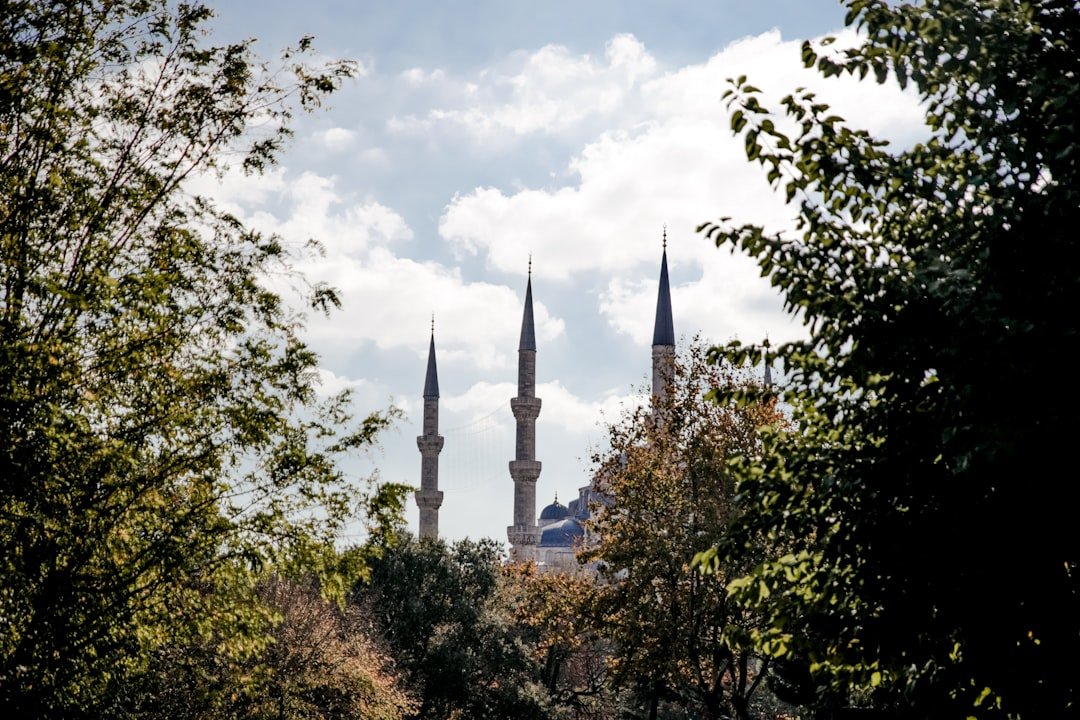
Sokollu Mehmet Pasha Mosque is another worthwhile stop. Associated with the great Ottoman architect Mimar Sinan, it is especially noted for its İznik tile decoration. Its setting away from the busiest portion of Sultanahmet Square makes it a useful choice for travelers who want to appreciate classical Ottoman design in a calmer environment.
Visitor etiquette: These are functioning places of worship. Dress modestly, speak quietly, avoid blocking worshippers, and follow staff instructions about visitor areas and prayer periods. Access arrangements can change during religious services.
Unearthing the Lesser-Known Mosques
The Blue Mosque and Hagia Sophia dominate most Sultanahmet itineraries, but smaller mosques help explain how Byzantine and Ottoman architecture overlap throughout the Historic Peninsula.
Little Hagia Sophia
Little Hagia Sophia is particularly important because its history predates the present Hagia Sophia. Istanbul Metropolitan Municipality describes the structure as the former Church of Saints Sergius and Bacchus, built between 527 and 536 during the reign of Justinian and Theodora. It became a mosque during the Ottoman period.
Inside, the visitor experience is more intimate than at the area’s largest monuments. Instead of rushing from one famous photo point to another, take time to examine the building’s centralized plan, columns, arches, and the way its early Byzantine structure was adapted for Islamic worship.
Sokollu Mehmet Pasha Mosque
Sokollu Mehmet Pasha Mosque is another rewarding stop for architecture enthusiasts. The mosque is associated with Mimar Sinan and is known for high-quality Ottoman tile decoration. The comparatively compact interior allows details in the tile panels, stonework, calligraphy, and spatial design to stand out.
Pro Tip: Visit smaller mosques outside congregational prayer periods. You will usually have more time to observe the architecture, while also avoiding disruption to worshippers.
Exploring Sultanahmet’s Historical Cisterns
Beneath the Historic Peninsula lies an extensive legacy of cisterns built to store and distribute water. The best-known is the Basilica Cistern, or Yerebatan Sarnıcı. Turkey’s Culture Portal states that it was built during the reign of Emperor Justinian and contains 336 columns arranged beneath its vaulted roof.
The Basilica Cistern is no longer a true “hidden” attraction, but its scale makes it an essential reference point for understanding the city’s underground infrastructure. The reused columns and famous Medusa-head bases also illustrate how materials from earlier structures were incorporated into later construction.
Binbirdirek Cistern
For a less famous alternative, consider Binbirdirek Cistern, also known as the Cistern of Philoxenos. Istanbul’s official visitor platform describes it as one of the city’s major underground cisterns and records 224 marble columns, of which 212 survive. Its repetitive rows of stone supports create a noticeably different atmosphere from the Basilica Cistern.
Şerefiye Cistern
The Şerefiye Cistern, or Theodosius Cistern, adds another chapter to the story. Turkey’s Culture Portal dates its construction to the fifth century and identifies it as part of Constantinople’s historic water-storage system. It reopened to visitors after restoration in 2018.
Seeing two or three cisterns can be worthwhile if underground architecture is a major interest, because each has a different scale, lighting treatment, column arrangement, and historical context.
The Hidden Treasures of Sultanahmet’s Bazaars
| Market | Location and Character |
|---|---|
| Arasta Bazaar | Directly behind the Blue Mosque in Sultanahmet; a compact market for carpets, ceramics, textiles, jewelry, and traditional crafts. |
| Grand Bazaar | Near Beyazıt rather than Sultanahmet proper; a huge covered market with roughly 61 shopping streets and thousands of shops. |
| Spice Bazaar | In Eminönü near the New Mosque; known for spices, sweets, teas, dried foods, and specialty goods. |
For a genuine Sultanahmet market experience, Arasta Bazaar is the most convenient choice. Located directly behind the Blue Mosque, it developed in connection with the mosque complex and remains a compact alternative to Istanbul’s much larger covered markets.
Its shops commonly sell carpets, kilims, ceramics, textiles, jewelry, and other traditional products. The smaller footprint makes it easier to browse without committing several hours to shopping.
The Grand Bazaar is also worth visiting, but it should not be described as being inside Sultanahmet. GoTürkiye describes the vast covered market as containing about 61 shopping streets and up to roughly 4,000 shops. Likewise, the Spice Bazaar belongs to Eminönü rather than Sultanahmet. Both can still be combined with a Historic Peninsula itinerary if you have enough time.
Note: “Sultanahmet,” “Old City,” “Historic Peninsula,” and “Fatih” are sometimes used loosely in travel articles. They are not interchangeable. Checking the exact neighborhood before building a walking itinerary prevents unnecessary backtracking.
Discovering Sultanahmet’s Underground Byzantine Heritage
The original city beneath modern Istanbul contains far more than basilicas. In the Sultanahmet area, cisterns and archaeological remains provide the clearest accessible window into the underground infrastructure of Byzantine Constantinople.
One useful addition is the Hagia Sophia History and Experience Museum. The Culture Portal notes that the building presents the long history of Hagia Sophia and that remains of an Eastern Roman cistern can be viewed from windows on its ground floor.
It is important not to confuse these local underground sites with important Byzantine churches elsewhere in Istanbul. The Church of St. Mary of Blachernae is in Ayvansaray, near the former Blachernae palace area. The historic Studios Monastery, later known as İmrahor İlyas Bey Mosque, is in the Yedikule/Samatya area. Both are significant to Istanbul’s Byzantine history, but neither should be presented as an underground basilica beside Sultanahmet’s Hippodrome.
Travelers primarily interested in subterranean architecture should therefore prioritize the Basilica, Binbirdirek, and Şerefiye cisterns while staying in the Sultanahmet area, then plan separate journeys for distant Byzantine sites.
Uncovering Historic Artifacts in Sultanahmet’s Museums
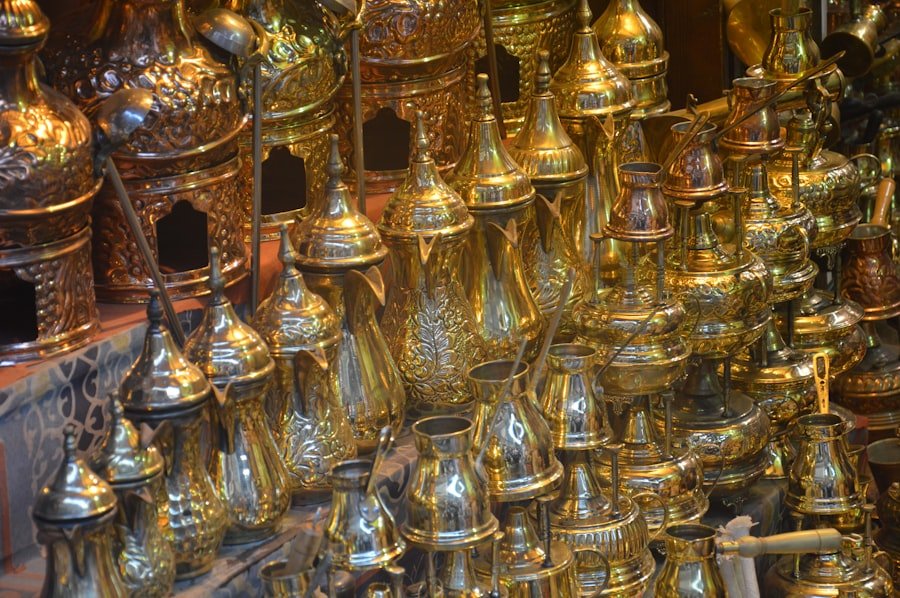
Museum of Turkish and Islamic Arts
The Museum of Turkish and Islamic Arts is one of the most relevant museums for visitors already in Sultanahmet. It occupies the historic İbrahim Pasha Palace on the western side of Sultanahmet Square.
Its collections bring together Turkish and Islamic artworks from different periods and regions, including carpets, manuscripts, calligraphy, ceramics, woodwork, and other objects. Because of its location, it is easy to combine with the Blue Mosque, Hippodrome monuments, and Hagia Sophia.
İstanbul Archaeological Museums
The İstanbul Archaeological Museums, near Gülhane and Topkapı Palace, form another major museum complex. The Ministry of Culture and Tourism identifies three principal units: the Archaeological Museum, the Museum of the Ancient Orient, and the Tiled Kiosk Museum.
The collections span civilizations that once occupied territories of the Ottoman Empire and surrounding regions. Visitors interested in ancient sculpture, archaeology, inscriptions, ceramics, and Near Eastern history can easily spend considerably longer here than at many smaller attractions.
What About Pera Museum?
Pera Museum is an excellent Istanbul museum, particularly for its Orientalist Painting collection and exhibitions, but it is not in Sultanahmet. Its official address is in Tepebaşı, Beyoğlu. Treat it as a separate Beyoğlu itinerary rather than a hidden stop between Sultanahmet attractions.
Understanding Sultanahmet’s Lesser-Known Palace Heritage
Topkapı Palace is the area’s dominant Ottoman palace, but Sultanahmet also preserves traces of older imperial landscapes. These are often more useful to a “hidden gems” itinerary than palaces on distant stretches of the Bosphorus.
Boukoleon Palace
Boukoleon Palace represents the Byzantine imperial past of the area south of the former Hippodrome and near Little Hagia Sophia. Although much of the complex has disappeared, surviving remains recall the period when Byzantine imperial buildings extended toward the Marmara shoreline.
This is a different experience from visiting a furnished palace museum: the value lies in understanding the archaeological landscape and imagining how the Great Palace district once connected ceremonial, residential, religious, and waterfront spaces.
Beylerbeyi and Çırağan Are Separate Excursions
Beylerbeyi Palace and Çırağan Palace are important Ottoman landmarks, but neither belongs in a list of Sultanahmet hidden gems. Beylerbeyi Palace stands in Üsküdar on the Asian shore of the Bosphorus. Built for Sultan Abdülaziz in the nineteenth century, it served as an imperial summer residence and reception palace.
Çırağan Palace is on the European Bosphorus shore in Beşiktaş and today operates as a luxury hotel. Both can be worthwhile for travelers interested in later Ottoman palace architecture, but they require separate journeys away from Sultanahmet.
Finding Serenity in Sultanahmet’s Gardens and Green Spaces
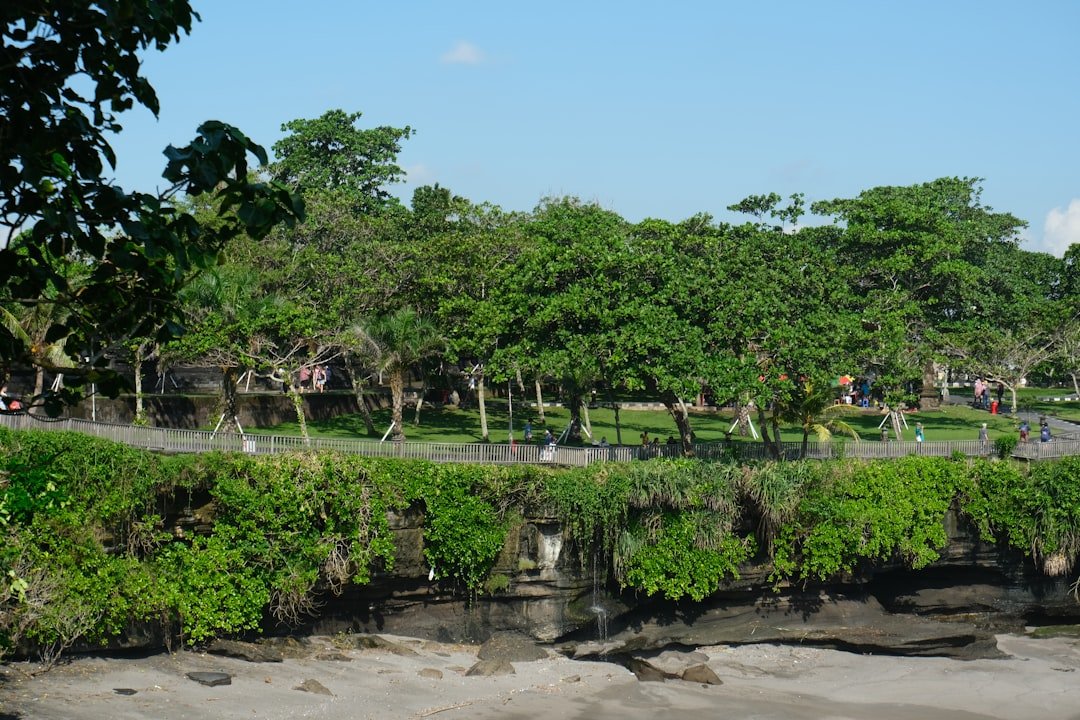
Green spaces in this part of Istanbul are valuable precisely because the historic center can become extremely busy. The best-known option is Gülhane Park, which historically formed part of the outer gardens of Topkapı Palace before becoming a public park.
Tree-lined paths, lawns, flower displays, and shaded resting areas make it a practical break between museum visits. It is not truly a secret garden, but quieter stretches can feel surprisingly removed from nearby traffic and crowded monuments.
Smaller courtyards around Little Hagia Sophia and Sokollu Mehmet Pasha Mosque can also provide a calmer atmosphere, provided visitors remember that these are religious spaces rather than public parks. Use them respectfully: observe the architecture, avoid loud conversations, and leave seating and entrances clear for worshippers.
The most rewarding Sultanahmet “hidden gems” are not necessarily secret. They are places that reveal important layers of Istanbul’s history while receiving less attention than Hagia Sophia, the Blue Mosque, and Topkapı Palace.
How to Explore These Hidden Gems Efficiently
A practical route is to begin around Sultanahmet Square, then move toward the Museum of Turkish and Islamic Arts and Sokollu Mehmet Pasha Mosque. Continue south toward Little Hagia Sophia and the Arasta Bazaar area. On another loop, combine the Basilica Cistern with Şerefiye or Binbirdirek Cistern before walking toward Gülhane and the İstanbul Archaeological Museums.
If you have additional time, expand the itinerary toward Beyazıt for the Grand Bazaar or downhill toward Eminönü for the Spice Bazaar. Save Pera Museum, Beylerbeyi Palace, Çırağan Palace, Blachernae, and the Studios Monastery for separate excursions because they are outside the compact Sultanahmet walking zone.
Opening hours, worship access, restoration work, exhibitions, and admission policies can change. Check the official attraction or museum website shortly before visiting rather than relying on an old travel-blog timetable.
Frequently Asked Questions
What are some hidden gems in Sultanahmet?
Good lesser-known stops include Sokollu Mehmet Pasha Mosque, Little Hagia Sophia, Arasta Bazaar, Binbirdirek Cistern, Şerefiye Cistern, the Museum of Turkish and Islamic Arts, and quieter areas around Gülhane Park.
What is the Sokollu Mehmet Pasha Mosque?
Sokollu Mehmet Pasha Mosque is an Ottoman mosque associated with architect Mimar Sinan. It is particularly valued for its classical Ottoman architecture and İznik tile decoration and generally feels more intimate than Sultanahmet’s largest monuments.
What is Little Hagia Sophia?
Little Hagia Sophia, or Küçük Ayasofya Mosque, began as the sixth-century Byzantine Church of Saints Sergius and Bacchus. It was later converted into a mosque and remains an important example of early Byzantine architecture adapted to Ottoman religious use.
What are the İstanbul Archaeological Museums?
The İstanbul Archaeological Museums are a museum complex near Topkapı Palace and Gülhane. The complex consists of three main units: the Archaeological Museum, the Museum of the Ancient Orient, and the Tiled Kiosk Museum.
Which historic cisterns can I visit near Sultanahmet?
The Basilica Cistern is the best known, while Binbirdirek Cistern and Şerefiye Cistern provide additional views of Constantinople’s historic underground water infrastructure. Visiting more than one is worthwhile if Byzantine engineering is a major interest.
Are these Sultanahmet hidden gems within walking distance?
Many are walkable from Sultanahmet Square, including Arasta Bazaar, Little Hagia Sophia, Sokollu Mehmet Pasha Mosque, several cisterns, and the Museum of Turkish and Islamic Arts. Gülhane and the İstanbul Archaeological Museums are also nearby. Attractions in Beyoğlu, Üsküdar, Beşiktaş, Ayvansaray, or Yedikule require separate journeys.
Sources
- Türkiye Kültür Portalı — Yerebatan Sarnıcı — Basilica Cistern history, construction, and column count.
- Türkiye Kültür Portalı — Şerefiye Sarnıcı — Theodosius Cistern history and location.
- T.C. Ministry of Culture and Tourism — Museum of Turkish and Islamic Arts — museum location and institutional history.
- T.C. Ministry of Culture and Tourism — İstanbul Archaeological Museums — museum complex and collections.
- Visit Istanbul — Arasta Bazaar — Sultanahmet location and market character.
- İBB Kültür Sanat — Küçük Ayasofya Camisi — Little Hagia Sophia’s Byzantine and Ottoman history.