Last updated: July 23, 2026
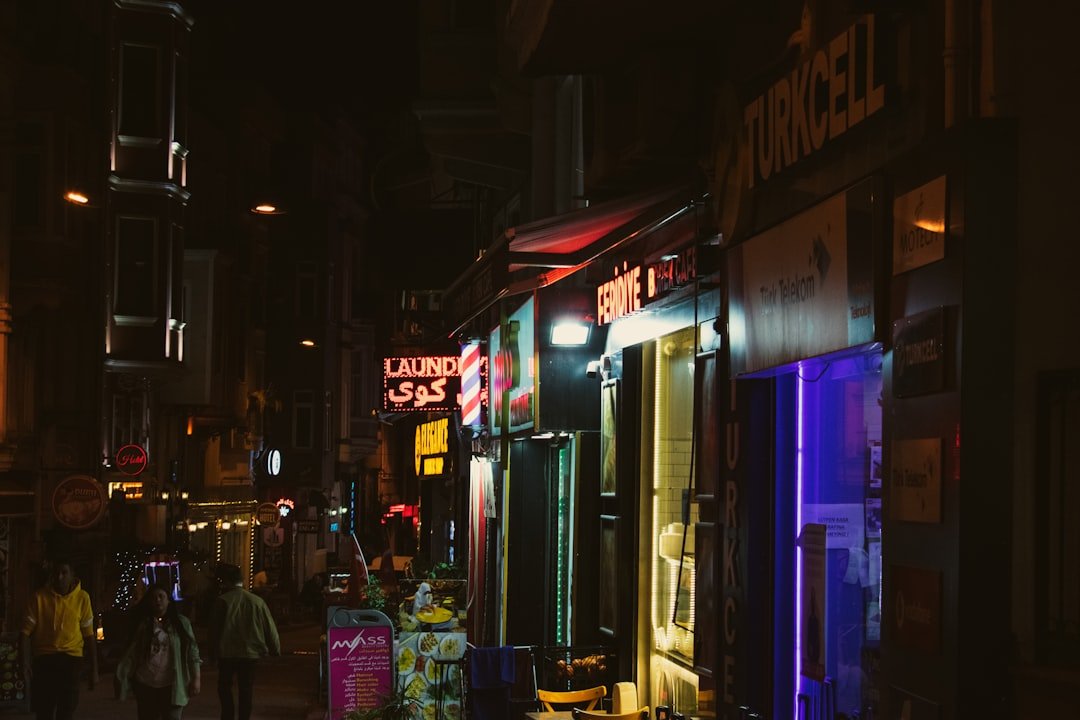
Beyoğlu rewards travelers who leave the busiest part of İstiklal Avenue and explore its side streets. Antique shops, literary museums, historic churches, restored bank buildings, small galleries, café lanes, and steep passages sit within walking distance of the district’s famous landmarks.
Quick Answer
The best hidden gems in Beyoğlu include Çukurcuma’s antique streets, the Museum of Innocence, Pera Museum, St. Mary Draperis Church, Galata Mevlevihanesi, SALT Galata, Kamondo Stairs, Galata’s backstreets, Cihangir’s café lanes, and Karaköy’s art spaces. Allow four to five hours for one museum and several short stops.
Key Takeaways
- Beyoğlu’s strongest hidden-gem clusters are Galata and Pera, Çukurcuma and Cihangir, and Karaköy and Tophane.
- Many major museums and cultural venues close on Mondays, so check official hours before building your route.
- Choose one main museum for a half-day walk. Visiting two museums, eating a full meal, and browsing shops can turn the route into a full-day plan.
- The district is hilly, with cobbles, stairs, broken pavements, and steep side streets. Use public transport to avoid walking the same slope twice.
- Balat and Kadıköy are worth visiting, but neither belongs in a Beyoğlu-focused itinerary.
Best Hidden Gems in Beyoğlu at a Glance
| Hidden gem | Best for | Where it fits |
|---|---|---|
| Çukurcuma | Antiques, old apartment façades, quiet lanes | Pair with Cihangir and the Museum of Innocence |
| Museum of Innocence | Literature, personal objects, Istanbul social history | Choose it as the main museum on a Çukurcuma walk |
| Pera Museum | Art, architecture, permanent collections | Close to Tepebaşı, Şişhane, and İstiklal Avenue |
| Galata Mevlevihanesi Museum | Mevlevi heritage, calligraphy, music, a calm courtyard | Beside the Tünel end of İstiklal Avenue |
| Çiçek Pasajı and Balık Pazarı | Historic passages, food browsing, meyhane atmosphere | A short detour from central İstiklal Avenue |
| St. Mary Draperis Church | Historic religious architecture | A brief, respectful stop on İstiklal Avenue |
| SALT Galata | Architecture, research, exhibitions, bank history | Pair with Kamondo Stairs and Karaköy |
| Istanbul Modern | Modern art, architecture, waterfront views | Best on a Tophane and Karaköy route |
| Galata backstreets | Photography, design shops, cafés, music stores | Explore before or after Galata Tower |
How Should You Divide Beyoğlu Into Walkable Areas?
Planning by neighborhood cluster is easier than trying to cross the entire district in one afternoon. Galata and Pera suit architecture, museums, historic passages, and photography. Çukurcuma and Cihangir suit antiques, literary history, cafés, and a slower residential atmosphere. Karaköy and Tophane suit contemporary art, waterfront walking, restaurants, and evening plans.
Choose one main cluster and add a neighboring area only when you have enough time. Galata and Pera combine naturally. Çukurcuma and Cihangir also work well together. Karaköy and Tophane form the flattest cultural route, although reaching Galata from the waterfront still requires a climb.
Pro Tip: Build a one-way route that moves downhill. Start at Şişhane, Tünel, or Taksim, then finish near Tophane, Karaköy, or Kabataş instead of climbing back to your starting point.
What Historic Landmarks Should You Pair With Beyoğlu Hidden Gems?
Galata Tower is not hidden, but it remains a useful landmark for starting a Beyoğlu walk. The present stone tower dates to the Genoese period in the mid-14th century. Its surrounding lanes lead toward cafés, music shops, design stores, historic apartments, and steep stair streets that often feel more intimate than the square around the tower.
Near the upper end of Galip Dede Caddesi, Galata Mevlevihanesi Museum offers a quieter contrast to İstiklal Avenue. The restored complex presents Mevlevi culture through its sema space, dervish rooms, calligraphy, marbling, and musical instruments.
Downhill on Bankalar Caddesi, the curved Kamondo Stairs make a short architectural stop before SALT Galata. The stairs are free to see, but they can become crowded with photographers during the middle of the day.
Taksim Square and the Atatürk Cultural Center remain useful orientation points, but they work better as the beginning or end of a route than as the focus of a hidden-gems itinerary.
Which Off-the-Beaten-Path Attractions Are Worth Your Time?
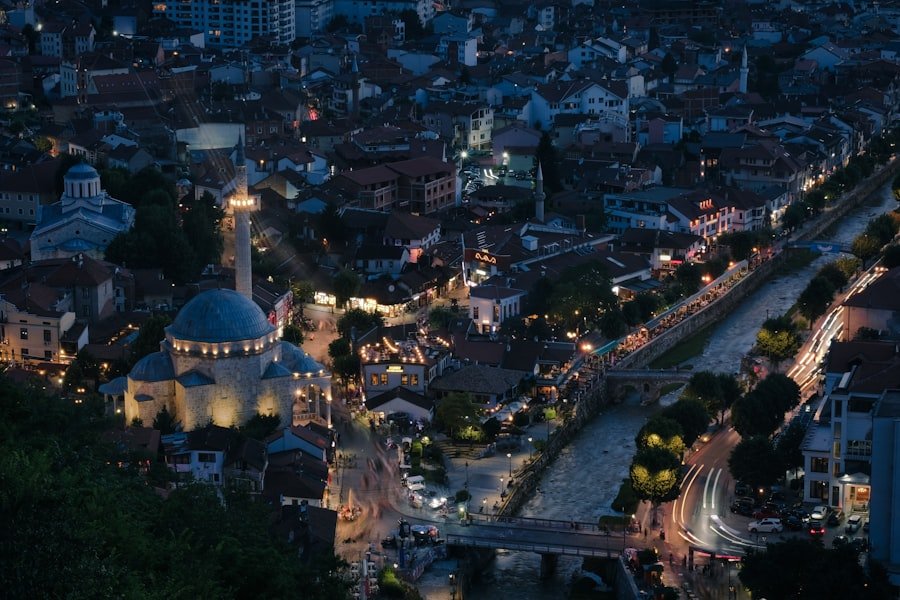
The Museum of Innocence is one of Beyoğlu’s most distinctive museums. Orhan Pamuk developed it alongside his novel of the same name. Its cabinets and rooms display objects connected to the fictional characters while also reflecting Istanbul life and memory during the second half of the 20th century. You do not need to read the book first, but readers may notice more connections.
Pera Museum is a calmer cultural stop near Tepebaşı. It occupies the former Bristol Hotel building and presents three permanent collections: Orientalist Paintings, Anatolian Weights and Measures, and Kütahya Tiles and Ceramics. Temporary exhibitions and film programs can add more time to a visit.
For a smaller discovery, look for St. Mary Draperis Church on İstiklal Avenue. The entrance is easy to pass because stairs lead down from street level. It remains an active Roman Catholic church, so enter quietly, dress respectfully, avoid interrupting services, and follow any photography restrictions posted at the entrance.
Casa Botter adds another architectural stop near the Tünel end of İstiklal Avenue. The restored building functions as an art and design center, and its exhibition schedule can change throughout the year.
Nearby, Çiçek Pasajı and Balık Pazarı offer a different kind of history through arcades, food stalls, taverns, and a passage atmosphere that shifts from daytime browsing to evening dining.
Note: Pera Museum, the Museum of Innocence, Istanbul Modern, and SALT normally close on Mondays. Holiday schedules, exhibitions, church access, and last-entry times can change, so check each official page before visiting.
Where Should You Eat in Beyoğlu Beyond the Obvious Tourist Stops?
Beyoğlu’s dining scene works best when you match the meal to the neighborhood. Pera and Asmalımescit suit dinner before or after a museum visit. Çukurcuma and Cihangir offer cafés, breakfast spots, and smaller neighborhood restaurants. Karaköy works well for contemporary dining, coffee, and a meal near the waterfront.
For a polished rooftop dinner, Mikla at The Marmara Pera combines contemporary Anatolian cooking with broad city views. For a heritage-focused tasting menu, Neolokal operates inside SALT Galata on Bankalar Caddesi.
Both restaurants are destination meals rather than spontaneous snack stops. Check current service days, menus, dress expectations, and reservation policies before planning your route around them.
For a more casual evening, use Çiçek Pasajı, Nevizade, Asmalımescit, Cihangir, or Karaköy as a base. Walk around first and compare menus, atmosphere, and how busy each street feels before choosing a table.
Kadıköy has an excellent food scene, but it is on Istanbul’s Asian side and belongs in a separate neighborhood guide rather than a Beyoğlu hidden-gems itinerary.
Where Can You Find Art and Culture Hotspots in Beyoğlu?
Beyoğlu is one of Istanbul’s easiest districts for combining several cultural venues. Istanbul Modern stands on the Karaköy waterfront in a purpose-built museum designed by Renzo Piano Building Workshop. Its exhibitions, cinema, library, education spaces, and rooftop views can fill several hours.
SALT Galata occupies the former Imperial Ottoman Bank building. It suits visitors interested in architecture, archives, research, exhibitions, and the history of banking and commerce around Galata. Pair it with Kamondo Stairs and a walk down Bankalar Caddesi.
Pera Museum, the Museum of Innocence, Arter in Dolapdere, Casa Botter, and the Istanbul Cinema Museum broaden the district beyond Galata Tower and Taksim Square. Check exhibition calendars before choosing between them, because temporary programs may be more relevant than the permanent displays.
Where Are the Best Secret Shopping Streets in Beyoğlu?
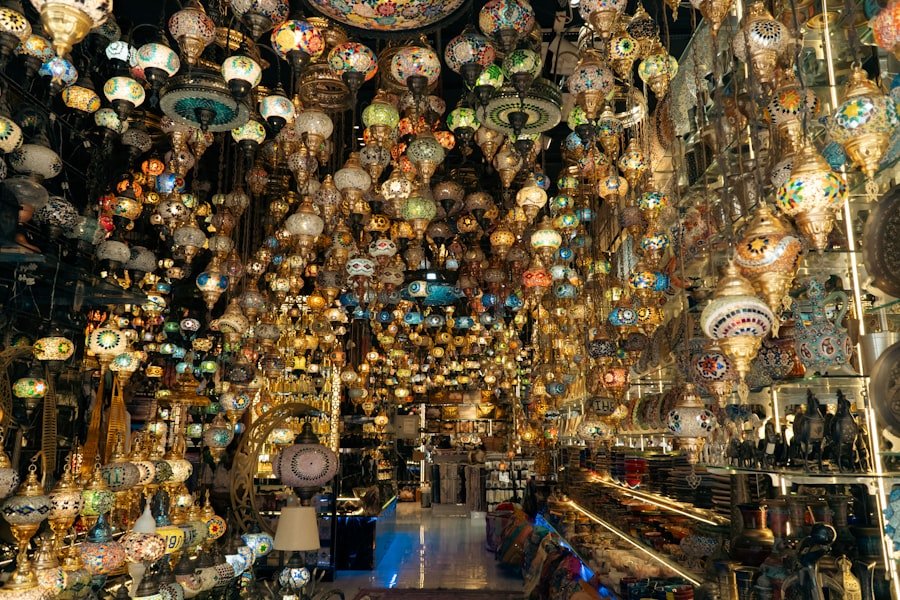
Çukurcuma is the strongest Beyoğlu area for antique hunting and slow browsing. Shops may carry old furniture, lamps, prints, ceramics, books, records, postcards, and small decorative pieces. Prices and condition vary, so examine fragile items carefully and ask about payment, packing, and international transport before buying something large.
Galata is better for contemporary design shops, jewelry, stationery, music, clothing, and stylish souvenirs. Instead of remaining in the crowded square around the tower, follow the side streets toward Serdar-ı Ekrem, Galip Dede, Şişhane, and Karaköy.
For food browsing, Balık Pazarı near Çiçek Pasajı offers fish displays, snack counters, produce shops, taverns, and quick street-food energy. It is not secret to residents, but it provides more local texture than a conventional shopping center.
Where Should You Go for Hidden Nightlife in Beyoğlu?
Beyoğlu nightlife changes quickly, so choose an area rather than depending on one venue. Asmalımescit and Nevizade provide dense clusters of restaurants, taverns, and bars. Galata and Cihangir often suit a quieter drink or late dinner. Karaköy mixes restaurants, cocktail bars, music, and waterfront activity.
Check current event listings for concerts, DJ nights, film screenings, and performances. A venue mentioned in an older guide may have changed its name, opening days, program, or location.
Babylon Bomonti and Arkaoda sometimes appear in broader Istanbul nightlife lists, but neither is a Beyoğlu hidden gem. Babylon Bomonti is in Bomontiada, while Arkaoda is in Kadıköy. Keep them for a citywide nightlife guide.
Warning: No busy city district is risk-free. At night, favor well-lit streets, keep phones and wallets secure in crowds, confirm your route before leaving a venue, use licensed transport, and avoid isolated stairways or unfamiliar shortcuts when walking alone.
How Can You Explore Beyoğlu Like a Local?
Start early for quieter photos around Galata and İstiklal Avenue. Shops and museums may not be open yet, but the architecture is easier to appreciate before the largest crowds arrive. Save museums, galleries, antique shops, and shopping passages for late morning and afternoon.
Use rail connections to reduce climbing. The M2 metro serves Şişhane and Taksim. The F1 funicular connects Taksim with Kabataş, where you can transfer to the T1 tram. Tophane and Karaköy stops are useful for waterfront attractions.
Leave room for wandering. Some of Beyoğlu’s most memorable details are small: an apartment entrance, a courtyard, a stairway view, an old sign, a secondhand bookshop, or a café with only a few tables.
Do not treat residential streets as outdoor film sets. Keep voices low, avoid blocking doorways, and ask before photographing shopkeepers or people at close range.
When Is the Best Time to Visit Beyoğlu Hidden Gems?
Weekday mornings are usually best for quieter streets. Late morning through afternoon works better for museums and shops. Friday and Saturday evenings bring more nightlife but also heavier pedestrian traffic around İstiklal Avenue, Nevizade, Galata, and Karaköy.
Rain makes cobbles and steep pavements slippery, but it also favors an indoor route through Pera Museum, the Istanbul Cinema Museum, SALT Galata, or Istanbul Modern. During hot weather, schedule uphill walking early, spend the warmest hours indoors, and finish near the waterfront.
Monday is the weakest day for a museum-focused plan because several important venues close. An outdoor Monday route can still include Galata’s streets, Kamondo Stairs, İstiklal Avenue, Çukurcuma, Cihangir, Karaköy, and exterior architectural stops.
Is Beyoğlu Accessible for Wheelchairs and Strollers?
Accessibility varies sharply by street and venue. Main transport stations may have lifts, but the surrounding district includes steep slopes, cobbles, stairs, narrow pavements, construction, and parked vehicles that can interrupt a step-free route.
The Museum of Innocence states that only its ground floor is wheelchair accessible. Historic churches, passages, antique shops, and small cafés may also have steps or tight interiors. Contact priority venues directly before your visit and ask whether lifts, accessible entrances, toilets, and companion assistance are available.
For an easier route, focus on the Karaköy and Tophane waterfront, use the T1 tram, and choose a small number of confirmed accessible venues. A lightweight stroller is easier than a wide or heavy model on crowded and uneven streets.
Suggested Half-Day Beyoğlu Hidden Gems Route
This route takes about four to five hours with one museum, brief shopping stops, and a café break. Allow six to seven hours if you enter two museums or add a full meal.
- Start at Tünel or Şişhane: Visit Galata Mevlevihanesi or Casa Botter, then walk down Galip Dede Caddesi.
- Explore Galata: See Galata Tower from the surrounding streets and browse side lanes before the square becomes busiest.
- Continue toward Pera: Choose Pera Museum as your main indoor visit, or remain outside and explore Tepebaşı and Asmalımescit.
- Use the İstiklal side passages: Stop at St. Mary Draperis, Çiçek Pasajı, Balık Pazarı, or the Istanbul Cinema Museum.
- Drop into Çukurcuma: Browse antique shops and choose the Museum of Innocence only if you did not spend substantial time at Pera Museum.
- Finish in Cihangir: Take a café or dinner break. From there, continue downhill toward Tophane or use transport instead of returning uphill to Pera.
A Shorter Karaköy and Galata Route
For a three-hour route, start at Tophane, visit Istanbul Modern or walk its waterfront surroundings, continue to Karaköy, see SALT Galata and Kamondo Stairs, then climb toward Galata Tower. Finish near Tünel, where you have easier onward transport.
Frequently Asked Questions
What is Beyoğlu known for?
Beyoğlu is known for İstiklal Avenue, Galata Tower, Taksim Square, historic passages, churches, museums, cafés, nightlife, and neighborhoods such as Galata, Pera, Karaköy, Tophane, Çukurcuma, and Cihangir.
What are the best hidden gems in Beyoğlu?
Top hidden gems include Çukurcuma’s antique streets, the Museum of Innocence, Pera Museum, St. Mary Draperis Church, Galata Mevlevihanesi, Kamondo Stairs, SALT Galata, Galata side streets, Cihangir cafés, and Karaköy art spaces.
Is Balat in Beyoğlu?
No. Balat is a neighborhood of Fatih on the other side of the Golden Horn. It is worth visiting, but it should not be listed as a Beyoğlu attraction.
Is Çukurcuma worth visiting?
Yes. Çukurcuma is worth visiting for antique shops, the Museum of Innocence, old apartment façades, quiet side streets, and cafés away from the busiest stretch of İstiklal Avenue.
How long do you need for Beyoğlu hidden gems?
Allow four to five hours for one museum, several street stops, and a café break. Plan six to seven hours if you want two museums, extended shopping, and a full meal.
Are Beyoğlu museums open on Mondays?
Several major venues, including Pera Museum, the Museum of Innocence, Istanbul Modern, and SALT, normally close on Mondays. Galata Tower follows a different schedule. Always verify official hours and holiday closures before visiting.
What are the best free hidden gems in Beyoğlu?
Free outdoor stops include Kamondo Stairs, Galata’s side streets, Çukurcuma, Cihangir, Bankalar Caddesi, İstiklal passages, and the Karaköy waterfront. Cultural venues may also offer free exhibitions or limited free-admission periods, but schedules can change.
Is Beyoğlu safe to explore at night?
Conditions vary by street and hour, so no guide can guarantee safety. Stay on active, well-lit routes, protect belongings in crowds, avoid isolated shortcuts, confirm late-night transport, and use licensed taxis or reputable ride services when needed.
Is Beyoğlu easy to visit with a wheelchair or stroller?
Not always. The district has steep streets, cobbles, stairs, and narrow or uneven pavements. Confirm step-free access with individual venues, use rail transport to avoid hills, and consider a waterfront route around Karaköy and Tophane.
Final Thoughts
Beyoğlu’s most rewarding places are close to the famous route, but you need to slow down and enter the side streets to find them. Galata and Pera offer the strongest mix of architecture and museums. Çukurcuma and Cihangir suit antiques and café breaks. Karaköy and Tophane combine contemporary art, food, and the waterfront.
For a balanced half day, choose one cultural venue, one historic passage or church, one shopping area, and one café or viewpoint. That focused plan gives you more time to notice Beyoğlu’s details instead of rushing between landmarks.
Sources
- Museum of Innocence — museum concept, historical period, and relationship to Orhan Pamuk’s novel.
- Pera Museum — Bristol Hotel history and permanent collections.
- Istanbul Modern — current waterfront location, visitor information, and museum facilities.
- SALT Galata — Ottoman Bank history, location, and operating information.
- Republic of Türkiye Ministry of Culture and Tourism — Galata Tower history and visitor information.
- Metro Istanbul — M2, F1, and T1 transport connections used in the route.