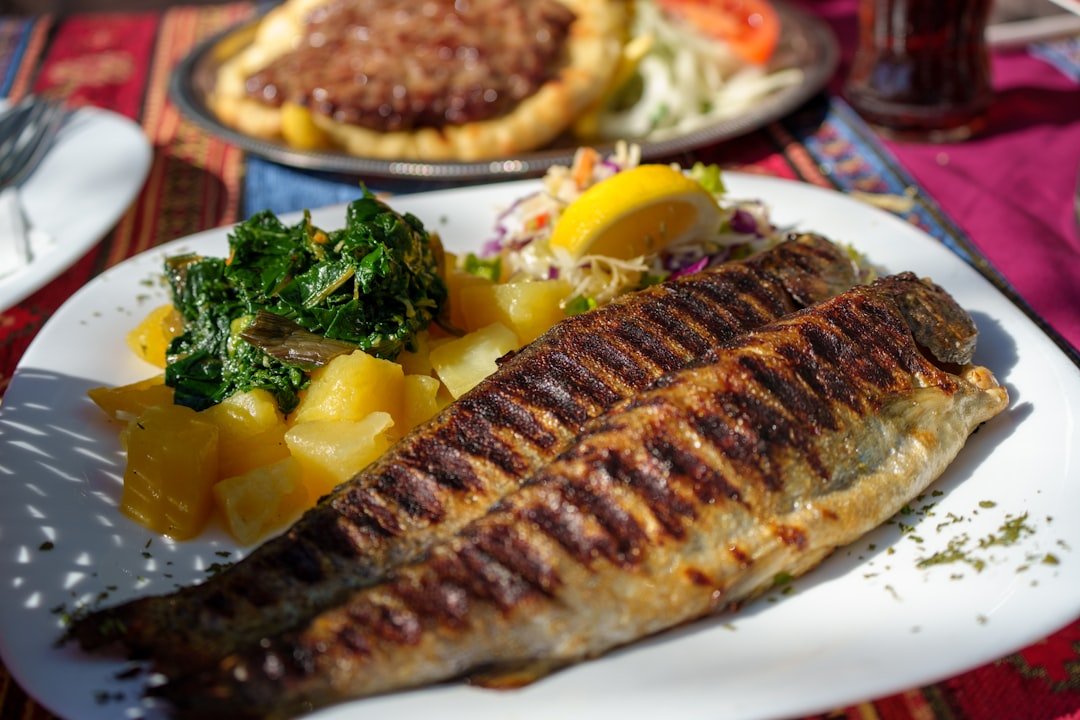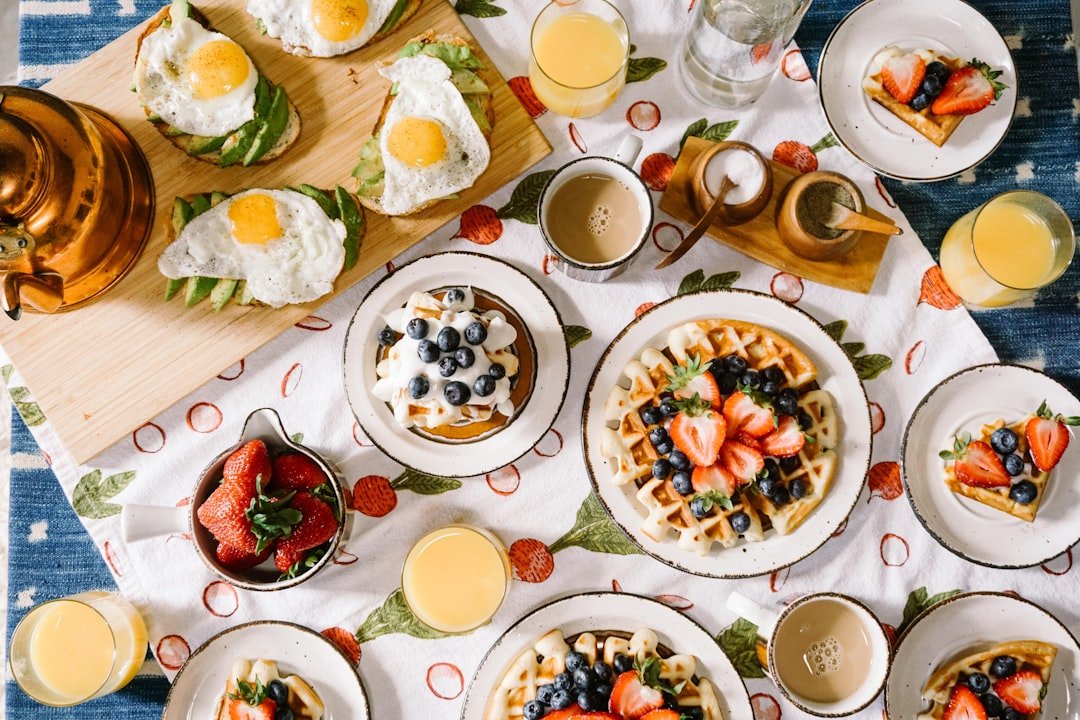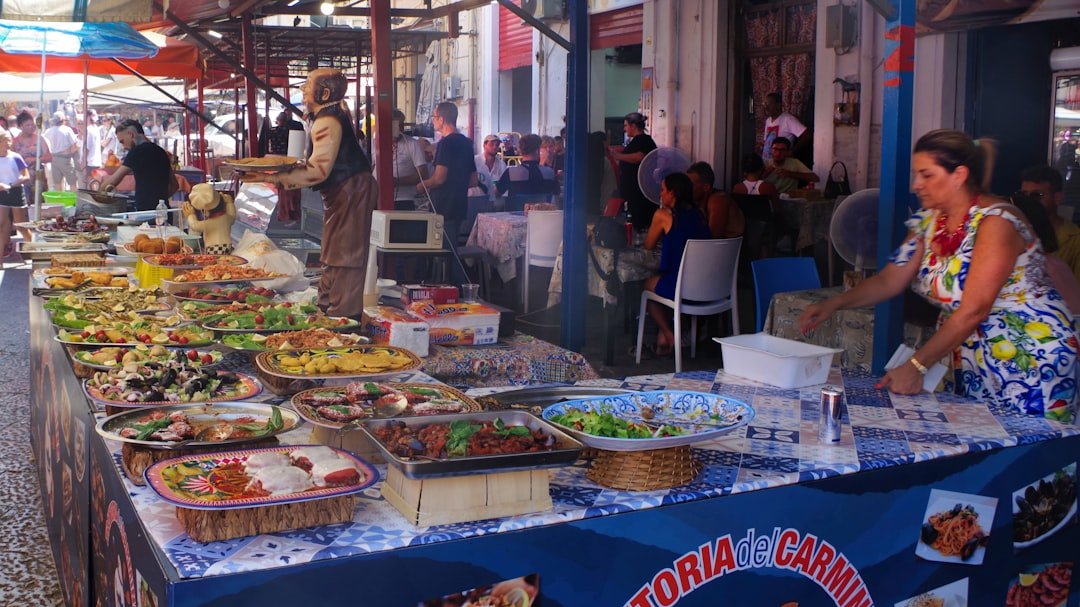
Sultanahmet makes it easy to combine sightseeing with quick Turkish food. Around Hagia Sophia, the Blue Mosque, tram stops, bakeries, kiosks, and takeaway counters, you can try simit, döner, köfte, gözleme, roasted snacks, and sweets. This guide explains what to order, where to look, and how to make safer choices.
Quick Answer
Start a Sultanahmet food walk with hot simit, fresh börek or gözleme, döner, köfte, roasted corn, or baklava. For balık ekmek, continue to nearby Eminönü. Check the price before ordering, choose food cooked thoroughly and served hot, and ask about ingredients if you have allergies or dietary restrictions.
Key Takeaways
- Sultanahmet offers food from carts, bakeries, kiosks, büfe counters, dessert shops, and small takeaway restaurants.
- Good first choices include simit, börek, gözleme, döner, köfte, roasted corn, chestnuts, baklava, and Turkish delight.
- Eminönü is nearby rather than part of Sultanahmet proper, and it is the better-known stop for balık ekmek.
- Favor food that is cooked completely and served steaming hot. Cold food should be kept properly chilled.
- Wheat, sesame, milk, eggs, fish, shellfish, and tree nuts can appear in popular foods, so ask about ingredients and cross-contact.
- Prices, opening hours, menus, and card acceptance can change. Check the displayed price before the vendor prepares your order.
What’s in This Article
- History of Street Food in Sultanahmet
- Popular Street Food in Sultanahmet
- Flavors and Ingredients to Expect
- Street Food Culture in Sultanahmet
- Where to Find Street Food
- A Simple Sultanahmet Food Route
- Vegetarian, Vegan, and Allergy Guide
- Safety, Ordering, and Etiquette
- How Sultanahmet Street Food May Change
- Frequently Asked Questions
- Sources
History of Street Food in Sultanahmet
Sultanahmet lies within Istanbul’s historic core. The UNESCO Historic Areas of Istanbul include a Sultanahmet archaeological component and reflect more than 2,000 years of major political, religious, and artistic history.
Istanbul served first as the capital of the Eastern Roman Empire and later as the capital of the Ottoman Empire. Its position between Europe and Asia, the Black Sea and the Mediterranean, helped bring together travelers, merchants, ingredients, cooking methods, and regional food traditions.
Food sellers also formed part of daily commercial life in Ottoman Istanbul. Historical research on Ottoman guilds and vendors records the growing presence of street sellers, including food sellers, during the seventeenth and eighteenth centuries.
That long tradition helps explain why portable foods remain so visible today. Bread rings, pastries, grilled meat, rice dishes, roasted snacks, sweets, and drinks suit people moving between workplaces, transport stops, markets, and public squares.
Modern Sultanahmet is more visitor-focused than many residential parts of Istanbul. Even so, its carts, bakeries, kiosks, and small counters still offer an accessible introduction to foods eaten across the city.
Popular Street Food in Sultanahmet
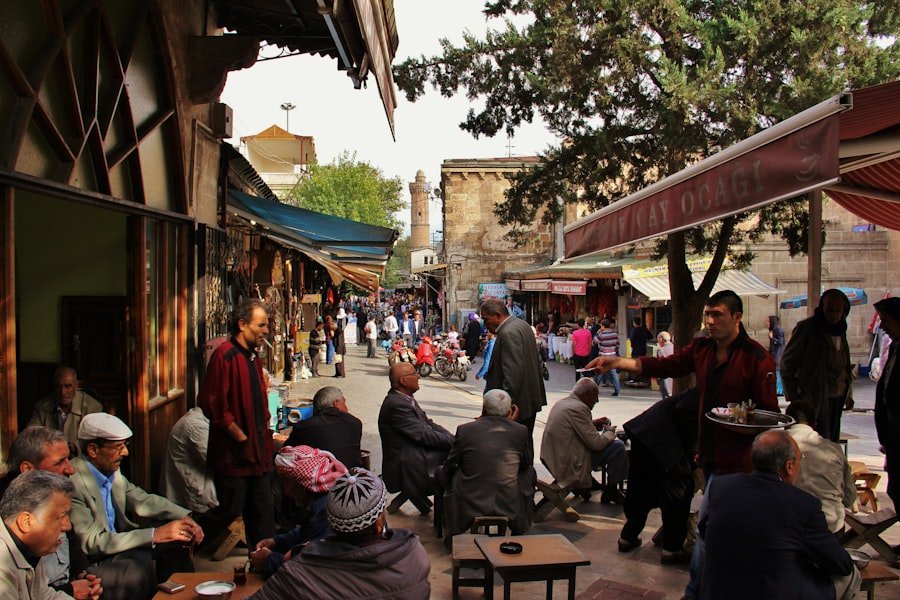
Street food in Sultanahmet does not mean only food sold from a cart. You may also buy quick meals from bakeries, small dessert shops, kiosks, büfe counters, and takeaway restaurants. Availability changes by street, season, and time of day.
| Food | What to Expect | Best For | Common Concerns |
|---|---|---|---|
| Simit | A circular bread coated with sesame seeds, usually crisp outside and chewy inside. | Breakfast or a light snack with tea, cheese, or ayran. | Usually contains wheat and sesame. Recipes may also involve milk, butter, or shared bakery equipment. |
| Börek | Layered pastry filled with cheese, spinach, potato, or minced meat. | A quick breakfast or filling bakery stop. | Often contains wheat, milk, and sometimes egg. Fillings vary. |
| Gözleme | Thin dough filled with cheese, spinach, potato, herbs, or meat and cooked on a flat griddle. | A warm vegetarian or meat-based lunch. | Contains wheat; cheese versions contain milk. Butter, shared griddles, and cross-contact are possible. |
| Döner or dürüm | Seasoned meat sliced from a vertical rotisserie and served in bread, a wrap, or on a plate. | A fast and filling meal. | Meat must be cooked fully. Bread contains wheat, and sauces may contain milk, egg, or sesame. |
| Köfte | Seasoned grilled meat patties, often served with bread, onions, salad, rice, or beans. | A sit-down or takeaway meal associated with Sultanahmet. | Some recipes contain breadcrumbs or egg. Raw garnishes and shared grills may matter to sensitive diners. |
| Corn and chestnuts | Corn may be boiled or grilled. Chestnuts are commonly roasted and are more noticeable in cool weather. | A simple snack between attractions. | Ask what is added to corn. Shared utensils and surfaces may create cross-contact. |
| Baklava and lokum | Baklava combines thin pastry, syrup, butter, and nuts. Lokum is a soft confection sold in many flavors. | A small dessert or edible souvenir. | Baklava commonly contains wheat, milk, and tree nuts. Some lokum contains nuts or may share equipment. |
| Balık ekmek | Grilled fish served in bread, usually with onion, greens, or salad. | A waterfront meal in nearby Eminönü. | Contains fish and wheat. Check that the fish is cooked through and served hot. |
| Midye dolma | Mussels filled with seasoned rice and commonly finished with lemon. | Experienced seafood eaters who can judge the vendor and storage conditions. | Contains shellfish. Skip it when temperature control, cleanliness, or freshness is unclear. |
According to the official GoTürkiye Istanbul street-food guide, simit, balık ekmek, roasted chestnuts, stuffed mussels, and other portable foods form part of Istanbul’s wider street-food culture.
Start with simit when you want something simple. You will often see the sesame-coated rings in bakeries and red carts. Eat one plain or pair it with Turkish tea, cheese, or ayran.
Döner provides a more filling option. Meat is cooked on a vertical rotisserie, cut from the outer cooked layer, and served in bread, a dürüm wrap, or on a plate. Garnishes and sauces differ by seller, so ask what is included rather than assuming every portion is prepared the same way.
Köfte is another practical choice. The grilled patties may come with bread, onions, salad, pickles, rice, or piyaz, a bean salad. A short menu and visible grill can make it easier to understand what you are ordering.
For gözleme, look for dough filled and cooked to order when possible. Cheese, spinach, potato, herbs, and minced meat are common options, although each shop has its own recipes.
Warning: Take extra care with meat, fish, shellfish, rice, dairy-based sauces, and foods containing raw garnish. Avoid any item that should be hot but is sitting lukewarm, or any cold item that is not being kept cold.
Flavors and Ingredients to Expect
Sultanahmet’s quick foods use familiar ingredients in strongly flavored combinations. Sumac gives onions and salads a tart, citrus-like taste. Cumin, black pepper, paprika, pul biber, and other red-pepper seasonings may add warmth to köfte, kebabs, sauces, and fillings.
Fresh parsley, mint, and dill can brighten grilled meat, yogurt dishes, salads, stuffed pastries, and mezes. Onion, tomato, pickles, lemon, and yogurt are also common companions, although no garnish appears on every vendor’s version.
Pomegranate molasses may appear in dressings, salads, or sauces. It adds sweet and tart notes, but it is not a defining ingredient in every Sultanahmet street food.
Bread is the common thread. Simit, dürüm wraps, pide-like breads, pastry sheets, and sandwich rolls make food portable and filling. This also means wheat is difficult to avoid in many of the district’s best-known quick meals.
Popular drinks include Turkish tea, ayran, bottled water, and packaged soft drinks. If food and water hygiene is a concern, choose drinks in factory-sealed containers or tea served steaming hot.
Street Food Culture in Sultanahmet
Street food is woven into Istanbul’s daily movement. People buy breakfast near transport stops, collect pastries from bakeries, eat grilled meat at small counters, and carry roasted snacks through shopping and sightseeing areas.
In Sultanahmet, that routine overlaps with one of the city’s busiest visitor zones. You will see local workers, guides, students, families, and travelers using many of the same bakeries, kiosks, carts, and takeaway counters.
Some foods have changed little in basic form, while individual sellers adapt fillings, portion sizes, sauces, menus, and presentation. A döner wrap may therefore look very different from one counter to the next, even when both use the same familiar name.
For a first visit, start with recognizable foods and add one unfamiliar flavor at a time. Simit, börek, or köfte can be followed by sumac-seasoned onions, ayran, pickles, midye dolma, or another item that requires a little more confidence about ingredients and handling.
Where to Find Street Food in and Near Sultanahmet
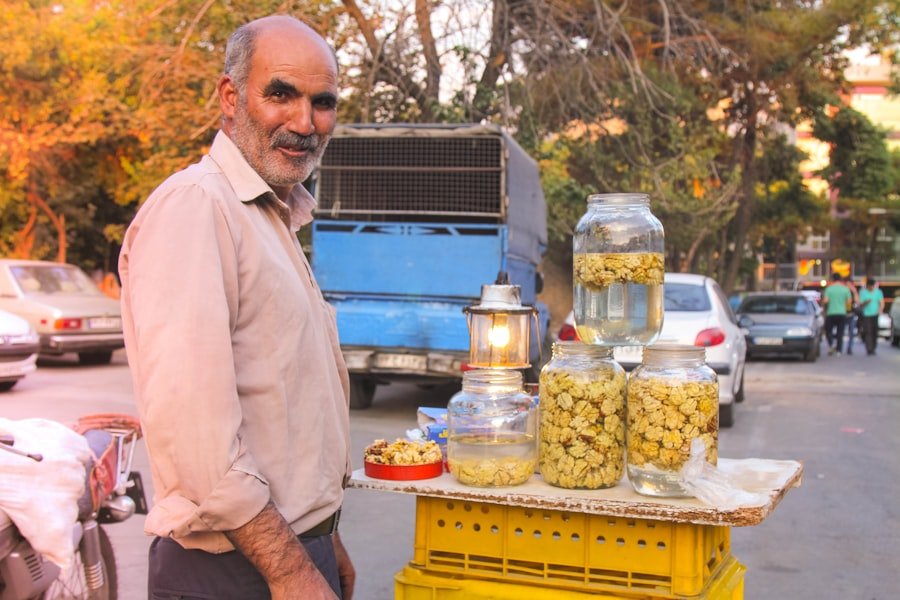
Sultanahmet Square
The square between Hagia Sophia, the Blue Mosque, and the former Hippodrome is the easiest place to begin. Depending on the season and time, you may see simit, corn, chestnut, ice-cream, or drink carts. The area can become crowded, so step away from pedestrian flows before stopping to eat.
Divanyolu and the Sultanahmet Tram Area
The streets around the tram corridor contain bakeries, döner counters, köfte restaurants, dessert shops, and small takeaway businesses. This area is useful when you want something more substantial than a cart snack without planning a long restaurant meal.
Gülhane and Sirkeci
Moving downhill toward Gülhane and Sirkeci broadens the choice of bakeries, grills, sweet shops, rice counters, and local takeaway food. Check several menus before choosing, especially on streets aimed heavily at visitors.
Eminönü Waterfront
Eminönü is not Sultanahmet proper, but it is a natural extension of a food walk. The official GoTürkiye Eminönü guide highlights balık ekmek prepared near the waterfront.
The T1 Kabataş–Bağcılar tram line connects Sultanahmet with Gülhane, Sirkeci, and Eminönü. Eminönü is three stops from Sultanahmet in that direction, although service arrangements can change.
Spice Bazaar and Nearby Market Lanes
The Spice Bazaar area works well for Turkish delight, nuts, dried fruit, spices, tea, and packaged sweets. These are more accurately described as market foods than cart food, but they fit naturally into the same walking route.
Pro Tip: A line of customers can suggest fast turnover, but it does not guarantee safe handling. Also look for clean utensils, protected ingredients, fully cooked food, proper hot or cold holding, and a vendor who handles money separately from ready-to-eat food when possible.
A Simple Sultanahmet Street Food Route
- Begin near Sultanahmet Square: Have simit with Turkish tea, or choose fresh börek from a bakery for a more filling breakfast.
- Add a savory stop: Choose köfte, döner, or freshly cooked gözleme around the tram corridor. Confirm the price and portion before ordering.
- Walk toward Gülhane and Sirkeci: Pause for roasted corn, chestnuts in cool weather, Turkish coffee, or a small dessert.
- Continue to the Spice Bazaar area: Sample a small piece of lokum or baklava and browse nuts, dried fruit, tea, and spices.
- Finish in Eminönü: Order balık ekmek if you eat fish, then use the T1 tram to return when you do not want to walk uphill.
You do not need to eat at every stop. Sharing portions or choosing one sweet and one savory item can make the route more comfortable and reduce food waste.
For a lower-risk food walk, favor food cooked completely and served steaming hot, keep cold foods cold, and be cautious with raw garnishes and shellfish.
Vegetarian, Vegan, and Allergy Guide
Vegetarian Choices
Vegetarian options may include simit, cheese or spinach börek, cheese or potato gözleme, roasted corn, chestnuts, lentil soup, meat-free çiğ köfte, baklava, and lokum. Ask about broth, meat fat, fillings, and shared cooking surfaces because recipes vary.
Vegan Choices
Plain simit, roasted corn, chestnuts, some potato or spinach gözleme, and some meat-free çiğ köfte may be vegan. However, butter, milk, egg, yogurt, cheese, or animal fat can appear in dough, fillings, sauces, and cooking surfaces. Do not rely on appearance alone.
Gluten-Aware Choices
Most simit, börek, gözleme, dürüm, sandwich bread, baklava, and many köfte recipes contain wheat. Plain corn, chestnuts, packaged yogurt, or a clearly prepared rice dish may be more suitable, but shared equipment and hidden ingredients make strict gluten avoidance difficult at small stalls.
Common Allergens
The FDA identifies nine major food allergens, several of which commonly appear in Turkish street food:
- Wheat: Simit, bread, wraps, börek, gözleme, baklava, and possible köfte binders.
- Sesame: Simit coatings, tahini, bread toppings, sauces, and shared bakery surfaces.
- Milk: Cheese fillings, butter, yogurt, ayran, sauces, pastries, and baklava.
- Egg: Some pastries, doughs, sauces, and köfte recipes.
- Tree nuts: Baklava, lokum, desserts, and shared sweet-shop equipment.
- Fish: Balık ekmek and shared seafood grills.
- Shellfish: Midye dolma and shared seafood utensils or surfaces.
- Peanuts and soy: Less obvious, but possible in packaged products, oils, sauces, or shared equipment.
Warning: Small stalls may not have written allergen information or separate preparation areas. If a trace amount could cause a severe reaction, choose a business that can clearly explain ingredients and cross-contact procedures. Carry prescribed emergency medicine as directed. For a life-threatening emergency in Türkiye, call 112.
Safety, Ordering, and Street Food Etiquette
Use a Food-Safety Checklist
The CDC’s food and drink guidance for travelers recommends fully cooked food served hot and warns against food that sits at unsafe temperatures. Use these checks before ordering:
- Choose meat, fish, eggs, and filled pastries that are cooked thoroughly.
- Make sure food intended to be hot is steaming hot rather than lukewarm.
- Check that dairy products, sauces, seafood, and other cold foods are kept chilled.
- Be cautious with raw salad, herbs, cut fruit, and garnishes when washing conditions are unclear.
- Avoid food exposed to dust, insects, repeated touching, or unclean utensils.
- Check whether the vendor uses the same hands or gloves for cash and ready-to-eat food.
- Choose sealed bottled or canned drinks when you are uncertain about water or ice.
- Wash your hands before eating. When soap and water are unavailable, use sanitizer containing at least 60% alcohol.
Ask the Price Before Ordering
Look for a posted menu or price board. If no price is visible, ask before the food is cut, filled, weighed, or prepared. Confirm whether the amount is per piece, per portion, or by weight.
Card acceptance varies. Many established shops accept cards, but a cart or small stall may prefer cash or experience a payment-terminal problem. Carrying a small amount of Turkish lira prevents a simple snack from becoming difficult to pay for.
Use Simple Turkish Phrases
| Turkish | Meaning |
|---|---|
| Merhaba. | Hello. |
| Bir tane, lütfen. | One, please. |
| Ne kadar? | How much? |
| Acısız, lütfen. | Not spicy, please. |
| Et yemiyorum. | I do not eat meat. |
| Alerjim var. | I have an allergy. |
| Bunda süt var mı? | Does this contain milk? |
| Bunda susam var mı? | Does this contain sesame? |
Make Space for Other Customers
Greet the vendor, order clearly, pay promptly, and step to the side once you receive your food. Avoid stopping in the center of a queue, tram entrance, mosque access route, or crowded pavement.
Use nearby bins and avoid feeding birds or leaving food scraps around historic squares. When sitting near a mosque or religious site, follow posted rules and keep entrances clear.
Note: Menus, prices, hours, seasonal carts, and payment methods change. Confirm the current price and ingredients at the point of sale rather than relying on an old photograph, video, or travel post.
How Sultanahmet Street Food May Change
Sultanahmet’s food scene will continue to respond to visitor habits, operating costs, regulations, and changing tastes. Digital menus, contactless payment, online reviews, clearer ingredient information, and vegetarian choices may become more visible, but adoption will differ from one business to another.
Visitors may also place more value on visible cleanliness, straightforward prices, shorter ingredient lists, and less unnecessary packaging. These preferences can encourage better service, although they do not replace formal hygiene practices or responsible food handling.
The strongest future for the area is one that keeps familiar foods accessible while improving menu clarity, allergen communication, waste handling, and customer confidence. Simit, köfte, börek, gözleme, and other classics do not need dramatic reinvention to remain useful and appealing.
For separate reading about an ingredient outside Turkish cuisine, see this guide to Asian melon varieties and uses.
Frequently Asked Questions
What is street food in Sultanahmet?
Street food in Sultanahmet includes quick Turkish foods sold from carts, bakeries, kiosks, büfe counters, dessert shops, and small takeaway restaurants. Common options include simit, börek, döner, köfte, gözleme, roasted snacks, baklava, and Turkish delight.
What are the best street foods to try first in Sultanahmet?
Start with simit, fresh börek, gözleme, döner, köfte, roasted corn, chestnuts, or a small piece of baklava. These choices provide a useful mix of bread, grilled food, savory fillings, and sweets without requiring a complicated order.
Is street food in Sultanahmet safe to eat?
No vendor can be judged by popularity alone. Lower your risk by choosing food cooked completely and served steaming hot, checking that cold food stays chilled, avoiding questionable raw garnishes, washing your hands, and skipping meat, fish, shellfish, rice, or dairy when storage conditions look unclear.
What is the best time to enjoy street food in Sultanahmet?
Morning works well for simit, tea, and bakery foods. Midday and early evening usually provide more döner, köfte, gözleme, and takeaway choices. Chestnut carts are more common in cool weather, and exact hours vary by business and season.
How much does street food in Sultanahmet cost?
Prices can change quickly and differ by portion, street, and type of business. Simit and roasted snacks generally cost less than meat, fish, or full plates. Read the posted menu, confirm whether pricing is per piece or by weight, and ask before preparation when no price is displayed.
Can vegetarians and vegans find street food in Sultanahmet?
Yes. Possible choices include simit, roasted corn, chestnuts, cheese or spinach börek, potato or spinach gözleme, and some meat-free çiğ köfte. Vegans should ask about butter, milk, egg, cheese, yogurt, animal fat, and shared cooking surfaces because recipes vary.
Is balık ekmek found in Sultanahmet?
You may find fish sandwiches in the wider historic district, but balık ekmek is more strongly associated with the Eminönü waterfront. Eminönü is a nearby extension to a Sultanahmet food walk and is three T1 tram stops from Sultanahmet.
Do Sultanahmet street-food vendors accept cards?
Many established shops accept cards, but acceptance varies among carts and small stalls. Carry a small amount of Turkish lira, confirm the payment method before ordering, and check the amount on the terminal before approving a card transaction.
Is street food in Sultanahmet halal?
Many Istanbul meat sellers serve food that they describe as halal, but ingredients, suppliers, preparation practices, and formal certification can differ. Ask the vendor directly if halal certification, shared grills, sauces, or preparation methods are important to you.
What should I do if I have a serious food allergy?
Carry a translated allergy card and any medicine prescribed to you. Ask about ingredients and shared equipment before ordering. If the seller cannot answer clearly, choose another business. For a severe reaction or other life-threatening emergency in Türkiye, call 112.
Food Safety Disclaimer: This article provides general travel information and does not replace medical advice. Travelers who are pregnant, immunocompromised, managing severe allergies, or living with a medical condition may need stricter food precautions. Ask a qualified healthcare professional for advice suited to your health and destination.
Sultanahmet street food gives you a practical way to taste Istanbul while exploring one of its most historic areas. Begin with a familiar food, confirm the price and ingredients, and add new flavors at a pace that suits you.
Choose food for more than appearance or popularity. Look at how it is cooked, stored, covered, and served. A thoughtful route from Sultanahmet Square to nearby Eminönü can turn a sightseeing day into a varied food experience without requiring a formal restaurant plan.
Sources
- UNESCO World Heritage Centre: Historic Areas of Istanbul — supports Sultanahmet’s place within Istanbul’s historic core and the city’s Byzantine and Ottoman history.
- GoTürkiye: Istanbul Street Food Experience Guide — supports recognized Istanbul street foods and the association of balık ekmek with waterfront districts.
- GoTürkiye: Eminönü Travel Guide — supports the Eminönü waterfront and balık-ekmek guidance.
- Metro Istanbul: T1 Kabataş–Bağcılar Tram Line — supports the station sequence connecting Sultanahmet, Gülhane, Sirkeci, and Eminönü.
- Centers for Disease Control and Prevention: Food and Drink Considerations When Traveling — supports hot-food, cold-food, raw-food, beverage, and hand-hygiene precautions.
- U.S. Food and Drug Administration: Food Allergies—What You Need to Know — supports major-allergen information.