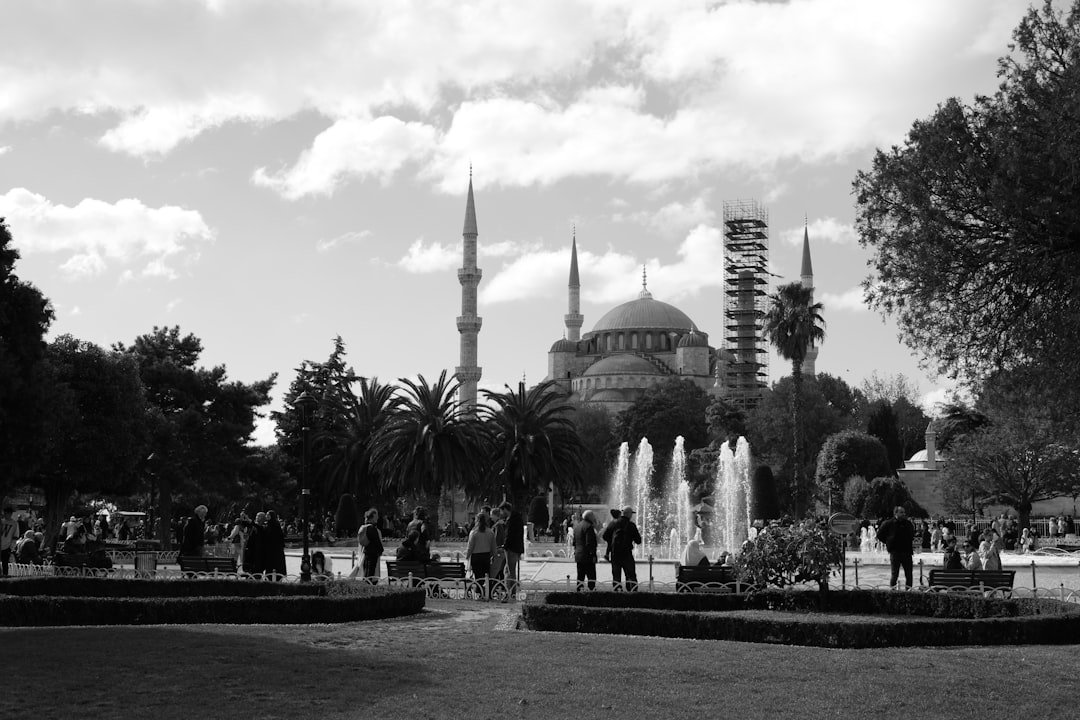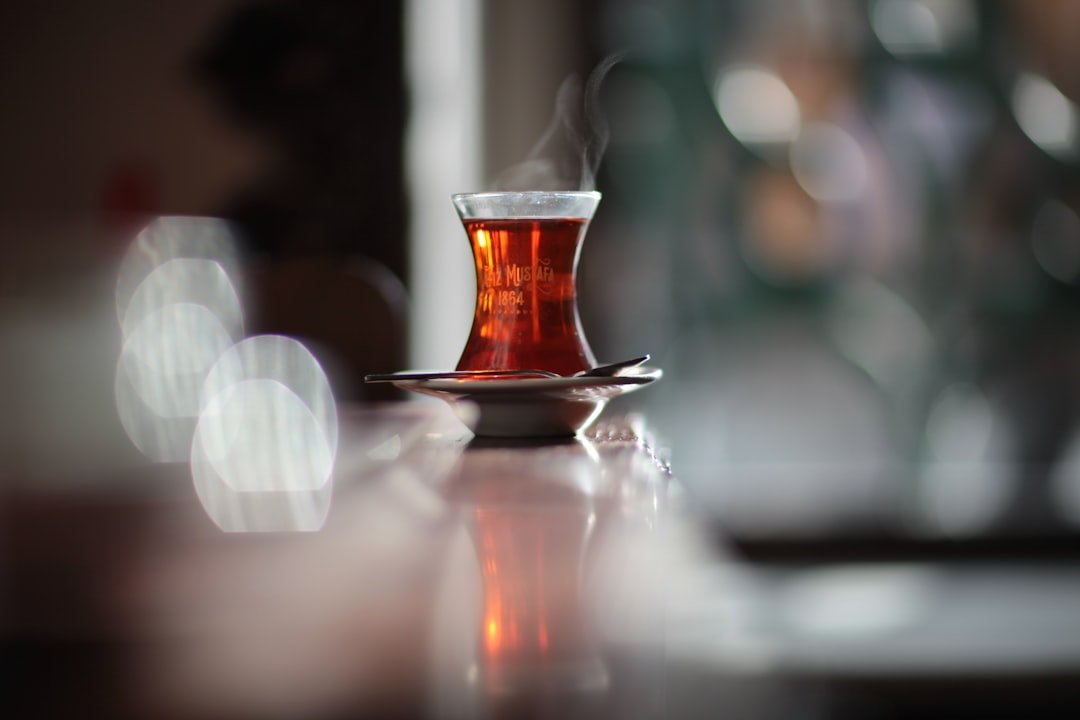
Turkish coffee in Istanbul is more than a strong cup of coffee; it is a centuries-old way of welcoming guests, talking with friends, and slowing down over a small fincan. Coffee became part of Ottoman life in the 16th century, and UNESCO recognizes Turkish coffee culture and tradition as Intangible Cultural Heritage, inscribed in 2013. Today, you can experience the tradition in neighborhood coffeehouses, historic roasters, confectioners, and scenic cafés across Istanbul.
Quick Answer
For Turkish coffee in Istanbul, try Mandabatmaz for a classic Beyoğlu cup, Fazıl Bey for Kadıköy coffee culture, or Pierre Loti for coffee with a Golden Horn view. For coffee to take home, Kurukahveci Mehmet Efendi in Eminönü is one of the city’s historic specialists.
Key Takeaways
- Turkish coffee is brewed unfiltered in a cezve, so the fine grounds settle at the bottom of the cup.
- Choose your sugar level before brewing: sade, az şekerli, orta şekerli, or çok şekerli.
- A good cup has a layer of foam, called köpük, and is commonly served with water and sometimes lokum.
- Coffee-ground fortune telling is a social tradition, while salep is a separate Turkish hot drink rather than a type of Turkish coffee.
How Traditional Turkish Coffee Is Prepared
Turkish coffee uses coffee ground almost as fine as powder, water, and optional sugar cooked together in a small long-handled pot called a cezve. The goal is to build foam slowly without letting the drink boil hard, then pour it unfiltered so the grounds settle in the cup.
The official GoTürkiye Turkish coffee guide describes a low-heat method using about one teaspoon of finely ground coffee for one coffee cup of water. Sugar is added before the cezve goes on the heat.
- Measure the coffee and water. Add one coffee cup of room-temperature water per serving and about one teaspoon of finely ground Turkish coffee.
- Add sugar now, if wanted. Turkish coffee is normally sweetened during brewing rather than after serving.
- Stir before heating. Mix the coffee, water, and sugar, then place the cezve over low heat. Avoid continued stirring once it is heating.
- Watch the foam. As the coffee rises, remove the cezve from the heat before it reaches the rim. A hard rolling boil can reduce the foam and affect the taste.
- Pour gently. Distribute the foam and coffee among small cups. Do not filter it; allow the fine sediment to settle naturally.
Why Turkish Coffee Matters in Turkish Culture
Turkish coffee is closely tied to hospitality, conversation, engagement customs, holidays, and family visits. Serving a guest coffee is not simply about caffeine; the preparation and time spent drinking it are part of the social ritual.
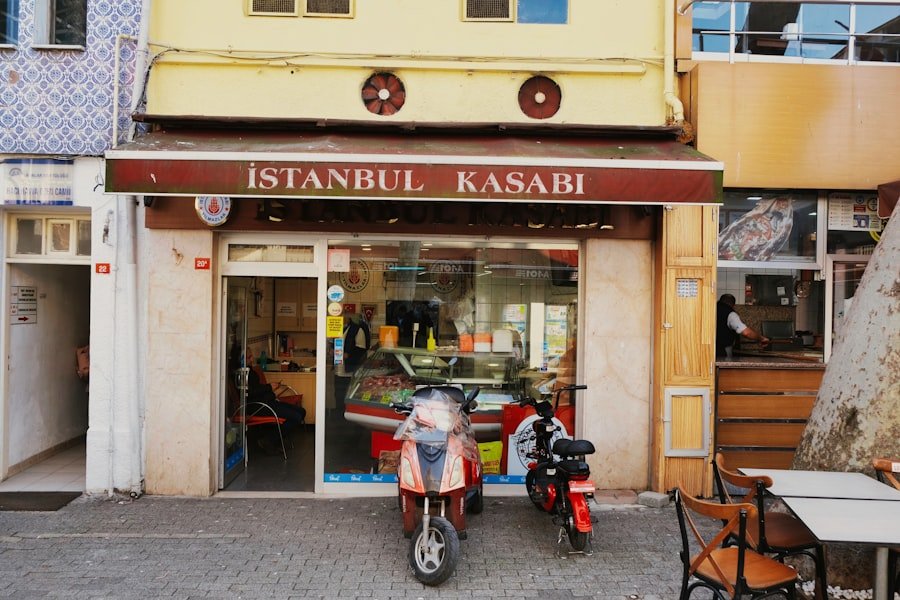
Coffee reached Ottoman Istanbul in the 16th century. UNESCO’s historical account places Istanbul’s first coffeehouse in 1554, when coffeehouses began developing into places for conversation, news, literature, and social life.
The tradition also became part of marriage customs. During a formal visit between prospective families, the bride-to-be traditionally prepares Turkish coffee for the groom and his relatives. In some modern versions of the custom, the groom may receive salted coffee as a playful test.
UNESCO describes Turkish coffee as a symbol of hospitality, friendship, refinement, and social connection. Its cultural value includes the preparation method, serving utensils, coffeehouses, conversation, engagement rituals, and the practice of interpreting the grounds left in the cup.
Where to Drink Turkish Coffee in Istanbul
Istanbul offers several kinds of Turkish coffee stops, from tiny specialist cafés to historic roasters and hilltop establishments. Mandabatmaz and Fazıl Bey are strong choices when the coffee itself is your priority, while Eminönü is useful for buying freshly ground coffee and traditional sweets.
| Place | Area | Best For | What to Know |
|---|---|---|---|
| Mandabatmaz | Beyoğlu | A focused traditional coffee stop | Serving Turkish coffee since 1967 |
| Fazıl Bey’in Türk Kahvesi | Kadıköy | Kadıköy coffee culture | Several official Kadıköy locations |
| Kurukahveci Mehmet Efendi | Eminönü | Buying Turkish coffee to take home | Historic coffee business dating to 1871 |
| Hacı Bekir | Eminönü | Traditional lokum and sweets | Historic confectioner founded in 1777 |
| Pierre Loti Café | Eyüpsultan | Golden Horn views | Historic hilltop coffeehouse setting |
Mandabatmaz in Beyoğlu
Mandabatmaz is a small specialist near İstiklal Avenue in Beyoğlu and has been serving Turkish coffee since 1967. Its compact setting makes it better suited to a focused coffee stop than a long restaurant meal.
The business emphasizes its distinctive roasting, grinding, and preparation method. Its name is associated with the particularly dense foam for which the coffee became known.
Fazıl Bey in Kadıköy
Fazıl Bey’in Türk Kahvesi is closely associated with Kadıköy’s traditional coffee scene. Its official location list includes branches in Kadıköy Çarşı, Rıhtım, Kızıltoprak, Şaşkınbakkal, and Bahariye.
The Kadıköy Çarşı location is at Serasker Caddesi No. 1/A, making it convenient if you are already exploring the market streets around central Kadıköy.
Kurukahveci Mehmet Efendi in Eminönü
Kurukahveci Mehmet Efendi is especially useful when you want Turkish coffee to take home. Mehmet Efendi began roasting, grinding, and selling prepared coffee in 1871, when households commonly bought green beans and roasted and ground them themselves.
The company’s historic center remains in Eminönü, close to the Spice Bazaar area. This is primarily a coffee-roasting and retail stop rather than the same kind of sit-down café experience as Mandabatmaz or Fazıl Bey.
Hacı Bekir for Lokum in Eminönü
Hacı Bekir is a historic confectioner rather than a dedicated Turkish coffeehouse. Its story in Istanbul dates to 1777, when Hacı Bekir Effendi opened a confectionery shop in Bahçekapı.
It belongs on a Turkish coffee route because lokum is one of the classic sweets served with coffee. The historic Eminönü area also makes it easy to combine a coffee purchase with traditional confectionery shopping.
Pierre Loti Café for a Golden Horn View
Pierre Loti Hill in Eyüpsultan offers a different experience: the setting is the main attraction. The hill overlooks the Golden Horn and can be reached on foot or by cable car.
The historic café area is associated with French writer Pierre Loti, who spent time there during his stays in Istanbul. Choose this stop when you want to combine a cup of Turkish coffee or tea with one of the city’s best-known Golden Horn viewpoints.
Flavors and Variations of Turkish Coffee
Classic Turkish coffee is defined mainly by its fine grind, unfiltered brewing method, foam, and chosen sugar level rather than by added flavorings. Some sellers offer flavored blends, but additions such as spices are optional variations rather than a requirement for an authentic cup.
Lokum is commonly served beside Turkish coffee rather than dissolved into it. This gives you a sweet bite between sips without changing the traditional brewing method.
Salep should not be confused with a Turkish coffee variation. The Türkiye Ministry of Culture and Tourism describes salep as a separate hot drink made from salep powder, milk, sugar, and commonly cinnamon. It is especially associated with colder weather.
The Tradition of Fortune Telling with Turkish Coffee Grounds
Coffee-ground fortune telling is one of the best-known social customs connected with Turkish coffee. After you finish drinking, the remaining sediment can be used for a playful reading based on the shapes left inside the cup and on the saucer.
The usual ritual is to leave the grounds in the cup, place the saucer over it, turn the cup upside down, and wait for it to cool. Once the cup is lifted, the streaks and shapes are interpreted as symbols or stories.
The practice is best understood as a social tradition and form of entertainment rather than a factual way to predict future events. UNESCO also identifies reading the grounds left in the cup as part of the broader culture surrounding Turkish coffee.
How to Order Turkish Coffee Like a Local
Ordering Turkish coffee in Istanbul is simple once you know the sugar terms. The most important point is to choose the sweetness before brewing because the sugar is cooked with the coffee rather than normally stirred into the finished cup.
Ask for Türk kahvesi, then give your preferred sugar level. For example, “Bir sade Türk kahvesi, lütfen” means you want one unsweetened Turkish coffee.
| Order | Meaning | GoTürkiye Reference Amount |
|---|---|---|
| Sade | No sugar | No sugar |
| Az şekerli | A little sweet | 1 sugar cube, about 2–3 g |
| Orta şekerli | Medium sweet | 1½ sugar cubes, about 3–4.5 g |
| Çok şekerli | Very sweet | 2 sugar cubes, about 4–6 g |
In this context, orta refers to the amount of sugar, not the strength of the coffee. You may also hear simply “şekerli” when someone wants a sweet cup.
Tips for Enjoying Turkish Coffee in Istanbul
Turkish coffee is designed to be sipped slowly. Give the grounds a moment to settle, drink from the clear upper portion of the cup, and stop before reaching the thick sediment at the bottom.
- Drink the water first if you wish to follow the traditional presentation. It refreshes your palate before the coffee.
- Do not stir the finished cup. Stirring lifts the settled grounds back into the drink and disturbs the foam.
- Look for köpük. A visible foam layer is a traditional sign of careful preparation.
- Expect a small serving. Turkish coffee is concentrated and served in a fincan rather than a large mug.
- Try different neighborhoods. A small Beyoğlu specialist, a Kadıköy institution, and an Eyüpsultan viewpoint offer very different settings for the same tradition.
Turkish Coffee and Dessert Pairings
Turkish coffee pairs naturally with small, sweet foods because the sweetness contrasts with the coffee’s concentrated roasted flavor. Lokum is the classic light accompaniment and is especially convenient when you want only a small bite.
Baklava is richer, combining syrup, nuts, and crisp pastry with the bitterness of coffee. Künefe offers a heavier combination of warm shredded pastry, syrup, and cheese, while şekerpare provides a softer syrup-soaked option.
If you order your coffee very sweet, a smaller or less sugary accompaniment may give you a better balance. With sade coffee, sweeter desserts can provide a stronger contrast.
Turkish Coffee Workshops and Tours in Istanbul
A hands-on workshop can be useful if you want to understand the technique rather than only taste the finished drink. Current Istanbul experiences commonly combine coffee history with grinding, cezve brewing, tasting, and sometimes coffee-ground fortune telling.
Some classes demonstrate brewing over hot sand, while others use a conventional stove or burner. The heat source can differ, but the transferable skills are the same: using a powder-fine grind, measuring for a small cup, controlling heat, protecting the foam, and pouring without filtering.
Buying and Brewing Turkish Coffee at Home
To reproduce Turkish coffee at home, start with coffee ground specifically for Turkish brewing. The grind should be much finer than ordinary filter coffee, so buying it pre-ground is often easier unless your grinder can produce a powder-like consistency.
You will also need a cezve. Traditional versions are often copper or brass, although other materials are available. Match the cezve size to the number of cups you usually make because controlling foam becomes easier when the pot is not excessively large.
Use your serving cup to measure the water, add the coffee and chosen sugar before heating, and follow the slow-heating method described earlier. Pour gently and let the sediment settle before drinking.
If you are buying coffee in Istanbul as a souvenir, choose a package intended for Turkish coffee rather than whole beans or a coarser filter grind. A cezve and a set of small fincan cups can complete the setup without changing the basic brewing method.
More from Tagline Today: Exploring the Delightful World of Asian Melon.
Frequently Asked Questions
What is Turkish coffee?
Turkish coffee is an unfiltered brewing method using very finely ground coffee, water, and optional sugar cooked in a cezve. It is poured directly into a small cup, so the grounds remain in the drink and settle at the bottom while a layer of foam, called köpük, remains on top.
Where can I find Turkish coffee in Istanbul?
You can find Turkish coffee throughout Istanbul in traditional coffeehouses, cafés, restaurants, hotels, and specialist roasters. Beyoğlu and Kadıköy are convenient areas for sit-down coffee stops, while Eminönü is especially useful if you also want freshly ground coffee or traditional sweets to take home.
What are some popular places to drink Turkish coffee in Istanbul?
Mandabatmaz in Beyoğlu and Fazıl Bey in Kadıköy are established choices for a traditional coffee-focused stop. Pierre Loti Café in Eyüpsultan is better known for combining tea or coffee with a Golden Horn view, while Kurukahveci Mehmet Efendi is particularly useful for buying coffee in Eminönü.
What should I look for in a good Turkish coffee?
A well-prepared Turkish coffee should have a fine grind, concentrated flavor, and a visible layer of köpük, or foam. The cup should not be aggressively boiled, and the grounds should be allowed to settle at the bottom so you can sip the liquid without repeatedly stirring sediment into it.
Can I buy Turkish coffee to take home with me?
Yes. Istanbul coffee roasters and specialty shops sell Turkish coffee for home brewing, usually already ground to the powder-fine texture the method requires. If you buy whole beans instead, make sure your grinder can produce a true Turkish-coffee grind rather than the coarser grind used for filter coffee.
How do I order Turkish coffee in Istanbul?
Ask for Türk kahvesi and state your sweetness before the coffee is brewed. Say sade for no sugar, az şekerli for a little sugar, orta or orta şekerli for medium sweetness, and çok şekerli for a very sweet cup. Orta describes sweetness here, not coffee strength.
Do you drink the grounds in Turkish coffee?
No. The grounds are intentionally left in the cup because Turkish coffee is not filtered, but you normally let them settle and stop drinking before reaching the thick sediment at the bottom. Those remaining grounds can then be used for the traditional social practice of coffee-cup fortune telling.
Sources
- UNESCO: Turkish coffee history, its 2013 heritage inscription, coffeehouse culture, engagement traditions, and fortune telling.
- GoTürkiye Turkish Coffee: Traditional preparation, sugar levels, serving customs, foam, water, and regional variations.
- Mandabatmaz: Establishment history and its Turkish coffee tradition in Beyoğlu.
- Fazıl Bey’in Türk Kahvesi: Official Kadıköy branch locations.
- Kurukahveci Mehmet Efendi: Company history and Mehmet Efendi’s coffee-roasting and grinding business from 1871.
- Hacı Bekir: History of the confectionery business founded in Istanbul in 1777.
- GoTürkiye Pierre Loti Hill: Location, café setting, Golden Horn view, and access by walking or cable car.
- Türkiye Ministry of Culture and Tourism: Salep ingredients and preparation as a separate traditional hot drink.
- Turkish coffee fortune telling: Legacy source retained from the original article; accessibility should be checked before publication.