Finding the best simit in Istanbul is less about chasing one famous shop and more about buying it fresh. A good Istanbul simit has a deeply browned, sesame-covered crust, a gentle molasses sweetness, and a chewy center. Karaköy and the Galata Bridge area are easy places to start, while Kadıköy gives you plenty of neighborhood bakeries and busy street carts to compare.
Quick Answer
For a classic first taste, start around Karaköy and the approaches to Galata Bridge, where busy bakeries and carts make fresh simit easy to find. Karaköy Galata Simitçisi is a long-running bakery option. Kadıköy is ideal for comparing neighborhood bakeries, while Simit Sarayı offers a widely available chain alternative.
Last checked: October 1, 2026. Dates and figures were verified against official and authoritative sources.
Key Takeaways
- Freshness matters more than reputation: busy carts and bakeries with fast turnover are usually the safest choice.
- Registered İstanbul Simidi uses a double-strand shape, cold molasses coating, sesame, and baking rather than boiling the shaped dough.
- Karaköy and the Galata Bridge area are convenient on the European side; Kadıköy is a strong choice on the Asian side.
- The reported standard Istanbul simit price rose to 30 TL on September 26, 2026, although cafés and tourist venues may charge differently.
- Tea, white cheese, tomatoes, cucumbers, olives, jam, and honey are classic companions.
Where to Find the Best Simit in Istanbul
The best simit in Istanbul is usually the one that has spent the least time waiting to be sold. Look for a busy bakery or cart with steady turnover, plenty of toasted sesame, a deep brown crust, and a ring that still feels crisp rather than leathery.
Simit is sold across Istanbul in bakeries, cafés, restaurants, metro areas, and street carts. The Turkish tourism authority also describes simit as a common part of breakfast and an everyday grab-and-go food in the city in its guide to Turkish breakfast in Istanbul.
Galata Bridge and Eminönü: The Classic Street-Cart Experience
The approaches to Galata Bridge are one of the easiest places for a visitor to combine simit with an unmistakably Istanbul setting. Around Eminönü, Karaköy, ferry terminals, and other high-footfall areas, street carts cater to commuters as well as visitors.
Buy from a cart with visible turnover rather than choosing by appearance alone. Simit loses much of its appeal as the crust sits and softens, so a warm or recently delivered ring is more important than a particularly scenic cart.
A simit and tea near the waterfront also gives you the simple version of an Istanbul breakfast without committing to a full restaurant spread. If you are sightseeing around the historic peninsula, this is one of the easiest ways to fit simit into the morning.
Karaköy: Try a Dedicated Simit Bakery
Karaköy is a practical choice if you prefer buying directly from a bakery. Karaköy Galata Simitçisi on Mumhane Caddesi is a long-running specialist associated with traditional oven-baked simit and is frequently cited for its fresh morning batches.
Karaköy also works well because you can take your simit toward the waterfront, Galata, or nearby ferry connections. Go early if freshness is your priority; you are more likely to catch active baking and faster turnover during breakfast hours.
Simit Sarayı is another familiar option if you want a café-style setting rather than a street cart. Its official store directory lists Istanbul locations including central branches, making it easier to find one near your route.
Kadıköy: Compare Neighborhood Bakeries and Street Simit
Kadıköy is one of the easiest places on the Asian side to compare bakery simit with street-cart simit. The streets around the market and ferry area have heavy morning foot traffic, so you can judge several options without making a special cross-city trip for one bakery.
Instead of looking only for unusual toppings, start with a plain sesame simit. That makes it easier to judge the crust, sesame flavor, molasses coating, chew, and freshness before trying modern versions.
What Should Good Istanbul Simit Taste Like?
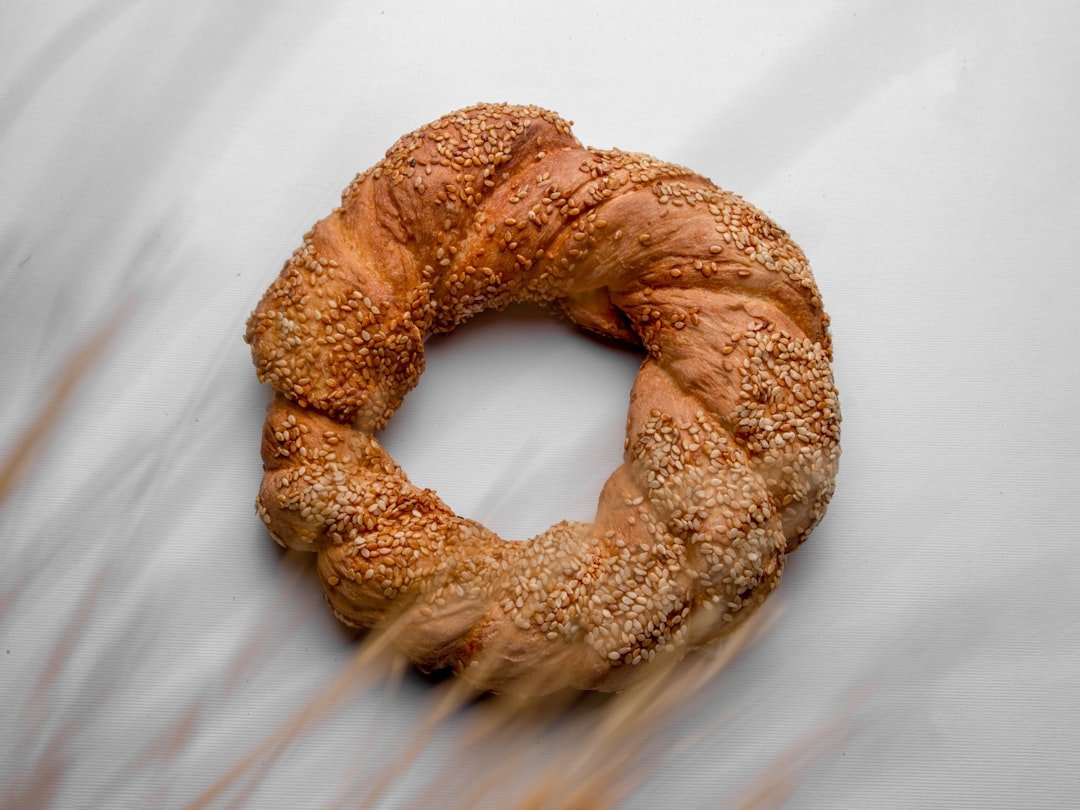
A good Istanbul simit should be crisp on the outside, pleasantly chewy inside, nutty from toasted sesame, and only mildly sweet from pekmez, or molasses. It should not taste like a soft bread roll covered with a few sesame seeds.
The registered İstanbul Simidi specification gives a useful benchmark. The dough is formed as a double-strand twisted ring, dipped in a room-temperature molasses solution, covered with fine sesame, and baked. If a simit has been sitting too long, the crust usually loses the contrast that makes this style so satisfying.
- Crust: deeply browned and crisp rather than pale or soft.
- Sesame: generous coverage with a clearly toasted aroma.
- Center: chewy and bread-like without being heavy or gummy.
- Sweetness: subtle; pekmez should deepen the crust rather than turn the bread into a dessert.
- Freshness: the crust should crack or resist slightly when torn instead of bending like stale bread.
The Perfect Pairings for Simit
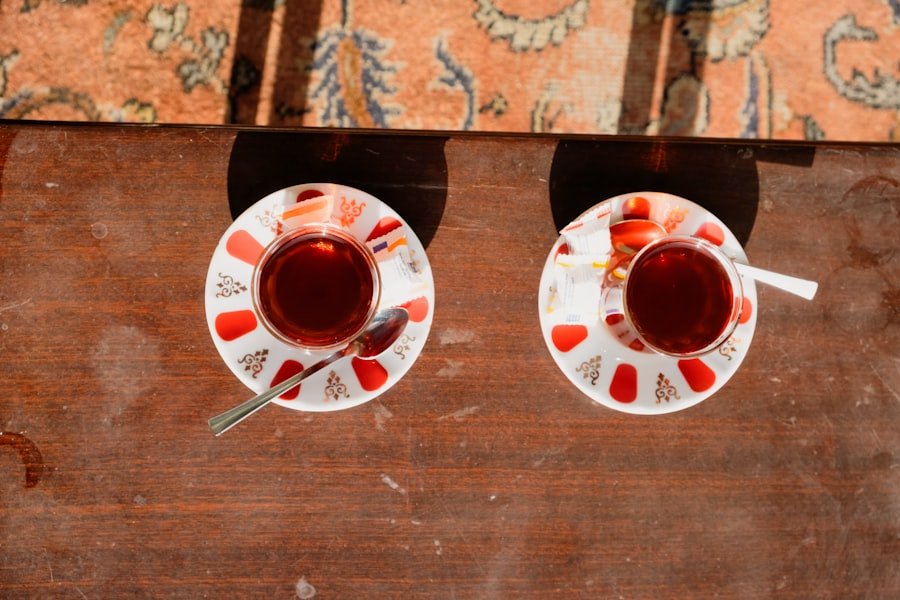
Simit works as a snack on its own, but it becomes a more complete breakfast with a few simple accompaniments. The most familiar pairing is strong Turkish tea, whose slight bitterness works well with toasted sesame and the mild sweetness of the crust.
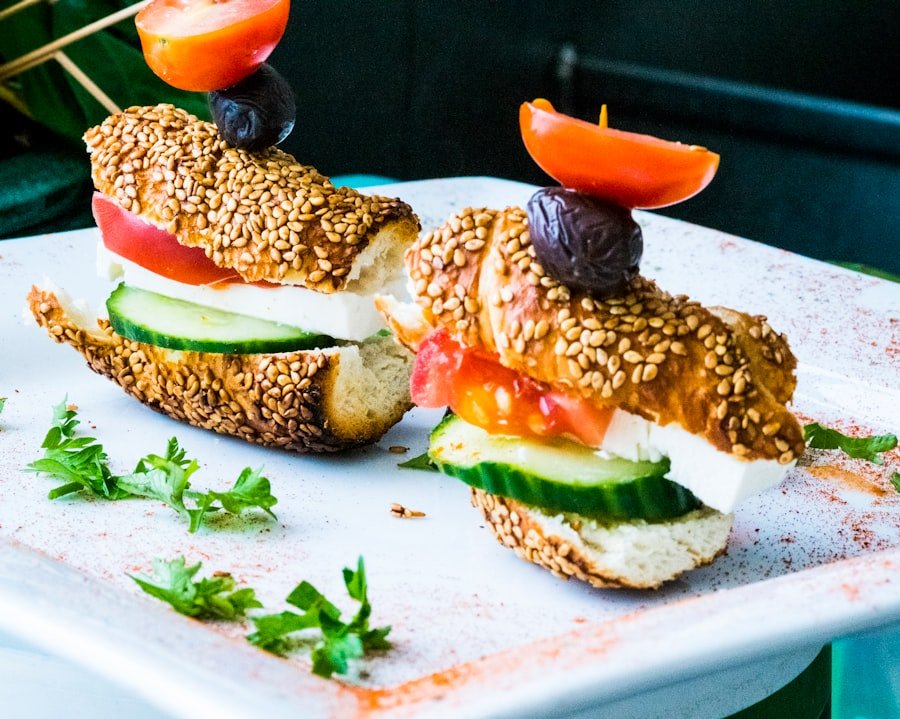
White cheese is another classic choice. Beyaz peynir or feta adds a salty, creamy contrast, while fresh tomatoes and cucumbers keep the meal light and refreshing.
Olives also fit naturally beside simit. For something richer, add olive oil, labneh-style cheese, or a small amount of za’atar. If you prefer sweet flavors, jam or honey works well, especially with a fresh, warm ring.
Apricot jam is an especially easy pairing because its fruitiness works against the toasted sesame without overpowering it. A simple plate of simit, cheese, tomato, cucumber, olives, and tea is enough to give you the character of a Turkish breakfast without ordering a large spread.
The Different Varieties of Simit
Traditional İstanbul Simidi has a defined recipe and production method, but bakeries also sell products labeled whole wheat, multigrain, tahini, filled, or pastry-style simit. These can be enjoyable, but they should not be confused with the registered İstanbul Simidi specification.
| Variety | Typical Ingredients | Texture | What to Know |
|---|---|---|---|
| Classic İstanbul Simidi | Wheat flour, water, salt, fresh yeast, molasses, sesame | Crisp outside, chewy inside | Matches the traditional style when made to the registered specification |
| Whole Wheat Simit | Whole wheat flour or a flour blend, with other ingredients varying by bakery | Often nuttier and denser | A bakery variation rather than the registered İstanbul Simidi formula |
| Multigrain Simit | Flour blend with seeds or grains that vary by baker | Varies from crisp to soft depending on the recipe | Useful if you prefer added grains, but there is no single standard recipe |
You may also see tahinli simit, made with tahini, or products described as simit poğaça. Simit poğaça combines the idea of a sesame-ring pastry with softer poğaça-style dough and may include cheese, olives, or minced meat.
Bakers sometimes use poppy seeds, sunflower seeds, spices, or other toppings. These versions show how the name has expanded beyond the classic product, but a first-time visitor should try plain sesame simit before judging the variations.
The Art of Making Traditional İstanbul Simidi
Traditional İstanbul Simidi is not made by boiling the shaped dough like a bagel. Under the TÜRKPATENT İstanbul Simidi registration, the shaped ring is dipped in a cold, room-temperature molasses solution, coated with fine sesame, rested, and then baked.
The registered method is surprisingly precise. It describes fresh yeast, a double-strand twist, specific dough weights, and separate baking temperatures for stone and other ovens.
- Prepare and knead the dough. Wheat flour, water, salt, and fresh yeast are mixed. The registered process specifies 35–45 minutes of machine kneading.
- Let the dough ferment. The dough rests for about 20–25 minutes at room temperature.
- Shape the rings. Pieces weighing 110–140 grams are rolled into strands and joined in the characteristic double-strand twist.
- Dip in cold pekmez. The shaped dough goes into a room-temperature solution made with grape, mulberry, carob, or fig molasses.
- Coat with sesame. The molasses-coated ring is covered with fine sesame seeds and then rests on a tray for about 10 minutes.
- Bake at high heat. The specification gives 235–250°C for 12–15 minutes in a stone oven, or 280–290°C for 10–15 minutes in other listed oven types.
This method explains why simit is not simply a Turkish version of a bagel. Both are ring-shaped breads, but the surface treatment and baking process are different. The cold pekmez layer helps create the color, gentle sweetness, and surface that holds the sesame.
Simit as a Cultural Icon in Istanbul
Simit has been part of Istanbul’s food culture for centuries. The İstanbul Ticaret Borsası history of İstanbul Simidi says its Ottoman story reaches back to the 14th century and that sources document production in Istanbul from 1525.
The same source points to a 1593 Üsküdar court record in which the weight and price of simid-i halka were standardized. That history helps explain why simit is more than a modern convenience food: its production and sale were already embedded in city life centuries ago.
Today, the familiar sight of a simit cart still connects that history with daily Istanbul. Workers, students, families, and visitors eat it at breakfast, between meals, on the way to transport, or beside the Bosphorus.
Its cultural status became even more formal on October 8, 2025, when İstanbul Simidi was registered as a geographical indication under registration number 1782. The registration covers production within Istanbul and defines the method and physical characteristics associated with the name.
Simit as a Symbol of Turkish Cuisine
Simit represents several traits that appear throughout Turkish food culture: bread as a daily staple, sesame as a major flavor, pekmez as a traditional ingredient, and shared meals built around simple accompaniments. It is inexpensive compared with a restaurant breakfast, easy to carry, and equally at home beside tea or on a larger breakfast table.
The food has also travelled well outside Turkey. Bakeries and Turkish cafés abroad sell versions of simit, although shape, sesame coverage, sweetness, and texture can vary considerably from the Istanbul style.
The simplest way to understand simit is still to eat it fresh. A warm ring with toasted sesame and tea communicates more about the food than elaborate toppings do.
Why Simit Works So Well as Istanbul Street Food
Simit suits street life because it is portable, filling, easy to sell from a compact cart, and does not need cutlery. You can buy one on the way to a ferry or metro station and finish it without interrupting a day of sightseeing.
Street vendors have long been part of simit’s identity in Istanbul. The product is also sold in bakeries, pastry shops, cafés, and dedicated simit chains, giving you a choice between the quick street-cart experience and a sit-down breakfast.
A busy vendor has another advantage: turnover. When rings sell quickly, you are less likely to get simit that has softened after sitting for hours. That is why the length of the queue can sometimes tell you more than a polished storefront.
When Is the Best Time to Eat Simit?
Morning is the best time if you want the strongest chance of finding simit warm and crisp. It is closely tied to breakfast, but Istanbul residents also eat it through the day as a quick snack or light meal.
For breakfast, add tea and white cheese. At midday, simit works with ayran, cheese, or olives. Later in the day, freshness matters more, so choose a bakery that is still producing batches or a cart with steady customer traffic.
Sweet toppings also make simit flexible. Honey or jam can turn it into a simple afternoon snack, while cheese and vegetables keep it firmly savory.
Why Tourists Should Try Simit in Istanbul
Simit is worth trying because it is one of the easiest foods through which to experience everyday Istanbul rather than restaurant-only cuisine. You do not need a reservation, a long menu, or a large budget.
It also fits naturally into sightseeing. Buy one near a ferry terminal, market, transport hub, or neighborhood bakery and eat it while moving between districts. That makes it especially useful on a morning when you would rather explore than sit through a long breakfast.
For your first simit, keep the order simple. Choose a plain sesame ring that looks recently baked, then add tea or cheese. Once you know the classic texture and flavor, try filled, whole-wheat, tahini, or multigrain versions if they appeal to you.
How Much Does Simit Cost in Istanbul in 2026?
As of September 26, 2026, the widely reported citywide price for a standard simit in Istanbul rose from 25 TL to 30 TL. The change was reported for bakeries and street stands in current Istanbul price coverage.
That figure is a useful benchmark rather than a promise that every seller will charge exactly the same amount. Café versions, filled simit, airport outlets, tourist-heavy venues, and larger specialty products can cost more.
The old idea of simit costing only 1–3 TL is no longer realistic in Istanbul. If price matters, compare a standard plain ring with the current 30 TL benchmark before ordering extras such as cheese, tea, spreads, or café service.
How to Choose a Fresh Simit
You do not need expert knowledge to spot a promising simit. The best clues are color, sesame coverage, crust condition, aroma, and how quickly the seller is moving stock.
- Choose a ring with a well-browned surface rather than a pale, bread-like crust.
- Look for generous, evenly toasted sesame coverage.
- Prefer busy carts or bakeries where fresh batches are moving quickly.
- Avoid rings that look visibly dry, flattened, or unusually soft on the outside.
- If several trays are available, ask for the freshest batch rather than automatically taking the nearest one.
Pro Tip: If you specifically want the registered İstanbul Simidi style, look for the double-strand twisted shape, dark sesame crust, and cold-pekmez character. Businesses using the protected İstanbul Simidi name under the geographical-indication system must follow the registered specification.
For another food article on this site, see exploring the delightful world of Asian melon.
Frequently Asked Questions
What is a simit?
Simit is a ring-shaped Turkish bread covered generously with sesame seeds. Traditional İstanbul Simidi is made from wheat flour, water, salt, fresh yeast, molasses, and sesame. The shaped dough is coated with a cold molasses solution and sesame before baking, giving it a browned crust and mild sweetness.
Where can I find the best simit in Istanbul?
Start in Karaköy and around the Galata Bridge approaches for convenient bakeries and busy street carts, or explore Kadıköy for neighborhood options on the Asian side. Karaköy Galata Simitçisi is a traditional bakery choice, while Simit Sarayı offers an accessible chain option across Istanbul.
What makes a simit good?
A good simit has a crisp, deeply browned crust, generous toasted sesame, a chewy center, and only a mild sweetness from molasses. Freshness is especially important. A busy bakery or street cart with fast turnover can therefore be a better choice than a famous seller with simit that has been sitting.
How much is simit in Istanbul in 2026?
A standard simit was widely reported at 30 TL in Istanbul from September 26, 2026, up from 25 TL. Treat that as a citywide benchmark rather than a universal menu price. Cafés, airports, tourist venues, filled versions, and specialty bakeries may charge more than a basic street or bakery simit.
Is simit a healthy snack?
Simit can fit into a balanced diet, but it is still a bread-based food whose nutrition changes with size and recipe. Sesame contributes fat, protein, and minerals, while the bread provides most of the carbohydrates. Pairing simit with vegetables and a protein-rich food such as cheese can make breakfast more substantial.
Is traditional simit vegan?
Traditional plain simit is generally made without eggs, milk, or butter, and the registered İstanbul Simidi ingredients are wheat flour, water, salt, fresh yeast, molasses, and sesame. Filled or bakery variations can contain cheese, dairy, eggs, or other ingredients, so ask about the recipe if you need to avoid them.
Is simit the same as a bagel?
No. Simit and bagels are both ring-shaped breads, but the traditional methods differ. Registered İstanbul Simidi is dipped in a cold molasses solution, coated with sesame, and baked rather than boiling the shaped dough. That process helps produce its distinctive sesame-heavy crust, color, mild sweetness, and texture.
Can I buy simit outside Istanbul?
Yes. Simit is sold throughout Turkey and by Turkish bakeries in many other countries, although regional recipes and textures can differ. Simitçi Dünyası and other bakery chains also sell simit-style products. The protected İstanbul Simidi name, however, refers to a registered specification tied specifically to production in Istanbul.
Sources
- TÜRKPATENT — İstanbul Simidi: geographical-indication registration, ingredients, production method, dimensions, and registration date.
- İstanbul Ticaret Borsası: Istanbul simit history, Ottoman records, and traditional consumption.
- GoTürkiye — Turkish Breakfast in Istanbul: simit’s place in Turkish breakfast and common pairings.
- Simit Sarayı Store Directory: current chain presence and Istanbul store information.
- Sözcü: reported September 26, 2026 Istanbul simit price increase from 25 TL to 30 TL.
- Encyclopaedia Britannica — Feta: reference for the cheese mentioned as a simit pairing.