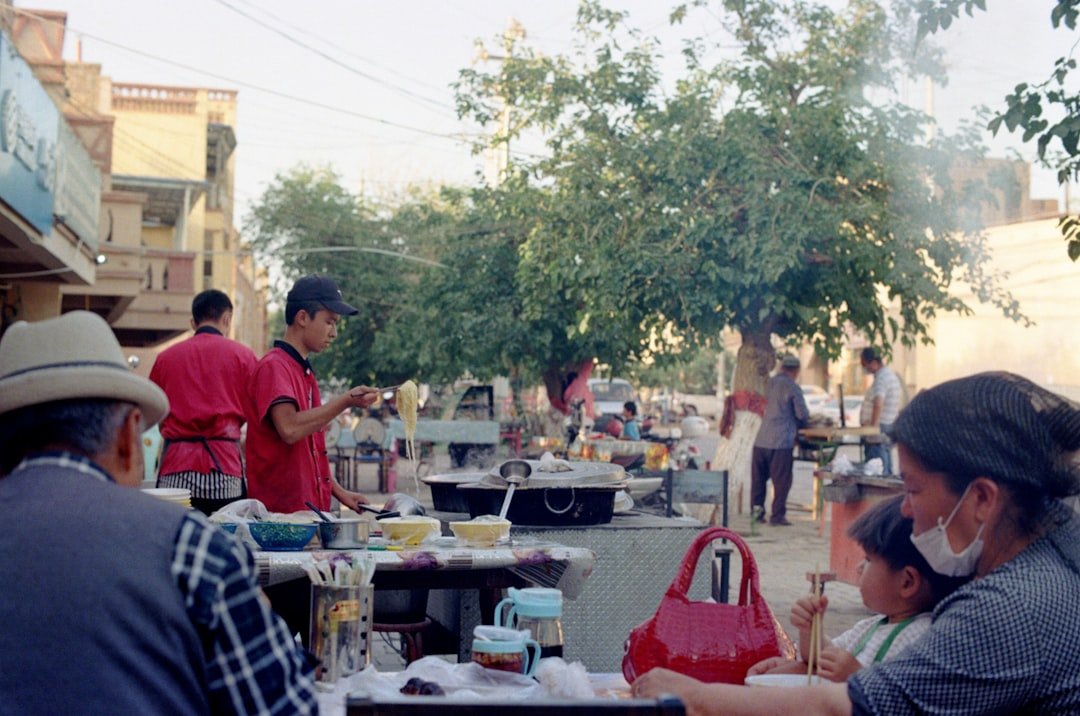
Istanbul is one of the easiest places in Türkiye to explore döner in many forms, from thin slices of meat served on a plate to quick dürüm wraps and bread sandwiches. The best choice depends on whether you want traditional meat döner, wood-fired yaprak döner, chicken döner, a sit-down meal, or a fast lunch near the city’s major sights.
Quick Answer
For classic döner in Istanbul, start with Karadeniz Döner Asım Usta in Beşiktaş, Dönerci Şahin Usta near the Grand Bazaar, Bayramoğlu Döner in Beykoz, or Metet Közde Döner in Kuzguncuk. Look for freshly sliced meat, steady turnover, balanced fat, crisp browned edges, and bread that does not hide the flavor of the döner.
Key Takeaways
- Döner is meat cooked on a rotating vertical spit and shaved as the outside browns.
- For traditional meat döner, specialist shops with rapid turnover are usually more useful than restaurants with enormous menus.
- Popular Istanbul formats include porsiyon (plate), dürüm (wrap), ekmek arası (in bread), and pilav üstü (over rice).
- Döner may be beef, lamb, a beef-lamb mixture, or chicken; the exact recipe varies by shop.
- If you make a ground-meat version at home, use a food thermometer rather than judging doneness by color.
How Döner Kebab Developed in Türkiye
The word döner comes from the Turkish verb associated with turning or rotating, a direct reference to the rotating spit used to cook the meat. Today, Istanbul’s official tourism material presents döner as one of the city’s characteristic street foods.
The exact history of döner has several competing stories, so claims about a single inventor should be treated carefully. However, a well-documented Turkish tradition connects the vertical style strongly with Bursa. The Bursa Provincial Directorate of Culture and Tourism records that İskender Efendi began cooking layered lamb vertically in 1867, creating the preparation associated with Bursa kebabı, commonly known as İskender kebap.
From there, vertical-spit döner became deeply established in Turkish food culture. Istanbul helped turn it into an everyday urban meal available in specialist döner shops, restaurants, shopping districts, and quick-service counters. Turkish migration later helped spread different versions across Europe and beyond, where additional breads, salads, sauces, and serving styles developed.
Döner is defined less by a particular sauce or bread than by its core cooking method: seasoned meat rotating vertically beside a heat source and being shaved from the browned exterior.
Where to Find the Best Doner Kebab in Istanbul
There is no single objectively “best” döner in a city as large as Istanbul. A more useful approach is to choose a specialist according to your route, preferred meat style, and whether you want a quick standing lunch or a slower sit-down meal.
| Place | Area | Best For | What to Know |
|---|---|---|---|
| Karadeniz Döner Asım Usta | Beşiktaş | Focused meat-döner lunch | A compact specialist rather than a long sit-down meal. Current listings show relatively early closing hours, so check before traveling across the city. |
| Dönerci Şahin Usta | Fatih, near the Grand Bazaar | Old-city sightseeing days | Useful when you want a straightforward meat-döner stop without leaving the historic center. |
| Bayramoğlu Döner | Beykoz | Wood-fired yaprak döner | A destination-style option on the Asian side. The restaurant describes its döner as slowly cooked over wood fire. |
| Metet Közde Döner | Kuzguncuk, Üsküdar | Asian-side neighborhood meal | A practical choice if your day already includes Kuzguncuk or Üsküdar. |
| Kızılkayalar | Taksim | Convenient central or late meal | Its current menu includes both meat and chicken döner in several formats, although the brand is also famous for its wet burgers. |
Pro Tip: Some respected döner shops are lunch-focused and can become busy or run low on meat later in the day. Check same-day opening hours and arrive earlier rather than assuming every specialist stays open through dinner.
Zübeyir Ocakbaşı in Beyoğlu is a respected place for the broader Turkish ocakbaşı charcoal-grill experience, but it should not be confused with a dedicated döner specialist. If your goal is specifically döner, one of the specialist shops above is the clearer choice.
Dürümzade in Beyoğlu is better understood as a wrap and kebab-focused stop. Current menus include meat and chicken döner options, but its broader identity centers on dürüm-style dishes rather than only traditional meat döner.
The Different Types of Doner Kebab in Istanbul

Istanbul offers several ways to order döner. Knowing the terminology is more useful than expecting every shop to build the same sandwich.
Et Döner
Et döner means meat döner. Depending on the shop, it may be made from beef, lamb, or a combination. Better specialist versions often emphasize slices of meat and fat rather than masking the döner with a large amount of sauce.
Yaprak Döner
Yaprak means leaf. Yaprak döner generally refers to thin layers or slices of whole meat stacked on the spit. It is especially useful terminology when you want a meat-forward döner rather than a heavily minced or processed texture.
Tavuk Döner
Tavuk döner is chicken döner. It is widely available, usually less expensive than premium meat döner, and often sold in wraps or bread with tomatoes, pickles, greens, potatoes, or sauces depending on the shop.
Döner Dürüm
A döner dürüm wraps shaved meat in thin flatbread. It is portable, easy to eat while exploring, and common throughout Istanbul. Fillings vary widely, so ask what is included if you prefer a simpler meat-focused wrap.
Porsiyon, Ekmek Arası, and Pilav Üstü
- Porsiyon döner: döner served as a plated portion.
- Ekmek arası döner: döner served inside bread.
- Pilav üstü döner: döner served over rice pilaf.
- İskender: sliced döner over pieces of bread with tomato sauce, butter, and yogurt in the Bursa tradition.
How to Make Doner Kebab at Home
A true restaurant döner setup uses a large vertical spit, which is impractical for most home kitchens. The ground lamb-and-beef recipe below is therefore a home-style approximation designed to create a compact meat loaf that can be cooked, thinly sliced, and browned before serving.
At a Glance
| Time Required | About 20 minutes active prep, 8 hours chilling, and roughly 45–60 minutes cooking |
| Difficulty | Moderate |
| Tools Needed | Mixing bowl, loaf pan or compact baking dish, oven, sharp knife, skillet or broiler, and food thermometer |
| Cost | Varies mainly with local lamb and beef prices; the 1 kg meat mixture makes about 8 substantial servings |
Ingredients
| Ingredients | Amount |
|---|---|
| Ground lamb | 500g |
| Ground beef | 500g |
| Onion | 1, finely chopped |
| Garlic | 3 cloves, minced |
| Ground cumin | 1 tsp |
| Paprika | 1 tsp |
| Ground coriander | 1 tsp |
| Salt | 1 tsp |
| Black pepper | 1/2 tsp |
| Sumac | 1/2 tsp |
| Flatbread | 4 pieces |
| Tomato | 1, sliced |
| Red onion | 1, thinly sliced |
| Cucumber | 1, thinly sliced |
| Yogurt | 1 cup |
| Garlic sauce | 1/2 cup |
Step-by-Step Method
- Mix the meat. Combine the ground lamb, ground beef, chopped onion, garlic, cumin, paprika, coriander, salt, pepper, and sumac. Knead thoroughly until the mixture becomes sticky and holds together.
- Pack and chill. Press the mixture firmly into a loaf pan or form it into a compact loaf. Cover and refrigerate for about 8 hours or overnight. Keep the meat refrigerated during marination.
- Cook thoroughly. Bake in a preheated 200°C/400°F oven until the center reaches at least 71.1°C/160°F on a food thermometer. Cooking time will vary with the shape and thickness of the meat.
- Rest and slice. Let the cooked meat rest for about 10 minutes. Use a sharp knife to cut it as thinly as practical.
- Brown the slices. For crisp edges closer to spit-roasted döner, quickly brown the sliced meat in a hot skillet or under a broiler.
- Serve. Fill warm flatbread with meat, tomato, onion, cucumber, yogurt, and garlic sauce, or serve the meat on a plate with rice and salad.
Warning: Ground beef and lamb should reach at least 160°F/71.1°C internally. Chicken or other poultry döner should reach 165°F/73.9°C. Measure with a food thermometer; color alone cannot confirm that ground meat is safe. Keep raw meat separate from ready-to-eat vegetables and refrigerate leftovers promptly.
Note: This ground-meat method reproduces some of the flavor and thin-sliced texture of döner without a commercial vertical rotisserie. Traditional shop-made yaprak döner uses a different stacking and roasting technique.
Best Side Dishes to Pair with Doner Kebab
Döner can be a complete meal by itself, but Turkish side dishes can add freshness, acidity, or starch without overwhelming the meat.
- Pilav: rice pilaf works especially well with plated döner because it absorbs meat juices.
- Çoban salatası: chopped tomato, cucumber, onion, herbs, lemon, and olive oil provide a fresh contrast.
- Pickles: their acidity cuts through richer meat.
- Roasted peppers and tomatoes: simple grilled vegetables complement meat-focused döner.
- Şakşuka: a vegetable dish commonly built around fried or sautéed eggplant and tomato sauce; it can be served as a meze alongside a broader meal.
Doner Kebab Nutrition: Benefits and Trade-Offs

Döner provides protein from meat, while salads and vegetables can add fiber, vitamins, and volume. Yogurt-based accompaniments may add protein and calcium as well. That does not mean every döner meal has the same nutritional profile.
Fat, saturated fat, sodium, calories, and portion size can vary greatly depending on the meat mixture, quantity of added fat, bread, sauces, fries, cheese, and serving size. Public-health guidance from the NHS notes that takeaway döner can be a higher-fat choice and recommends choosing leaner alternatives when reducing saturated fat.
If you want a lighter döner meal, choose a moderate portion, add salad, limit heavy sauces and fries, and consider eating the meat as a plate rather than automatically choosing a very large bread or wrap. Whole-grain bread can add more fiber when it is available, but the overall meal matters more than any single ingredient.
The Cultural Significance of Doner Kebab in Istanbul
Döner is closely tied to Istanbul’s everyday food culture. It can be a fast lunch for office workers, a meal between sightseeing stops, or a late bite in a busy entertainment district. Istanbul’s official visitor information includes döner among the city’s recognizable street foods, reflecting how accessible it has become to both residents and travelers.
The dish also illustrates how food changes as people move. Turkish communities helped popularize döner across Europe, where shops developed local sandwich formats, salad combinations, and sauces. Those international versions can be excellent in their own right, but they should not automatically be treated as identical to the simpler meat-focused preparations found at traditional Turkish döner shops.
Doner Kebab Variations from Different Regions in Turkey
Türkiye has genuine regional döner traditions, but not every regional kebab is a type of döner.
Bursa and İskender Kebap
Bursa is central to one of the best-documented döner traditions. Bursa kebabı, commonly called İskender kebap, combines sliced döner with pieces of pide, tomato sauce, yogurt, and hot butter. Official Bursa tourism sources associate the vertical preparation with İskender Efendi in 1867.
Ankara Döneri
Ankara Döneri is a documented regional product with specific characteristics. Türkiye’s Culture Portal describes it as lamb-based döner prepared without minced meat, using tail fat and slow cooking over glowing oak charcoal. This is a strong example of how regional ingredients and techniques can create a recognizable döner style.
Adana Kebab Is Different
Adana kebabı is an important Turkish kebab, but it is not a döner variation. It uses seasoned minced meat formed around a long skewer and grilled rather than a vertical stack that rotates and is shaved from the outside. Keeping these categories separate makes it easier to understand Türkiye’s much broader kebab tradition.
You may encounter shops using regional or marketing names for other styles, including references to the Aegean region. Recipes can vary, but there is no need to treat every such label as a standardized regional döner tradition.
Best Sauces and Condiments with Doner Kebab
Traditional Turkish döner does not require a heavy sauce. At specialist meat-döner shops, the flavor of the meat may be the main focus, supported by bread, onion, tomato, peppers, pickles, or yogurt depending on the serving style.
Haydari, a thick yogurt-and-herb meze, and acılı ezme, a spicy chopped tomato and pepper mixture, can work well as part of a broader Turkish meal. They are not mandatory döner toppings.
Tahini sauce is common with many foods across the wider Eastern Mediterranean and Middle East, but it should not be presented as a standard Istanbul döner condiment. Likewise, the large range of garlic, chili, mayonnaise-style, and creamy sauces associated with some European döner shops reflects later local adaptations rather than one fixed Turkish formula.
Best Beverages to Enjoy with Doner Kebab
Ayran is one of the easiest pairings. This cold drink made from yogurt, water, and salt works particularly well with grilled and roasted meat.
Şalgam, a fermented drink associated especially with southern Türkiye, offers a stronger salty and tangy flavor and is often available in kebab restaurants. Some versions are spicy.
Turkish tea, or çay, is another easy choice after the meal. Which drink is “best” is mostly personal preference, but ayran is the most natural starting point if you want a classic combination.
Tips for Eating Doner Kebab Like a Local in Istanbul
You do not need complicated etiquette to enjoy döner in Istanbul. A little vocabulary, however, makes ordering much easier.
| Term | Meaning |
|---|---|
| Et döner | Meat döner |
| Tavuk döner | Chicken döner |
| Dürüm | Wrapped in thin flatbread |
| Porsiyon | Served as a plated portion |
| Ekmek arası | Served inside bread |
| Pilav üstü | Served over rice |
If you want to judge the meat itself, start simply. Order a portion or a lightly dressed sandwich rather than covering the first few bites in sauce. Look for meat being cut from a hot, actively cooking spit instead of sitting in a large pile for long periods.
High turnover can be a good practical sign because the outer layer is repeatedly browned, cut, and served. Texture matters too: good döner should have browned edges without becoming uniformly dry or greasy.
Sharing several dishes is also common when sitting down for a fuller Turkish meal, so you can combine döner with salad, yogurt, grilled vegetables, or meze rather than ordering an oversized wrap for each person.
For a completely separate food topic, you can also read Exploring the Delightful World of Asian Melon. It is not a guide to choosing döner, but it covers another ingredient-focused food subject on this site.
Frequently Asked Questions
What is a doner kebab?
Döner kebab is a Turkish preparation in which seasoned meat is stacked on a vertical spit, rotated beside a heat source, and shaved from the cooked outer surface. Beef, lamb, mixed red meat, and chicken versions are common.
What makes a good doner kebab?
Good döner should have well-seasoned meat, browned edges, a juicy interior, balanced fat, and fresh bread or accompaniments. At a busy specialist, steady turnover also means meat is usually being shaved regularly rather than waiting for long periods after cooking.
Where can I find the best doner kebab in Istanbul?
Strong options include Karadeniz Döner Asım Usta in Beşiktaş, Dönerci Şahin Usta in Fatih, Bayramoğlu Döner in Beykoz, and Metet Közde Döner in Kuzguncuk. The best choice depends on your route and whether you want a quick specialist lunch, wood-fired yaprak döner, or an Asian-side meal.
What should I look for when choosing döner in Istanbul?
Look for a shop with active turnover, meat being sliced from the browned outer layer, a clean preparation area, and a menu that treats döner as an important specialty. Decide whether you prefer whole-meat yaprak döner, mixed meat, or chicken before comparing shops.
Which Istanbul neighborhoods are good for döner?
Beşiktaş and Fatih have well-known specialist stops, while Beyoğlu and Taksim are convenient for central-city dining. On the Asian side, Kuzguncuk and Beykoz have established döner options. There is no need to limit yourself to Sultanahmet if food quality is your main priority.
Is döner the same as shawarma or gyro?
They are related vertical-spit meat traditions, but they are not identical. Döner is Turkish, shawarma developed within Arab cuisines, and gyro is Greek. Seasonings, meat choices, breads, sauces, and accompaniments vary among them.
Is all döner in Istanbul made with lamb?
No. Depending on the restaurant, döner may use beef, lamb, a combination of red meats, or chicken. If the exact meat matters to you, ask the restaurant instead of assuming from the word “döner” alone.
Is döner always halal in Istanbul?
Do not assume a particular restaurant’s certification or sourcing solely because it is in Türkiye. If halal certification or a specific slaughter standard is important to you, ask the individual restaurant about its meat supplier and certification.
Sources
- Bursa Provincial Directorate of Culture and Tourism — Bursa Kebab — historical background on the Bursa/İskender tradition and the 1867 account.
- Visit Istanbul — Street Delicacies — Istanbul’s official visitor information on döner and street-food culture.
- Istanbul Provincial Directorate of Culture and Tourism — National Heritage Inventory — records Döner Kebap among Istanbul’s registered heritage entries.
- Türkiye Culture Portal — Ankara Döneri — documented ingredients and preparation characteristics of Ankara Döneri.
- USDA Food Safety and Inspection Service — Safe Minimum Internal Temperature Chart — safe cooking temperatures for ground meat and poultry.
- NHS — How to Eat Less Saturated Fat — nutrition context for takeaway döner and higher-fat meat choices.