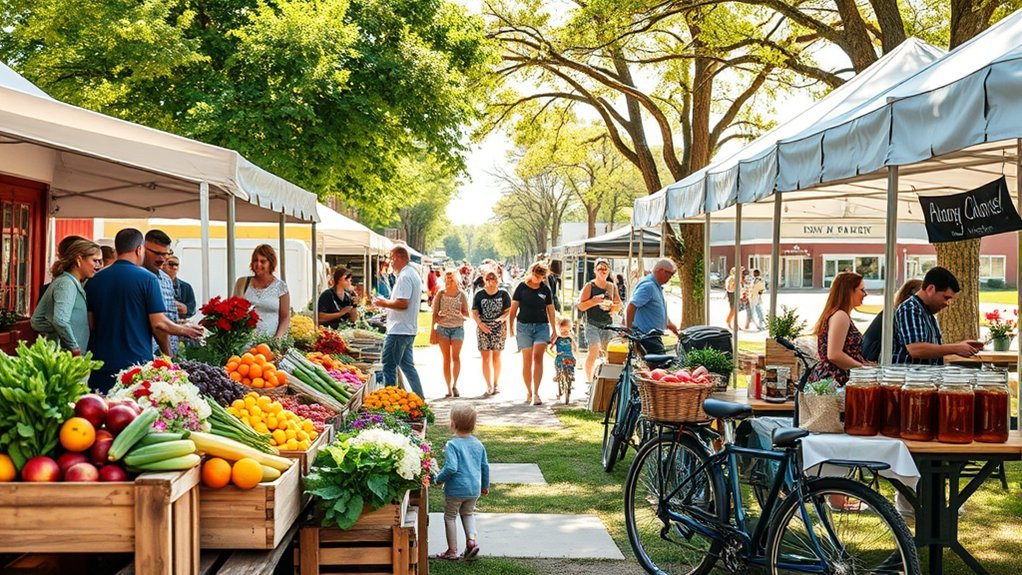
If you want fresh Oklahoma produce, locally made foods, and a chance to meet the people who grow or make what you buy, the Norman Farm Market is one of the most established options in the Oklahoma City metro. The year-round market operates at The Well in downtown Norman, with hours that change by season and a mix of farmers, ranchers, growers, bakers, food producers, and makers.
Quick Answer
Norman Farm Market is a year-round market at The Well, 210 S. James Garner Ave. In 2026, Saturday hours are 8 a.m.–1 p.m. from April through October and 9 a.m.–1 p.m. November through March; Tuesday 4–7 p.m. markets run only April through July. SNAP, Double Up Oklahoma, and senior market benefits are accepted.
Key Takeaways
- Norman Farm Market operates year-round at The Well, 210 S. James Garner Ave.
- Saturday hours are 8 a.m.–1 p.m. April–October and 9 a.m.–1 p.m. November–March.
- Tuesday markets run 4–7 p.m. only from April through July.
- SNAP, Double Up Oklahoma, and Senior Farmers Market Nutrition Program benefits are accepted.
- Parking, a climate-controlled indoor market area, and a free Veggie Valet make larger shopping trips easier.
Why the Norman Farm Market Is a Must-Visit for Fresh Produce
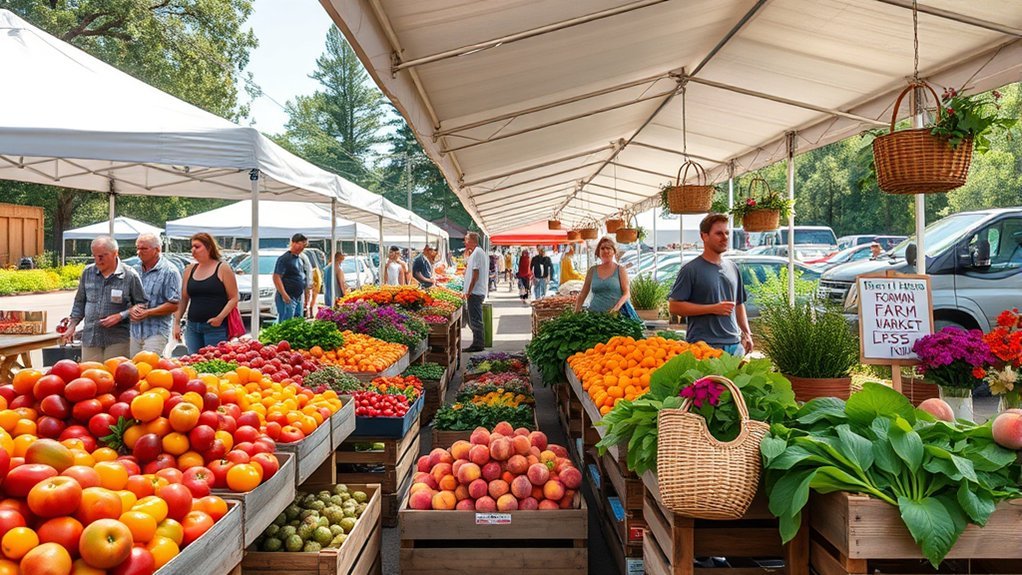
The Norman Farm Market has operated since 1980 and is described by The Well as Oklahoma’s longest-running farmers market. Its current home is the Cleveland County Wellness Square, commonly called The Well, at 210 S. James Garner Ave.
The market building is climate-controlled, so indoor vendors can serve shoppers even when Oklahoma weather is uncomfortable. Cleveland County also lists parking on the west side of the building, on-street parking on the east side, and additional county parking nearby.
For 2026, the regular Saturday market runs from 8 a.m. to 1 p.m. from April through October. Tuesday markets run from 4 p.m. to 7 p.m. from April through July only. From November through March, the winter Saturday market runs from 9 a.m. to 1 p.m. Because hours can change for weather, holidays, or special events, check the official market page before a long drive.
The market also participates in SNAP, Double Up Oklahoma, and the Senior Farmers Market Nutrition Program, helping eligible shoppers use food-assistance benefits for qualifying purchases.
Seasonal Offerings at Farmers Markets in Norman
What you find at Norman Farm Market changes with Oklahoma’s growing seasons and with the vendors attending that week. The Oklahoma Tourism & Recreation Department lists products such as lettuce, tomatoes, squash, grapes, eggs, breads, baked goods, canned jams, plants, and handcrafted soaps among the market’s offerings.
Spring and early summer generally bring a growing selection of fresh vegetables, herbs, plants, and other farm products. The variety tends to expand as more warm-season crops are harvested. Later in the year, shoppers may see a different mix of cool-season produce, preserved foods, baked goods, meats, eggs, honey, and locally made products.
Availability is never guaranteed. Weather, harvest timing, vendor attendance, and demand can change what is on the tables from one Saturday to the next.
Pro Tip: If you want a specific seasonal item, check the market’s latest vendor updates before visiting or ask the producer when that crop is expected to peak. Farmers can also tell you how an unfamiliar variety tastes and how they prefer to prepare it.
What to Expect at the Winter Market?
The winter market keeps Norman’s farmers-market season going after the main warm-season harvest. The official schedule lists winter hours as 9 a.m. to 1 p.m. on Saturdays from November through March.
Unique Seasonal Offerings
Winter does not mean the market becomes produce-free, but the mix naturally changes. Depending on growers and harvest conditions, shoppers may encounter cool-season vegetables alongside eggs, meats, honey, breads, baked goods, canned or preserved foods, and other locally produced items.
The indoor, climate-controlled setting is especially useful during cold or windy weather. Vendor availability can still vary from week to week, so treat any individual product as seasonal rather than guaranteed.
Community Engagement Activities
The Norman Farm Market describes its mission as strengthening the local food system by giving farmers additional sales opportunities and providing education about local and seasonal food. That means a market visit can be more than a transaction: shoppers can ask producers where an item came from, when it was harvested, how it was grown or raised, and how to use it at home.
Special activities and vendor lineups can change throughout the year. For the most current information, use the market’s official website and social channels rather than relying on an old seasonal schedule.
How the Norman Farm Market Engages the Local Community
The Norman Farm Market connects farmers, growers, ranchers, bakers, food producers, and makers with shoppers in a direct-to-consumer setting. Its current 2026 Rules & Regulations reserve most available vendor spaces for farmers, ranchers, growers, and value-added producers.
- Farmers and growers get an additional place to sell directly to customers.
- Shoppers can learn more about local and seasonal food directly from producers.
- SNAP and other nutrition programs improve access to qualifying foods.
- The market provides space for bakers, prepared-food vendors, and a limited number of nonfood producers as part of its overall vendor mix.
This structure helps keep agriculture at the center of the market while still allowing shoppers to find a broader range of Oklahoma-made products.
How to Get Involved as a Vendor
Anyone interested in selling at Norman Farm Market must apply and be approved by market management. Acceptance is not automatic. The current rules say spaces are allocated according to the products being sold, category availability, and the overall needs of the market. Applicants may be placed on a waitlist when their category is full.
Current 2026 rules list regular inside and outside Saturday booth spaces at $30 per week. Tuesday markets from April through July are free for accepted vendors, although vendors still have setup and attendance responsibilities.
Vendors are also responsible for obtaining any licenses or permits that apply to their products. Farmers, meat sellers, egg sellers, prepared-food businesses, and other categories can have different regulatory requirements, so applicants should read the current market rules before submitting an application.
Home-food sellers have additional labeling responsibilities. Norman Farm Market’s current rules require compliant labels, and Oklahoma State University Extension’s Homemade Food Freedom Act guidance explains state requirements. Depending on how the food is sold, required information can include the product description, ingredients in descending order, allergen disclosure, producer or registration information, production information, and the required statement explaining that the product was made in a private residence exempt from government licensing and inspection.
Note: Old winter-season announcements should not be treated as current vendor availability. Baker and other category openings can fill, so use the latest application page and rules when applying.
Nutrition Assistance Programs You Can Use
Norman Farm Market accepts several nutrition-assistance programs, making qualifying local foods more accessible to eligible shoppers.
- SNAP: Shoppers can use eligible Supplemental Nutrition Assistance Program benefits at the market.
- Double Up Oklahoma: At participating markets, SNAP spending can be matched dollar for dollar for qualifying fruits and vegetables, up to the program’s current daily limit.
- Senior Farmers Market Nutrition Program: Eligible seniors can use program benefits for qualifying locally grown foods at participating vendors.
- Market tokens: The Well instructs shoppers to visit the nutrition-assistance table to exchange eligible benefits for the appropriate market tokens.
Double Up Oklahoma currently matches SNAP spending up to $20 per day at participating locations. At farmers markets, shoppers go to the information booth, use their EBT card for SNAP-eligible purchases or tokens, receive the corresponding Double Up tokens, and use those tokens for qualifying fruits and vegetables.
Note: SNAP, Double Up, and senior-market benefits do not necessarily cover the same products. Stop at the nutrition-assistance table before shopping if you are unsure which token or benefit applies to an item.
Nearby Farmers Markets to Explore in the Metro
Older metro-area lists often mention Arcadia Farmers Market, Choctaw Farmers Market, Eastside Fresh Market, and El Reno Farmers Market. Because operating dates and locations can change and current public listings for some of those markets are incomplete, verify their latest schedules before making a special trip.
For 2026, these nearby alternatives have clearer current schedules:
- Moore Farm Market: 700 S. Broadway Ave. in Moore. The City of Moore lists the 2026 season from May 2 through September 19, Saturdays from 8 a.m. to noon. Check the official Moore Farm Market page.
- Noble Farm Market: 304 S. Main St. in Noble. The Double Up Oklahoma directory lists a May–October season with Saturday hours from 8 a.m. to 1 p.m. Check the current Double Up Oklahoma market directory.
- Farmers Market at Scissortail Park: Oklahoma City. Its 2026 regular season runs Saturdays from 9 a.m. to 1 p.m. from May through October. See the official Scissortail Park schedule.
- OKC Farmers Public Market: 311 S. Klein Ave. in Oklahoma City. Its current schedule lists Wednesdays from 4 p.m. to 7 p.m. and Saturdays from 9 a.m. to 2 p.m. See current market hours.
Tips for Making the Most of Your Market Visit
A little planning makes it easier to shop efficiently, especially during peak produce season. Check the current schedule, bring bags for your purchases, and give yourself time to talk with vendors if you have questions about an unfamiliar product.
Plan Your Visit Ahead
For 2026, use these regular hours as your starting point:
- April–October: Saturdays, 8 a.m.–1 p.m.
- April–July only: Tuesdays, 4–7 p.m.
- November–March: Saturdays, 9 a.m.–1 p.m.
The market operates at The Well, 210 S. James Garner Ave. Cleveland County lists parking west of the market, street parking on the east side, and additional county parking nearby.
A free Veggie Valet service allows shoppers to leave purchases with market staff and drive through to collect them afterward, which can be useful when buying several heavy bags.
The 2026 market rules describe the market as rain or shine, although dangerous weather can cause cancellation. Check official updates when severe weather is expected.
The market is also described as family- and pet-friendly. Current dog rules require dogs to remain leashed, with leashes no longer than six feet, and owners must supervise their pets, keep them under control, and clean up after them.
Bring Reusable Bags
Reusable shopping bags are useful for produce, breads, jars, and other market purchases and can reduce the need for extra disposable packaging. A small insulated bag or cooler can also be useful if you plan to purchase chilled foods and will not be heading home immediately.
If you expect a large haul, take advantage of the Veggie Valet instead of carrying every purchase through the market.
Engage With Local Vendors
One advantage of a farmers market is the opportunity to speak directly with the people producing what you buy. Consider asking:
- When was this harvested or made?
- How should I store it?
- What is the best way to cook or serve it?
- Will this product be available later in the season?
- How was it grown, raised, or produced?
These questions provide more useful information than assuming every local product was grown or produced in the same way.
Follow Us for the Latest Updates
Because hours, vendor attendance, weather plans, seasonal products, and special events can change, use the Norman Farm Market’s current online channels before visiting.
The Cleveland County Norman Farm Market page publishes current market information, vendor guidance, and links to its social media accounts. The The Well market page also provides hours, nutrition-assistance information, and newsletter updates.
Checking an official source is particularly useful before a holiday weekend, during severe weather, or when you are visiting specifically for one vendor or product.
Why Supporting Local Farmers Is Important
Buying directly from farmers and local producers can help sustain direct-to-consumer sales channels while giving shoppers more information about where their food comes from. The benefits are real, but they should be described carefully rather than with unsupported universal statistics.
Economic Growth Benefits
Farmers markets create a direct marketplace for farmers, ranchers, growers, and small food businesses. Spending there can support participating businesses and contribute to local and regional food-system activity.
However, there is no reliable universal rule that exactly 67 cents of every farmers-market dollar stays in the local economy. The USDA’s Local Food System Economics Toolkit shows that credible economic-impact estimates depend on local spending patterns, supply chains, opportunity costs, and the region being studied.
The safest conclusion is simple: buying directly from local producers provides revenue to participating farms and food businesses, but the exact wider economic multiplier varies by community.
Environmental Sustainability Practices
Shopping locally can shorten some supply chains, but “local” does not automatically mean organic, pesticide-free, regenerative, or lower-carbon. Farming methods, seasonality, energy use, storage, packaging, and transportation all affect environmental impact.
If sustainability matters to you, ask individual vendors about their practices. Farmers-market shopping gives you an unusually direct opportunity to learn how a particular product was grown, raised, packaged, or transported instead of making assumptions based only on distance.
Community Connection Enhancement
Farmers markets also create direct contact between producers and consumers. That connection can help shoppers understand seasonal availability, discover unfamiliar varieties, learn food-storage or preparation tips, and see how local farms fit into the regional food system.
- Farmers and food producers gain a direct sales outlet.
- Shoppers gain access to seasonal and locally produced items.
- Conversations with vendors can provide information that is difficult to get from a conventional product label.
- Nutrition-assistance programs make eligible market foods more accessible to qualifying households.
For Norman shoppers, those practical connections are a stronger reason to visit than exaggerated claims about every local purchase having exactly the same economic or environmental effect.
Frequently Asked Questions
What Are the Top Selling Items at Farmers Markets?
Norman Farm Market does not publish a current public sales ranking showing its exact top-selling products. Its documented offerings include seasonal produce, eggs, breads and baked goods, jams, plants, soaps, and other locally produced items. Availability and demand change throughout the season.
Is There Anything Fun to Do in Norman, Oklahoma?
Yes. Norman has museums, parks, restaurants, arts venues, University of Oklahoma attractions, and seasonal events. Popular options include the Sam Noble Oklahoma Museum of Natural History and the Fred Jones Jr. Museum of Art. Visit Norman maintains a current attractions and events guide if you want to combine a market trip with other activities.
What Famous Person Is From Norman, Oklahoma?
Actor James Garner is a verified famous Norman native. The Oklahoma Historical Society records that he was born James Scott Bumgarner in Norman on April 7, 1928. Will Rogers was born near Oologah, Ralph Ellison was born in Oklahoma City, and Toby Keith was born in Clinton, so those names should not be described as Norman birthplaces.
Where Is the Farmers Market in Norman?
Norman Farm Market is at The Well, Cleveland County Wellness Square, 210 S. James Garner Ave., Norman, Oklahoma 73069. Cleveland County lists parking west of the market, street parking on the east side, and additional county parking nearby.
Is Norman Farm Market Open Year-Round?
Yes. The regular 2026 schedule is Saturdays from 8 a.m. to 1 p.m. April through October and Saturdays from 9 a.m. to 1 p.m. November through March. Tuesday markets run from 4 p.m. to 7 p.m. only from April through July. Check official updates for weather or holiday changes.
Does Norman Farm Market Accept SNAP and Double Up Oklahoma?
Yes. Norman Farm Market accepts SNAP, Double Up Oklahoma, and Senior Farmers Market Nutrition Program benefits. The Well directs shoppers to the nutrition-assistance table to exchange eligible benefits for the correct tokens. Double Up Oklahoma currently provides a matching benefit of up to $20 per day for qualifying fruits and vegetables.
Sources
- Cleveland County: Norman Farm Market — official location, parking, Veggie Valet, seasonal hours, nutrition benefits, and vendor information.
- Norman Farm Market 2026 Rules & Regulations — current market hours, vendor categories, booth fees, weather rules, pet policy, and vendor requirements.
- The Well: Norman Farm Market — market mission, year-round operation, hours, and nutrition-assistance redemption.
- Oklahoma Tourism & Recreation Department: Norman Farm Market — establishment history, address, hours, and examples of market products.
- Double Up Oklahoma — current SNAP matching process and daily match limit.
- Oklahoma State University Extension: Homemade Food Freedom Act — current Oklahoma homemade-food and labeling guidance.
Conclusion
Norman Farm Market combines fresh and seasonal foods, local producers, nutrition-assistance programs, and a year-round schedule in one convenient downtown Norman location. For the smoothest visit, remember that Tuesday markets operate only from April through July, while Saturdays continue throughout the year with different winter hours.
Bring reusable bags, use the Veggie Valet if you buy more than you want to carry, talk with vendors about what is currently in season, and check the official market page before traveling during severe weather or around holidays. Whether you are shopping for produce, baked goods, eggs, meats, plants, or locally made products, the market offers a practical way to buy directly from Oklahoma producers and learn more about the regional food system.