Raja Puri banana, also written as Rajapuri or Rajapuri Bale, is a regional Indian banana cultivar valued for its compact plant, sturdy growth, thick yellow peel, and balanced sweet-tart flavor. It is especially associated with northern Karnataka, where growers and researchers recognize it as a locally important AAB banana cultivar.
Quick Answer
Raja Puri is an AAB banana cultivar associated with northern Karnataka, India. The plant is usually compact, with broad leaves and a thick pseudostem. Its medium-sized fruit has a thick yellow peel and sweet flesh balanced by mild acidity. You can eat it ripe, cook firmer fruit, or use it in smoothies and baking.
Key Takeaways
- Rajapuri Bale is documented as an AAB cultivar of local importance in India, particularly in northern Karnataka.
- Published descriptions report a compact plant about 6 to 8 feet tall, broad leaves, and a sturdy pseudostem.
- The fruit is generally medium-sized, with a thick yellow peel and a sweet flavor balanced by mild acidity.
- The nutrition figures commonly quoted online are for generic raw banana, not laboratory-tested Raja Puri fruit.
- Ripe fruit works well for fresh eating and baking, while firmer fruit is better for frying, roasting, or savory dishes.
The Origin and History of the Raja Puri Banana
The exact domestication history of Raja Puri banana is not well documented in reliable public sources. What is supported is that India’s National Research Centre for Banana lists Rajapuri among banana varieties of local significance in India.
A study published through the CSIR-NIScPR Online Periodicals Repository describes Rajapuri Bale as an AAB cultivar grown in northern Karnataka, especially around Bagalkote, Vijayapura, and Belagavi. This regional record is stronger than broad claims that the cultivar was first domesticated in a specific Indian state centuries ago.
Note: The names Raja Puri, Rajapuri, and Rajapuri Bale are often used for this cultivar. Do not assume that every banana sold under a similar “Raja” name in Southeast Asia is genetically identical.
Raja Puri remains important because it combines edible fruit with a relatively compact, wind-tolerant plant form. Its regional value also shows why conserving locally adapted banana cultivars matters for growers, consumers, and banana genetic diversity.
Characteristics and Appearance of the Raja Puri Banana
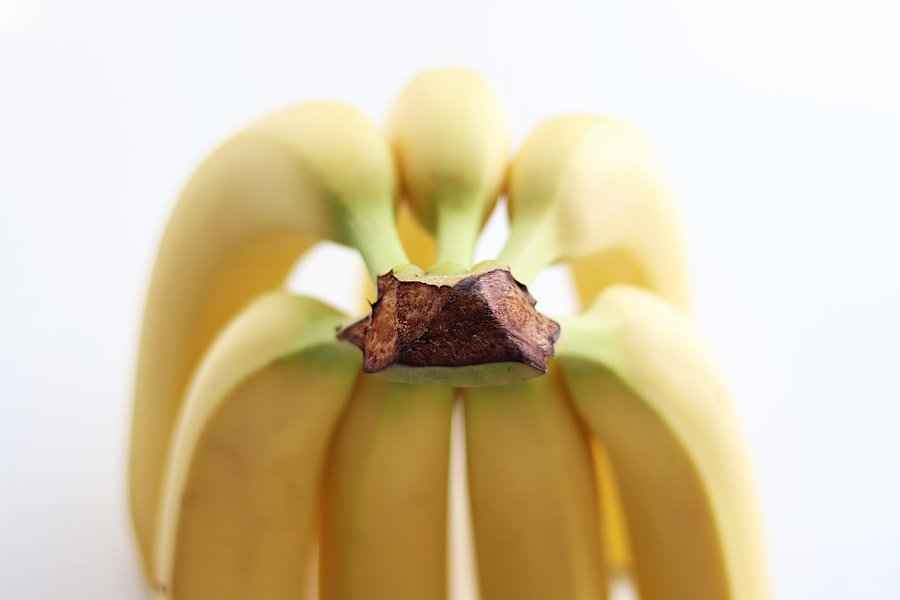
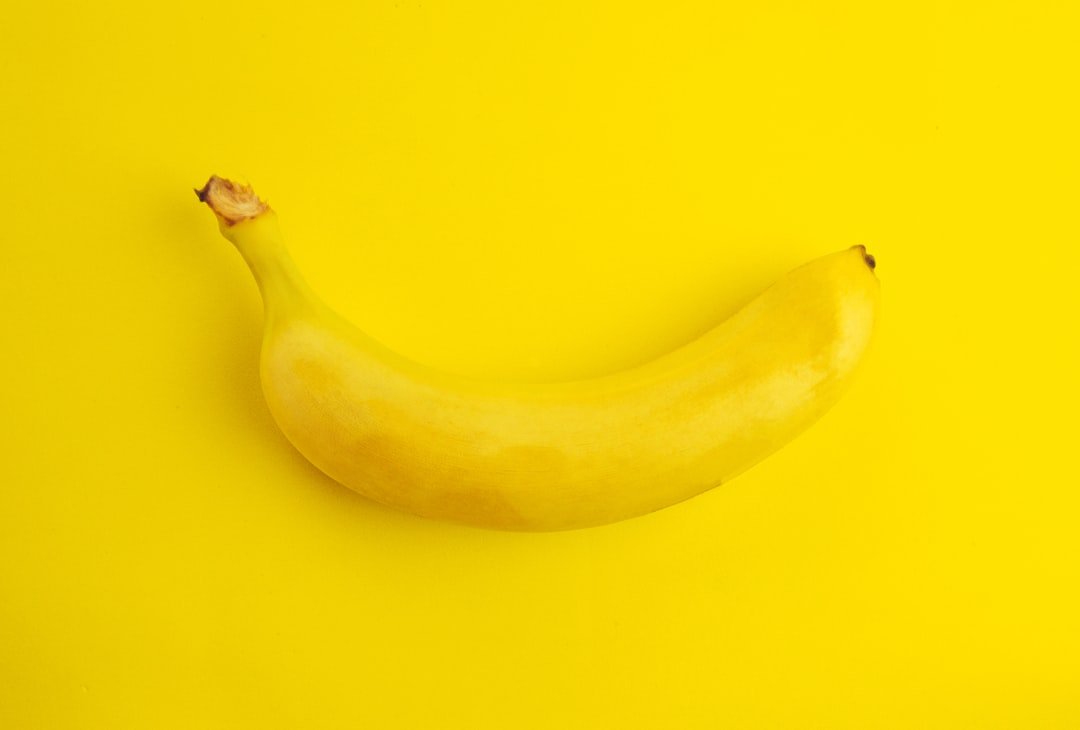
Raja Puri bananas are generally described as medium-sized rather than unusually large. Ripe fruit develops an attractive yellow peel that is thicker than the peel of many common dessert bananas. The pulp has a pleasant sweetness with noticeable acidity, which gives it a more balanced flavor than an intensely sugary banana.
The plant itself is one of the cultivar’s most recognizable features. Published descriptions report a height of about 6 to 8 feet, a thick pseudostem, and broad leaves that may reach about 3 feet across under suitable conditions. Actual plant size, bunch weight, and fruit quality vary with climate, soil, water, nutrition, disease pressure, and crop management.
| Genome group | AAB |
| Reported plant height | About 6 to 8 feet (1.8 to 2.4 metres) |
| Reported bunch | Roughly 10 to 15 kg, with about 8 to 10 hands and 90 to 100 fruits under the conditions described in published cultivar literature |
| Fruit appearance | Medium-sized fruit with a thick yellow peel when ripe |
| Flavor | Sweet with a mild acidic balance |
Published cultivar descriptions report a compact 6-to-8-foot plant and bunches of roughly 10 to 15 kg, but real-world performance depends heavily on the growing environment.
Nutritional Benefits of the Raja Puri Banana
Public nutrient databases do not provide a verified laboratory profile specifically for Raja Puri banana. The table below uses the USDA FoodData Central record for raw banana as a general estimate. The actual nutrient content of Raja Puri fruit can differ because of cultivar, ripeness, soil, climate, and serving size.
| Nutrient | Approximate amount per 100 g raw banana |
|---|---|
| Calories | 89 kcal |
| Carbohydrates | 22.84 g |
| Total sugars | 12.23 g |
| Dietary fiber | 2.6 g |
| Protein | 1.09 g |
| Vitamin C | 8.7 mg |
| Vitamin B6 | 0.367 mg |
| Potassium | 358 mg |
Bananas provide carbohydrate for energy and contain fiber, vitamin B6, vitamin C, and potassium. Their nutrient contribution is useful as part of a varied diet, but one fruit should not be presented as a treatment for digestive, heart, immune, or metabolic disease.
Warning: People with chronic kidney disease, impaired potassium excretion, or medicines that raise blood potassium may need to limit high-potassium foods. Ask a qualified health professional what amount is appropriate for you.
Culinary Uses of the Raja Puri Banana
Raja Puri’s balanced sweetness and firm, creamy pulp make it useful at more than one stage of ripeness. Fully ripe fruit is best for fresh eating, fruit bowls, yogurt, oatmeal, smoothies, banana bread, muffins, pancakes, and frozen desserts.
Firmer fruit can be sliced and pan-cooked, roasted, grilled, or fried. For savory recipes, use fruit that is still firm or only partly ripe so it keeps its shape and does not make the dish overly sweet. It can work in curries, spiced skillet dishes, or flatbread toppings when paired with ingredients such as chili, coconut, lime, cumin, or ginger.
Pro Tip: Use heavily spotted, soft bananas for baking and smoothies. Use yellow but firm bananas for grilling or pan-frying, and use green or barely ripe fruit for savory cooking.
Growing and Harvesting Raja Puri Bananas
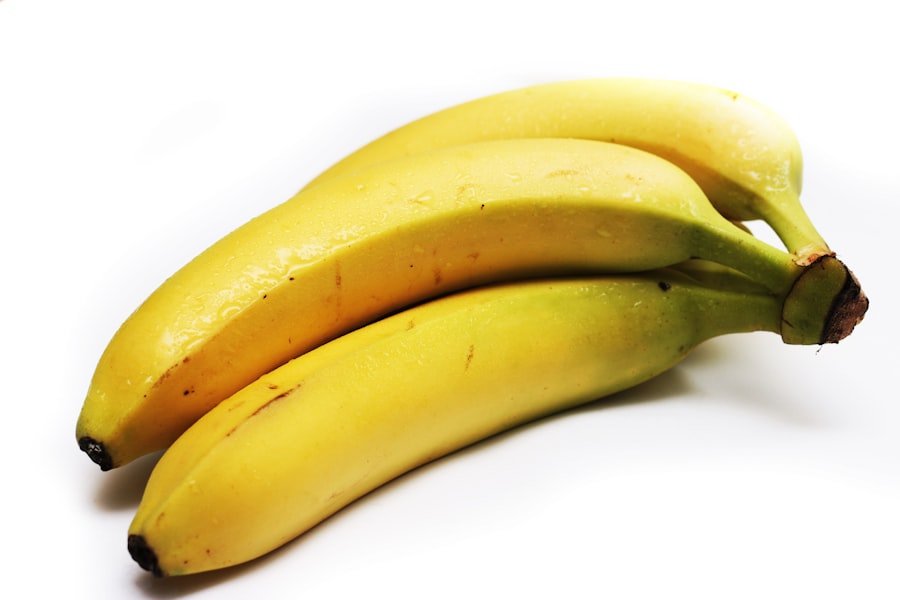
Raja Puri bananas perform best in warm, frost-free conditions with full sun, protection from damaging wind, and organically rich soil that stays moist but drains well. Water consistently during active growth, but do not leave the root zone waterlogged. Mulch can help conserve moisture and reduce weed competition without covering the pseudostem base.
Choose Healthy Planting Material
Bananas are normally propagated from suckers, corms, or tissue-cultured plants rather than seed. Select disease-free planting material from a reliable nursery or clean mother plant. India’s National Research Centre for Banana recommends healthy sword suckers with narrow leaves and stresses the importance of disease-free source plants.
Avoid moving unknown suckers between gardens or regions. Banana pests and diseases can travel in corms, roots, soil, and infected plant material. Local quarantine rules may restrict movement of banana plants.
Maintain the Banana Mat
A banana pseudostem fruits once and then dies. After harvest, cut the spent pseudostem back safely and allow one or two healthy replacement suckers to continue growing. Removing weak excess suckers reduces crowding and competition for water and nutrients.
Know When to Harvest
According to the University of Hawai‘i College of Tropical Agriculture and Human Resources, a banana bunch is ready to cut when the fingers become light green and their sharp angles look more rounded. Support the bunch while cutting because it can be heavy and easily bruised.
Harvested mature-green fruit can ripen at room temperature. Handle it gently, keep it out of direct sun, and check it daily. Green bananas are sensitive to chilling. Once fully ripe, refrigeration may slow further softening, but the peel will darken and cold storage can affect texture.
Warning: Watch for Fusarium wilt, Sigatoka leaf spots, banana bunchy top virus, nematodes, and corm weevils. Do not copy old pesticide instructions from archived web pages. Use only products currently legal for bananas in your location and follow local extension or agriculture-department guidance.
Health Benefits of Consuming Raja Puri Bananas
Raja Puri bananas can contribute energy, fiber, potassium, vitamin B6, and vitamin C to a balanced diet. Fiber supports normal bowel function, while potassium is required for normal cell, nerve, and muscle function. The National Institutes of Health Office of Dietary Supplements notes that diets containing potassium-rich foods may support healthy blood pressure, but the effect depends on the overall diet and individual health.
Bananas still contain digestible carbohydrate and natural sugar. They do not guarantee a flat blood-glucose response. People with diabetes can often include fruit in a meal plan, but portion size and total carbohydrate matter. The National Institute of Diabetes and Digestive and Kidney Diseases recommends considering carbohydrate intake and working with a health professional on an individual eating plan.
Note: Pairing a modest portion of banana with protein or fat, such as plain yogurt or unsalted nuts, may make a snack more filling. This does not replace individualized medical or dietary advice.
Raja Puri Banana Recipes
Simple Raja Puri Banana Smoothie
- 1 ripe Raja Puri banana
- 1 cup milk or unsweetened plant milk
- 1/2 cup plain yogurt
- A small handful of spinach, optional
- Ice and cinnamon to taste
Blend everything until smooth. Taste before adding honey because a ripe banana may provide enough sweetness on its own. Serve immediately.
Raja Puri Banana Bread
- 3 very ripe Raja Puri bananas, mashed
- 1/3 cup melted butter or neutral oil
- 1/2 cup sugar
- 1 large egg
- 1 teaspoon vanilla
- 1 teaspoon baking soda
- 1/4 teaspoon salt
- 1 1/2 cups all-purpose flour
- 1/2 cup chopped nuts or chocolate chips, optional
Heat the oven to 350°F (175°C). Mix the mashed banana, butter, sugar, egg, and vanilla. Stir in the baking soda and salt, then fold in the flour just until combined. Add nuts or chocolate chips if desired. Pour into a greased loaf pan and bake for about 50 to 60 minutes, or until a tester inserted in the center comes out clean.
Spiced Pan-Fried Raja Puri Bananas
- 2 firm yellow Raja Puri bananas
- 1 tablespoon oil or ghee
- 1/4 teaspoon ground cumin
- A pinch of chili powder and salt
- Lime juice to finish
Slice the bananas into thick rounds. Heat the oil, add the banana, and cook until lightly browned on both sides. Sprinkle with cumin, chili, and salt. Finish with lime juice and serve as a sweet-savory side dish.
Raja Puri Bananas in Tropical Cuisine
Bananas appear in many tropical cuisines, but not every banana dish is traditionally made with Raja Puri. Where this cultivar is available, ripe fruit can be used in milk-based desserts such as kheer, blended drinks, steamed sweets, or baked desserts. Its natural sweetness can reduce the amount of added sugar needed in some recipes.
Firm Raja Puri fruit can also be used for fritters inspired by dishes such as pisang goreng. The result will depend on ripeness: soft fruit creates a sweeter, custard-like center, while firmer fruit holds its shape better during frying. Coconut, cardamom, cinnamon, ginger, and jaggery all pair well with its sweet-acid flavor.
Raja Puri Bananas in Traditional Medicine
Bananas have a long history of use in traditional food and wellness practices, including Ayurveda and regional home remedies. These traditions may describe ripe banana as soothing or easy to eat during recovery. However, reliable clinical evidence specific to Raja Puri banana is limited, so traditional claims should not be presented as proven medical effects.
Banana peel is sometimes promoted online as a topical remedy for irritation or minor wounds. There is not enough reliable evidence to recommend applying an unsterile peel to broken skin, and doing so may introduce dirt, pesticide residue, or microbes.
Warning: Do not use banana fruit, peel, or other plant parts as a substitute for medical care. Clean wounds properly and seek professional advice for persistent symptoms, infection, allergy, or a serious health condition.
Embracing the Raja Puri Banana in Your Diet
Raja Puri banana deserves attention as a distinctive regional cultivar rather than as a miracle food. Its compact plant, broad leaves, thick yellow peel, and balanced sweet-tart fruit make it useful for home gardens, fresh eating, baking, smoothies, and cooked dishes.
Enjoy it at the ripeness stage that suits your recipe, handle the fruit gently, and treat nutrition figures as general banana estimates unless cultivar-specific laboratory data is available. Choosing locally grown Raja Puri fruit can also support growers who maintain regional banana diversity.
Frequently Asked Questions
What is Raja Puri banana?
Raja Puri, also called Rajapuri or Rajapuri Bale, is an AAB banana cultivar of local importance in India. It is particularly associated with northern Karnataka and is known for a compact plant, broad leaves, thick yellow peel, and sweet-acid flavor.
Is Raja Puri the same as Rajapuri Bale?
The names are commonly used for the same regional cultivar in Indian horticultural sources. Spelling varies, but similar “Raja” names used for other bananas should not automatically be treated as identical.
How does Raja Puri banana taste?
Published descriptions characterize the ripe pulp as sweet with a pleasant acidic balance. Flavor becomes sweeter and the texture softer as the fruit ripens.
Are Raja Puri bananas large?
The fruit is generally described as medium-sized. The plant is compact, but a well-grown mat can still produce a substantial bunch.
How can you use Raja Puri bananas in cooking?
Eat fully ripe fruit fresh or use it in smoothies, banana bread, muffins, oatmeal, and desserts. Use firmer fruit for grilling, frying, roasting, curries, or other savory dishes where the slices need to hold their shape.
What are the nutritional benefits of Raja Puri bananas?
They provide carbohydrate and likely contribute fiber, potassium, vitamin B6, and vitamin C, as other raw bananas do. However, a cultivar-specific laboratory nutrient profile is not publicly available, so generic banana values should be treated as estimates.
Can people with diabetes eat Raja Puri banana?
Many people with diabetes can include fruit, but bananas contain carbohydrate and can raise blood glucose. Portion size, ripeness, medicines, and the rest of the meal matter. Follow the eating plan recommended by your doctor or registered dietitian.
How should you store Raja Puri bananas?
Keep mature-green fruit at room temperature, out of direct sunlight, until it ripens. Use ripe fruit within a few days. Refrigeration can slow further softening, but the peel will darken and cold may affect texture. Store cut banana in a covered container in the refrigerator and use it promptly.
Sources
- ICAR-National Research Centre for Banana: Frequently Asked Questions — supports Rajapuri’s local significance and clean planting-material guidance.
- CSIR-NIScPR: Establishment of aseptic culture in banana cv. Rajapuri Bale (AAB) — supports the cultivar group and northern Karnataka distribution.
- USDA FoodData Central: Bananas, raw — supports the general raw-banana nutrition estimates.
- University of Hawai‘i CTAHR: Banana General Information — supports harvest cues, ripening, handling, and chilling guidance.
- NIH Office of Dietary Supplements: Potassium Fact Sheet — supports potassium functions, blood-pressure context, and kidney-related cautions.
- NIDDK: Healthy Living with Diabetes — supports carbohydrate and portion-planning guidance.