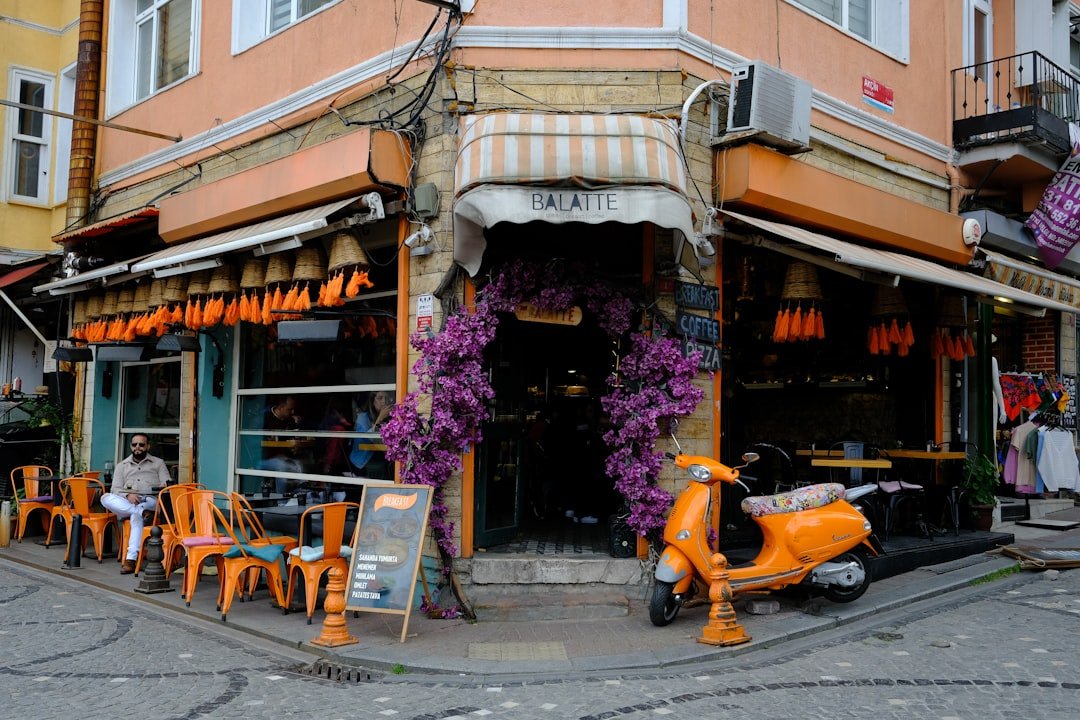
Karaköy is one of Istanbul’s most rewarding neighborhoods for anyone who enjoys bread, pastries, and Turkish sweets. Set beside the historic Galata waterfront, the district mixes long-established food traditions with newer cafés and pastry counters. You can start the morning with sesame-covered simit or hot börek, stop for coffee and a pastry later, and finish with baklava or another syrup-soaked dessert.
Quick Answer
Karaköy is an excellent Istanbul neighborhood for sampling traditional Turkish baking and modern café-style pastries. Start with simit or börek for breakfast, then try baklava or kadayıf later. Verified current stops include Karaköy Güllüoğlu and Istanbul Baking Company, while branch locations and opening hours should always be checked before visiting.
Key Takeaways
- Karaköy combines traditional Turkish breads and pastries with modern café and dessert culture.
- Simit, börek, baklava, kadayıf, poğaça, and açma are useful foods to look for.
- Istanbul simidi is coated in cold molasses and sesame before baking; it is not boiled like a bagel.
- Karaköy Güllüoğlu is a verified historic destination for baklava and other sweets, while Istanbul Baking Company represents the neighborhood’s newer bakery-café style.
- Dietary options vary by shop, so confirm ingredients, allergens, cross-contact practices, branch locations, and current hours before visiting.
History of Bakeries and Baking in Karaköy
Karaköy’s food culture is closely tied to its history as part of the Galata waterfront. Istanbul Metropolitan Municipality describes the area as a long-standing commercial and transportation center whose development stretches through the Byzantine, Genoese, and Ottoman periods. Its port connected merchants, workers, travelers, and residents from many backgrounds, helping create the cosmopolitan food culture associated with the wider Galata and Karaköy area today. Istanbul Municipality’s cultural history of Karaköy provides useful background on this development.
It is tempting to say that today’s Karaköy bakeries descend directly from Byzantine bakeries, but surviving evidence does not support such a simple, continuous line. A safer picture is that bread and baked foods have long been essential to Istanbul life, while the specific businesses that visitors recognize today have much more recent documented histories.
One of the clearest examples is Karaköy Güllüoğlu. According to the company’s official history, Mustafa Güllü brought his family’s Gaziantep baklava tradition to Istanbul in 1949 and began selling baklava in Karaköy. The business later became one of the district’s best-known destinations for baklava, kadayıf, lokum, and related sweets.
Traditional bread-making also has wider cultural importance in Türkiye. UNESCO added the shared culture of making and sharing lavash, katyrma, jupka, and yufka to its Representative List of the Intangible Cultural Heritage of Humanity in 2016. That recognition concerns a broader regional tradition rather than Karaköy alone, but it shows how deeply bread and dough-making practices are connected with family, hospitality, and community life.
Traditional Turkish Pastries and Breads to Try
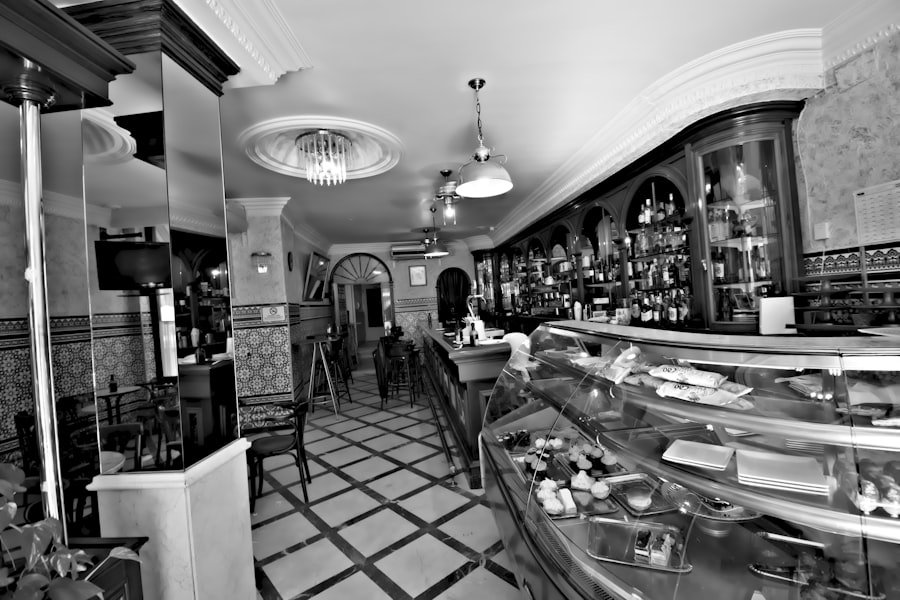
Traditional Turkish bakeries and pastry counters offer far more than ordinary loaves of bread. In Karaköy, a good tasting route can include both savory bakery foods and rich desserts.
Simit
Simit is one of Istanbul’s most recognizable baked foods. It is a ring of yeasted dough covered generously with sesame seeds and baked until browned and crisp outside while retaining some chew inside.
The original draft described simit as being boiled in water and molasses, but that is not the registered Istanbul method. According to TÜRKPATENT’s İstanbul Simidi geographical-indication record, İstanbul Simidi received registration No. 1782 on October 8, 2025. Its distinguishing process includes forming a double-strand ring, coating it with cold molasses, covering it with sesame, and then baking it.
İstanbul Simidi has been a registered geographical-indication product since October 8, 2025, with cold molasses coating and a double-strand shape among its defining features.
Simit is commonly eaten at breakfast or as a quick snack. Tea is the classic companion, although cheese, olives, tomatoes, or ayran can turn it into a more substantial meal.
Börek
Börek is a broad family of savory pastries made in different shapes and styles. Thin sheets of dough may be layered, rolled, or coiled around fillings such as white cheese, minced meat, potatoes, or spinach. GoTürkiye includes börek among the pastries commonly found at a Turkish breakfast.
Texture varies considerably. Some versions are flaky and crisp, while others, including su böreği, are softer and more layered. For the best experience, buy börek while it is still fresh and warm rather than judging a shop only by décor or social-media popularity.
Poğaça and Açma
Poğaça is a soft savory pastry that may be plain or filled with cheese, potatoes, olives, or other ingredients. Açma is another soft, rich breakfast bread with a twisted or ring-like shape. Both are common choices when you want something less crunchy than simit and less substantial than a large portion of börek.
Pide and Other Breads
Depending on the bakery, you may also see pide-style breads and other regional or everyday loaves. Offerings vary by shop and time of day, so the display case is often a better guide than a fixed list.
Pro Tip: For simit, börek, poğaça, and similar foods, freshness matters enormously. Morning is usually the most natural time to explore savory bakery items, and a busy shop with frequent turnover can be a better sign than an elaborate display.
Modern Twists on Classic Bakery Items
Karaköy’s contemporary café scene has encouraged bakers and pastry chefs to combine familiar Turkish flavors with international pastry styles. Croissants, sourdough loaves, cakes, filled pastries, specialty coffee, and modern plated desserts can now sit alongside simit, börek, baklava, and traditional sweets.
Chocolate, pistachio, tahini, fruit, spices, and different flour blends are common ingredients for experimentation. Some modern pastry shops also adapt classic formats to new presentations. However, highly specific creations such as matcha baklava or a particular chocolate-filled simit should not be treated as permanent Karaköy specialties unless they appear on a current shop menu.
Health-focused baking has also become more visible in Istanbul. Whole-grain breads, alternative flours, reduced-sugar desserts, gluten-free products, and vegan products are available at some businesses. Availability is not universal, though, and “gluten-free” on a menu does not automatically mean a kitchen is safe for someone with celiac disease.
Note: Sesame, wheat, dairy, eggs, and tree nuts are common in Turkish bakery and dessert products. If you have a serious allergy or celiac disease, ask the business directly about ingredients and cross-contact rather than relying only on a menu label.
Best Bakeries and Pastry Stops in Karaköy
“Best” depends on whether you want traditional baklava, hot simit, artisan-style baked goods, or coffee with a pastry. The most useful approach is to match each stop to what it does well rather than treating every café or dessert shop as the same type of bakery.
Karaköy Güllüoğlu
Karaköy Güllüoğlu is one of the neighborhood’s most historically documented food businesses. Its official history traces the Istanbul operation to 1949, when Mustafa Güllü brought his family’s baklava-making tradition from Gaziantep to Karaköy.
The current menu includes pistachio and walnut baklava, kadayıf, Turkish delight, börek, and other sweets. The company also lists gluten-free and vegan baklava categories. If baklava is your priority and you have only one dessert stop in Karaköy, this is a strong place to begin.
Galata Simitçisi
For a simpler traditional experience, look for fresh simit around the historic Karaköy-Galata area. Galata Simitçisi on Mumhane Caddesi has been documented as part of the neighborhood’s simit tradition, including in Galataport Istanbul material discussing its multigenerational ownership and traditional baking.
This type of stop is less about elaborate pastry presentation and more about eating simit while it is fresh, ideally with Turkish tea.
Istanbul Baking Company
Istanbul Baking Company, associated with JW Marriott Istanbul Bosphorus, represents the more contemporary side of Karaköy baking. Marriott describes it as a coffee house offering baked goods and drinks in Karaköy.
It is a useful choice when you prefer a sit-down café environment, coffee, and modern bakery items rather than a strictly traditional simit or baklava shop.
Karabatak
Karabatak is worth understanding correctly. It is a well-known Karaköy coffee shop, not primarily an artisanal bread bakery. Its official site focuses on coffee and identifies its Karaköy location on Kara Ali Kaptan Sokak.
That makes it more appropriate as a coffee stop before or after buying pastries elsewhere than as the neighborhood’s leading destination for sourdough loaves. The earlier description of customers lining up for Karabatak sourdough could not be verified and should not be used to plan a visit.
What About Mendel’s, Sütiş, and Baylan?
Mendel’s is an Istanbul chocolate and dessert brand, but current official branch information reviewed for this guide did not confirm a Karaköy location. Its official pages identify branches in other Istanbul districts, so the previously circulated recommendation of a Karaköy Mendel’s serving a pistachio croissant with chocolate ganache should be verified directly before making a special trip.
Likewise, if you see Sütiş or Baylan recommended as Karaköy bakery stops, confirm the exact branch before going. Both are familiar Istanbul food names, but a citywide reputation does not automatically mean there is a current Karaköy bakery location.
Local businesses can move, close, change hours, or modify menus. Always check the business’s official website or current listing on the day you plan to visit.
Specialty Desserts and Sweets
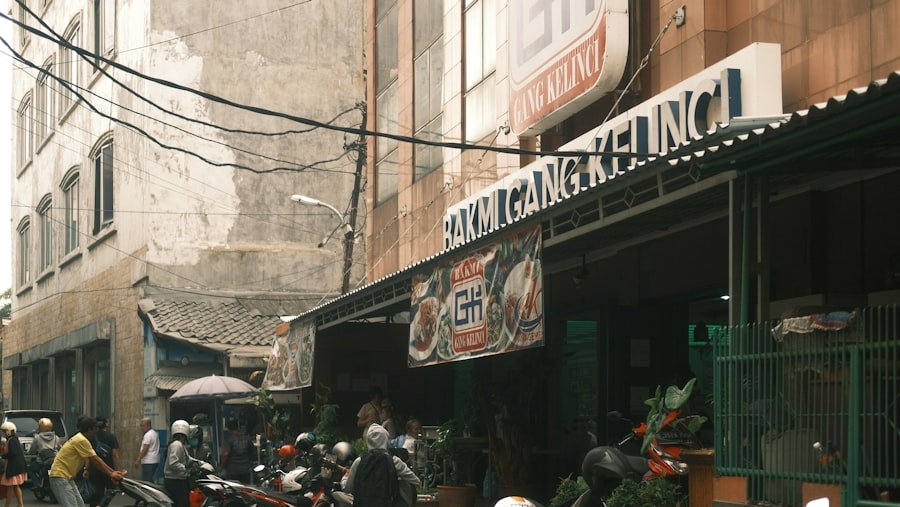
Karaköy’s pastry scene extends well beyond bread. Traditional Turkish sweets can be just as important as the morning bakery items.
Baklava
Baklava is made from very thin layers of pastry combined with nuts, fat, and syrup. Pistachio and walnut versions are among the most familiar. Quality depends on details such as crisp layers, balanced syrup, fresh nuts, and proper storage.
Karaköy Güllüoğlu is particularly relevant here because its Istanbul history is documented from 1949 and its current menu remains centered on baklava and related sweets.
Kadayıf and Künefe
Kadayıf refers to fine shredded pastry used in several Turkish desserts. Künefe is a hot dessert made with shredded pastry and cheese, finished with syrup and often pistachio. It is best eaten soon after preparation because its appeal comes from the contrast between crisp pastry, warm cheese, and syrup.
Not every bakery specializes in künefe, so treat it more as a dessert-shop or restaurant item than something guaranteed at every bread bakery.
Lokum
Lokum, widely known in English as Turkish delight, is a soft confection that may be flavored with rose, citrus, pomegranate, or other ingredients and can include pistachios or other nuts. Some versions are dusted with powdered sugar or starch, while others are coated differently.
Rather than assuming unusual flavors such as saffron or pomegranate are standard at every Karaköy bakery, check the actual selection in the shop you visit.
The Role of Bakeries in Karaköy’s Culture and Community
Bakeries and pastry shops are not simply tourist attractions. Everyday foods such as simit, poğaça, and börek fit naturally into breakfast, commuting, work breaks, and informal meetings. A bakery counter can serve office workers in the morning, neighborhood residents during the day, and visitors exploring the waterfront.
This everyday use helps explain why Turkish bakery culture feels social. Bread and pastry are easy foods to share, and a glass of tea can turn a quick purchase into a conversation. UNESCO’s recognition of shared flatbread-making traditions also emphasizes the broader role bread can play in hospitality, family participation, and community life.
Karaköy’s character makes this especially visible. Historic commercial buildings, ferries and other transport connections, cafés, restaurants, galleries, and newer hospitality businesses bring different groups into the same relatively compact area.
Some contemporary cafés also host cultural events, exhibitions, music, or creative collaborations. Such programming varies by venue and season, so it is better to check a business’s current schedule than assume every bakery regularly organizes events.
Future of Bakeries in Karaköy
Karaköy’s bakery scene will probably continue to balance tradition with changing customer expectations. Traditional foods such as simit, börek, and baklava remain strongly associated with Istanbul, while modern customers also look for specialty coffee, sourdough, alternative flours, dietary options, attractive presentation, and convenient ordering.
Sustainability may influence how some businesses source ingredients, package takeaway food, and manage waste. However, practices vary considerably from one bakery to another, so environmental claims should be evaluated business by business rather than applied to the whole neighborhood.
Digital ordering is already part of the wider food industry, and established Karaköy businesses increasingly maintain websites, menus, delivery information, or online ordering systems. That makes it easier to check current products before traveling, but an online menu can still change.
The most successful bakeries are likely to be those that protect what makes their food distinctive while adapting where it genuinely improves the customer experience. Karaköy is well suited to that combination because its identity has long been shaped by trade, movement, cultural exchange, and constant urban change.
How to Get More From a Karaköy Bakery Visit
- Go savory first: Try simit, börek, poğaça, or açma in the morning when turnover is often strongest.
- Pair simit with tea: It is a simple, classic combination and an easy introduction to Istanbul bakery culture.
- Save syrup desserts for later: Baklava or kadayıf makes a natural dessert stop after exploring the neighborhood.
- Choose by specialty: A baklava shop, bread bakery, börek shop, patisserie, and coffee shop are not interchangeable.
- Check freshness: For bread and savory pastry, a recently baked batch generally matters more than decorative presentation.
- Ask about allergens: Wheat, sesame, dairy, eggs, and nuts are widespread.
- Verify current details: Branches, menus, opening hours, and seating arrangements can change.
If you’re a fan of exploring unique and delightful foods, you may also enjoy reading about the Asian melon in this article. It covers different types of Asian melons and their flavors for readers interested in discovering more foods from around the world.
Frequently Asked Questions
What types of bakeries are found in Karakoy?
Karakoy has traditional bread and simit shops, börek counters, baklava and dessert specialists, modern bakery-cafés, patisseries, and coffee shops that also serve pastries. Check what a business actually specializes in rather than assuming every place called a café or bakery offers the same foods.
What are some popular baked goods available in Karakoy bakeries?
Popular choices include simit, börek, poğaça, açma, breads, pastries, baklava, and kadayıf. Simit and börek are especially suitable for breakfast or a quick savory snack, while baklava and other syrup-based sweets work well as dessert.
Are there any gluten-free or vegan options available in Karakoy bakeries?
Yes, some businesses offer them. Karakoy Gulluoglu currently lists both gluten-free and vegan baklava categories. Options elsewhere vary. People with celiac disease or serious allergies should ask about preparation and cross-contact because a menu label alone does not guarantee an allergen-safe kitchen.
Do the bakeries in Karakoy offer seating for customers to enjoy their baked goods on-site?
Many café-style businesses have seating, while traditional counters may focus more on takeaway or quick service. Seating arrangements can change, so check the current business listing if sitting down is important to you.
Are the bakeries in Karakoy open every day of the week?
Some are open daily, but there is no reliable neighborhood-wide rule. Hours can also change for holidays, renovations, or seasonal reasons. Check the individual bakery’s official website or current listing before making a special trip.
Is Turkish simit boiled like a bagel?
No. Registered Istanbul simidi is shaped into a double-strand ring, coated with cold molasses, covered in sesame, and baked. The cold-molasses process is one of the characteristics identified in its official geographical-indication registration.
What should I try if I have time for only one bakery stop?
Choose according to your priority. For a classic savory experience, get a fresh simit or börek. If dessert is the goal, Karakoy Gulluoglu is a well-documented choice for baklava. If you prefer coffee and contemporary baked goods with seating, Istanbul Baking Company is a more modern option.
Sources
- Istanbul Metropolitan Municipality — History of Karaköy — supports the district’s development as a historic commercial, port, and transportation area.
- TÜRKPATENT — İstanbul Simidi Geographical Indication — confirms the 2025 registration and defining characteristics of Istanbul simidi.
- UNESCO Intangible Cultural Heritage — Flatbread Making and Sharing Culture — supports the cultural significance of traditional yufka and related flatbread practices.
- Karaköy Güllüoğlu — Official Website — supports its current Karaköy operation, products, and dietary categories.
- JW Marriott Istanbul Bosphorus — Dining — confirms Istanbul Baking Company as a current Karaköy bakery-café option.
- Galataport Istanbul — Karaköy and Galata Simitçisi Feature — documents the neighborhood’s long-running simit tradition and Galata Simitçisi.