Balat is one of Istanbul’s most enjoyable neighborhoods for combining a walk through historic streets with a coffee break. Its café scene is part of Istanbul’s much older coffee tradition, but today’s choices range from Turkish coffee and breakfast cafés to modern specialty coffee and hand-brewed single-origin beans. The key is knowing which places are actually in Balat and what each one does best.
Quick Answer
For coffee in Balat, Coffee Department is a strong choice for specialty coffee, Cafe Naftalin K stands out for vintage atmosphere and Mardin-style coffee, Soil suits visitors who want coffee with a larger food menu, and Velvet Cafe works well for Turkish coffee, breakfast, and homemade-style desserts. Check same-day opening hours before visiting.
Key Takeaways
- Balat’s café culture belongs to Istanbul’s wider centuries-old coffee tradition; there is no reliable evidence that Istanbul’s first Ottoman coffeehouses were in Balat.
- Turkish coffee culture and tradition was inscribed on UNESCO’s Representative List of the Intangible Cultural Heritage of Humanity in 2013.
- Coffee Department, Cafe Naftalin K, Soil Coffee & Dessert, and Velvet Cafe are current Balat options with different strengths.
- Turkish coffee, espresso drinks, and specialty filter coffee are all available in the neighborhood, while menus vary from café to café.
- Salep and boza are traditional beverages you may encounter in Istanbul, but they are not types of coffee and are not unique to Balat.
The History of Coffee and Balat
Coffee became established in Ottoman Istanbul during the 16th century, and coffeehouses soon developed into important places for conversation, news, storytelling, literature, and social life. Research on Ottoman Istanbul supports the spread of coffeehouse culture in the capital during this period, but it does not establish Balat as the location of the city’s first coffeehouses. It is more accurate to view today’s Balat cafés as part of Istanbul’s much broader coffee tradition.
A study published by Marmara University notes that Ottoman society encountered coffee during the first half of the 16th century and that coffee culture expanded after coffeehouses opened in the Ottoman capital around the middle of the century. You can read the academic overview at Marmara University Journal of Turkology.
Traditional Turkish coffee later became one of the most recognizable expressions of this culture. Finely ground coffee is combined with water and, if desired, sugar in a small pot called a cezve. It is brewed slowly so that foam develops, then served unfiltered in a small cup. UNESCO emphasizes that the tradition is not just about preparation; coffee also carries strong associations with hospitality, friendship, conversation, and social occasions.
Turkish coffee culture and tradition was inscribed on UNESCO’s Representative List of the Intangible Cultural Heritage of Humanity in 2013.
Balat’s cultural setting adds another layer to the experience. Official Turkish tourism material describes Balat as a neighborhood with important Jewish heritage, historic synagogues, old houses, workshops, antique dealers, and traces of several communities. Neighboring Fener is particularly associated with Istanbul’s Greek Orthodox heritage and the Ecumenical Patriarchate. Together, Fener and Balat offer a dense mix of religious, residential, commercial, and café culture. For background on the area, see GoTürkiye’s Fener and Balat guide.
The Best Coffee Shops in Balat
The strongest Balat coffee guide should distinguish between cafés instead of treating every venue as interchangeable. Some places focus heavily on specialty beans and brewing, while others are better for Turkish coffee, breakfast, desserts, or a long break in a distinctive setting.
| Coffee Shop | Best For | Area | What to Look For |
| Coffee Department | Specialty coffee | Kürkçü Çeşmesi Street | V60, filter coffee, espresso, and rotating beans |
| Cafe Naftalin K | Vintage atmosphere | Yıldırım Street area | Mardin-style coffee, cakes, and a characterful interior |
| Soil Coffee & Dessert | Coffee with a larger meal | Vodina Street | Turkish coffee, breakfast, desserts, and savory dishes |
| Velvet Cafe Balat | Breakfast and traditional café break | Çimen Street | Turkish coffee, menemen, cakes, and other breakfast items |
Coffee Department
If your priority is the coffee itself, Coffee Department is one of the most relevant stops in Balat. The company’s official café page says its first shop opened in Balat in 2013 and describes it as a modern coffeehouse in a traditional Balat home. Its coffee selection includes specialty blends and single-origin beans, while V60 and other specialty preparations are part of the café’s identity.
The company also specifically recommends checking current operating hours before a visit. That is good advice for any independent café in Istanbul because opening times, holiday schedules, and menu availability can change. See the current shop information on the Coffee Department café page.
Cafe Naftalin K
Cafe Naftalin K is better suited to visitors who care as much about setting as brewing technique. The café is known for a vintage-inspired interior filled with old objects, photographs, records, and other nostalgic details. Current menu information also mentions Mardin-style coffee along with cakes, cookies, cheesecake, and savory food.
It is a useful contrast to a modern specialty-coffee bar: instead of focusing only on origin notes and brewing equipment, Naftalin offers the type of slow, character-filled café break many visitors expect while exploring Balat.
Soil Coffee & Dessert
Soil Coffee & Dessert on Vodina Street works well when coffee is only part of the plan. Its current digital menu includes Turkish coffee, breakfast plates, egg dishes, toast, desserts, and a substantial savory menu. That makes it more practical for breakfast or lunch than a coffee-focused roastery.
Velvet Cafe Balat
Velvet Cafe is another option for combining coffee with breakfast or something sweet. Current menu listings include Turkish coffee, americano, café latte, cappuccino, menemen, breakfast dishes, cakes, cookies, and traditional-style desserts. It suits visitors who want a relaxed meal rather than a quick specialty-coffee tasting.
Note: Café hours, menus, prices, and even branch locations can change. Check the venue’s current map or official page on the day you plan to visit rather than relying on an old travel article for exact opening times.
The Unique Atmosphere of Balat’s Coffee Shops
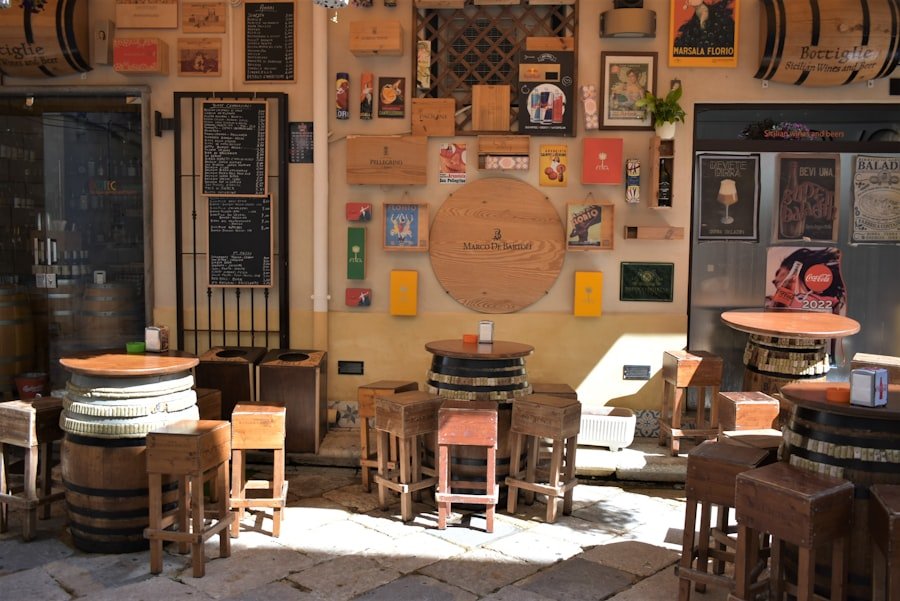
Balat’s cafés are attractive partly because of what surrounds them. Official tourism material describes the neighborhood’s cobbled streets, old houses, balconies, synagogues, churches, antique dealers, workshops, colorful façades, and small businesses. A coffee stop therefore often becomes part of a longer neighborhood walk rather than an isolated destination.
Café interiors also vary considerably. Some lean into vintage furniture and objects, while others use clean contemporary designs associated with third-wave coffee. This contrast is one reason the area can suit both visitors looking for an old-Istanbul atmosphere and people who primarily want modern espresso or filter coffee.
It is important, however, not to romanticize Balat as a preserved museum district. It remains a lived-in neighborhood that has changed substantially through restoration, tourism, new businesses, and wider urban development. UNESCO documentation on Fener and Balat has long discussed the challenge of balancing heritage conservation with residents’ needs.
The Specialty Drinks of Balat’s Coffee Shops
Balat’s drink menus range from traditional Turkish coffee to espresso-based drinks and specialty filter coffee. What counts as the best order depends on the experience you want.
Turkish Coffee
Choose Turkish coffee if you want the drink most closely connected to Istanbul’s historic coffee culture. It uses coffee ground much finer than standard filter coffee. The coffee, water, and optional sugar are brewed together in a cezve and the drink is served without filtering out the grounds. UNESCO describes the tradition as a symbol of hospitality, friendship, refinement, and social interaction. You can read more in the UNESCO Turkish Coffee Culture and Tradition listing.
Espresso and Filter Coffee
If you prefer modern specialty coffee, look for espresso, americano, cortado, latte, V60, or other hand-brewed filter options. Coffee Department is particularly relevant for this style because it sells and brews rotating specialty coffees with identifiable origins and tasting notes.
Turmeric Lattes and Coffee Tonics
Modern cafés around Istanbul sometimes serve turmeric lattes, coffee tonics, cold brew, flavored lattes, and other contemporary drinks. These can be enjoyable, but they should be treated as changing café-menu items rather than traditional Balat specialties. Availability depends on the individual café and season.
Salep and Boza
Salep and boza sometimes appear in Istanbul food and drink guides, but neither should be described as a type of coffee. Salep is a warm milk-based drink traditionally associated with colder weather, while boza is a fermented grain beverage with a much wider history in Türkiye and neighboring regions. They can broaden a winter food tour, but they are separate from Balat’s coffee culture.
Pro Tip: If coffee quality matters most, start with a specialty-focused café and order a filter coffee or espresso without heavy flavoring. If atmosphere matters more, follow it with Turkish coffee or dessert at one of Balat’s smaller vintage-style cafés.
The Local Art and Culture in Balat’s Coffee Shops
Coffee shops fit naturally into Balat because the neighborhood already mixes historic architecture with antique shops, second-hand stores, workshops, design boutiques, religious landmarks, restaurants, and street life. GoTürkiye specifically describes modern cafés and boutiques existing alongside traditional tea gardens and craft businesses in the Fener-Balat area.
Some cafés use vintage objects, photography, illustrations, books, or locally inspired décor to build their identity. Cafe Naftalin K is a clear example of a café where old objects and nostalgic design are central to the experience.
Individual cafés may also arrange exhibitions, music, workshops, or other events, but these programs are not permanent features of every Balat café. If an event matters to your visit, confirm the current schedule directly with the venue rather than assuming an older travel article is still accurate.
The Role of Coffee Shops in Balat’s Community
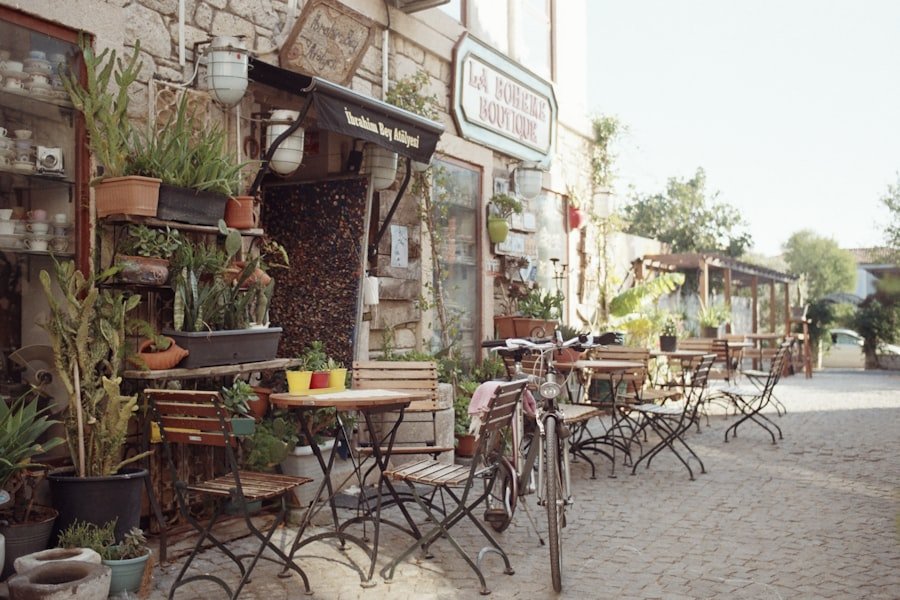
Coffee drinking has a long social role in Turkish culture. UNESCO describes Turkish coffee as a tradition tied to conversation, hospitality, friendship, and the sharing of everyday concerns. Modern cafés use different brewing methods and designs, but many still perform the basic function of giving people a place to meet, talk, eat, work, or rest.
That role is especially visible in a walkable neighborhood such as Balat, where cafés sit close to houses, shops, workshops, religious landmarks, and visitor routes. Some are primarily neighborhood businesses, while others serve large numbers of domestic and international visitors.
Community events, readings, workshops, or charitable activities may take place at individual venues, but they should be described only when a current schedule confirms them. They are not a defining service of every Balat coffee shop.
The Impact of Coffee Tourism on Balat’s Economy
Balat’s popularity with visitors clearly brings foot traffic to cafés, restaurants, antique stores, design shops, breakfast spots, and other small businesses. Official tourism material describes the neighborhood as a popular place for breakfast and notes the concentration of cafés and restaurants around its historic streets.
However, reliable public data isolating the economic impact of coffee tourism specifically within Balat is limited. It would therefore be misleading to attach a precise figure or to claim that cafés alone have produced a measurable level of economic growth without supporting research.
A safer conclusion is that cafés form part of Balat’s broader visitor economy. Someone who arrives for coffee may also eat breakfast, browse antique shops, visit religious and architectural landmarks, or continue walking through neighboring Fener. Those activities distribute visitor spending across more than one type of local business.
Planning a Coffee Stop in Balat
Balat is easiest to enjoy when the café visit is combined with a walk. The streets can be steep, narrow, and cobbled, so comfortable shoes are more useful than trying to move quickly between a long list of venues.
GoTürkiye identifies the area around Yıldırım and Vodina streets near the Golden Horn as one of the livelier parts of the Fener-Balat café and restaurant scene. Starting around this zone makes it easier to explore several cafés without crossing large parts of Istanbul.
- For specialty coffee: prioritize Coffee Department.
- For vintage atmosphere: consider Cafe Naftalin K.
- For coffee plus a full meal: Soil Coffee & Dessert is a practical choice.
- For breakfast and Turkish coffee: Velvet Cafe is worth considering.
- For photography: leave time to walk rather than spending the entire visit inside one café.
- For weekends: expect popular streets and breakfast venues to feel busier.
If accessibility is important, review the exact route before visiting. Balat’s slopes, cobbled surfaces, narrow pavements, and older buildings can make some routes or café entrances less convenient for visitors with limited mobility.
The Future of Coffee Culture in Balat
Balat is likely to continue balancing two forms of café culture: the older social traditions associated with Turkish coffee and the modern specialty-coffee scene built around espresso, filter brewing, traceable beans, and changing café concepts.
Specialty roasters increasingly describe coffees by origin, processing method, and tasting notes, while traditional Turkish coffee remains closely tied to hospitality and cultural memory. The two styles do not need to compete. A visitor can drink a carefully brewed single-origin filter coffee in one café and traditional Turkish coffee a few streets away.
Sustainability and traceability may also become more visible as cafés and roasters provide more information about farms, regions, processing, importers, and producers in coffee-growing countries. These practices should be judged café by café rather than assumed to apply to every business in Balat.
Technology will continue to influence practical details such as digital menus, payments, online maps, and operating-hour updates. Yet the appeal of drinking coffee in Balat is still largely physical: walking its streets, sitting in a small café, observing neighborhood life, and experiencing Istanbul’s older coffee traditions alongside its newer ones.
If you would also like a separate food recipe for a quiet coffee break at home, the site has Delicious Homemade Cottage Cheese: A Simple and Healthy Recipe. It is optional food reading rather than a source for the Balat café recommendations above.
Sources
- UNESCO — Turkish Coffee Culture and Tradition — supports Turkish coffee preparation, cultural significance, and its 2013 inscription.
- GoTürkiye — Fener and Balat Neighbourhoods — supports neighborhood history, architecture, streets, heritage, and café context.
- GoTürkiye — Turkish Coffee — supports Istanbul’s coffee tradition, coffeehouse culture, and preparation background.
- Marmara University Journal of Turkology — İstanbul Tahmishanesi (1590–1836) — supports the historical development of coffee culture in Ottoman Istanbul.
- Coffee Department — Cafés — confirms the Balat shop and its history.
- Soil Coffee & Dessert — Current Digital Menu — supports the venue’s Balat location and current menu categories.
Frequently Asked Questions
What are some popular coffee shops in Balat?
Current Balat options include Coffee Department for specialty coffee, Cafe Naftalin K for a vintage setting, Soil Coffee & Dessert for coffee with a larger food menu, and Velvet Cafe for Turkish coffee, breakfast, and desserts.
What types of coffee can I find in Balat coffee shops?
Depending on the café, you can find Turkish coffee, espresso, americano, cappuccino, latte, filter coffee, V60, and other specialty preparations. Menus change, so not every café offers every method.
Do Balat coffee shops offer food options?
Yes. Many cafés serve cakes, pastries, breakfast items, sandwiches, egg dishes, or desserts. Some, such as Soil and Velvet Cafe, have menus substantial enough for breakfast or a full meal.
Are there specialty coffee shops in Balat?
Yes. Coffee Department is a well-established Balat specialty-coffee option with espresso, filter brewing, rotating beans, and single-origin coffees.
What is the atmosphere like in Balat coffee shops?
It varies widely. Some cafés use vintage furniture and nostalgic objects, while specialty-coffee shops may have cleaner contemporary interiors. The surrounding cobbled streets, old houses, antique shops, and historic buildings contribute strongly to the overall experience.
Is Turkish coffee originally from Balat?
No reliable evidence shows that Turkish coffee or Istanbul’s first coffeehouses originated specifically in Balat. Balat’s modern café scene is part of Istanbul’s wider Ottoman and Turkish coffee tradition.
Are salep and boza types of coffee?
No. Salep is traditionally a warm milk-based drink, while boza is a fermented grain beverage. Both belong to broader regional food and drink traditions rather than being forms of Turkish coffee.
When is the best time to visit Balat coffee shops?
A weekday morning or earlier part of the day can be more comfortable if you prefer quieter streets. Weekends are popular for breakfast and sightseeing. Always check the specific café’s current opening hours before traveling across Istanbul.