Fener is one of the most historically layered neighborhoods on Istanbul’s Golden Horn. Located in the Fatih district, it is closely associated with the Ecumenical Patriarchate, the city’s Greek Orthodox heritage, steep residential streets, and the striking red Fener Greek High School. A walking tour works best when you combine these major landmarks with time to notice the neighborhood’s everyday streets, cafés, waterfront, and neighboring Balat.
Quick Answer
A Fener walking tour usually takes about 2.5–4 hours. Start near the Golden Horn waterfront, see the Bulgarian St. Stephen Church, visit the Ecumenical Patriarchate and Church of St. George, climb toward the red Fener Greek High School, then explore the historic streets or continue into neighboring Balat.
Key Takeaways
- Fener sits on the Golden Horn in Istanbul’s Fatih district and has deep Greek Orthodox and Ottoman-era history.
- The Church of St. George and the Ecumenical Patriarchate are among the neighborhood’s most important religious sites.
- The red Fener Greek High School is a major architectural landmark, but visitors should treat it as an active school rather than assume interior access.
- Sveti Stefan, the Bulgarian Orthodox “Iron Church,” makes a logical waterfront stop on a Fener-Balat walk.
- Fener and Balat are adjoining but distinct neighborhoods; most visitors explore both during the same outing.
- The T5 Eminönü–Alibeyköy tram provides direct access to Fener, and Golden Horn ferry services can also be useful.
At a Glance
| Time Required | About 2.5–4 hours for Fener and nearby Balat, depending on stops |
| Difficulty | Moderate; expect steep, uneven and sometimes cobbled streets |
| Tools Needed | Comfortable shoes, water, phone or map, and weather-appropriate clothing |
| Cost | Walking the neighborhood is free; allow extra for transport, food, drinks, or a guide |
Historical Significance of Fener
Fener, also known historically as Phanar, occupies part of the Golden Horn shoreline in Istanbul’s Fatih district. Its history is closely connected with the city’s Greek Orthodox community and with the influential Ottoman-era Greeks later known as Phanariots.
The Ecumenical Patriarchate itself is far older than its Fener location. The official history of the Patriarchal Church of St. George explains that the former convent church was converted for patriarchal use around the turn of the 17th century. From this period onward, Fener became especially important as a religious and social center for the Greek Orthodox community.
The neighborhood also developed a strong connection with educated Greek families who served as merchants, diplomats, translators and officials during the Ottoman period. Their presence helped make the name “Phanariot” closely associated with Fener.
Fener’s streets still contain religious buildings, historic houses and institutions that reveal several periods of Istanbul’s history. The broader Fatih area, including Fener and neighboring Balat, has also been the focus of major heritage-conservation and rehabilitation efforts documented by UNESCO.
Note: Do not confuse Fener with Fenerbahçe on Istanbul’s Asian side. The well-known lighthouse built in 1857 is Fenerbahçe Lighthouse in Kadıköy, not a landmark on this Fener walking route.
Highlights of the Walking Tour
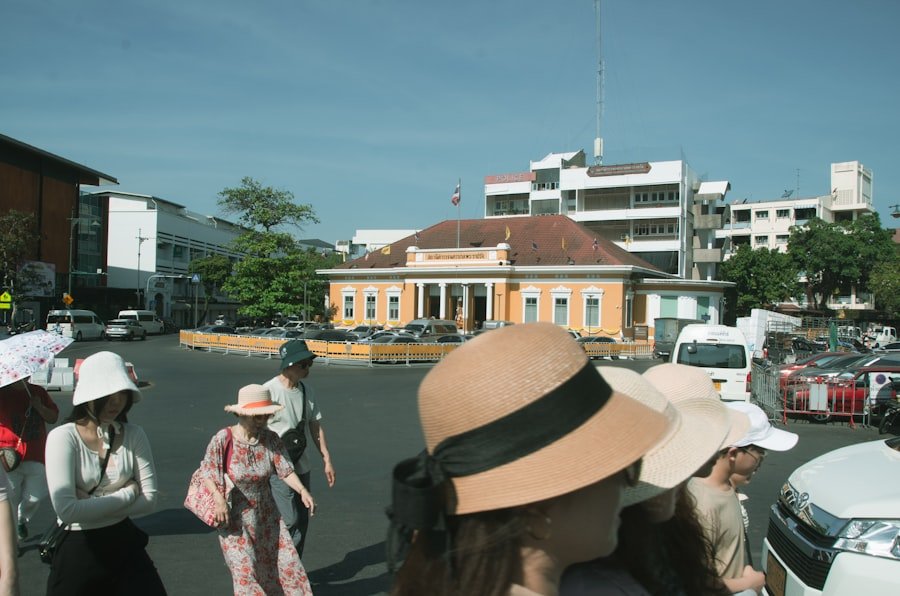
The best Fener walking tour combines major historical sites with the neighborhood’s smaller streets. You will move between the relatively flat Golden Horn waterfront and steeper lanes farther inland, so the experience is as much about the changing streetscape as individual monuments.
Suggested Fener Walking Route
- Start near Fener’s Golden Horn waterfront. Arriving by the T5 tram puts you close to the historic neighborhood and makes a convenient starting point.
- Walk toward Sveti Stefan Church. The Bulgarian Orthodox church stands beside the Golden Horn and is one of the area’s most distinctive religious buildings.
- Continue to the Ecumenical Patriarchate and Church of St. George. Give yourself time to visit respectfully if the church is open to visitors and no service or special event limits access.
- Climb toward Fener Greek High School. Its red silhouette dominates many neighborhood views. Admire the exterior unless public access has specifically been confirmed.
- Explore the surrounding residential streets. Slow down for historic façades, steep lanes, neighborhood cafés and views back toward the Golden Horn.
- Continue into Balat if you have time. Balat lies directly beside Fener and adds colorful streets, synagogues, churches, mosques, shops and cafés to the walk.
Pro Tip: Walk uphill earlier in your visit while you have more energy, then finish near the waterfront or in Balat where it is easier to stop for food, coffee or transportation.
Notable Landmarks in Fener
Ecumenical Patriarchate and Church of St. George
The Church of St. George is the Patriarchal Church of the Ecumenical Patriarchate and one of the most important stops in Fener. Its relatively modest exterior contrasts with the historic religious objects inside.
According to the Ecumenical Patriarchate, the church retains a traditional three-aisled basilica plan. Notable features include its carved and gilded iconostasis, walnut furnishings, important icons and relics associated with Orthodox Christian history.
This remains an active religious institution rather than simply a tourist attraction. Speak quietly, dress respectfully and avoid interrupting worship.
Fener Greek High School
Fener Greek High School, often called the Red School, is one of the neighborhood’s most recognizable structures. The educational institution traces its history to the period immediately after the Ottoman conquest of Constantinople, while the monumental red building seen today dates from the late 19th century.
The school’s large red-brick form is visible from several streets around Fener and makes an excellent orientation point during the walk. Because it remains an educational institution, plan primarily to admire and photograph the exterior rather than assuming that the interior is open for sightseeing.
Bulgarian St. Stephen Church
Sveti Stefan Church stands beside the Golden Horn and is commonly known as the Bulgarian Iron Church. Türkiye’s Culture Portal records that the present iron church was constructed in the late 19th century, with prefabricated metal components produced in Vienna and assembled in Istanbul.
Its waterfront location and unusual metal construction make it a natural stop between Fener and Balat.
Fener’s Historic Streets
The streets between the Golden Horn and the hillside are an important part of the experience. Look for older façades, balconies, stairways, religious buildings and views across the neighborhood rather than focusing only on one famous “colorful street.”
Many of the most photographed houses associated with online images of “Fener” are actually in neighboring Balat, so treating the two areas as separate but connected produces a more accurate walk.
Local Culture and Traditions
Fener’s identity has been shaped by centuries of religious, commercial and residential life. Its strongest historical association is with Istanbul’s Greek Orthodox community and the Phanariot families who became prominent during the Ottoman period.
Neighboring Balat adds another layer to the wider area’s history, particularly through its long-standing Jewish heritage. Armenian, Muslim, Bulgarian Orthodox and other communities have also contributed to the broader cultural landscape of the Golden Horn neighborhoods.
Today, these streets are not frozen historical exhibits. They remain residential and commercial neighborhoods where old institutions sit beside cafés, workshops, shops and contemporary homes.
For visitors, this means treating the area as a living community. Avoid blocking doorways for photographs, keep noise down on residential streets and ask permission before taking close-up photographs of residents.
Recommended Stops for Food and Drinks
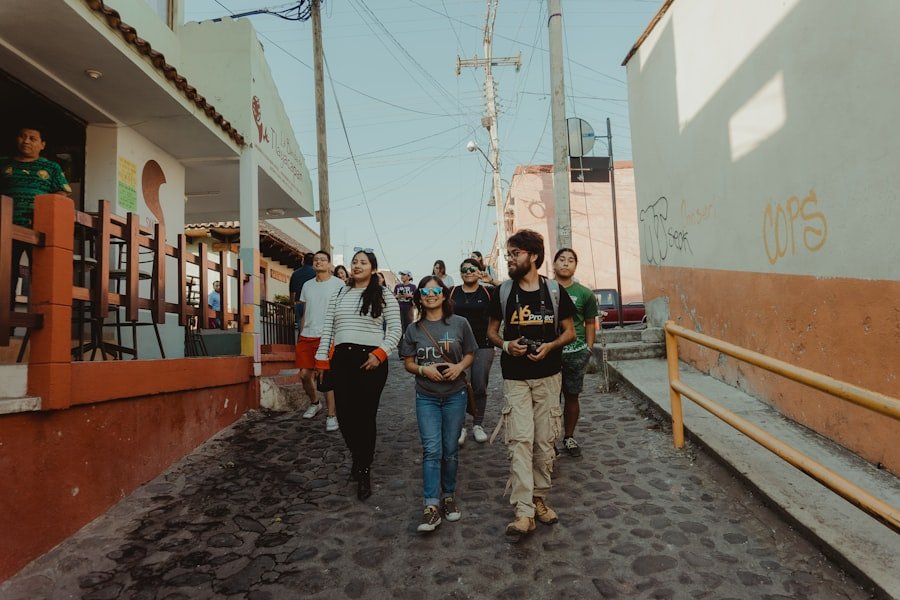
Fener and Balat now offer plenty of places to pause during a walking tour. Rather than planning the day around one specific restaurant that may change hours or ownership, look for busy neighborhood bakeries, cafés and small restaurants along the main streets.
For a quick snack, börek, simit or other bakery items work well because they are easy to fit into a walking itinerary. A Turkish breakfast can be a good option if you start in the morning, while Turkish coffee or tea provides a simple break after climbing the neighborhood’s hills.
Traditional Turkish desserts such as baklava, lokma and künefe may also be available in the wider area. If you prefer a longer meal, restaurants and meyhanes around Fener and Balat offer more substantial dishes, although menus and opening hours should be checked on the day of your visit.
How to Get to Fener
The easiest public-transport option for many visitors is the T5 Eminönü–Alibeyköy tram. Metro Istanbul lists Fener as one of the line’s stations, with Eminönü providing useful connections to other central Istanbul transport.
Fener is also served by Golden Horn ferry services. Ferry schedules can change by season and day of the week, so check the current timetable before relying on a particular departure.
If you are already around Eminönü or the Historic Peninsula, public transport is generally easier than driving. Parking in and around the old neighborhood can be inconvenient, while the interior streets are best explored on foot.
Best Time to Visit
Weekday mornings are a good choice if you want quieter streets and softer light for photography. Late afternoon can also be pleasant, especially along the waterfront.
Summer afternoons may feel hot on the steep streets, while rain can make cobbled or worn surfaces slippery. Spring and autumn generally offer more comfortable walking weather, although Istanbul conditions can change quickly.
Tips for a Successful Walking Tour
Comfortable footwear is the most important item to bring. Fener is hilly, and some surfaces are uneven, so shoes with good grip make the walk easier.
- Carry water: especially during warm weather or if you plan to continue through Balat.
- Use a flexible route: religious services, ceremonies or local events can affect access to churches.
- Dress respectfully: modest clothing is appropriate when entering active religious sites.
- Respect photography boundaries: historic façades are attractive, but many are private homes or working institutions.
- Allow extra time: café breaks, church visits and steep streets can easily extend a short itinerary.
- Check current transport information: ferry and tram schedules may change.
- Consider a guide: a knowledgeable local guide can explain details that are easy to miss when walking independently.
Warning: Some streets are steep, narrow or uneven. Travelers with limited mobility should plan the route carefully and may prefer to focus on the waterfront and lower streets rather than attempting every uphill section.
Conclusion and Final Thoughts
A walking tour of Fener offers a compact introduction to one of Istanbul’s most historically significant Golden Horn neighborhoods. The Ecumenical Patriarchate and Church of St. George provide the strongest link to the area’s Greek Orthodox heritage, while the red Fener Greek High School and nearby Sveti Stefan Church add distinctive architectural landmarks.
The experience becomes more rewarding when you look beyond individual attractions. Fener’s steep lanes, waterfront, religious institutions and residential streets show how different periods of Istanbul’s history continue to overlap in a living neighborhood.
Allow about half a day if you want to explore at a relaxed pace, stop for food and continue into Balat. Comfortable shoes, respectful behavior and a flexible schedule will make the walk easier and more enjoyable.
If you’re looking for a break from exploring the historic Fener district, you might also want to check out this separate site article on Delicious Homemade Cottage Cheese: A Simple and Healthy Recipe. It offers a simple snack idea outside the scope of this Fener travel guide.
Frequently Asked Questions
What is Fener?
Fener is a historic neighborhood on the Golden Horn in Istanbul’s Fatih district. It is particularly associated with the Ecumenical Patriarchate, Greek Orthodox history, the Phanariot community and landmarks such as the Church of St. George and Fener Greek High School.
What is a walking tour of Fener?
A Fener walking tour is a self-guided or guided route through the neighborhood’s historic streets and major religious and architectural landmarks. Most routes also include part of neighboring Balat because the two areas sit directly beside each other.
What are the main highlights of a Fener walking tour?
Major highlights include the Ecumenical Patriarchate and Church of St. George, Fener Greek High School, the historic hillside streets, the Golden Horn waterfront and nearby Bulgarian St. Stephen Church. Many visitors continue into Balat afterward.
How long does a walking tour of Fener typically take?
Allow roughly 2.5–4 hours for a relaxed Fener and Balat walk. You may need longer if you enter several religious sites, take extended photo stops, eat a full meal or explore additional streets.
Are guided walking tours available in Fener?
Yes. Guided Fener and Balat tours are offered by local tour operators. A guide can be useful if you want deeper explanations of Orthodox, Ottoman, Jewish and neighborhood history rather than simply following a sightseeing route.
What should I wear and bring for a walking tour of Fener?
Wear comfortable shoes with good grip and weather-appropriate clothing. Bring water, a phone or map and sun protection in warm weather. Modest clothing is recommended if you plan to enter active churches or other religious sites.
How do I get to Fener from central Istanbul?
The T5 Eminönü–Alibeyköy tram stops at Fener and is one of the easiest options from the Historic Peninsula. Golden Horn ferry services can also stop in the area. Check current timetables before traveling.
Are Fener and Balat the same neighborhood?
No. Fener and Balat are neighboring areas with different historical associations, although travel guides often discuss them together. Fener is strongly linked with Greek Orthodox and Phanariot history, while Balat has especially important Jewish heritage. Their close location makes it easy to visit both on one walk.
Sources
- Ecumenical Patriarchate — History of the Patriarchal Church of St. George — supports the church’s history, furnishings, icons and role in Fener.
- Metro Istanbul — T5 Eminönü–Alibeyköy Tram Line — confirms the Fener tram station and current line connections.
- GoTürkiye — Fener and Balat Neighbourhoods — supports current destination information and major landmarks.
- Türkiye Culture Portal — Sveti Stefan Church — supports the history and construction of the Bulgarian Iron Church.
- UNESCO World Heritage Centre — Historic Areas of Istanbul conservation work — supports heritage and rehabilitation context for Fener and Balat.
- Directorate General of Coastal Safety — Fenerbahçe Lighthouse — confirms that the documented 1857 lighthouse is in Fenerbahçe rather than the Fener walking-tour area.