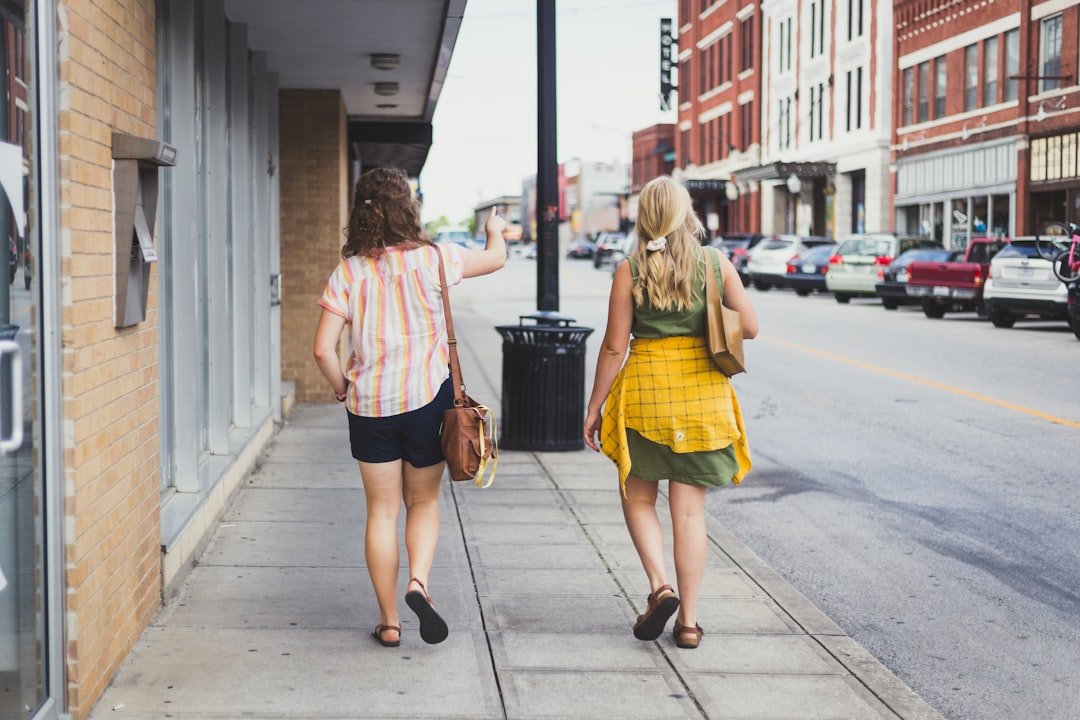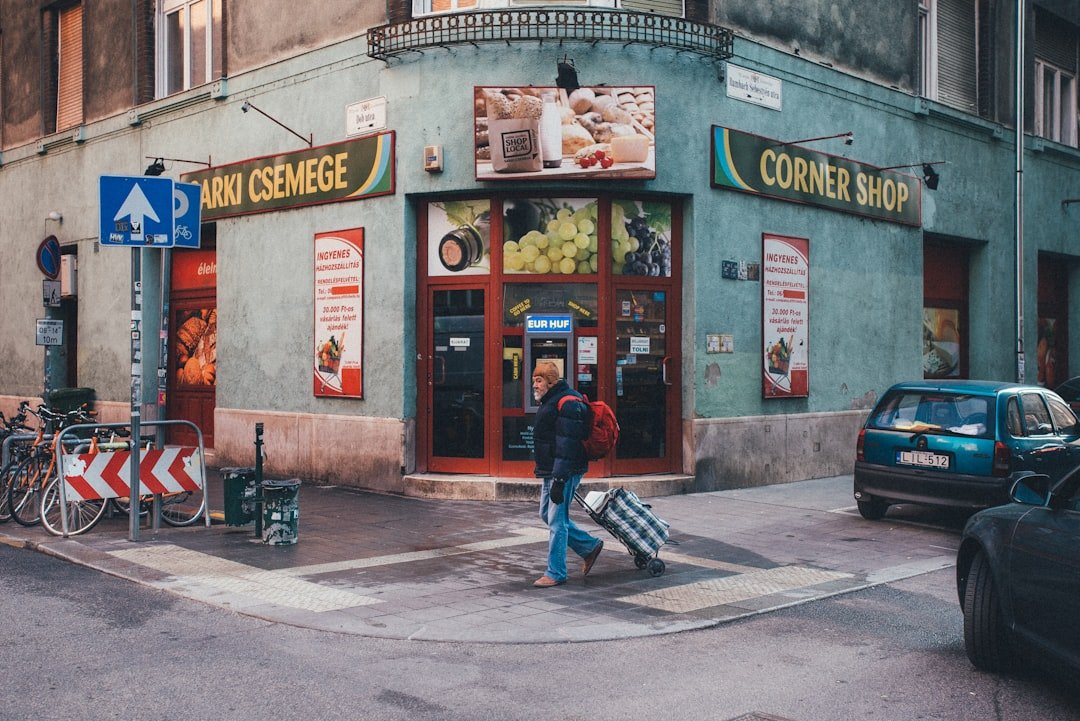
Arnavutköy on Istanbul’s European Bosphorus shore is known for its waterfront, historic wooden houses, seafood restaurants, cafés, and easy access to some of the city’s best-known casual foods. You can enjoy classics such as simit, midye dolma, börek, kokoreç, and fish-based dishes in and around the neighborhood, but Arnavutköy itself should not be confused with Istanbul’s larger Arnavutköy district near the airport.
Quick Answer
For street food in Arnavutköy, look for Istanbul staples such as simit, midye dolma, börek, kokoreç, and fish-based snacks around the Bosphorus-side neighborhood. Arnavutköy is better known for waterfront dining than huge rows of street carts, so nearby Beşiktaş and Ortaköy can provide more choices for some specialties.
Key Takeaways
- This guide covers the historic Arnavutköy neighborhood on the Bosphorus in Beşiktaş, not the separate Arnavutköy district around Istanbul Airport.
- Classic Istanbul foods to look for include simit, midye dolma, balık ekmek, börek, kokoreç, and other quick snacks.
- Arnavutköy is especially strong for its Bosphorus setting and seafood culture, although the exact mix of mobile vendors can vary by day and time.
- Kumpir is strongly associated with nearby Ortaköy, so it is easy to combine the two neighborhoods during the same Bosphorus outing.
- For safer eating, favor food that is freshly cooked and served hot, and be cautious with raw or poorly chilled ingredients.
Note: Istanbul has two places commonly called Arnavutköy. This article is about the Bosphorus neighborhood in the Beşiktaş area, famous for wooden houses and waterfront scenery. It is not about the much larger Arnavutköy district that includes Terkos and Istanbul Airport.
History of Street Food in Arnavutköy
Arnavutköy has a much longer history than its modern food scene. Research published by Middle East Technical University describes it as an old Bosphorus settlement whose historic fabric includes wooden houses and waterfront yalıs. The same research traces settlement in the area back well before the Ottoman period and notes that shops, gardens, vineyards, and other commercial activity were part of the neighborhood in later centuries. You can read the historical study through Middle East Technical University.
Street vending, meanwhile, has deep roots across Istanbul as a whole. Historical research into Ottoman-Turkish social life documents itinerant sellers who offered food and other goods without permanent shops. That broader tradition helps explain why portable foods remain such a recognizable part of Istanbul life today. However, evidence for Ottoman street vending across Istanbul should not be treated as proof that modern Arnavutköy has always had the exact same concentration of street-food stalls described in some travel articles.
The Bosphorus also shaped what people ate. Fish, waterfront commerce, bakeries, cafés, small shops, and neighborhood restaurants became natural parts of daily life along Istanbul’s European shore. Today, Arnavutköy combines that older Bosphorus identity with modern dining, while familiar Istanbul snacks remain available in the wider Beşiktaş area.
Must-Try Street Food in Arnavutköy
Balık ekmek, meaning fish and bread, is one of Istanbul’s best-known quick seafood meals. It usually combines grilled fish with bread and simple garnishes such as onion, greens, or tomato. Turkey’s official tourism site lists balık ekmek among Istanbul’s classic street foods and particularly associates it with waterfront areas. In Arnavutköy, you are also likely to see seafood presented in restaurants and casual eateries rather than only from traditional mobile carts.
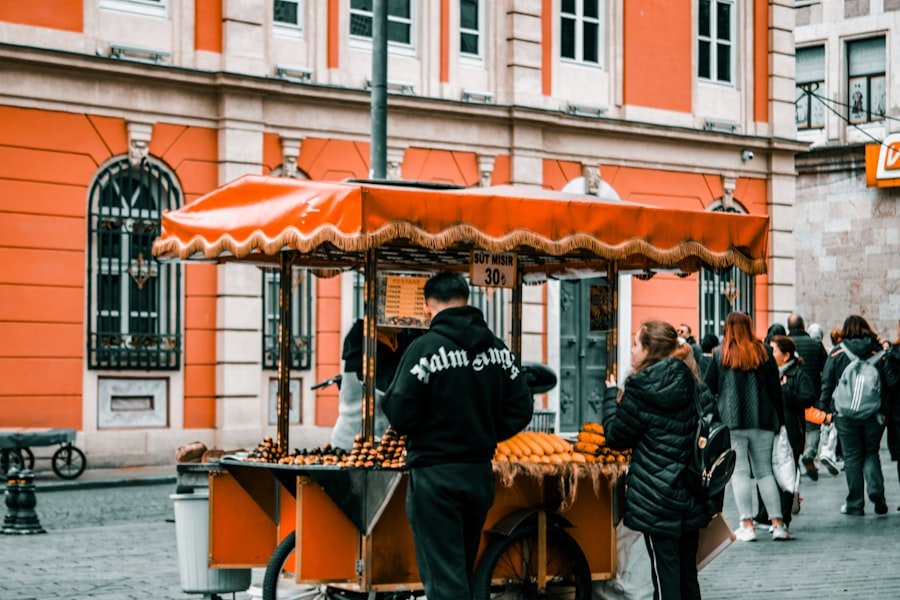
Simit is one of the easiest Istanbul foods to recognize. The ring-shaped bread is coated with sesame seeds and has a crisp exterior with a chewy center. It is commonly sold from carts, bakeries, kiosks, and ferry-area snack counters. Pair it with Turkish tea for a simple breakfast or inexpensive snack.
Midye dolma consists of mussels filled with seasoned rice and usually finished with lemon. Official Istanbul tourism information identifies it as a common street snack sold from portable trays in several parts of the city. Because shellfish is highly perishable, pay extra attention to how it is stored and handled.
Kokoreç is another established Istanbul street food. It is made from seasoned and grilled lamb offal, chopped and commonly served in bread. Its flavor is stronger than simit or börek, so it is a good choice if you want to try something more distinctive.
Börek is a practical option for travelers who prefer a bakery-style snack. This flaky pastry may contain cheese, minced meat, spinach, potatoes, or other fillings. It is often easier to find in bakeries and small food shops than from a mobile cart.
For a sweet option, künefe combines fine shredded pastry with cheese, syrup, and often pistachios. It is usually served hot. Although it is frequently included in discussions of Turkish casual food, künefe is more commonly prepared in a dessert shop or restaurant than handed over from a simple street cart.
Kumpir, a large baked potato mixed with butter and cheese and loaded with toppings, is another famous Istanbul snack. However, it is most strongly associated with nearby Ortaköy. GoTürkiye’s Istanbul street-food guide specifically highlights Ortaköy for kumpir, so it makes sense to try it there if you are exploring the Bosphorus.
Where to Find the Best Street Food in Arnavutköy
| Area or Setting | What to Look For | Best For |
|---|---|---|
| Arnavutköy Bosphorus waterfront | Seafood eateries, cafés, bakeries, kiosks, and any operating snack vendors | Fish, waterfront eating, tea, simit, and casual snacks |
| Side streets and neighborhood shops | Bakeries, small food counters, pastry shops, dessert shops, and takeaway businesses | Börek, simit, sweets, and quick meals |
| Wider Beşiktaş-Bosphorus area | A larger range of street vendors and casual food businesses | Midye dolma, kokoreç, döner, and other classic Istanbul street foods |
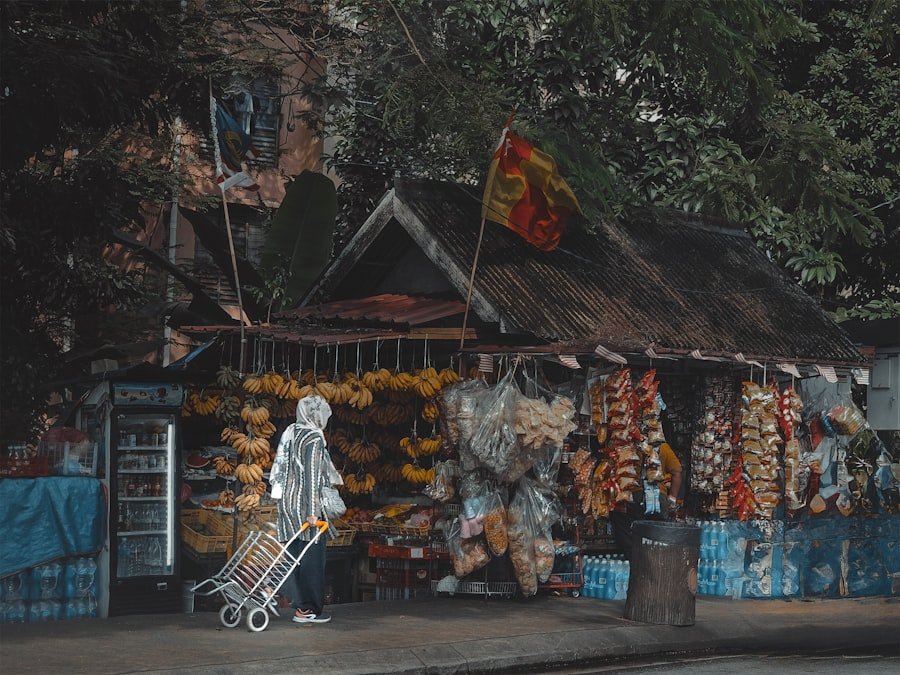
The waterfront is still the most enjoyable place to begin because it combines food with Bosphorus views. However, do not expect a permanent wall of identical street-food stalls every day. Mobile vendors can move, opening hours change, and some foods are sold more reliably from bakeries, kiosks, restaurants, or small takeaway businesses.
Walk a little inland as well. Neighborhood bakeries and food counters may be better choices for börek, simit, pastries, desserts, and other everyday foods than waiting for a street cart. This is also a more realistic way to experience how local residents eat.
If a particular Istanbul street food is your main goal and you cannot find it in Arnavutköy, the wider Beşiktaş area gives you more options. Nearby Ortaköy is especially well known for kumpir, while official tourism material also highlights Beşiktaş among Istanbul’s notable areas for casual food.
Pro Tip: Choose the food first and the exact vendor second. If you want simit or börek, bakeries may be more dependable. If you want midye dolma or kokoreç, look for busy casual-food areas. If you want kumpir, nearby Ortaköy is the more established destination.
The Cultural Significance of Street Food in Arnavutköy
Street food is part of a much wider Istanbul tradition of eating quickly, affordably, and socially in public spaces. Foods such as simit, stuffed mussels, roasted chestnuts, fish sandwiches, and döner connect everyday routines with the city’s markets, waterfronts, ferry routes, squares, and busy streets.
Arnavutköy adds a distinctive Bosphorus setting to that experience. Its old houses, waterfront, cafés, restaurants, and neighborhood streets provide a quieter backdrop than some of Istanbul’s busiest food districts. The result is less about moving from one huge line of carts to another and more about combining casual food with a walk along the water.
There is also a long historical connection between street sellers and Istanbul’s social life. Academic research on Ottoman street vendors describes itinerant sellers as an important part of the city’s economy and daily culture. That tradition has changed with modern food regulations, fixed shops, delivery services, and changing consumer habits, but portable food remains closely associated with Istanbul.
Small food businesses also contribute directly to neighborhood economies. Buying from a well-run bakery, kiosk, family restaurant, dessert shop, or street vendor keeps more of your spending within the local food economy while giving you a more everyday experience of the city.
Tips for Enjoying Street Food in Arnavutköy
Approach the neighborhood with some flexibility. The exact vendor you read about online may not be operating when you arrive, and mobile street-food sellers can change location. Bakeries, cafés, kiosks, and casual restaurants are useful backups.
Try unfamiliar dishes in small portions first. If you are unsure what something contains, ask before ordering, especially if you have food allergies, avoid certain meats, or need to know whether a dish contains dairy, nuts, shellfish, or gluten.
Warning: Street food is not automatically safe simply because a vendor is popular. The CDC advises travelers to be cautious with street-vended food and to favor food that is thoroughly cooked and served steaming hot. Be particularly careful with raw ingredients, shellfish, food sitting at lukewarm temperatures, and items that appear poorly refrigerated.
Busy periods may mean faster food turnover, but a crowd is not a guarantee of hygiene. Look at the preparation area. Food handlers should keep cooked food separated from raw ingredients, use clean utensils, and protect ready-to-eat food from contamination.
Dining outdoors can be one of the best parts of visiting Arnavutköy because the Bosphorus is central to the neighborhood’s appeal. Buy a simple snack or takeaway item and enjoy the waterfront where permitted, but dispose of packaging properly and respect residential areas.
Talking with vendors can also improve the experience. Ask what is freshest, which item they specialize in, or how a dish is normally eaten. Keep in mind that individual stories and recipes vary from business to business; there is no single version of every Istanbul street food.
Street Food Festivals and Events in Arnavutköy
Do not plan your visit around the claim that Bosphorus Arnavutköy has a guaranteed annual “Arnavutkoy Food Festival.” Reliable evidence for a recurring event by that exact description is lacking.
The naming issue matters here. Istanbul’s separate Arnavutköy district also holds festivals and municipal events. For example, Istanbul Metropolitan Municipality pages list events at İstanbul Su Medeniyetleri Müzesi in Terkos, which is in the airport-area Arnavutköy district rather than the Bosphorus neighborhood covered in this guide.
Note: When you see an event advertised as being in “Arnavutköy,” check the full venue address before going. An event in Terkos, Durusu, or near Istanbul Airport is in the separate Arnavutköy district and may be a long distance from Bosphorus Arnavutköy.
Temporary food stands can still appear during neighborhood celebrations, seasonal events, concerts, municipal programs, and other gatherings. Treat these as bonuses rather than permanent parts of the street-food scene, and verify dates through the event organizer before making travel plans.
The Future of Street Food in Arnavutköy
Arnavutköy continues to balance its historic Bosphorus character with modern cafés, restaurants, takeaway businesses, and changing eating habits. Traditional foods can survive without remaining frozen in one format: simit may come from a bakery instead of a cart, fish may be served from a casual restaurant instead of a boat, and customers increasingly use digital maps and delivery platforms to discover small businesses.
Sustainability is also becoming more important across the food industry. Vendors and food businesses can reduce waste through sensible packaging, responsible ingredient purchasing, proper storage, and efficient preparation. These practices matter more than vague claims that every street-food business is automatically local or environmentally friendly.
Technology will continue to influence how customers find and order food, but the essential appeal remains simple: freshly prepared food, a recognizable local setting, and the chance to experience everyday Istanbul flavors. In Arnavutköy, the Bosphorus waterfront gives that experience a setting that is difficult to duplicate elsewhere in the city.
If you’re a fan of street food in Arnavutköy, you may also enjoy exploring the delightful world of Asian melon. This juicy and refreshing fruit is a popular snack in many Asian countries and can be found at street food stalls and markets. To learn more about the different varieties of Asian melon and how to enjoy them, check out this article.
Frequently Asked Questions
What is street food in Arnavutköy?
Street food in Arnavutköy generally means quick Istanbul foods that you can eat casually or on the go, including simit, midye dolma, börek, kokoreç, fish-based snacks, and other takeaway foods. Some come from carts or trays, while others are sold more reliably from bakeries, kiosks, cafés, and small food businesses.
Which Arnavutköy does this guide cover?
This guide covers Arnavutköy on the European shore of the Bosphorus in the Beşiktaş area. It does not cover Istanbul’s separate Arnavutköy district, which includes Terkos and the area around Istanbul Airport.
What are some popular street foods in Arnavutköy?
Good Istanbul foods to look for include simit, midye dolma, börek, kokoreç, balık ekmek, roasted chestnuts when in season, and other quick snacks. Kumpir is also popular in Istanbul but is especially associated with nearby Ortaköy.
Is street food in Arnavutköy safe to eat?
No street-food area can be guaranteed safe. Reduce your risk by choosing food that is freshly cooked and served steaming hot, avoiding questionable raw ingredients, checking that cold foods are kept cold, and paying extra attention to shellfish and other highly perishable foods.
What are the best places to find street food in Arnavutköy?
Begin around the Bosphorus waterfront and then check neighborhood bakeries, kiosks, cafés, dessert shops, and small takeaway businesses. Mobile vendors can vary by day. If you want a larger selection, the wider Beşiktaş area and nearby Ortaköy are useful additions.
What is the cost of street food in Arnavutköy?
Prices vary by food, portion size, business type, and inflation, so fixed price figures can become outdated quickly. Simple bakery foods such as simit are normally among the lower-cost choices, while seafood and sit-down waterfront dining usually cost more. Check the displayed menu or ask the price before ordering.
Is there an annual Arnavutköy street food festival?
A recurring annual food festival in the Bosphorus neighborhood could not be reliably verified. Be careful with listings simply labeled “Arnavutköy,” because many events take place in the separate Arnavutköy district around Terkos and Istanbul Airport. Always check the venue address and organizer.
Sources
- GoTürkiye — Istanbul Street Food — supports the descriptions and citywide context for simit, midye dolma, balık ekmek, kumpir, and other Istanbul street foods.
- CDC Travelers’ Health — Food and Drink Considerations When Traveling — supports the food-safety guidance for street-vended food, raw ingredients, and temperature control.
- Middle East Technical University — Historical Environment of Arnavutköy — supports the neighborhood’s historical background and wooden Bosphorus architecture.
- Artuklu Journal of Arts and Humanities — Istanbul Street Vendors in Ottoman-Turkish Social Life — supports the broader historical role of street vendors in Istanbul.
- Istanbul Metropolitan Municipality — Terkos event listing — demonstrates that official events labeled Arnavutköy may take place in Terkos in the separate Arnavutköy district.