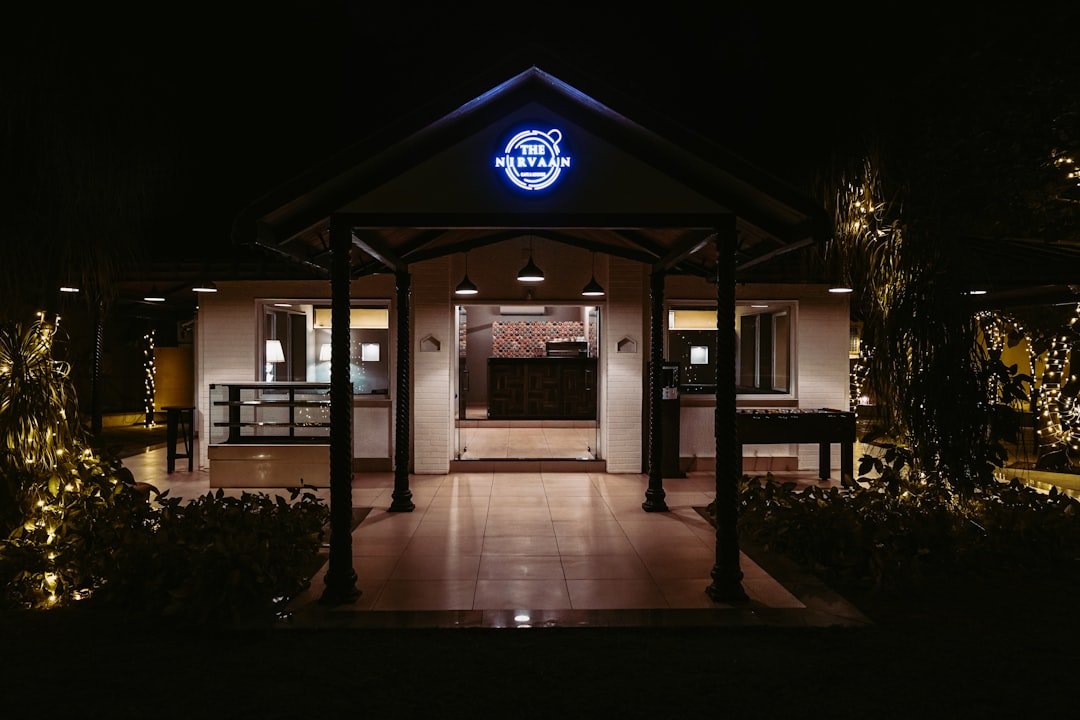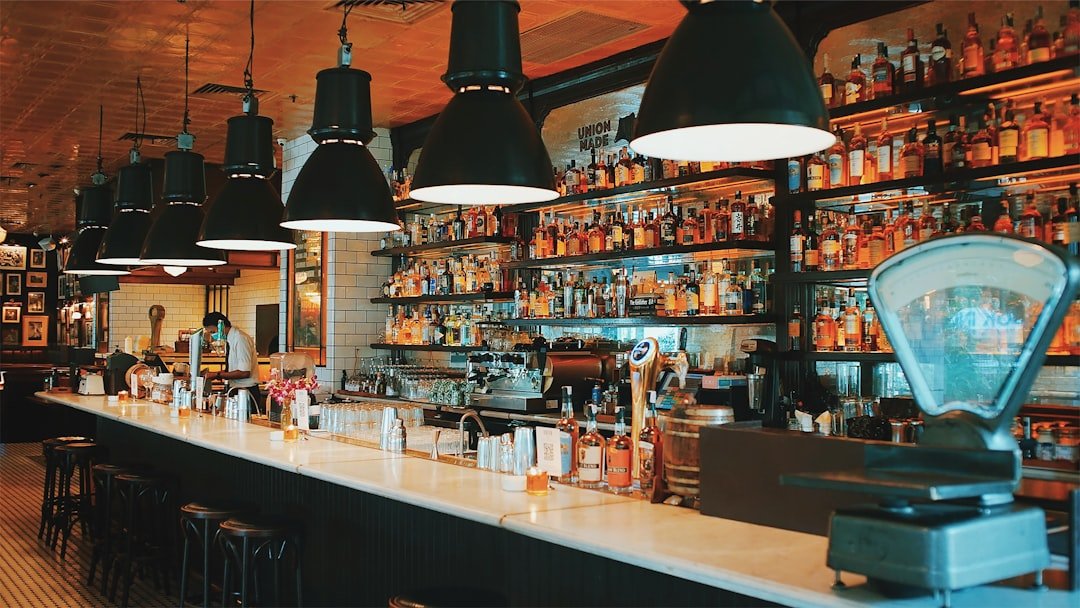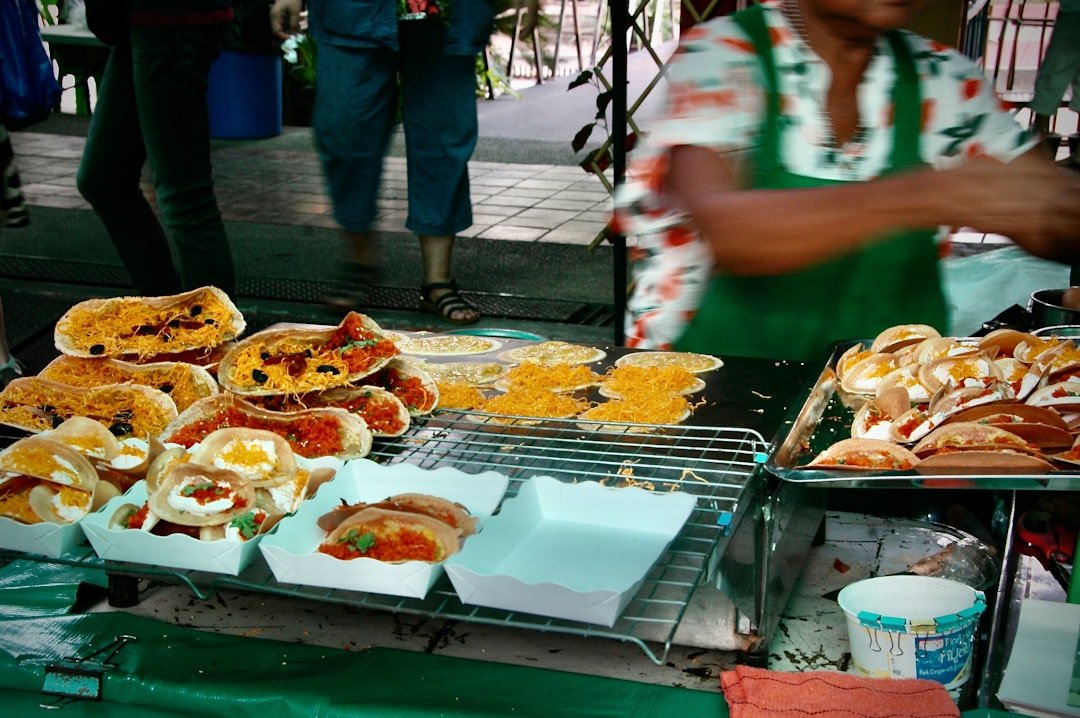
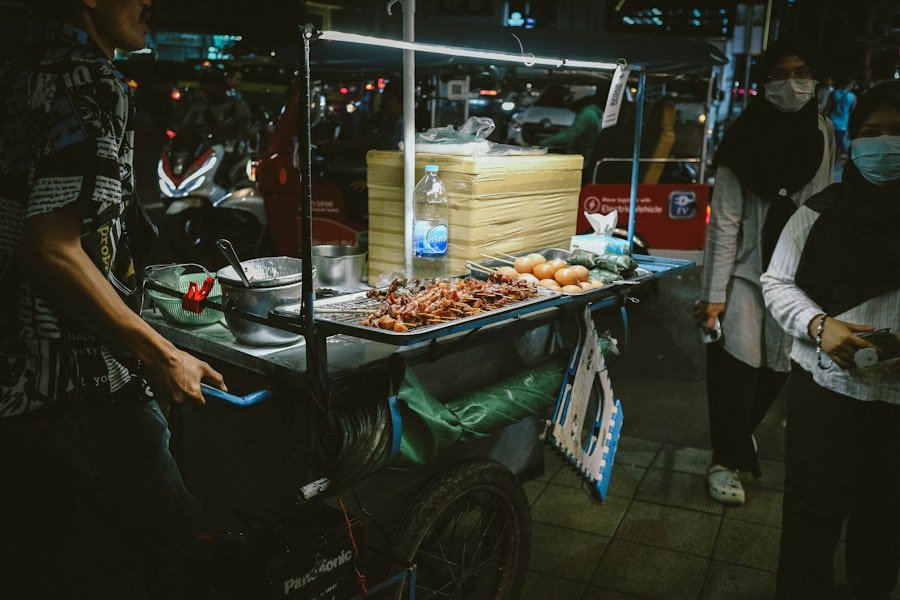
Nişantaşı is best known for fashion, cafés, and polished restaurants, but it is also a useful neighborhood for sampling Istanbul’s casual food culture. Rather than expecting one permanent street-food market, explore Teşvikiye and the surrounding streets for bakeries, quick-service eateries, and occasional carts selling Istanbul classics such as simit, döner, kokoreç, midye dolma, roasted chestnuts, and other grab-and-go foods.
Quick Answer
The best Nişantaşı street-food experience is a flexible food walk rather than a visit to one fixed market. Start around Teşvikiye and nearby side streets, look for fresh simit and börek, try döner or kokoreç for a fuller meal, and choose food that is freshly cooked and served hot.
Key Takeaways
- Simit, döner, kokoreç, midye dolma, börek and roasted chestnuts are among the Istanbul foods worth looking for around Nişantaşı.
- Teşvikiye Caddesi, Vali Konağı Caddesi, Abdi İpekçi Caddesi and their side streets form a practical walking area, but individual vendors can change.
- Morning is ideal for simit and pastries, while döner and other filling foods are easier to find around lunch and dinner; roasted chestnuts are most associated with colder weather.
- For food safety, favor clean, busy operations and food that is thoroughly cooked and served hot.
- Do not plan a trip around an old festival listing without checking the current Istanbul events calendar first.
Must-Try Street Food in Nişantaşı
Several foods commonly associated with Istanbul street-food culture are worth watching for while walking through Nişantaşı. Availability varies from street to street, so think of the list below as foods to recognize rather than a promise that every item will have a permanent cart in the neighborhood.
| Food | What It Is | Good Time to Look |
|---|---|---|
| Simit | A ring-shaped bread with a sesame-coated crust, commonly eaten plain or with cheese and tea. | Morning through afternoon |
| Döner | Seasoned meat cooked on a vertical spit and sliced into bread, a dürüm wrap, or onto a plate. | Lunch and dinner |
| Börek | Flaky layered pastry with fillings that may include cheese, potato, spinach or meat. | Breakfast and daytime |
| Kokoreç | Well-cleaned sheep intestines cooked over heat, chopped with seasonings and commonly served in bread. | Evening and late night |
| Midye dolma | Mussels filled with seasoned rice and commonly finished with lemon. | Afternoon and evening |
| Kestane | Chestnuts roasted over heat and sold as a warm handheld snack. | Especially in colder months |
Simit is one of the easiest foods to recognize. Its crisp sesame exterior and chewy center make it practical for eating while walking. Locals commonly pair it with tea, cheese or ayran, although fillings and accompaniments vary by bakery or seller.
Döner is more substantial. Beef, lamb or chicken may be cooked on a vertical rotisserie and sliced to order. It can be served in bread, rolled in thin flatbread, or plated with accompaniments. Sauces and fillings vary, so the best version is not necessarily the one with the most extras; freshly sliced, well-cooked meat is the main attraction.
Note: Nişantaşı has more permanent bakeries, cafés and casual eateries than a single concentrated street-food market. Carts and temporary sellers may move, disappear or change hours, so use food names and streets as a flexible guide rather than treating any individual cart as guaranteed.
The History and Culture of Nişantaşı’s Street Food
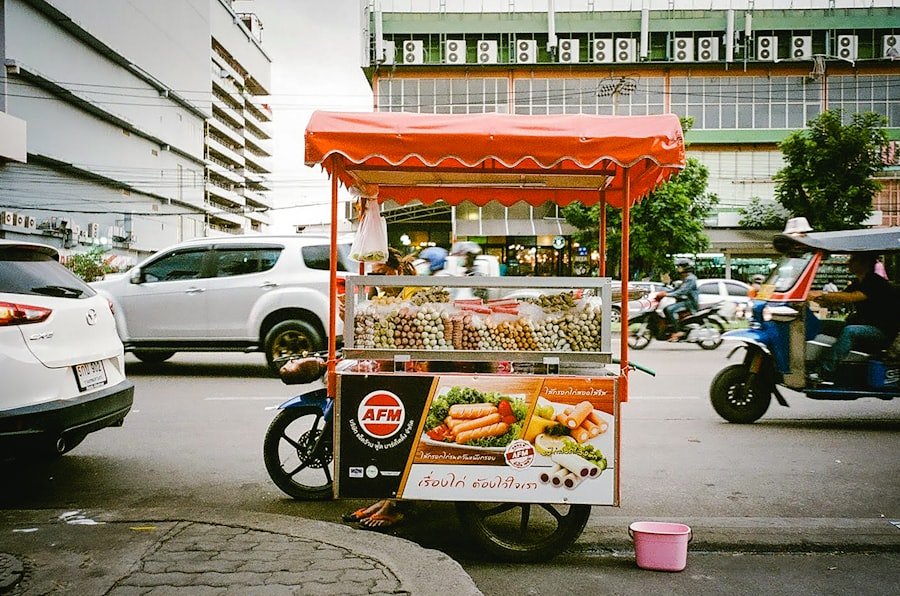
Nişantaşı’s modern food culture makes more sense when viewed alongside the neighborhood’s history. According to Şişli Municipality’s history of the district, Nişantaşı and Teşvikiye developed strongly during the nineteenth and early twentieth centuries, attracting palace-connected residents, officials and affluent Istanbul families as the city expanded beyond its older center.
That history helped shape a neighborhood known for fashionable streets, cafés, bakeries and restaurants. Today, casual foods coexist with polished dining rather than replacing it. A visitor may have a pastry and tea in the morning, grab döner later in the day, and pass upscale restaurants within the same short walk.
Street eating also offers a more informal side of the neighborhood. Simit, roasted chestnuts and foods eaten from bread or wraps are designed for movement. They fit easily into a day spent shopping, walking or visiting nearby Maçka.
Simit and döner kebap appear among the Istanbul traditions registered in Türkiye’s national cultural-heritage inventory, reflecting how closely these foods are tied to the city’s everyday culture.
Where to Find the Best Street Food in Nişantaşı
| Location | Food Options | Popular Dishes to Look For |
|---|---|---|
| Abdi İpekçi Caddesi | Upscale cafés and restaurants, with quicker options available on surrounding streets | Simit, pastries and seasonal roasted chestnuts when available |
| Vali Konağı Caddesi | Bakeries, casual eateries and quick-service food around the surrounding blocks | Börek, döner, dürüm-style meals and tea |
| Teşvikiye Caddesi | Bakeries, cafés and numerous eating options on nearby side streets | Simit, pastries, döner and other quick bites |
Teşvikiye is a sensible starting point because it connects naturally with the wider Nişantaşı dining area. Walk slowly rather than rushing toward one address. Bakery windows, rotating döner spits and busy takeaway counters often tell you more about what is available that day than an old list of vendors.
Abdi İpekçi Caddesi is better known for shopping and polished dining, so do not expect it to function like a traditional food market. Use it as part of the walking route, then check neighboring streets for quicker and less formal options.
Maçka Demokrasi Park is nearby and has lawns used for picnicking. Instead of assuming food trucks will be waiting inside the park, buy what you want around Nişantaşı and take it to the park when the weather is suitable.
Pro Tip: Build the walk around what looks fresh. Start with simit or börek, save döner or another hot dish for later, and treat roasted chestnuts as a seasonal bonus rather than a guaranteed year-round snack.
Navigating Nişantaşı’s Street Food Scene: Tips for First-Timers
Your first Nişantaşı food walk is easier if you stay flexible. Individual carts and menus can change, and the neighborhood mixes traditional Turkish food with modern cafés and international restaurants.
- Look for turnover: A busy bakery or food counter usually means products are moving quickly rather than sitting for long periods.
- Prioritize freshly cooked food: For meat and hot dishes, choose food that is thoroughly cooked and served hot.
- Ask before ordering: Ingredients, spice levels and fillings vary. If you have an allergy or dietary restriction, do not rely only on the dish name.
- Check the price first: Food prices in Istanbul can change, so read the menu or ask before ordering instead of relying on an old online price.
- Try one item at a time: Simit, börek, midye dolma and other snacks make it easy to sample several foods without ordering full meals at every stop.
- Carry water and clean your hands: Handwashing is best; when it is not available, hand sanitizer is useful before eating.
Warning: Street food is not risk-free. The CDC Yellow Book notes that food from street vendors can increase travelers’ risk of illness. When hygiene is uncertain, favor fully cooked food served hot and be cautious with raw or undercooked meat, seafood and other foods that may have been held at unsafe temperatures.
Being adventurous does not mean ignoring your preferences. Tantuni, for example, is a thinly chopped meat dish commonly served in a wrap and can be a good alternative to döner when you find it. Midye dolma offers a very different texture and flavor, but shellfish requires extra care if you have allergies or concerns about storage.
Unique and Unusual Street Food Finds in Nişantaşı
Çiğ köfte is one of the foods that can confuse first-time visitors because its history and modern commercial form are not identical. Traditional recipes could include raw meat mixed with fine bulgur, spices and other ingredients. Commercial versions commonly encountered today are often prepared without meat, using bulgur, pepper pastes, spices and herbs instead.
It is commonly served in a lettuce leaf or thin wrap with greens, lemon and sauces. A meatless version can be suitable for vegetarians and may be vegan, but ingredients and sauces vary, so ask the seller if that distinction matters to you.
Kestane, or roasted chestnuts, offers a simpler experience. During colder weather, chestnuts roasted over heat are a familiar Istanbul street snack. Their smoky aroma is part of the appeal, and they are easy to eat while walking.
Other foods worth noticing include corn, filled pastries and different dürüm-style wraps. Not every item is uniquely Nişantaşı, but that is part of the point: the neighborhood gives you access to foods that belong to Istanbul’s broader everyday eating culture.
Street Food Festivals and Events in Nişantaşı
Nişantaşı has hosted street festivals and food-related events in the past, but visitors should not assume there is a fixed annual “Istanbul Street Food Festival” in the neighborhood every year. Event names, organizers, venues and dates change, and old event pages can remain online long after a festival has ended.
If attending an event is important to your trip, check a current calendar shortly before visiting. GoTürkiye maintains a current Istanbul events listing covering festivals, concerts, cultural events and other scheduled activities.
Note: Treat social-media posts and old festival articles as historical information unless the organizer has published current dates. A past Nişantaşı food event does not guarantee the same event will return on the same weekend the following year.
Even without a festival, a self-guided food walk works well because you can combine everyday food with shopping, architecture and a break near Maçka. It also lets you choose sellers based on what is actually open and fresh that day.
Supporting Local Vendors: The Importance of Sustainable Street Food Practices in Nişantaşı
Supporting smaller food businesses can keep more of your spending within the neighborhood, but it is better not to assume that every vendor follows the same sourcing or environmental policy. Practices differ from one operator to another.
You can still make simple lower-waste choices. Order only what you expect to eat, refuse unnecessary disposable cutlery when you do not need it, carry a reusable water bottle where practical, and use public transport or walking for a food crawl instead of taking a vehicle between nearby streets.
If sustainability matters strongly to you, ask a business about its ingredients, packaging or waste practices rather than relying on broad claims. That approach rewards businesses that can explain what they actually do.
Nişantaşı’s casual food scene is most enjoyable when you treat it as part of a wider Istanbul food experience. Start with familiar classics such as simit or döner, add something less familiar such as kokoreç or çiğ köfte if it appeals to you, and stay flexible about where each stop happens. The neighborhood’s mix of traditional foods, bakeries, contemporary eateries and walkable streets makes exploration more rewarding than following a rigid vendor checklist.
If you’re a fan of exploring unfamiliar ingredients as well as street food, you may also enjoy this article about the world of Asian melon, which looks at different types of melon and their culinary uses.
Frequently Asked Questions
What is street food in Nişantaşı?
Street food in Nişantaşı includes portable or quick-service foods sold from carts, bakeries, small counters and casual eateries. You may encounter Istanbul classics such as simit, döner, kokoreç, midye dolma, börek and roasted chestnuts, although availability changes by street, season and time of day.
What are some popular street foods in Nişantaşı?
Good foods to look for include simit, döner, börek, kokoreç, midye dolma, çiğ köfte and roasted chestnuts. These are part of Istanbul’s broader casual-food culture, so not every dish will have a permanent vendor on every Nişantaşı street.
Is street food in Nişantaşı safe to eat?
Street food can be enjoyed, but no vendor is automatically risk-free. Choose clean, busy operations and favor food that is thoroughly cooked and served hot. Be particularly careful with raw or undercooked meat and seafood, and avoid food that appears to have been sitting at an unsafe temperature.
What is the best time to enjoy street food in Nişantaşı?
There is no single best hour. Morning is ideal for fresh simit, börek and tea. Döner and other hot meals are easier to fit into lunch or dinner, while kokoreç is strongly associated with evening and late-night eating. Roasted chestnuts are most common during cooler weather.
Are there vegetarian or vegan street-food options in Nişantaşı?
Yes. Roasted chestnuts, some simit, corn and meatless çiğ köfte may be suitable options. Vegetarian börek may contain cheese, while even vegetable-filled pastries can contain butter, egg or other animal products. If you are vegan or have an allergy, ask about the ingredients rather than assuming from the filling alone.
Where should a first-time visitor look for street food in Nişantaşı?
Start around Teşvikiye Caddesi and explore the surrounding streets toward Vali Konağı and Abdi İpekçi. Look for bakeries, takeaway counters and busy casual eateries rather than expecting one fixed street-food market. You can also buy food in the neighborhood and take it to nearby Maçka Demokrasi Park for a picnic.
Sources
- GoTürkiye — Iconic Street Food from Istanbul — supports descriptions of simit, döner, kokoreç, midye dolma and roasted chestnuts.
- Şişli Municipality — History of Şişli — supports the historical development of Nişantaşı and Teşvikiye.
- Istanbul Provincial Directorate of Culture and Tourism — Registered Heritage — supports the cultural-heritage status of Istanbul traditions including simit and döner kebap.
- GoTürkiye — Maçka Demokrasi Park — supports information about the nearby park and its picnic areas.
- CDC Yellow Book — Food and Water Precautions for Travelers — supports the street-food and food-safety guidance.
- Türkiye Ministry-linked food-hygiene research on meatless çiğ köfte — supports the distinction between traditional raw-meat recipes and commercial meatless production.