Şişli is one of Istanbul’s busiest modern districts, and eating here can be as simple as picking up a sesame-coated simit on the way to the metro, ordering a döner wrap for lunch, or stopping for kokoreç later in the evening. The district includes commercial centers such as Mecidiyeköy as well as neighborhoods such as Feriköy, Bomonti, Kurtuluş, Nişantaşı, and parts of Harbiye, giving you a broad mix of traditional Turkish food, bakeries, markets, cafés, and quick-service counters.
Quick Answer
For a practical Şişli street-food experience, start with simit, döner, kokoreç, lahmacun, roasted corn or chestnuts, and other quick Turkish snacks. Mecidiyeköy and Feriköy are useful areas to explore, especially around official neighborhood-market days. Taksim offers even more street food nearby, but it is in Beyoğlu rather than Şişli.
Key Takeaways
- Simit, döner, kokoreç, midye dolma, lahmacun, roasted corn, and roasted chestnuts are among the Istanbul foods worth looking for.
- Şişli Municipality currently lists the Mecidiyeköy neighborhood market on Sunday and several Feriköy markets on different days of the week.
- Taksim is close to Şişli and has a famous street-food scene, but it belongs to neighboring Beyoğlu.
- Choose busy, clean-looking vendors and pay attention to how hot, cold, raw, and cooked foods are handled.
- Vegetarian choices are relatively easy to find, but vegan, gluten-free, and allergy-sensitive travelers should confirm ingredients and cross-contact before ordering.
Where to Find Street Food in Şişli
There is no single street in Şişli that contains every famous Istanbul snack. The better approach is to explore busy transport and shopping areas, neighborhood markets, bakeries, small food counters, and streets where local residents regularly eat.
Mecidiyeköy
Mecidiyeköy is one of Şişli’s busiest commercial and transportation areas. Its heavy foot traffic supports plenty of quick-food businesses, including bakeries, döner counters, sandwich shops, and other grab-and-go options.
For a more specific destination, the Şişli Municipality market list currently shows the Mecidiyeköy Semt Pazarı operating on Sunday around Oğuz, Altan Erbulak, Avni Dilligil, and Otello Kamil streets.
Market schedules can change for holidays, public works, or local administrative reasons, so check the municipality’s current list before making a special trip.
Feriköy
Feriköy is another useful neighborhood for travelers who want to see a more everyday side of Şişli. According to the municipality’s current market schedule, the Feriköy Lala Şahin neighborhood market operates on Monday and Thursday, while the Feriköy Ecological Market is listed for Saturday. A clothing market is listed for Friday and the well-known antique market for Sunday.
Prepared-food availability varies by vendor and market day, so do not arrive expecting one specific dish. Instead, treat the market area as a place to browse, then look at nearby bakeries, lokantas, grills, and snack counters for whatever is freshly prepared that day.
Bomonti and Kurtuluş
Bomonti and nearby Kurtuluş offer a different atmosphere from the office-heavy streets around Mecidiyeköy. You will find bakeries, cafés, casual restaurants, dessert shops, and quick-food counters mixed into residential streets.
Bomonti is better understood as a broader dining area than as one concentrated street-food market. It is a good place to compare traditional snacks with newer interpretations without assuming that every popular food business is a street cart.
Nearby Taksim: Useful, but Not in Şişli
Taksim Square is close enough to combine with a Şişli food outing, but it belongs to Beyoğlu, not Şişli. If you continue south toward Taksim and İstiklal Avenue, you will find a much denser tourist-oriented street-food environment.
Türkiye’s official tourism site highlights Taksim in particular for snacks such as midye dolma, while other Istanbul street foods including roasted chestnuts, döner, kokoreç, and simit are widely available around the city. If your goal is specifically “street food in Şişli,” keep Taksim as an optional nearby extension rather than treating it as part of the district.
Must-Try Street Food Dishes in Şişli
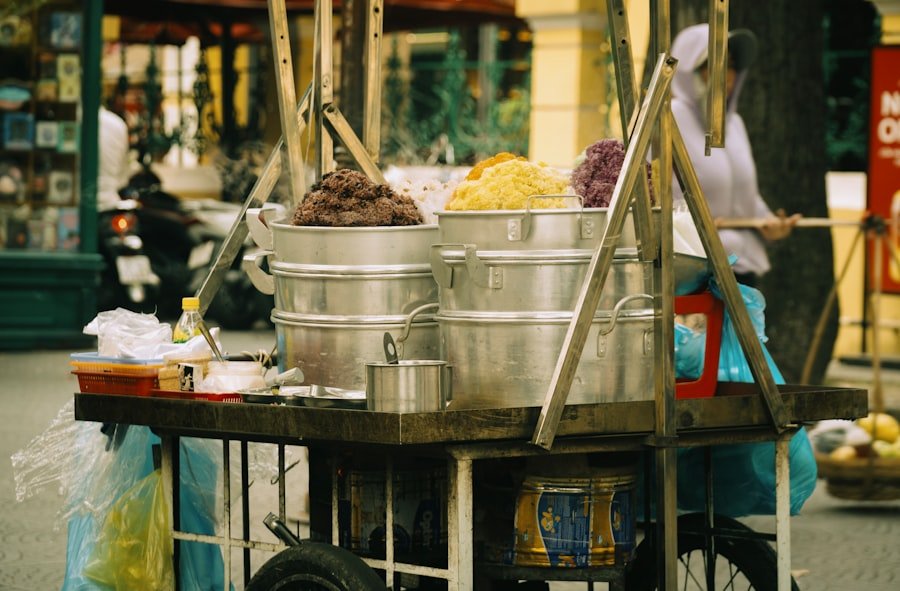
Istanbul’s food culture is larger than any single district, so many dishes you encounter in Şişli are citywide classics rather than foods invented in Şişli itself. The following are good starting points.
Simit
Simit is one of the easiest street snacks to find in Istanbul. It is a ring-shaped bread coated generously with sesame seeds, with a crisp exterior and chewy interior. It works particularly well as a quick breakfast or mid-morning snack and is commonly paired with Turkish tea or cheese.
GoTürkiye describes simit as one of Istanbul’s most recognizable and widely available street foods, sold by street vendors, bakeries, and transport-area snack counters.
Döner
Döner is made by cooking seasoned layers of meat on a rotating vertical spit and slicing the browned outer layer as it cooks. Depending on the shop, the meat may be chicken, beef, lamb, or a mixture. For a quick meal, it is commonly served in bread or wrapped in thin flatbread with vegetables and sauces.
A good döner counter should have steady turnover. High turnover does not guarantee safety or quality, but it generally means cooked meat is being sliced and served regularly rather than sitting for long periods.
Kokoreç
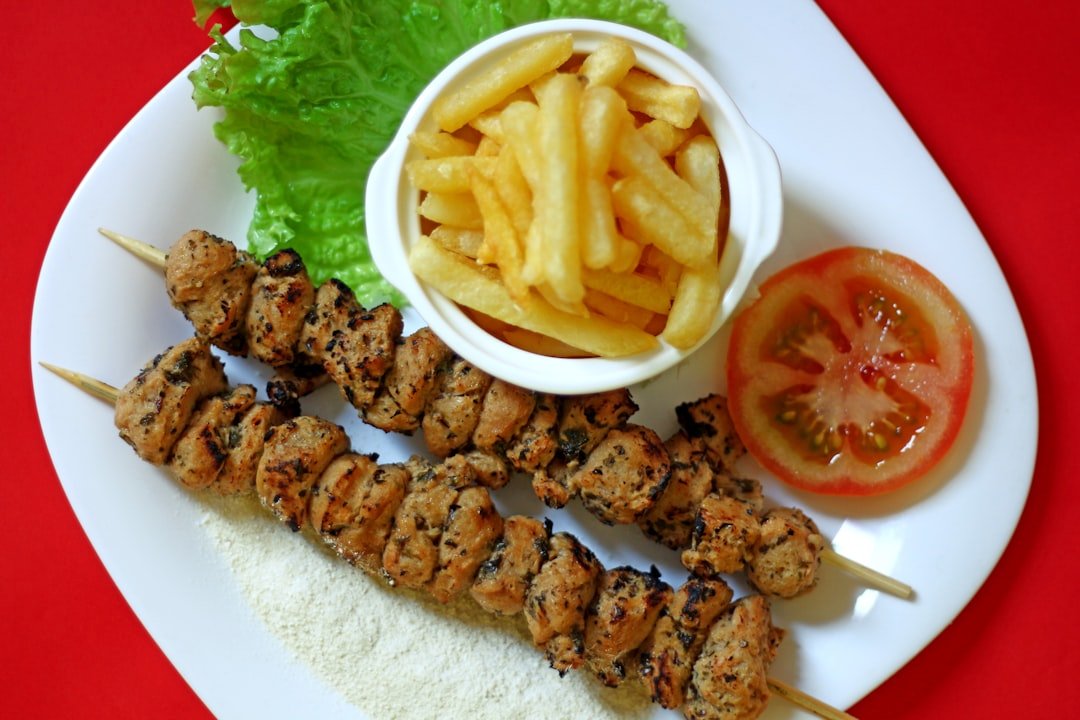
Kokoreç is one of Türkiye’s more distinctive street foods. It is made from carefully cleaned sheep intestines that are grilled and chopped, usually with seasonings such as salt, black pepper, thyme, and chili. Tomatoes and peppers may also be added depending on the preparation.
It is commonly served inside bread and is especially associated with late-night eating. Because it is an offal dish, choose a reputable establishment where preparation, cooking, and storage look well controlled.
Midye Dolma
Midye dolma consists of mussels filled with seasoned rice and usually served in the shell with lemon. Vendors often sell them individually, making it easy to eat several in quick succession.
They are a well-established Istanbul street snack, although GoTürkiye particularly highlights areas such as Taksim, Beşiktaş, and Kadıköy. You may encounter them around Şişli as well, but availability varies.
Warning: Shellfish and other perishable foods deserve extra care. Skip a vendor if food appears poorly protected, temperature control looks questionable, utensils or hands are visibly unclean, or raw and ready-to-eat foods are being handled together.
Lahmacun
Lahmacun is a thin flatbread topped with a finely chopped or minced mixture that commonly includes meat, tomato, pepper, herbs, and spices. It is baked quickly and is often served with parsley, greens, onion, and lemon.
It is sometimes described in English as “Turkish pizza,” but that comparison does not fully capture its thinner base, different topping, and traditional serving style.
Roasted Corn and Chestnuts
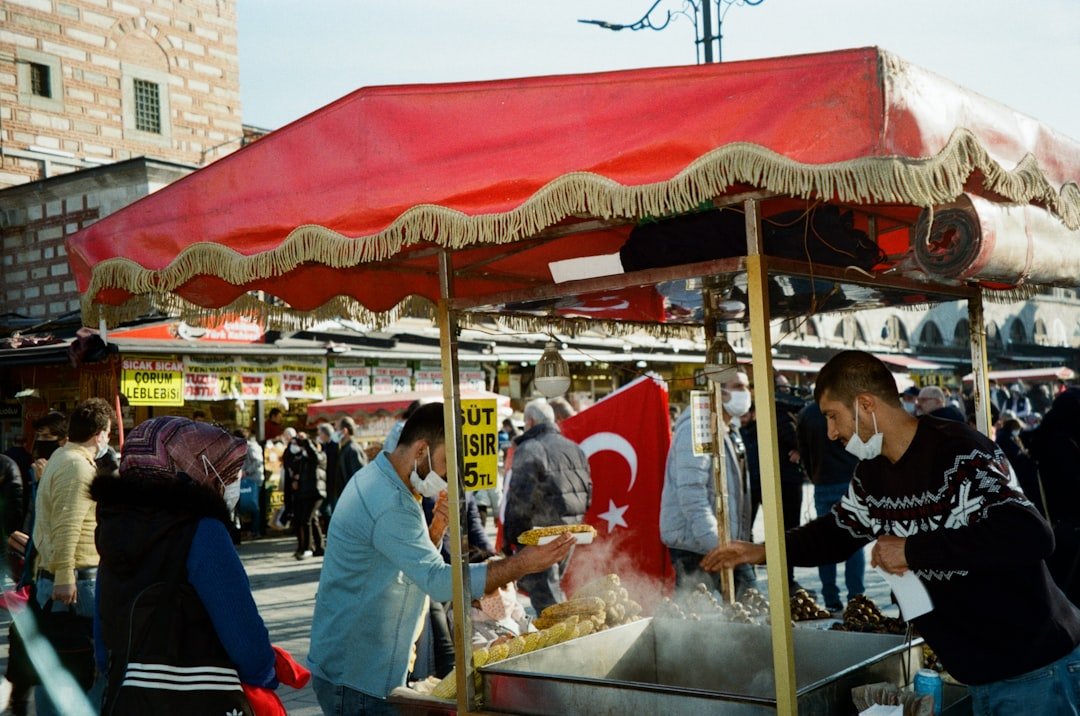
Simple seasonal snacks are also part of Istanbul street life. Roasted or boiled corn is common in warmer months, while roasted chestnuts become especially tempting as the weather cools. These are useful choices if you want something small between larger meals.
The History and Culture Behind Şişli’s Food Scene
| Food Item | Main Ingredients | Street-Food Context |
|---|---|---|
| Kokoreç | Sheep intestines, spices, sometimes tomatoes and peppers | A distinctive Turkish street snack, particularly popular for late-night eating. |
| Midye Dolma | Mussels, seasoned rice, onion and spices | A common Istanbul snack traditionally served in the shell with lemon. |
| Simit | Flour-based dough, sesame seeds and traditionally a molasses-style coating | A long-established breakfast and street snack sold throughout Istanbul. |
| Balık Ekmek | Fish, bread, onion and greens | An Istanbul classic, but more strongly associated with waterfront districts such as Eminönü and Karaköy than inland Şişli. |
Şişli’s history needs a little clarification. Although parts of the present-day district have older roots, modern Şişli is not one of Istanbul’s oldest urban districts. According to the official history published by Şişli Municipality, much of the area remained relatively open until the 19th century and urban development accelerated later in the Ottoman period.
One exception is the older settlement historically known as Tatavla, now Kurtuluş, whose history reaches much further back. As Istanbul expanded northward, Şişli attracted Ottoman officials, minority communities, Levantines, merchants, workers, and later large waves of internal migration. These demographic changes helped create the district’s varied food culture.
Şişli became an administrative district in 1954, while many of the neighborhoods that shape its character developed during Istanbul’s rapid expansion in the late Ottoman and Republican periods.
Food in Şişli therefore reflects both long-established Istanbul traditions and the habits of a modern commercial district: people eat quickly on workdays, grab breakfast on the move, meet over tea, and move between traditional bakeries, neighborhood restaurants, markets, and newer food businesses.
Şişli’s Street Food Scene: A Practical Culinary Adventure
The attraction of street food is not simply that it is cheap or fast. It allows you to see how ordinary foods fit into the rhythm of the city.
In the morning, a bakery or simit seller can be more useful than a large restaurant. Around lunchtime, döner, pide, lahmacun, börek, soups, and rice-based meals become more prominent. Late in the evening, kokoreç and other filling snacks tend to make more sense.
Instead of trying to order every famous Turkish dish in a single afternoon, choose two or three items and compare them in different parts of the district. This makes it easier to notice differences in bread, seasoning, meat, toppings, and preparation.
Pro Tip: Look for places with a steady stream of local customers and food being prepared continuously. Turnover alone does not prove quality, but it is usually preferable to choosing perishable food that appears to have been sitting for a long time.
Where to Find a More Local Food Experience
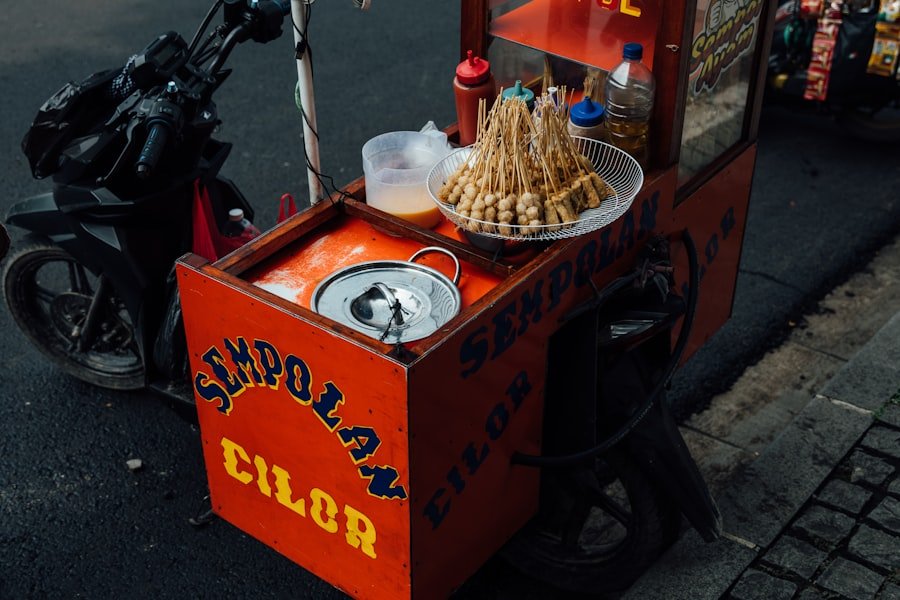
If authenticity is your goal, do not judge it only by whether food comes from a cart. In Istanbul, some of the most everyday local food comes from small bakeries, compact döner counters, neighborhood lokantas, market-side food businesses, and shops with only a few tables.
Use Official Market Days as Starting Points
Feriköy is particularly useful because several different markets operate there during the week. The municipality currently lists the Lala Şahin neighborhood market on Monday and Thursday and the Ecological Market on Saturday. Mecidiyeköy’s neighborhood market is listed on Sunday.
These markets are primarily places for neighborhood shopping, so prepared-food choices are not guaranteed. Their value to a visitor is that they place you in active local shopping areas where you can also explore surrounding bakeries, cafés, restaurants, and snack shops.
Do Not Ignore Bakeries and Small Food Counters
A bakery selling simit, börek, poğaça, or other savory pastries may offer a more typical local breakfast than a heavily promoted tourist food stop. The same is true of a busy döner or köfte counter serving nearby workers.
If you want a lighter break between meat-heavy dishes, look for seasonal fruit, roasted corn, chestnuts, vegetable-filled pastries, salads, lentil-based foods, or meat-free çiğ köfte where available. Always confirm ingredients if you follow a strict diet.
Şişli Street Food and Istanbul’s Mix of Culinary Influences
Şişli’s population has changed repeatedly as Istanbul expanded. The district’s official history records the presence of Greek communities, Levantines, Ottoman elites, migrants, workers, merchants, and other groups at different stages of its development.
That background helps explain why food choices in Şişli are broader than a narrow list of “traditional street foods.” Turkish standards such as simit, döner, börek, lahmacun, köfte, kokoreç, and desserts exist alongside restaurants and take-away businesses serving foods from the Middle East, Balkans, Mediterranean, and farther abroad.
However, finding falafel, pasta, dumplings, sushi, or another international food in Şişli does not automatically make it part of the district’s traditional street-food heritage. Travelers interested specifically in Istanbul street food should begin with the established local foods documented by GoTürkiye’s Istanbul street-food guide, then explore newer international options separately.
Tips for Exploring Şişli’s Street Food Scene
Go at the Right Time
Morning is ideal for simit, börek, tea, and bakery foods. Lunch brings the widest choice of quick meals around commercial districts. Early evening works well for casual food exploration, while kokoreç and some heavier snacks are strongly associated with late-night eating.
Check Market Schedules Before Traveling
Neighborhood markets do not operate every day. Use the Şişli Municipality market page before arranging your route, especially if you are visiting Feriköy or Mecidiyeköy specifically for a market.
Watch Food Handling
The World Health Organization’s Five Keys to Safer Food emphasize keeping food and preparation areas clean, separating raw and cooked foods, cooking thoroughly, keeping food at safe temperatures, and using safe water and raw materials.
As a customer, you cannot inspect every part of a food operation, but you can observe basic signs. Favor vendors where the serving area is clean, raw ingredients are kept away from ready-to-eat foods, utensils are handled properly, hot dishes are served hot, and perishable ingredients are protected rather than sitting exposed for long periods.
Şişli Municipality states that its municipal police inspect food businesses and market areas for matters including hygiene and public health. Türkiye’s Ministry of Agriculture and Forestry also conducts official food-business controls.
Note: Türkiye introduced a food-business QR inspection-information system for covered food-sale and food-service establishments. Since July 28, 2025, covered businesses have been required to display their QR information where consumers can see it. Where available, scanning it can provide registration and latest-inspection information.
Ask About Ingredients Before Assuming a Dish Fits Your Diet
Vegetarian travelers can often find foods such as simit, some börek and gözleme fillings, roasted corn, chestnuts, salads, lentil dishes, and meat-free çiğ köfte. Vegan travelers need to ask about butter, cheese, yogurt, egg, meat stock, and sauces because recipes differ.
If you have celiac disease, a severe food allergy, or another medically important dietary restriction, do not assume that grilled meat, rice, bread-free food, or a vegetable dish is automatically safe. Marinades, sauces, shared preparation surfaces, fryers, utensils, and cross-contact can change the answer.
Türkiye’s food-information rules require allergen information in covered food-service settings, including various ready-to-eat food businesses. Even so, explain your restriction clearly before ordering when cross-contact matters.
Carry More Than One Payment Option
Many established food businesses accept cards, but a small market seller or informal snack stand may prefer cash. Carrying some Turkish lira can save time, while paying by card where accepted can reduce the need for large amounts of cash.
Do Not Chase a Fixed “Street Food Price” Online
Food prices in Istanbul vary by neighborhood, portion, meat type, venue, and inflation. Instead of relying on an old online price, check the displayed menu or price board before ordering. Market and food-business inspections in Şişli include price-label checks, but you should still confirm the price yourself before purchasing.
Frequently Asked Questions
What is street food in Şişli?
Street food in Şişli includes quick foods and snacks sold from small counters, bakeries, kiosks, market areas, take-away shops, and some mobile vendors. Typical Istanbul choices include simit, döner, kokoreç, midye dolma, pastries, lahmacun, roasted corn, and chestnuts.
What are the best street foods to try in Şişli?
Start with simit for breakfast, döner or lahmacun for a filling meal, and kokoreç if you want one of Türkiye’s more distinctive late-night foods. Midye dolma, roasted corn, roasted chestnuts, börek, and other bakery snacks are also worth looking for when available.
Where are the neighborhood markets in Şişli?
The current Şişli Municipality list includes the Mecidiyeköy neighborhood market on Sunday, Feriköy Lala Şahin neighborhood markets on Monday and Thursday, and Feriköy Ecological Market on Saturday, among several other district markets. Check the official list before visiting because schedules can change.
Is Taksim part of Şişli?
No. Taksim is in the neighboring Beyoğlu district. It is close enough to combine with a Şişli food outing and has a large selection of Istanbul street food, but it should not be described as a Şişli neighborhood.
Is street food in Şişli safe to eat?
No vendor can be guaranteed safe simply because it is popular. Choose clean, high-turnover businesses, favor food that is freshly prepared and properly heated or chilled, and avoid sellers where raw and cooked foods are handled together or perishable food appears poorly stored. Take extra care with shellfish and other highly perishable foods.
What is the best time to enjoy street food in Şişli?
Morning is good for simit, börek, and tea; lunchtime provides the broadest range of quick meals around commercial areas; and evening is useful for casual food exploration. Kokoreç and similar filling foods are particularly popular later at night.
Are there vegetarian, vegan, or gluten-free street-food options in Şişli?
Vegetarian choices are generally easier to find, including some pastries, vegetable dishes, roasted corn, chestnuts, simit, and meat-free çiğ köfte. Vegan and gluten-free suitability depends on the recipe and preparation method. Anyone with celiac disease or a serious allergy should ask about ingredients, shared fryers, utensils, marinades, sauces, and cross-contact before ordering.
Sources
- Şişli Municipality — Marketplaces — current neighborhood-market locations and operating days.
- Şişli Municipality — History of Şişli — district development, neighborhoods, migration, and historical context.
- GoTürkiye — The 10 Most Popular Street Foods of Istanbul — descriptions of established Istanbul street foods including simit and midye dolma.
- World Health Organization — Five Keys to Safer Food — food hygiene, cooking, temperature, separation, and safe-water guidance.
- Türkiye Ministry of Agriculture and Forestry — Food Business QR System — current food-business inspection-information system.