Finding the best lokum in Istanbul is easier when you know which shops specialize in the sweet and which places simply sell it as a tourist souvenir. Traditional Turkish delight is a soft, elastic confection based mainly on sugar and starch, often flavored with rose, lemon, mastic, fruit, or nuts. Istanbul offers everything from centuries-old confectioners to busy bazaar counters and modern café-style branches.
Quick Answer
For classic lokum in Istanbul, start with Hacı Bekir in Eminönü, Hafız Mustafa 1864 in Sirkeci or Bahçekapı, and Şekerci Cafer Erol in Kadıköy. The Spice Bazaar is excellent for tasting and comparing varieties, while the Grand Bazaar offers more souvenir shopping but greater variation between sellers.
Last checked: October 1, 2026. Dates and figures were verified against official sources.
Key Takeaways
- Hacı Bekir is the strongest stop for historic context because its Bahçekapı confectionery dates to 1777.
- Hafız Mustafa combines a large lokum range with café seating and numerous central Istanbul branches.
- Şekerci Cafer Erol is especially useful on the Asian side and offers many pistachio, pomegranate, chocolate-coated, and gift-box varieties.
- At bazaars, taste before buying and judge freshness, texture, ingredients, and price by weight rather than packaging alone.
- Historic restaurants such as Pandeli and Asitane are worthwhile for meals, but they should not be treated as dedicated lokum destinations.
Where to Find the Best Lokum in Istanbul: Traditional Shops
The most reliable traditional lokum stops are specialist confectioners with long histories and established product ranges. Hacı Bekir, Hafız Mustafa, and Şekerci Cafer Erol give you three different experiences: a historic confectionery, a café-style dessert institution, and a broad traditional sweet shop with strong gift options.
Hacı Bekir
Hacı Bekir is one of Istanbul’s most historically significant confectioners. According to the company’s official history, Hacı Bekir Efendi opened his small confectionery in Bahçekapı in 1777 and produced lokum, akide candy, and other sweets there.
The company’s surviving Bahçekapı connection makes it especially useful if you want both lokum and a sense of the city’s confectionery history. Classic options such as rose, citrus, mastic, and nut-filled varieties fit the traditional style better than heavily decorated souvenir sweets.
Hafız Mustafa 1864
Hafız Mustafa was founded in Bahçekapı in 1864, according to the company’s official history. Today it operates numerous Istanbul branches and sells lokum alongside baklava, puddings, cakes, coffee, and other Turkish sweets.
This is a practical choice if you want to sit down rather than simply buy a box at a counter. It also works well for mixed groups because people who do not want lokum can order other desserts.
Şekerci Cafer Erol
Şekerci Cafer Erol traces its confectionery tradition to 1807 and remains closely associated with Kadıköy. Its current lokum range includes plain powdered varieties, double-roasted pistachio lokum, fruit-and-pistachio combinations, chocolate-coated pieces, and elaborate gift boxes.
It is a particularly useful option if your Istanbul itinerary spends time on the Asian side. The presentation can be more elaborate than a simple tray of powdered cubes, so it is also suitable for gifts.
What about Ali Muhiddin Hacı Bekir?
Ali Muhiddin Hacı Bekir is not a separate historic confectionery from Hacı Bekir. It is the same family business and brand lineage. Treating the names as two competing traditional shops can be confusing, so choose the Hacı Bekir branch that best fits your route instead.
Modern Ways to Eat Lokum in Istanbul
Modern lokum experiences in Istanbul usually come from established confectioners expanding the traditional shop into a café setting. That gives you seating, tea or coffee, and a larger dessert menu without losing access to classic Turkish delight.
Hafız Mustafa for a café-style stop
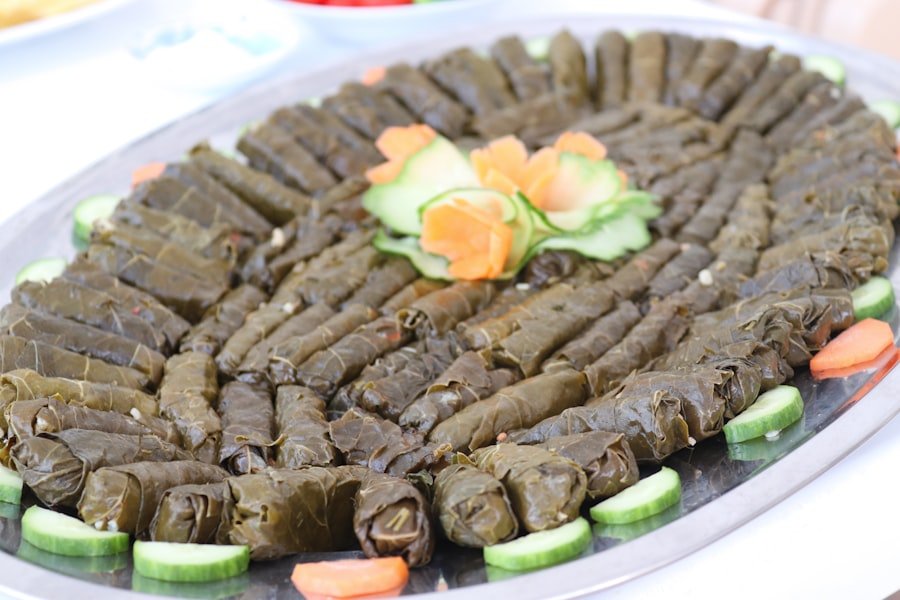
The Sirkeci branch is one of the easiest choices for visitors staying around the Historic Peninsula. The official Sirkeci branch page lists Turkish delight among its products, along with table service and indoor and outdoor seating. It currently states that the branch operates 24 hours a day.
This makes it more convenient than a specialist counter if you want to linger over Turkish coffee, tea, and several sweets rather than simply buy lokum to take away.
Mendel’s is better treated as a chocolate-dessert café
Mendel’s appeared in the original article as a modern lokum café, but its current official presentation centers on chocolate desserts such as brownies, ganache-based dishes, fruit, and other plated sweets. It may be a useful dessert stop, but it is not a strong choice if lokum is the main reason for your visit.
Modern lokum does not have to mean unusual flavors
A contemporary presentation can still use familiar ingredients. Pistachio, pomegranate, citrus, coconut, chocolate coatings, and decorative gift packaging are common ways established confectioners make lokum feel more modern without turning it into a completely different sweet.
Historic Lokum Shops Versus Historic Restaurants
Istanbul has many historic restaurants, but age alone does not make a restaurant a good place to seek out lokum. For Turkish delight specifically, specialist confectioners are more dependable because they produce or retail multiple varieties as a core part of the business.
| Confectioner | Best-Known Istanbul Area | Historic Brand Date | Why Go |
|---|---|---|---|
| Hafız Mustafa | Bahçekapı, Sirkeci and central branches | 1864 | Lokum plus a full café and dessert experience |
| Koska | Istanbul brand with earlier family roots in Denizli | 1907 | Packaged lokum, halva and practical souvenir options |
| Ali Muhiddin Hacı Bekir | Bahçekapı and Eminönü | 1777 | Historic setting and traditional confectionery |
Pandeli is historic, but it is not a dedicated lokum stop
Pandeli dates to 1901 and sits inside the Spice Bazaar complex, so it remains an excellent historic dining experience. However, its current official menu lists desserts such as kazandibi, fruit, almond cookies, and other traditional sweets rather than lokum. The restaurant also states that it does not accept guests who come only for dessert, tea, or coffee.
If you are already having lunch there, enjoy Pandeli for its Turkish cooking and tiled dining room. For lokum, use one of the nearby confectioners before or after the meal.
Asitane is about Ottoman palace cuisine
Asitane in Edirnekapı is known for researching and recreating Ottoman palace dishes. Its value is the historical meal rather than a guaranteed selection of Turkish delight, and current official material does not establish lokum as a regular specialty.
That makes Asitane worthwhile for culinary history, but not a substitute for a dedicated lokum shop.
Lokum in Istanbul’s Grand Bazaar
The Grand Bazaar is one of Istanbul’s great shopping experiences, and you can find Turkish delight among its many food and souvenir sellers. However, the bazaar is not a single confectioner, so freshness, ingredients, packaging, and price can vary considerably from shop to shop.
The official GoTürkiye Grand Bazaar guide describes the market as a vast network of historic covered streets filled with shops selling everything from jewelry and carpets to food and souvenirs. That scale is part of the experience, but it also means you should treat each sweet seller individually.
For classic lokum, look for pieces that feel soft and elastic rather than dry, rock-hard, or excessively sticky. Ask what is inside nut-filled varieties if you have allergies, and compare the price per kilogram rather than comparing box sizes.
Lokum in Istanbul’s Spice Bazaar
The Spice Bazaar is the more natural market choice for food-focused visitors because spices, dried fruit, nuts, tea, and sweets are central to its identity. Lokum is widely available in and around the market, and tasting several varieties can help you decide whether you prefer floral, citrus, fruit, or nut-heavy styles.
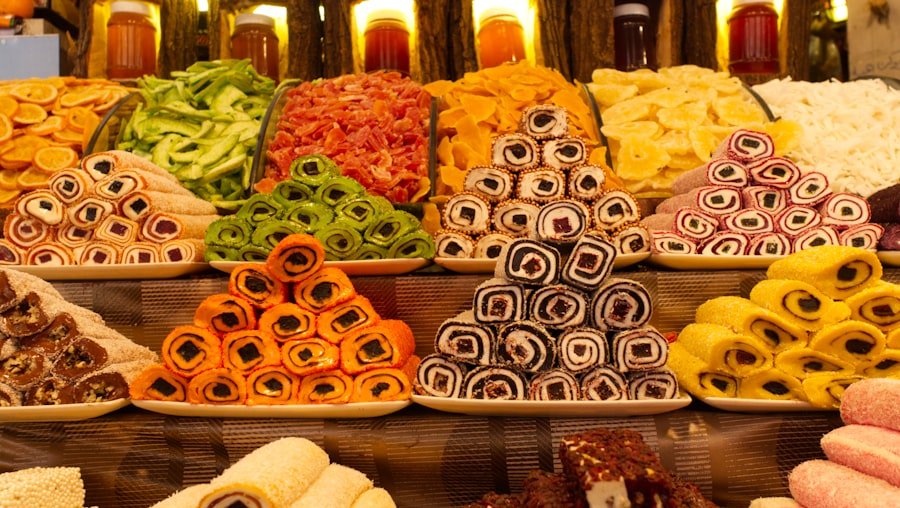
The official GoTürkiye Spice Bazaar guide describes the market as a center for spices, tea, dried fruit, and other delicacies, with Turkish sweet shops in the surrounding area. Sampling is also a familiar part of the experience.
One correction is useful here: Hafız Mustafa is better thought of as a nearby historic confectioner rather than a stall inside the Spice Bazaar. Its Bahçekapı and Sirkeci locations are convenient before or after visiting the market.
Hacı Bekir is another practical choice in the wider Eminönü-Bahçekapı area. This lets you enjoy the bazaar atmosphere while still buying your main souvenir box from a confectioner with a clearly documented history.
Neighborhood Lokum Stops on Both Sides of Istanbul
You do not have to stay around Sultanahmet and Eminönü to find established lokum makers. Both the European and Asian sides have branches of major confectioners, which can make a neighborhood visit easier and less dependent on crowded tourist markets.
Kadıköy
Kadıköy is a strong choice if you are exploring the Asian side. Hacı Bekir’s official store list includes a Kadıköy branch on Muvakkithane Street, while Şekerci Cafer Erol has deep ties to the district and several current Istanbul outlets.
This is a practical way to combine lokum shopping with Kadıköy’s markets, cafés, and waterfront rather than crossing back to the Historic Peninsula only for sweets.
Beyoğlu and central European Istanbul
Hacı Bekir also lists a Beyoğlu branch on İstiklal Avenue, while Hafız Mustafa operates branches around Taksim, İstiklal, Pera, Galataport, Nuruosmaniye, and other central areas. That gives you several alternatives if Eminönü is not already on your itinerary.
The best branch is usually the one that fits naturally into your day. Freshness and the variety available at the counter matter more than making a long detour simply for a different branch of the same confectioner.
Unique Lokum Flavors to Try in Istanbul
Rose and lemon remain classic starting points, but Istanbul’s confectioners now sell a much wider range. The most useful approach is to taste contrasting styles so you can tell whether you prefer floral, tart, nutty, minty, or chocolate-covered lokum.
- Rose: The classic floral style. Choose a piece with a gentle aroma rather than one that tastes overwhelmingly perfumed.
- Lemon or orange: A brighter option that can feel lighter after a meal.
- Mastic: Aromatic and distinctive, with a resin-like Mediterranean flavor that is very different from fruit lokum.
- Pistachio: One of the best choices if you want texture as well as sweetness. Double-roasted pistachio versions are especially rich.
- Pomegranate: Often combined with pistachio and popular in modern assortments because the fruit flavor offsets the sweetness.
- Mint or cinnamon: Useful if you want something less predictable than rose or citrus.
- Chocolate-coated lokum: Sweeter and heavier, but easy to include in mixed gift boxes for people who prefer chocolate to floral flavors.
Saffron-flavored lokum can also appear at market counters and specialty sellers. Availability changes, so taste it before buying rather than assuming every saffron-colored piece uses the same flavoring or recipe.
Where to Eat Lokum with a View in Istanbul
A scenic location and a specialist lokum shop are not always the same place. For the best experience, it is often smarter to buy lokum from a good confectioner and treat the waterfront or hilltop as a separate sightseeing stop.
Pierre Loti Hill
Pierre Loti Hill is famous for its Golden Horn panorama, and its historic café remains a well-known viewpoint. However, current official information confirms the café and the view rather than a particular lokum selection, so it should not be your main destination if Turkish delight is the priority.
Eminönü and Galata Bridge
Eminönü is easier to combine with serious lokum shopping. Hacı Bekir, Hafız Mustafa, the Spice Bazaar, ferries, the Golden Horn, and Galata Bridge all sit within the same broader area, so you can buy the sweets first and then continue toward the waterfront.
This gives you both parts of the experience without relying on a view café to have the exact lokum flavor or quality you want.
Locally Made Lokum Brands to Support in Istanbul
Istanbul has several long-established confectionery businesses worth seeking out. The strongest choices are brands with a clear connection to the city’s sweet-making history or a substantial current presence in Istanbul.
Hacı Bekir
Hacı Bekir has the clearest historical Istanbul connection on this list. The original Bahçekapı shop dates to 1777, and the company continues selling lokum through multiple Istanbul branches.
Şekerci Cafer Erol
Şekerci Cafer Erol combines historic confectionery traditions with a modern retail range. Its lokum selection includes both simple traditional pieces and elaborate gift presentations, so it works well whether you want a small tasting box or a more decorative souvenir.
Koska
Koska is another major Turkish confectionery name, but its history needs a little clarification. The company’s official history traces the family business to a halva shop in Denizli in the early 1900s. The family moved to Istanbul in 1931, and the company says lokum production began at its Topkapı factory in 1974.
Koska is therefore useful for widely available packaged lokum and gifts, but it should not be confused with Köşkeroğlu or described as a historic Kadıköy lokum shop founded there in 1907.
MADO
MADO sells lokum and other packaged sweets, but it is not an Istanbul-origin lokum house. The company traces its roots to the ice-cream tradition of Kahramanmaraş. It is better viewed as a large Turkish dessert brand that also carries lokum than as a local Istanbul confectioner.
Tips for Buying and Enjoying Lokum in Istanbul
The best buying strategy is simple: taste first, compare texture and ingredients, and buy an amount you can keep fresh. Packaging matters for travel, but it should come after the quality of the lokum itself.
- Ask for a sample. Many specialist shops and bazaar sellers let customers taste before buying. Use the sample to judge texture, sweetness, and aroma.
- Look for a soft, elastic bite. Good lokum should yield when you bite it without behaving like a hard gummy candy. Extremely dry pieces may be old, while very sticky pieces can be difficult to transport.
- Read the ingredient list. Traditional lokum is based on sugar and starch. Nut-filled, chocolate-coated, milk-containing, and other specialty varieties may introduce allergens or additional ingredients.
- Compare by weight. A large decorative box can contain less lokum than you expect. Comparing the net weight helps you judge value more fairly.
- Choose mixed boxes carefully. A small assortment of rose, citrus, pistachio, pomegranate, or mastic is often more useful as a gift than a very large box of one unfamiliar flavor.
- Protect it from heat and direct sun. Warm conditions can make lokum softer and stickier, so keep it in a cool, dry place and follow the storage instructions on the package.
Turkish tea and Turkish coffee both pair naturally with lokum because their bitterness balances the sweetness. You do not need a large serving; one or two pieces are enough to compare flavors without dulling your palate.
If you’re looking for another sweet or fruit-focused read after exploring lokum, you can also see this
Sources
- Hacı Bekir – Our History: supports the 1777 Bahçekapı history and the company’s confectionery background.
- Hacı Bekir – Our Stores: supports current Istanbul branch locations including Eminönü, Beyoğlu, and Kadıköy.
- Hafız Mustafa 1864 – About: supports the company’s 1864 founding in Bahçekapı.
- Hafız Mustafa 1864 – Sirkeci Branch: supports the branch location, Turkish delight availability, seating, and stated 24-hour service.
- Şekerci Cafer Erol – Lokum: supports the current range of traditional, pistachio, fruit, chocolate-coated, and gift-box lokum.
- Koska – History Since 1907: supports the family’s early Denizli history, 1931 move to Istanbul, and start of lokum production in 1974.
- GoTürkiye – Grand Bazaar: supports the bazaar’s role as a major historic shopping area.
- GoTürkiye – Spice Bazaar: supports the market’s food focus, sweet shops, sampling culture, and location within Istanbul’s historic shopping district.