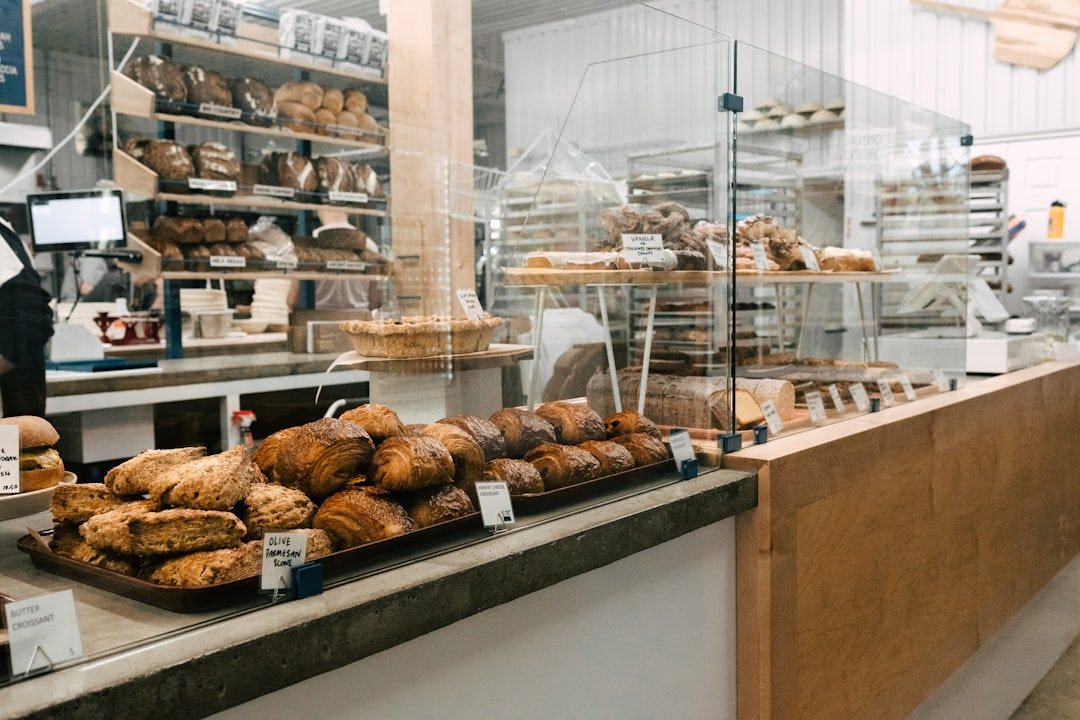
The Golden Horn is one of Istanbul’s historic waterways, bordered by neighborhoods such as Eminönü, Karaköy, Fener, Balat, and districts farther up the inlet. For food lovers, the area and its immediate surroundings are a convenient place to sample Turkish bakery staples and sweets, including simit, börek, pide, baklava, poğaça, lokum, and milk desserts. The best experience comes from knowing which businesses are genuine bakeries, which specialize in confectionery or desserts, and what each place is actually known for.
Quick Answer
For bakery and sweet stops around Istanbul’s Golden Horn, start with Karaköy Güllüoğlu for baklava, Hafız Mustafa 1864 for Turkish pastries and confectionery, Şekerci Cafer Erol for lokum and traditional sweets, and Simit Sarayı for an easy simit stop. Balat, Eminönü, Karaköy, and the northern waterfront offer the most useful areas to explore.
Key Takeaways
- Simit, börek, pide, poğaça, baklava, lokum, and künefe are among the Turkish baked goods and sweets worth trying around the Golden Horn.
- Not every famous dessert business is technically a bakery, so it helps to distinguish a fırın, pastane, tatlıcı, and şekerci.
- Karaköy Güllüoğlu traces its Istanbul operation in Karaköy to 1949 and remains one of the area’s best-known baklava specialists.
- Business hours, menu items, delivery coverage, and dietary options can change, so check official information before making a special trip.
- If you have celiac disease or a serious wheat allergy, asking about preparation and cross-contact is as important as asking whether an item is described as gluten-free.
The History of Baking Around the Golden Horn
The Golden Horn has long been tied to Istanbul’s commercial and cultural life. Türkiye’s official tourism portal describes the inlet as an important historic harbor whose surrounding districts include places such as Eminönü, Fener, Balat, and Eyüp. Those neighborhoods developed alongside markets, workshops, places of worship, ferry traffic, and food businesses serving residents and travelers.
It is safer to think of the modern bakery culture around the Golden Horn as part of Istanbul’s wider bread, pastry, and confectionery tradition rather than claim that every modern recipe originated specifically on the Golden Horn. Turkish food culture includes many flour-based foods that remain common today. Simit is a sesame-coated circular bread, börek uses thin pastry with fillings such as cheese, meat, spinach, or potatoes, and pide is a flatbread that can carry meat, cheese, or vegetable toppings.
Baklava and confectionery also have strong ties to Istanbul’s commercial districts. Karaköy Güllüoğlu says its family baklava tradition began in Gaziantep and that Mustafa Güllü brought the business to Istanbul in 1949, opening in Karaköy. Hafız Mustafa traces its history to a confectionery founded in Bahçekapı in 1864, while Şekerci Cafer Erol traces its family confectionery heritage in Istanbul to 1807.
Around the Golden Horn, “bakery culture” is broader than bread alone: traditional fırın, pastane, baklava shops, and confectioners each play a different role in Istanbul’s food scene.
5 Verified Bakery and Sweet Stops Around the Golden Horn

The following places are better supported by current official information than several recommendations in the original draft. Some are true bakeries, while others specialize in baklava or confectionery. That distinction is useful because travelers searching for “Golden Horn bakeries” often want all of these foods.
1. Karaköy Güllüoğlu — Karaköy
Karaköy Güllüoğlu is one of the strongest verified choices near the mouth of the Golden Horn. The company says Mustafa Güllü opened the family’s first Istanbul baklava shop in Karaköy in 1949. Its current shop is at Kemankeş Caddesi in Karaköy, and the company states that this is its only branch.
Baklava is the obvious order. Pistachio and walnut varieties are central to the menu, while the current official store also lists gluten-free and vegan baklava categories. Börek and poğaça are available as breakfast-style options as well.
2. Hafız Mustafa 1864 — Bahçekapı
Hafız Mustafa 1864 traces its history to Bahçekapı in 1864. Its Bahçekapı location remains particularly relevant for visitors exploring Eminönü and the historic peninsula near the Golden Horn.
This is more than a bread bakery. Expect a broad Turkish confectionery and dessert experience, with baklava, lokum, pastries, puddings, and other sweets. It is a useful stop when your group wants several types of Turkish desserts rather than one specialty.
3. Hafız Mustafa 1864 — Tersane İstanbul
Hafız Mustafa also currently lists a Tersane İstanbul location at Camiikebir in Beyoğlu. This location is especially relevant to the Golden Horn because Tersane İstanbul sits on its northern waterfront.
The menu concept is broader than a neighborhood bread oven, but it provides another verified place to try Turkish pastry and confectionery while spending time on the northern side of the inlet.
4. Şekerci Cafer Erol — Galataport
Şekerci Cafer Erol traces its confectionery heritage to 1807, when Mehmet Efendi opened a confectionery shop in Eminönü. The company now operates several branches, including a Galataport location.
Galataport is just beyond the Golden Horn’s mouth on the Bosphorus side of Karaköy, so this is best described as a nearby sweet stop rather than a bakery directly on the Golden Horn. Look for lokum, candies, chocolates, nut pastes, and pastry desserts.
5. Simit Sarayı — Sirkeci
Simit Sarayı currently lists an open Sirkeci location in Fatih. Sirkeci is close to Eminönü and makes a convenient stop if your main goal is to try simit without planning a full dessert visit.
Simit is a circular bread coated with sesame seeds and is one of Türkiye’s best-known everyday bakery foods. Pair it with tea for a simple breakfast or snack.
Note: Pandeli, which appeared in the original version of this guide, is a historic restaurant inside the Spice Bazaar rather than a bakery. Mendel’s current verified Istanbul locations are outside the Golden Horn area, so neither is included in this bakery-focused list.
Specialty Baked Goods to Try Around the Golden Horn
| Food | What It Is | Good Time to Try It |
|---|---|---|
| Simit | A circular, sesame-coated bread commonly sold by bakeries and street vendors. | Breakfast or a quick snack. |
| Börek | Thin pastry layered or rolled with fillings such as cheese, spinach, potatoes, or minced meat. | Breakfast or lunch. |
| Pide | A Turkish flatbread topped with combinations of meat, cheese, or vegetables. | Lunch or dinner. |
| Baklava | Layers of very thin pastry combined with syrup and nuts such as pistachios or walnuts. | Dessert or with tea or coffee. |
| Poğaça | A soft savory pastry that may be plain or filled with ingredients such as cheese or olives. | Breakfast. |
| Künefe | A warm syrup-soaked dessert made with fine pastry strands and a melted cheese filling. | After a meal. |
Pide is sometimes nicknamed “Turkish pizza,” but its dough, shape, toppings, and culinary tradition are distinct. Depending on the shop, you may find minced meat, cheese, vegetables, sucuk, or other toppings.
Lahmacun is another thin, savory dough-based dish topped with seasoned minced meat and herbs. It is usually eaten with fresh greens, parsley, or lemon rather than treated like a heavy pizza.
For sweets, baklava is one of the most recognizable choices. Künefe provides a very different texture: it is served warm and combines fine pastry strands, syrup, and melted cheese.
The Best Breads and Savory Bakery Foods to Try
If your priority is bread rather than sweets, start with simit, pide, poğaça, börek, and fresh everyday loaves from neighborhood bakeries. These foods serve different purposes, so there is no single “best bread” for every visitor.
Simit
Simit is one of the easiest Turkish breads for a first-time visitor to recognize. It has a ring shape and a sesame-covered exterior. A fresh simit should have a pleasant toasted sesame aroma and a crust that still has some crispness.
Pide
Pide can refer to several styles of flatbread. Some are served alongside meals, while topped versions can form a complete lunch or dinner. Freshness matters because the contrast between a well-baked crust and tender interior is part of its appeal.
Bazlama
Bazlama is a thicker Turkish flatbread often associated with breakfast and simple meals. It is softer than simit and works well with cheese, butter, olive oil, yogurt, or other breakfast foods.
Börek
Börek sits between bread and pastry. Cheese, minced meat, spinach, and potato are common fillings. For the best texture, look for pieces that have not been sitting so long that the pastry has lost its crisp outer layers.
Pro Tip: Visit traditional bakeries earlier in the day when possible. Breakfast breads and savory pastries often have their best texture closer to the time they come out of the oven.
Unique Pastries and Desserts Around the Golden Horn

Börek is one of the most useful foods to know because it appears in many shapes and styles. Some versions are layered in trays, while others are rolled or formed into individual portions. Cheese and spinach are common choices for visitors who do not want meat.
Muhallebi is a milk pudding rather than a baked pastry, but it is commonly encountered in Istanbul dessert shops and patisseries. Its soft texture provides a lighter alternative after a day of sampling syrup-heavy sweets.
Baklava offers the opposite experience: crisp pastry layers, nuts, butter, and syrup. Pistachio and walnut are two of the most familiar versions. For a more traditional experience, order a small portion and eat it fresh rather than buying a large mixed selection solely for variety.
Lokum, commonly known in English as Turkish delight, belongs to the confectionery side of Istanbul’s sweet culture. Traditional confectioners such as Şekerci Cafer Erol sell multiple versions alongside chocolates, candies, nut pastes, and other sweets.
Gluten-Free and Vegan Options Around the Golden Horn
Dietary options exist, but availability should be checked business by business rather than assumed. Karaköy Güllüoğlu currently lists both gluten-free baklava and vegan baklava on its official website, making it one of the clearest verified examples in this area.
Traditional simit, pide, börek, and ordinary bakery bread are normally wheat-based, so they should not be assumed to be gluten-free. Likewise, traditional pastries may contain butter, milk, cheese, eggs, or other animal-derived ingredients.
Warning: If you have celiac disease, do not rely only on the words “gluten-free.” The U.S. National Institute of Diabetes and Digestive and Kidney Diseases notes that cross-contact can transfer gluten to otherwise gluten-free food. Ask the shop about ingredients, preparation areas, utensils, storage, and cross-contact before ordering.
Vegan travelers should also ask directly about butter, clarified butter, milk, cheese, eggs, and honey or other recipe-specific ingredients. A vegetable filling alone does not automatically make a pastry vegan because the dough or finishing fat may still contain animal products.
Insider Tips for Exploring Golden Horn Bakeries
Start by deciding what type of shop you actually want. In Turkish, a fırın is primarily a bakery, while a pastane is closer to a patisserie or pastry shop. A tatlıcı specializes in desserts, and a şekerci focuses on confectionery such as lokum and candies. Baklava specialists may fall into the dessert-shop category even though pastry is central to what they make.
Morning is usually the best time to seek simit, poğaça, and breakfast-style börek. Baklava and confectionery are less tied to breakfast hours and can work as afternoon or evening stops.
Do not assume every business around the Golden Horn keeps the same schedule. For example, Karaköy Güllüoğlu currently publishes hours extending well beyond a conventional early-evening bakery closing time, while other shops have their own schedules. Check the official business site on the day you plan to visit, particularly during public holidays and religious holidays.
When ordering baklava, begin with a small serving if you plan to visit more than one dessert shop. Pistachio and walnut versions give you an easy basis for comparison. With börek, ask what has come out recently rather than choosing solely from appearance.
Turkish tea is a natural partner for simit, börek, and sweet pastries. Turkish coffee works particularly well when you want a smaller drink after baklava, lokum, or another rich dessert.
Delivery should also be checked individually. Karaköy Güllüoğlu currently advertises courier delivery in parts of Istanbul, while Şekerci Cafer Erol publishes same-day courier information for selected Istanbul areas. Coverage, cut-off times, stock, and delivery windows can change, so the business’s current ordering page is more reliable than a general rule about Golden Horn bakeries.
Frequently Asked Questions
What breads should I try around the Golden Horn?
Start with simit, pide, bazlama, and fresh everyday Turkish bread. Börek and poğaça are also excellent bakery choices, although they are better described as savory pastries than simple loaves of bread.
Do Golden Horn bakeries offer gluten-free options?
Some businesses do. Karaköy Güllüoğlu currently lists gluten-free baklava on its official site. Options at other businesses vary. People with celiac disease should also ask about cross-contact because preparation in a wheat-heavy bakery environment can matter.
Which traditional Turkish pastries and sweets can I find?
Common choices include börek, baklava, poğaça, pide, simit, künefe, lokum, and milk desserts. Exact selections vary by bakery, patisserie, confectioner, and dessert shop.
Do bakeries around the Golden Horn offer delivery?
Some do, but there is no single rule. Karaköy Güllüoğlu currently offers courier delivery to selected parts of Istanbul, and Şekerci Cafer Erol publishes courier options for certain Istanbul areas. Check the individual business for current coverage and cut-off times.
What time do Golden Horn bakeries open and close?
Hours vary widely. Traditional breakfast-focused bakeries may open early, while dessert shops and larger confectioners can remain open much later. Check the shop’s official website or current listing on the day of your visit instead of relying on one general opening-hours range.
Which area is best for a first-time bakery visit?
Karaköy and Eminönü are the easiest starting points because they combine famous food businesses with major sights and transportation connections. Balat is a good choice if you prefer neighborhood bakeries and a slower local atmosphere farther along the Golden Horn.
What should I order if I can try only three things?
Try a fresh simit for an everyday Istanbul bakery experience, börek for a savory pastry, and pistachio or walnut baklava for dessert. Together they provide three very different textures and styles of Turkish baking.
Sources
- GoTürkiye — Golden Horn — Golden Horn geography, history, and surrounding neighborhoods.
- GoTürkiye — Turkish Cuisine — descriptions of simit, börek, pide, baklava, and other Turkish foods.
- Karaköy Güllüoğlu — Official History — Karaköy history and the Istanbul business’s development.
- Hafız Mustafa 1864 — Official Branches — current Istanbul locations including Bahçekapı and Tersane İstanbul.
- Şekerci Cafer Erol — Official History — the confectionery’s 1807 heritage and development.
- National Institute of Diabetes and Digestive and Kidney Diseases — Celiac Disease Diet Guidance — gluten avoidance and cross-contact safety.