Istanbul street food is one of the easiest ways to taste the city’s everyday food culture without planning a formal meal. Start with a fresh simit, then look for balık ekmek by the water, döner or tantuni for a filling meal, midye dolma for a classic seafood snack, and kumpir in Ortaköy. The best experience comes from matching each food with the neighborhood known for it.
Quick Answer
For a first taste of Istanbul street food, try simit for breakfast, balık ekmek around Eminönü or Karaköy, and döner from a busy specialist shop. Then explore midye dolma, kokoreç, tantuni, börek, roasted chestnuts, and Ortaköy’s loaded kumpir as your appetite allows.
Key Takeaways
- Eminönü and Karaköy are classic stops for balık ekmek, while Kadıköy offers a broader market-and-street-food experience.
- Taksim and Beyoğlu are especially useful for late-night snacks such as ıslak hamburger, kokoreç, and stuffed mussels.
- Ortaköy is closely associated with kumpir, a baked potato mixed with butter and cheese before toppings are added.
- Vegetarians have several choices, but vegans should ask about butter, cheese, yogurt, eggs, and meat-based toppings before ordering.
- For safer street eating, favor busy vendors, freshly cooked food, clean handling, and food kept hot or properly chilled.
Must-Try Istanbul Street Food
Istanbul’s most useful street-food shortlist mixes breads, grilled meat, seafood, pastries, potatoes, and seasonal snacks. The official GoTürkiye street-food guide highlights many of the same staples, including döner, midye dolma, kumpir, roasted chestnuts, pilav, and balık ekmek.
Simit
Simit is the simplest place to start. It is a ring-shaped bread covered generously with sesame seeds, with a crisp exterior and a chewy interior. Street carts sell it across Istanbul, particularly near transport hubs, busy squares, and pedestrian streets.
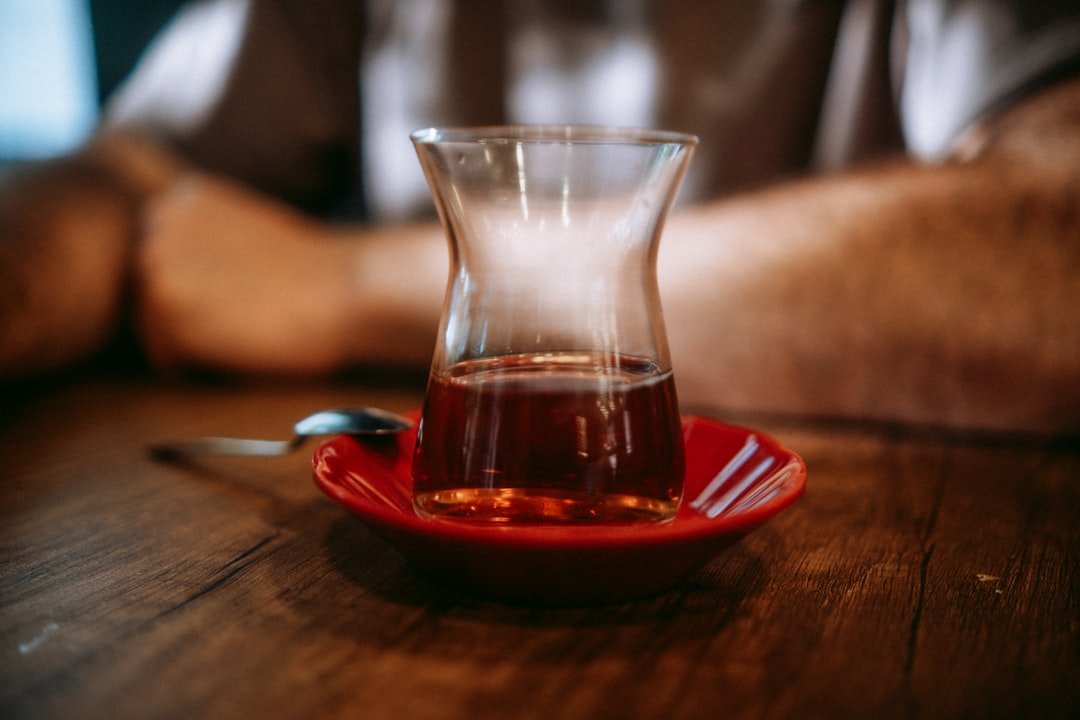
It works well as a quick breakfast or snack. Many people eat it plain or pair it with Turkish tea, cheese, or ayran. Freshness matters more than elaborate toppings, so a warm simit from a busy cart or bakery is usually the most satisfying choice.
Döner Kebab
Döner is one of Istanbul’s most widely available filling street meals. Seasoned beef, lamb, chicken, or a mixture cooks slowly on a vertical rotating spit. The browned outer layer is sliced off as it cooks.
Street versions are commonly tucked into bread or rolled in a thin flatbread. A specialist döner shop with a busy counter is usually a better choice than a long, unfocused menu offering many unrelated dishes.
Balık Ekmek
Balık ekmek means fish and bread and is strongly associated with Istanbul’s waterfront. A typical version combines grilled fish with bread, onions, greens, or salad. Eating it near the Golden Horn or Bosphorus is part of the appeal.
Eminönü and Karaköy are the most recognizable places to look for it. Eat the sandwich while it is freshly prepared rather than letting the bread soften around the hot fish.
Midye Dolma
Midye dolma is a stuffed mussel served directly in its shell. The filling combines mussel meat with seasoned rice, and vendors commonly finish each serving with lemon. It is especially associated with busy areas such as Taksim, Beşiktaş, and Kadıköy.
This is a seafood dish, not a vegetarian snack. Because both shellfish and cooked rice require careful handling, choose a vendor with brisk turnover and well-protected food.
Kokoreç and Tantuni
Kokoreç is for travelers comfortable with offal. The Istanbul version is based on seasoned sheep intestine cooked over heat, chopped, and usually served in bread. It is particularly popular as a late-night food.
Tantuni comes from Mersin but is widely eaten in Istanbul. Small pieces of meat are cooked on a hot metal surface with seasoning, then wrapped in thin bread with additions such as herbs, tomato, or onion.
Börek, Gözleme, Kumpir, Pilav, and Roasted Chestnuts
Börek is a flaky pastry that may contain cheese, spinach, potato, or minced meat. Gözleme is a thinner griddled flatbread folded around fillings. Both can work as breakfast, lunch, or a snack, depending on the filling and portion.
Kumpir is a much heavier option. A large baked potato is opened and its soft center is traditionally mixed with butter and cheese before toppings are added. Ortaköy is particularly famous for rows of kumpir sellers.
For something simpler, look for rice pilaf with chickpeas, often offered with chicken, or seasonal carts selling roasted chestnuts. Chestnut carts become especially noticeable during colder weather.
Where to Find the Best Istanbul Street Food
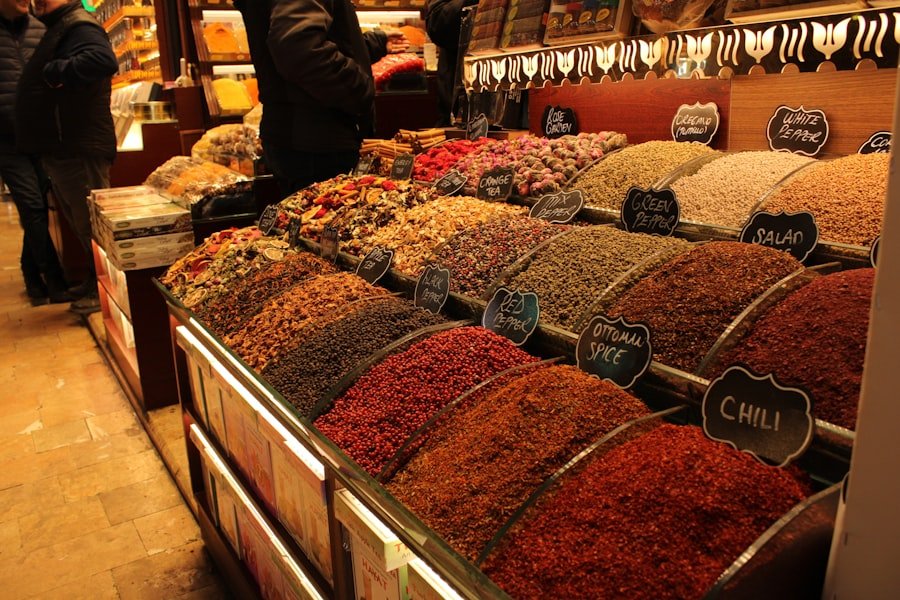
You do not need to cross the entire city for every snack. A better approach is to choose a neighborhood with several foods you want to try and explore it on foot. The city’s official street-delicacies guide also connects specific foods with neighborhoods such as Eminönü, Karaköy, Taksim, and Ortaköy.
| Area | Good foods to look for | Why go |
|---|---|---|
| Eminönü | Balık ekmek, simit, döner, kokoreç | Waterfront food, ferry traffic, and easy access to the Spice Bazaar area |
| Kadıköy | Midye dolma, fish, pastries, döner, market foods | Dense market streets and a wide range of prepared foods on the Asian side |
| Taksim and Beyoğlu | Islak hamburger, kokoreç, midye dolma, döner | Strong late-night street-food culture around busy pedestrian areas |
| Karaköy | Fish sandwiches, pastries, sweets | Convenient waterfront location between Galata, ferries, and the historic peninsula |
| Ortaköy | Kumpir | The city’s best-known cluster of loaded baked-potato stalls |
Eminönü and the Spice Bazaar Area
Eminönü is one of the easiest places to combine sightseeing with casual eating. The waterfront is strongly associated with balık ekmek, while the lanes around the Spice Bazaar include cheese, sweets, spices, döner, pide, and kokoreç.
This is a better street-food base than treating the Grand Bazaar itself as a dedicated food destination. It also puts you close to ferry connections, Galata Bridge, and Karaköy.
Kadıköy Market
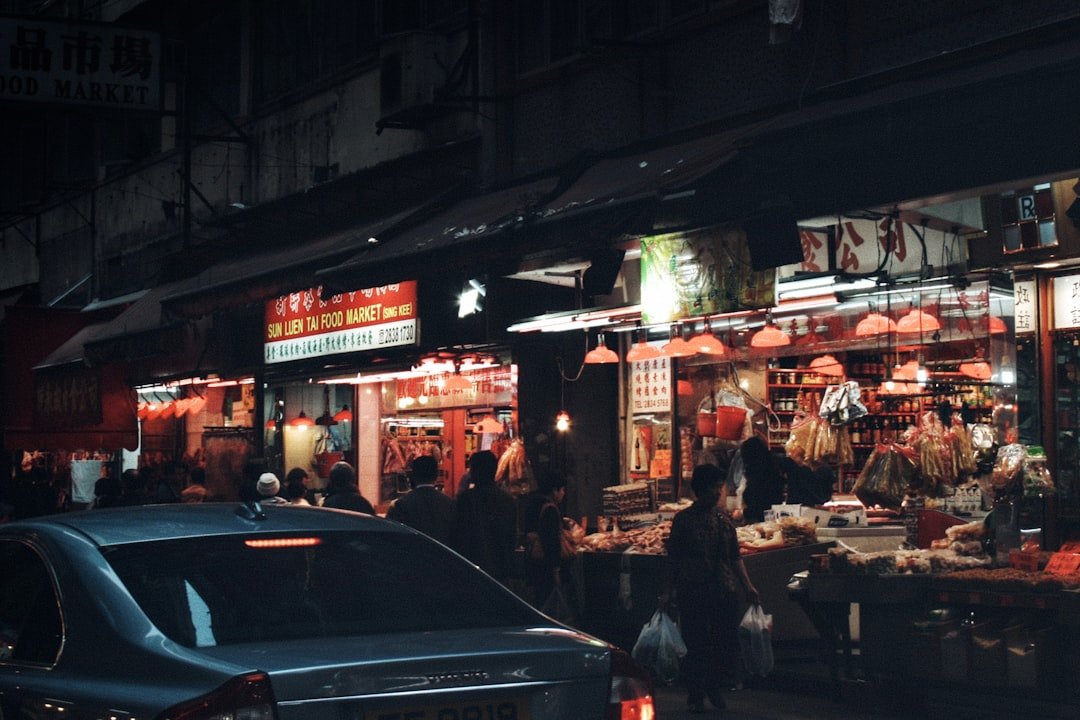
Kadıköy is a strong choice if food is the main purpose of your outing. The market streets combine fish sellers, produce, cheese, prepared foods, bakeries, and snack counters within a compact area.
Instead of arriving with one exact stall in mind, walk the market first. You can then decide whether you want a light simit or pastry, seafood, a wrap, or a larger sit-down meal.
Taksim, İstiklal, and Beyoğlu
Taksim and the streets around İstiklal are especially lively later in the day. Wet burgers, döner, midye dolma, kokoreç, roasted chestnuts, and other quick snacks are easy to find around busy pedestrian routes.
For better variety, look beyond the most obvious storefronts on the main avenue and explore the surrounding streets rather than ordering from the first menu you see.
Ortaköy
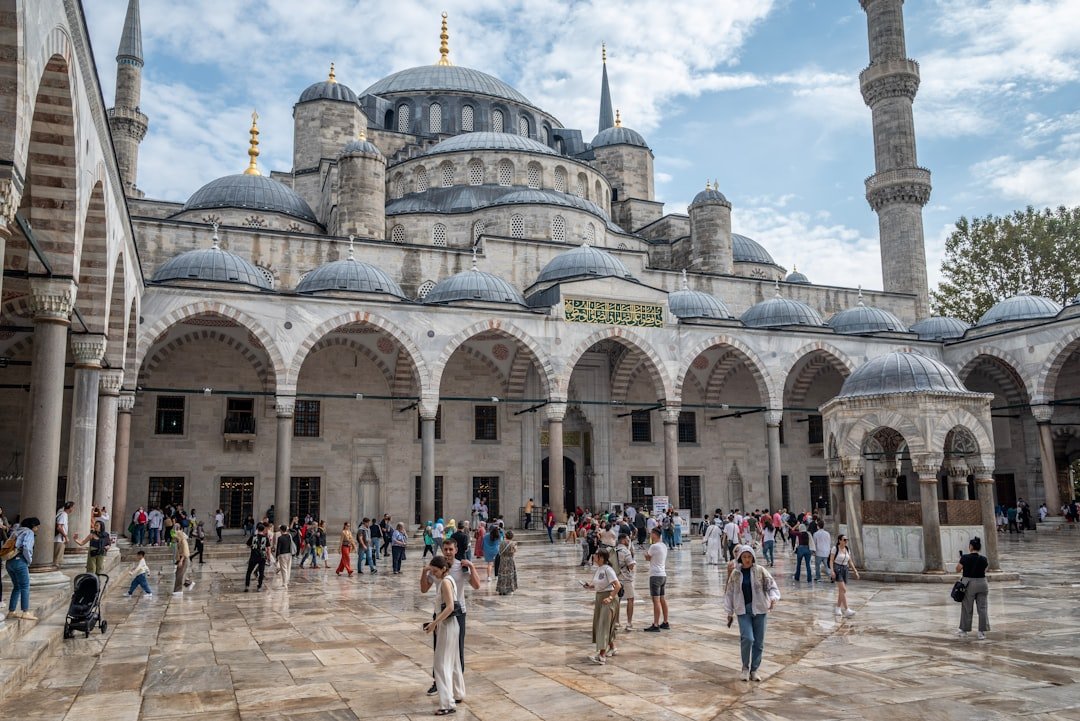
Ortaköy is the place most closely linked with kumpir. Stalls prepare oversized baked potatoes and let you choose from a broad range of toppings. The waterfront setting near Ortaköy Mosque makes the snack as much a sightseeing stop as a meal.
The History and Culture Behind Istanbul Street Food
| Street Food Item | History/Culture |
|---|---|
| Kokoreç | Related intestine-based preparations are found in Anatolia and the Balkans, while the seasoned sandwich version has become part of modern Istanbul street culture. |
| Simit | This sesame-covered ring bread has deep roots in the city’s bread and street-vending traditions and remains an everyday snack. |
| Balık Ekmek | Fish served in bread reflects Istanbul’s long connection with the Bosphorus, Golden Horn, waterfront trade, and quick meals around the docks. |
| Mussel Dolma | Stuffed mussels combine Istanbul’s seafood culture with the broader tradition of filling vegetables and seafood with seasoned rice. |
Street vending has been part of Istanbul’s food culture for centuries. The city grew as a major political and trading center, so residents, workers, merchants, and travelers needed food that could be bought outside the home.
A modern academic review of Byzantine and Istanbul culinary history notes that street vendors became an integral part of the city’s food culture. Foods such as simit, chicken pilaf, kokoreç, stuffed mussels, boza, and sherbet were passed through generations of makers and sellers.
That history helps explain why Istanbul street food is not limited to one culinary tradition. The city absorbed ingredients and cooking practices through trade, migration, imperial kitchens, neighborhood bakeries, markets, waterfront communities, and regional migration from across Türkiye.
The result is visible today. A Mersin specialty such as tantuni can sit beside an Istanbul fish sandwich, while börek, simit, mussels, rice, grilled meats, and seasonal snacks all coexist within the same street-food scene.
How to Eat Istanbul Street Food Like a Local
The simplest approach is to order one small item at a time. Istanbul has enough variety that buying a large portion at your first stop can prevent you from trying anything else. Start light and build your meal as you walk.
- Follow turnover. A busy cart or specialist counter is more likely to be preparing and replacing food frequently.
- Look at the specialty. A place focused on one or two foods often tells you more than a huge menu covering unrelated cuisines.
- Ask the price first when it is not displayed. This avoids confusion before food is prepared.
- Pair simply. Simit works naturally with tea, while ayran is a common partner for döner, tantuni, and other savory meals.
- Eat seafood promptly. Balık ekmek is at its best hot, while stuffed mussels should come from a vendor handling and storing them carefully.
Pro Tip: Build a food walk around one neighborhood rather than chasing famous dishes across the city. Eminönü and Kadıköy each offer enough variety for several tastings within a relatively compact area.
Do not worry about making every bite a formal meal. Much of the appeal comes from eating a simit near a ferry terminal, sharing a few mussels while walking, or stopping for something hot when you smell a grill.
Vegetarian and Vegan Istanbul Street Food Options
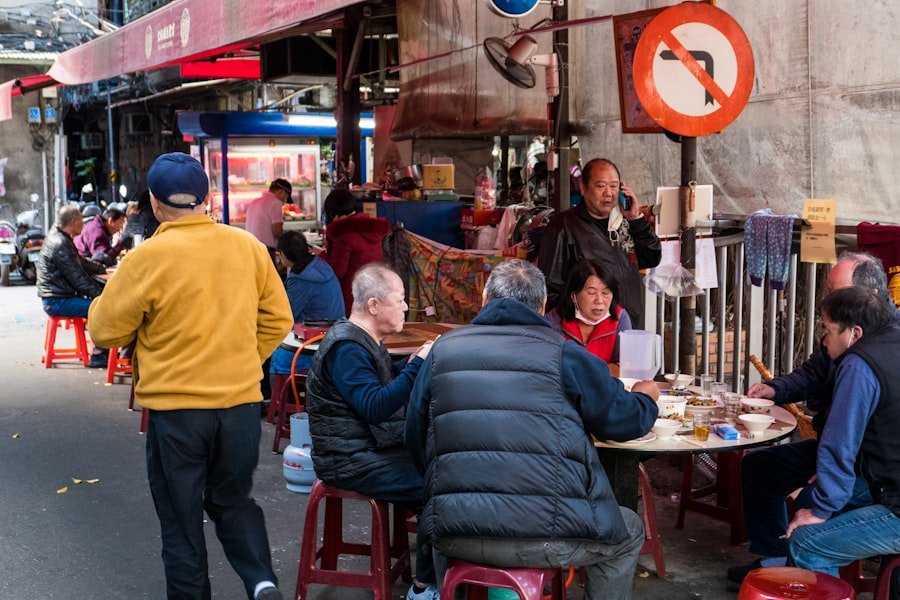
Vegetarians have plenty of street-food choices, but vegans need to check ingredients more carefully. Turkish pastries, potatoes, breads, vegetables, grains, and nuts create many possibilities, yet butter, cheese, yogurt, eggs, and meat can appear in foods that initially look plant-based.
Good Options to Look For
- Simit: often one of the easiest simple choices, although recipes can vary.
- Roasted chestnuts: a straightforward plant-based street snack, especially in cooler weather.
- Grilled or boiled corn: widely sold from carts; vegans should ask whether butter or another topping is added.
- Gözleme: spinach or potato versions can work for vegetarians, but ask about cheese, butter, and other additions if you are vegan.
- Börek: spinach and potato fillings are common, but the pastry or filling may still contain dairy or egg.
- Kumpir: highly customizable, but the standard potato base commonly includes butter and cheese before the toppings are added.
Falafel is also available at Middle Eastern-focused eateries and takeaway counters in Istanbul, although it is less distinctly tied to traditional Istanbul street-food culture than simit, chestnuts, börek, or kumpir.
Do not assume dolma is automatically vegan either. Vegetable or grape-leaf versions may be meat-free, while midye dolma contains mussels despite sharing the word dolma.
Safety and Hygiene Tips for Eating Street Food in Istanbul
Street food can be enjoyed sensibly by paying attention to preparation, temperature, and cleanliness. The same basic rules apply in Istanbul as they do elsewhere: freshly cooked food is generally preferable to food that has been sitting exposed for long periods.
The World Health Organization’s Five Keys to Safer Food emphasize cleanliness, separating raw and cooked foods, cooking thoroughly, keeping food at safe temperatures, and using safe water and raw materials.
- Choose food that is cooked or reheated thoroughly and served hot.
- Favor busy vendors where food turns over quickly.
- Notice whether ingredients and serving areas are protected and reasonably clean.
- Be more cautious with perishable foods such as seafood, cooked rice, meat, dairy, and sauces if they appear to have been sitting at ambient temperature.
- For bottled drinks, check that the seal is intact before opening.
Warning: Raw or poorly handled shellfish and inadequately cooked meat carry greater foodborne-illness risk. If the food looks improperly stored, smells unusual, or the stall appears unhygienic, choose another vendor.
Note: If you develop significant or persistent illness after eating, especially if you cannot keep fluids down or become dehydrated, seek medical advice rather than relying only on self-treatment.
Bringing Istanbul Street Food Flavors Home
You can recreate the general flavors of several Istanbul street foods without specialist commercial equipment. Home versions will not perfectly duplicate a busy griddle, bakery oven, or vertical döner spit, but they can use the same basic combinations of bread, grilled fillings, vegetables, herbs, yogurt, and spices.
Make Gözleme on a Griddle
Roll a simple dough thin, add a filling such as spinach and cheese, potato, or seasoned minced meat, then fold it closed. Cook it on a hot griddle or heavy pan until the dough develops browned spots and the filling is hot.
Cut it into pieces and serve immediately. A home griddle gives you the closest practical version of the thin, freshly cooked flatbread sold at markets and casual food counters.
Make Döner-Style Meat or Köfte at Home
A vertical rotisserie is difficult to reproduce in a home kitchen, so treat this as a döner-inspired preparation rather than traditional döner. Season thin pieces of beef, lamb, or chicken, cook them quickly on a hot grill or pan, and serve them inside warm flatbread with fresh vegetables.
Alternatively, shape seasoned minced meat into köfte and grill or pan-cook it thoroughly. Bread, tomato, onion, herbs, and yogurt-based accompaniments can create the same casual handheld style.
Serve Turkish Tea or Ayran Alongside
Turkish tea is a natural partner for simit, börek, and other bakery foods. Ayran, made from yogurt, water, and salt, pairs especially well with grilled meats and savory wraps.
Start with one dish rather than trying to reproduce an entire Istanbul food market at once. Once you have a favorite, adjust the filling, seasoning, and accompaniments to suit your kitchen.
If you also enjoy exploring unfamiliar produce and ingredients, see our guide to Asian melon.
Frequently Asked Questions
What is Istanbul street food?
Istanbul street food includes ready-to-eat snacks and meals sold from carts, kiosks, market counters, bakeries, and small specialist shops. Common examples include simit, döner, balık ekmek, kokoreç, midye dolma, kumpir, börek, pilav, corn, and roasted chestnuts.
What are the most popular Istanbul street foods?
Some of the most recognizable Istanbul street foods are simit, döner, balık ekmek, kokoreç, midye dolma, kumpir, börek, roasted chestnuts, and rice pilaf. Tantuni, gözleme, wet burgers, and grilled or boiled corn are also easy to find.
Where can I find good street food in Istanbul?
Eminönü is a classic choice for balık ekmek and waterfront snacks, while Kadıköy offers a broad market-food scene. Taksim and Beyoğlu are useful for late-night food, Karaköy combines waterfront eating with bakeries and sweets, and Ortaköy is famous for kumpir.
Is Istanbul street food safe to eat?
Istanbul street food can be enjoyed with normal food-safety precautions. Favor busy, clean vendors, choose freshly cooked food served hot, and be cautious with meat, seafood, rice, dairy, and sauces if they appear to have been held at unsafe temperatures.
How much does Istanbul street food cost?
There is no reliable citywide price for Istanbul street food because prices vary by dish, portion, vendor, neighborhood, and changing local costs. Look for displayed prices or ask the price before ordering, especially in heavily visited areas and when buying seafood or large portions.
What Istanbul street food can vegetarians or vegans eat?
Vegetarians can look for simit, roasted chestnuts, corn, vegetable gözleme, potato or spinach börek, and meat-free kumpir toppings. Vegans should confirm whether butter, cheese, yogurt, eggs, or other animal ingredients are used, because many apparently vegetable-based Turkish foods include dairy.
Sources
- GoTürkiye: Istanbul Street Food: Street foods, typical preparations, and neighborhoods associated with balık ekmek, midye dolma, kumpir, döner, and other dishes.
- Visit Istanbul: Street Delicacies: Official Istanbul tourism information on simit, balık ekmek, kokoreç, kumpir, chestnuts, and food locations.
- GoTürkiye: Spice Bazaar: Food sellers, restaurants, sweets, cheese, pide, döner, and kokoreç around the Spice Bazaar.
- Discover Food, Springer Nature: Historical background on Istanbul cuisine and the long role of street vendors and foods such as simit, pilaf, kokoreç, and stuffed mussels.
- World Health Organization: Five Keys to Safer Food: Food-hygiene principles covering cleanliness, cooking, temperature control, cross-contamination, and safe ingredients.