Cruiser mountain bikes in [2026] are blending comfort with trail-ready features in ways that may surprise many riders. From full suspension frames to simple 7-speed setups, the best options aim to handle city streets and rough paths with equal ease. A few models stand out for their build quality and everyday practicality, but the real difference often comes down to details that are easy to overlook at first.
Key Takeaways
- WEIZE Mountain Bike offers dual suspension, 18 speeds, and 26-inch all-terrain tires for comfortable rough-path riding.
- Max4out 26 Inch Cruiser Bike suits beginners with a low-step frame, 300-pound capacity, and seven-speed drivetrain.
- Huffy Stone Mountain Bike provides Shimano shifting, front suspension, and 20-, 24-, or 26-inch sizing options.
- Cruiser mountain bikes should match rider height, frame size, and weight capacity for safer, more comfortable rides.
- For 2026, choose suspension, gears, and brakes based on terrain, with full suspension and stronger brakes for tougher trails.
WEIZE Mountain Bike with Dual Full Suspension
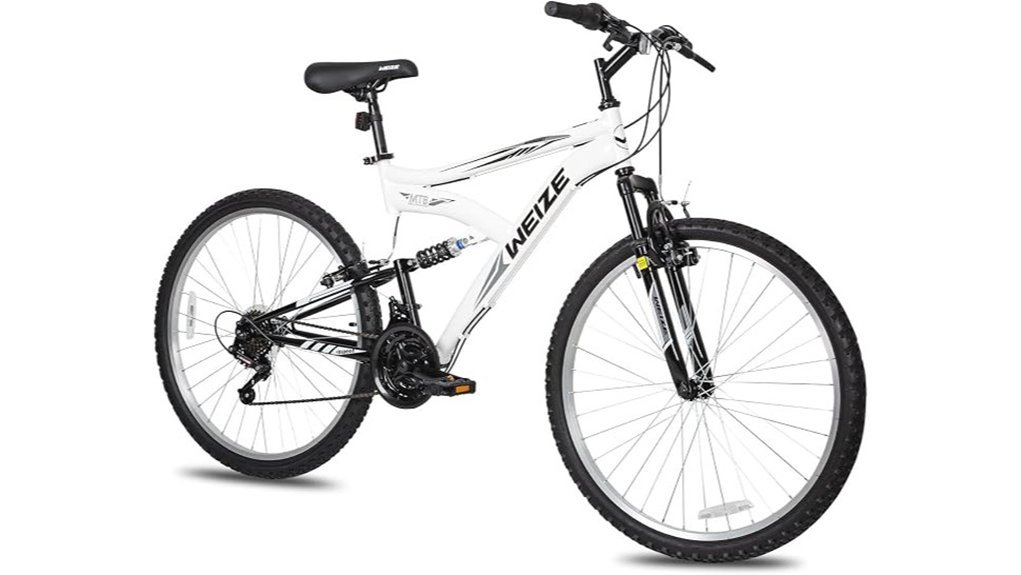
The WEIZE Mountain Bike with Dual Full Suspension stands out for riders who want a budget-friendly cruiser-style option with added comfort on rough paths. Its high-carbon steel frame pairs with front suspension and a rear coil shock to reduce impact on uneven terrain. Eighteen-speed twist shifters, supported by front and rear derailleurs, allow smooth gear changes, while linear pull brakes deliver dependable stopping power. The 26-inch all-terrain tires handle mixed surfaces well. Suitable for riders 13 and older, between 52 and 62 inches tall, it arrives partly assembled and can be set up in about 20 minutes.
Best For: Riders 13 and older who want a budget-friendly mountain bike with dual suspension, easy shifting, and comfortable handling on rough or mixed terrain.
Pros:
- Dual suspension with a front fork and rear coil shock helps smooth out bumps.
- 18-speed twist shifters and derailleurs make gear changes simple and efficient.
- 26-inch all-terrain tires and reliable linear pull brakes suit varied riding conditions.
Cons:
- High-carbon steel frame is heavier than aluminum alternatives.
- Best suited for riders between 52 and 62 inches tall, so fit is limited.
- Assembly is required, even though it’s relatively quick.
Max4out 26 Inch 7-Speed Cruiser Bike
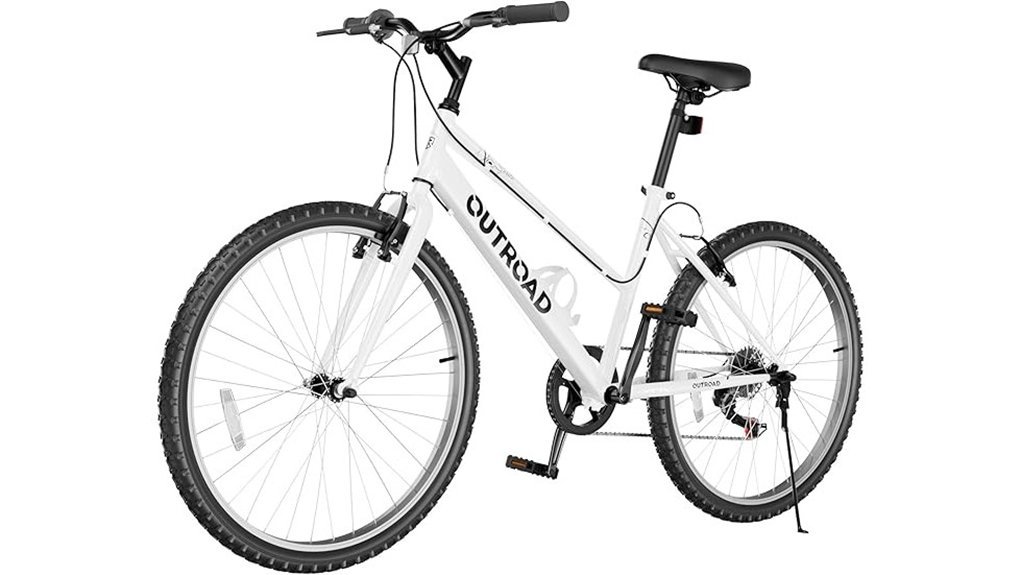
With its low-step frame and 300-pound capacity, the Max4out 26 Inch 7-Speed Cruiser Bike suits beginners and seniors best. The high-carbon steel frame comes in black, white, blue, green, purple, and pink, offering a practical hybrid of cruiser, commuter, and mountain-bike traits. A soft foam saddle and ergonomic grips help reduce back and shoulder strain, while the 26-inch wheels and wear-resistant tires improve stability. Seven speeds support climbs and descents, and front and rear V-brakes add control. It fits riders 5.2 to 6.0 feet tall and works well on paved roads and urban routes.
Best For: Beginners, seniors, and everyday riders who want a comfortable, versatile 26-inch bike for cruising, commuting, and paved urban riding.
Pros:
- Low-step frame and soft foam saddle make it easy and comfortable to ride.
- 7-speed gearing and V-brakes provide flexibility and control on different routes.
- Supports up to 300 lbs and comes in multiple color options.
Cons:
- Best suited for paved roads and urban terrain rather than rough off-road trails.
- High-carbon steel frame may feel heavier than aluminum alternatives.
- 26-inch wheel size may not be ideal for riders outside the 5.2 to 6.0 ft range.
Huffy Stone Mountain Bike, Adjustable Saddle, Shimano Equipped
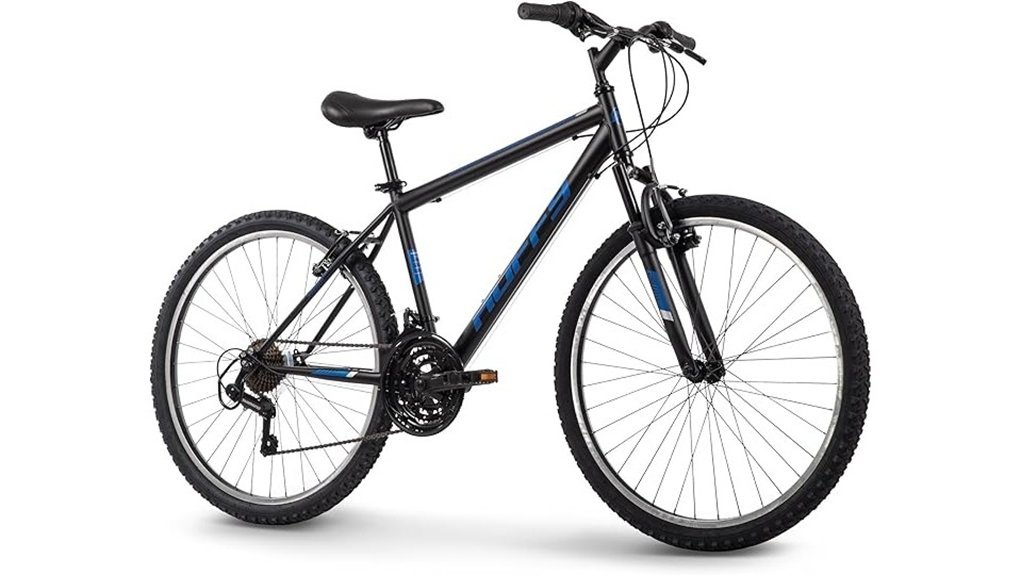
Built for riders who want dependable trail performance, the Huffy Stone Mountain Bike offers Shimano-equipped shifting and adjustable comfort. Its matte black frame presents a rugged, modern look, while size options of 20, 24, and 26 inches help match different riders. A 21-speed Shimano twist shifter supports smooth gear changes across flat pavement and rough trails. Front suspension softens bumps, improving control on uneven ground. The padded saddle adds support on longer rides. With 26-inch wheels and durable construction, it handles climbs, daily excursions, and adventurous terrain with steady reliability.
Best For: Riders looking for a dependable, Shimano-equipped mountain bike with comfort features for trail riding, commuting, and mixed-terrain adventures.
Pros:
- 21-speed Shimano twist shifting provides smooth, easy gear changes.
- Front suspension helps absorb bumps for better comfort and control.
- Adjustable saddle and multiple frame sizes improve fit for different riders.
Cons:
- May be heavier and less agile than more specialized trail bikes.
- Best suited for casual to moderate off-road use rather than extreme mountain biking.
- Matte black design and feature set are functional, but not highly premium.
PATIKIL Bike Handlebar Grips, Non-Slip Rubber Bicycle Handle Bar Grip
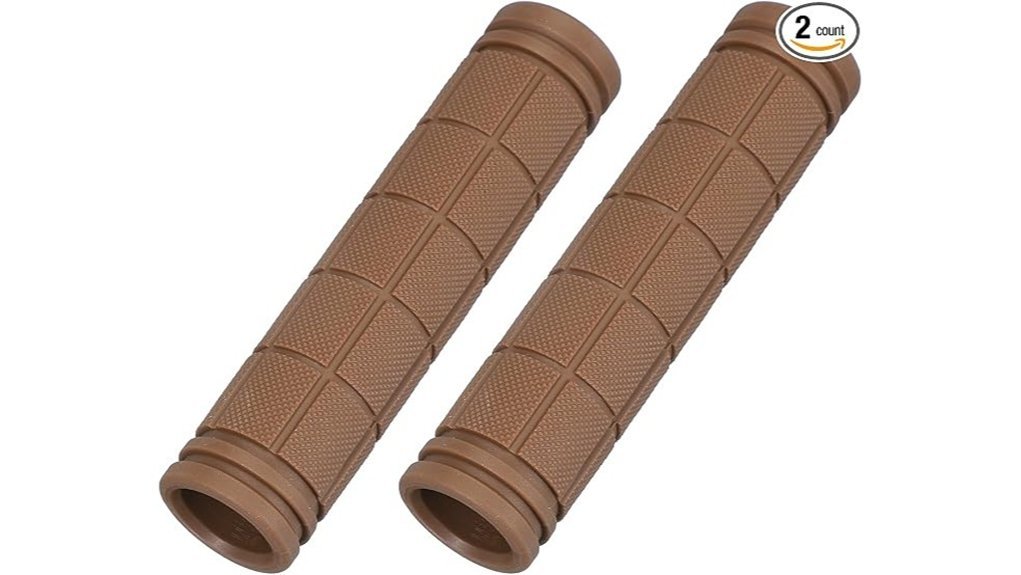
PATIKIL’s non-slip rubber grips suit riders needing steady control in wet conditions. The brown pair measures 120 x 22 x 28.5 mm and fits a wide range of bikes, including mountain bikes, cruisers, road bikes, folding bikes, tricycles, BMX, scooters, and MTBs. Durable rubber construction supports shock absorption, weather resistance, and resistance to aging and cracking. Anti-slip particles help reduce hand tension while improving stability during rough or damp rides. Installation is straightforward with soapy water, detergent, or car wax as lubricant. Each package includes two grips from PATIKIL, offering a practical replacement option.
Best For: Riders who want affordable, non-slip replacement handlebar grips with solid comfort and wet-weather control for a variety of bikes and scooters.
Pros:
- Durable rubber construction offers good shock absorption and weather resistance.
- Anti-slip texture helps improve grip and stability in wet or rough conditions.
- Easy to install with common lubricants like soapy water, detergent, or car wax.
Cons:
- Basic design may not suit riders looking for premium ergonomic features.
- Only comes in one color option.
- May require trimming or adjustment for some handlebar setups.
Schwinn Folding Kevlar Puncture Guard Bike Tire
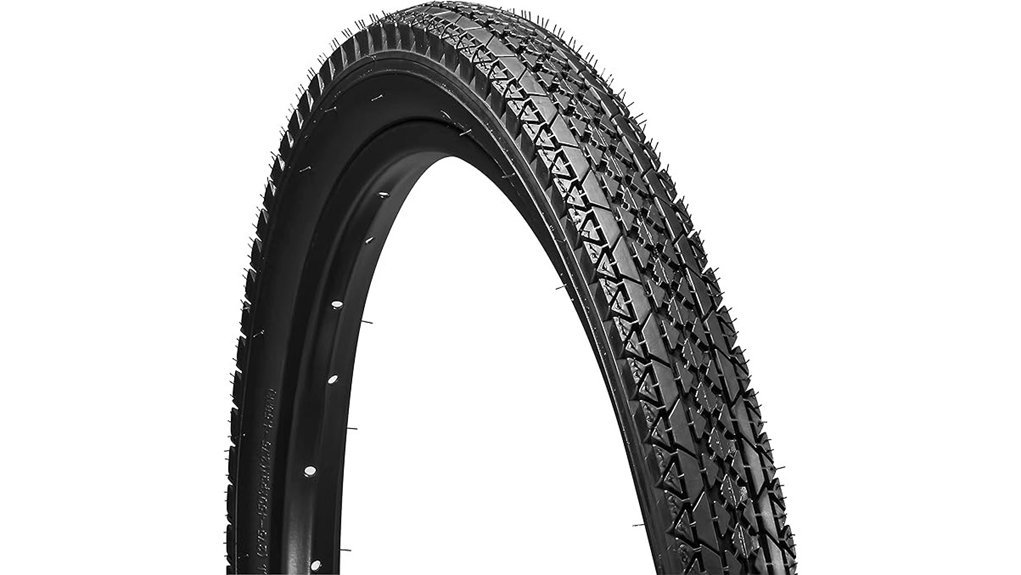
The Schwinn Folding Kevlar Puncture Guard Bike Tire suits riders who want dependable, low-maintenance cruising. This Schwinn replacement tire fits mountain, hybrid, and cruiser bicycles with 26-inch internal rims, including widths from 19mm to 29mm. Its 26 x 2.125-inch size and 40 to 65 PSI range support balanced rolling performance. A uniform tread pattern promotes stable, predictable handling on mixed surfaces, while durable steel bead construction strengthens the tire. Kevlar puncture guard adds resistance under the tread, helping reduce flats during neighborhood and beach riding.
Best For: Riders looking for a dependable, low-maintenance 26-inch replacement tire for mountain, hybrid, or cruiser bikes, especially for neighborhood and beach riding.
Pros:
- Kevlar puncture guard adds extra resistance under the tread to help reduce flats.
- Uniform tread pattern offers stable, predictable handling on mixed surfaces.
- Durable steel bead construction helps strengthen tire integrity.
Cons:
- Only fits 26-inch rims, so it is not compatible with other wheel sizes.
- Best suited for casual riding rather than aggressive off-road performance.
- The 40 to 65 PSI range may not suit riders seeking very low-pressure comfort setups.
Max4out 26-Inch Dual Full Suspension Mountain Bike
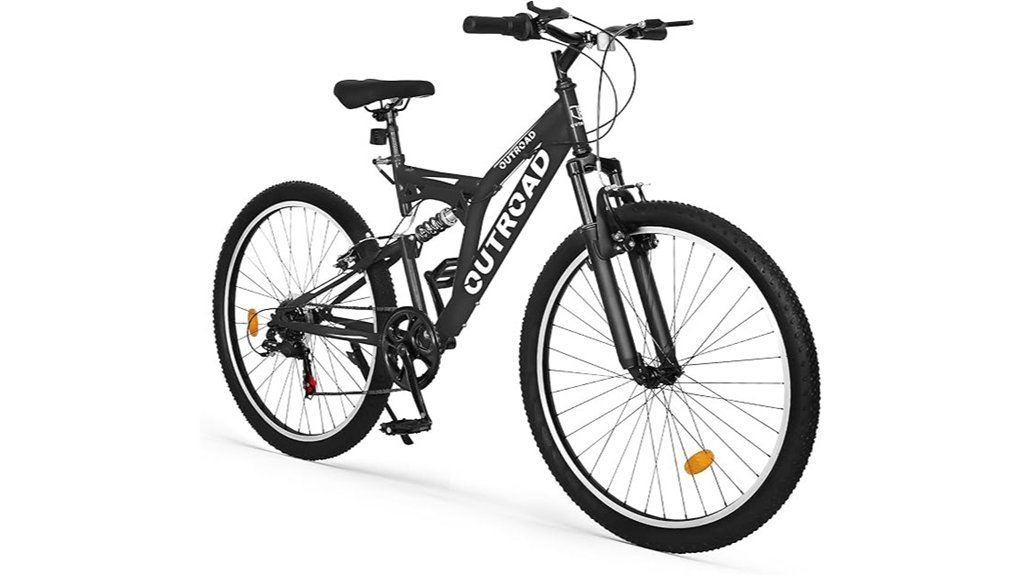
Max4out suits riders seeking a sturdy cruiser-style mountain bike with forgiving suspension. The 26-inch hybrid uses a rugged high-carbon steel frame and dual full suspension, pairing a responsive front fork with a rear coil shock to soften rough paths. Its 7-speed drivetrain and twist shifters provide straightforward control, while V-brakes on both wheels deliver dependable stopping power. The bike fits riders 52 to 62 inches tall, supports up to 330 pounds, and weighs 39 pounds. 26-inch all-terrain tires add grip. It arrives pre-assembled and ready to ride in about 20 minutes.
Best For: Riders 52 to 62 inches tall who want an affordable, sturdy 26-inch mountain bike with dual suspension and simple 7-speed control for casual riding on rougher paths.
Pros:
- Dual full suspension helps smooth out bumps and uneven terrain.
- 330 lb weight capacity and rugged high-carbon steel frame add durability and support.
- Pre-assembled setup and included tools make it ready to ride in about 20 minutes.
Cons:
- 39 lb bike weight may feel heavy for some riders to lift or transport.
- V-brakes are reliable, but not as strong or low-maintenance as disc brakes.
- 7-speed drivetrain may be limiting for riders wanting more gear range on steep terrain.
Factors to Consider When Choosing a Cruiser Mountain Bike
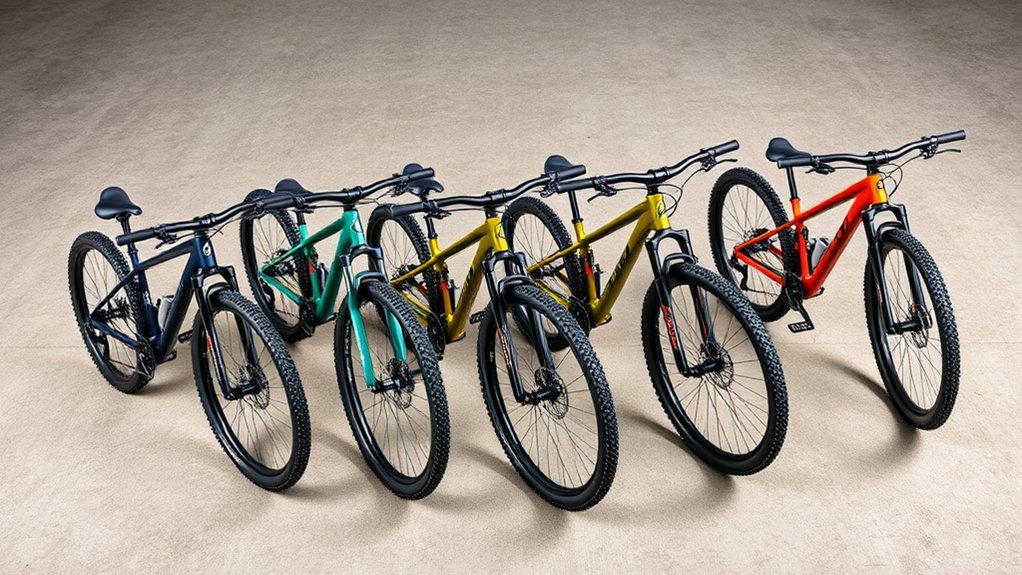
Selecting a cruiser mountain bike starts with the frame material, since it shapes weight, durability, and ride feel. Suspension type, gear system, tire size, and rider fit also play key roles in determining comfort, control, and overall efficiency. Each of these factors should be matched to the rider’s terrain and intended use for the best result.
Frame Material
Frame material shapes a cruiser mountain bike’s durability, weight, and ride feel, making it one of the most important choices for buyers. High-carbon steel remains a popular option because it offers dependable strength and natural shock absorption, which supports a smooth, comfortable ride. Aluminum and carbon fiber provide lighter alternatives, improving handling and making longer rides easier to manage across changing terrain. Material choice also affects price, since premium frames usually cost more due to their performance advantages. Corrosion resistance matters as well; treated aluminum and high-carbon steel better withstand moisture and weather than standard steel. A well-designed frame further enhances stability and comfort, aligning with the relaxed posture and versatile use expected of cruiser mountain bikes.
Suspension Type
Suspension type is a key factor in how a cruiser mountain bike feels and performs, with full suspension systems offering better shock absorption, traction, and comfort on rough trails. Dual suspension bikes, with front and rear shocks, help smooth uneven terrain and keep wheels planted on rocky or root-filled paths. Hardtail models, by contrast, use a front fork only and a rigid rear end, which can improve pedaling efficiency on smoother routes. They are often lighter as well, since fewer components are involved. For riders focused on rugged trails, full suspension is usually the stronger choice. For commuting, light trail use, or mixed terrain, a hardtail may offer a simpler, more efficient ride. Typical terrain should guide the final decision.
Gear System
A well-matched gear system helps a cruiser mountain bike handle everything from steep climbs to flat stretches with less effort and smoother pedaling. It gives the rider flexibility to adapt to changing terrain without losing momentum. Fewer gears may suit casual use, while 7-speed and 18-speed setups offer broader versatility for varied routes and stronger climbing support. Twist shifters add intuitive control, making gear changes quick and smooth during rides. A refined drivetrain also improves pedaling efficiency, which can reduce fatigue on longer journeys and help maintain a steady pace. Compatibility with high-performance brakes remains important, since secure stopping power is especially valuable during gear changes on steep descents. Overall, the right system balances simplicity, control, and dependable performance.
Tire Size
Wheel choice shapes how a cruiser mountain bike feels on the trail, with 26-inch tires often striking a practical balance between speed, grip, and stability. In this size range, the bike tends to feel composed on mixed terrain without becoming sluggish. The added diameter usually improves rollover ability, helping the wheel pass over roots, rocks, and other trail obstacles with less interruption to momentum. A wider profile can also increase traction, especially on loose dirt or muddy sections, where secure contact matters most. Better shock absorption is another advantage, since larger tires help soften impacts on rough ground. For these reasons, tire size directly affects handling, responsiveness, comfort, and efficiency, making it a key consideration when comparing cruiser mountain bikes for varied trail use.
Rider Fit
Beyond tire size, rider fit strongly shapes how a cruiser mountain bike performs and feels on the trail. Matching the rider’s height to the bike’s specified range is essential for comfort and control, and many models are designed for riders between 52 and 62 inches tall. Proper saddle height helps the rider reach the pedals without overstretching, while correct frame size promotes a slight bend in the knees at the lowest point of each pedal stroke. Adjustable saddles and handlebars add flexibility, allowing the bike to suit different body proportions and riding preferences. Weight capacity also matters, since the frame must support the rider safely and remain stable; many cruiser mountain bikes are rated for 300 pounds or more.
Brake Strength
Brake strength is a key factor in a cruiser mountain bike’s safety and handling, especially on downhill slopes or uneven terrain. Strong stopping power helps maintain control on mixed surfaces, where quick responses can prevent accidents and improve confidence. Brake type also matters: V-brakes can deliver dependable performance for city paths, while disc brakes generally handle mud, rain, and off-road descents more effectively. A higher-quality system often improves stability during emergency stops and sudden direction changes. Regular inspection, adjustment, and replacement of worn parts are essential to preserve responsiveness. Rider weight and terrain should guide the choice as well, since heavier riders or those climbing and descending steep grades may need stronger braking to guarantee reliable safety and consistent control.
Frequently Asked Questions
Are Cruiser Mountain Bikes Suitable for Daily Commuting?
Yes, cruiser mountain bikes can suit daily commuting, especially for short to moderate trips on mixed surfaces. Their upright posture, comfort-focused geometry, and wider tires make rides relaxed and stable. However, they are usually heavier and slower than hybrid or road bikes, so long commutes may feel less efficient. With proper gears, fenders, and racks, they become practical for routine urban travel and light errands.
What Tire Pressure Is Best for Cruiser Mountain Bike Rides?
The best tire pressure for cruiser mountain bike rides usually falls between 30 and 40 psi for most riders. Lower pressure gives softer comfort, higher pressure gives quicker rolling. On pavement, firmness meets efficiency; on gravel, suppleness meets control. Heavier riders may need more, lighter riders less. Tire width, terrain, and rider style all matter, so testing small adjustments helps find the smoothest, safest balance for each ride.
How Often Should Cruiser Mountain Bike Chains Be Lubricated?
Cruiser mountain bike chains should usually be lubricated every 100 to 150 miles, or after wet, muddy, or dusty rides. A rider who notices squeaking, rough shifting, or a dry-looking chain should relube sooner. Regular cleaning before lubrication helps the oil work properly and reduces wear. Over-lubricating should be avoided, since excess attracts grime and can accelerate chain damage if left uncleared.
Can Cruiser Mountain Bikes Handle Light Off-Road Trails?
Yes, cruiser mountain bikes can handle light off-road trails. Like a city sedan taking a gravel shortcut, they manage when the path is mellow and the rider is careful. Their wider tires and upright posture add comfort and stability, but limited suspension and heavier frames make them less suited to rough roots, steep climbs, or technical descents. For packed dirt, smooth gravel, and mild singletrack, they usually perform adequately.
What Accessories Improve Comfort on Long Cruiser Rides?
Comfort on long cruiser rides is improved by a padded saddle, ergonomic grips, and a suspension seatpost. Wider tires at lower pressure add cushioning, while a rear rack or handlebar bag can reduce shoulder strain by carrying essentials. Adjustable stems help refine posture, and clip-on mirrors or a phone mount add convenience. Panniers, a bell, and quality lights further increase comfort and confidence on extended outings.