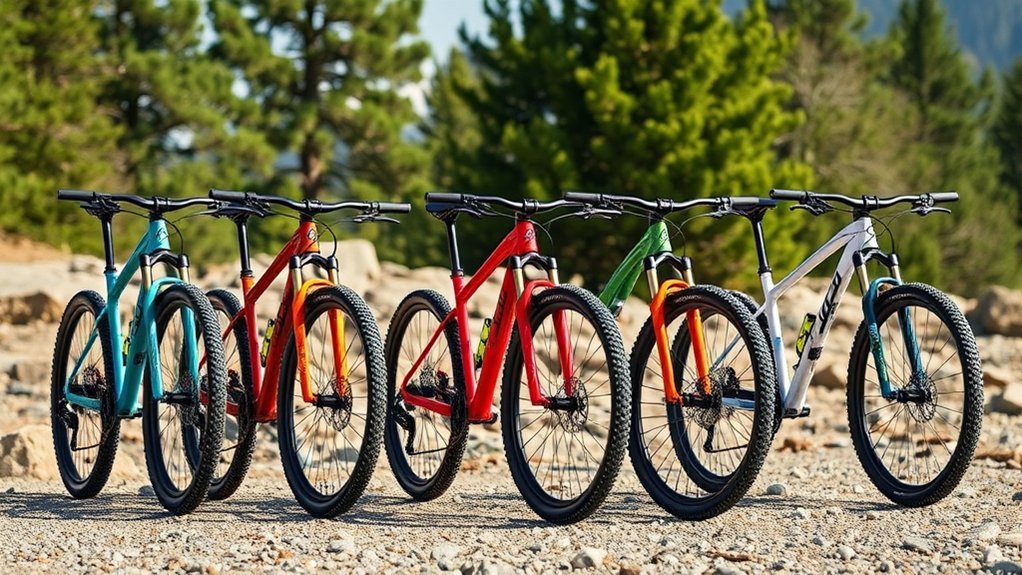
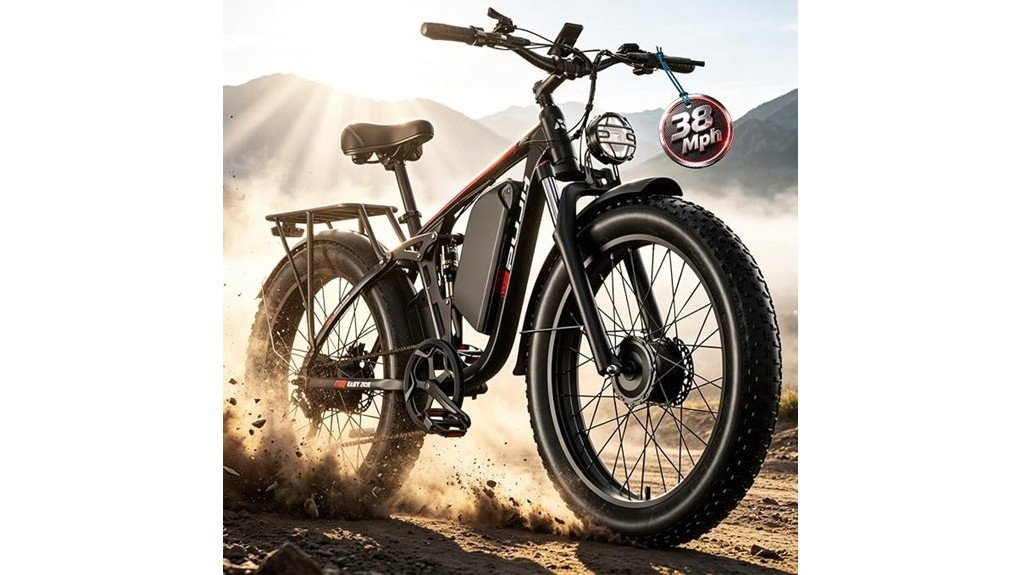
In [2026], full suspension downhill mountain bikes continue to push performance in different ways. The DH Bike frame stands out for its adaptable wheel options and sturdy aluminum build, while the HIMALO frame brings broad compatibility and dependable strength. The Canyon Spectral 125 AL 5 adds refined suspension travel and a practical gear range. Each model solves the trail differently, and the details begin to matter quickly.
Key Takeaways
- DH Bike Suspension Mountain Bike Frame 17 offers 27.5/29er compatibility, 155mm travel, sealed bearings, and Boost 12x148mm spacing.
- HIMALO Full Suspension Mountain Bike Frame supports 27.5/29er wheels, 140mm travel, 6061 aluminum, and four-link suspension.
- Canyon Spectral 125 AL 5 delivers 140mm front and 125mm rear travel, making it ideal for technical trails and jumps.
- Choose downhill bikes with aluminum frames, hydraulic disc brakes, slacker head angles, and longer wheelbases for stability.
- Suspension travel, wheel size, reach, and bottom bracket height strongly influence downhill control, traction, and cornering confidence.
DH Bike Suspension Mountain Bike Frame 17
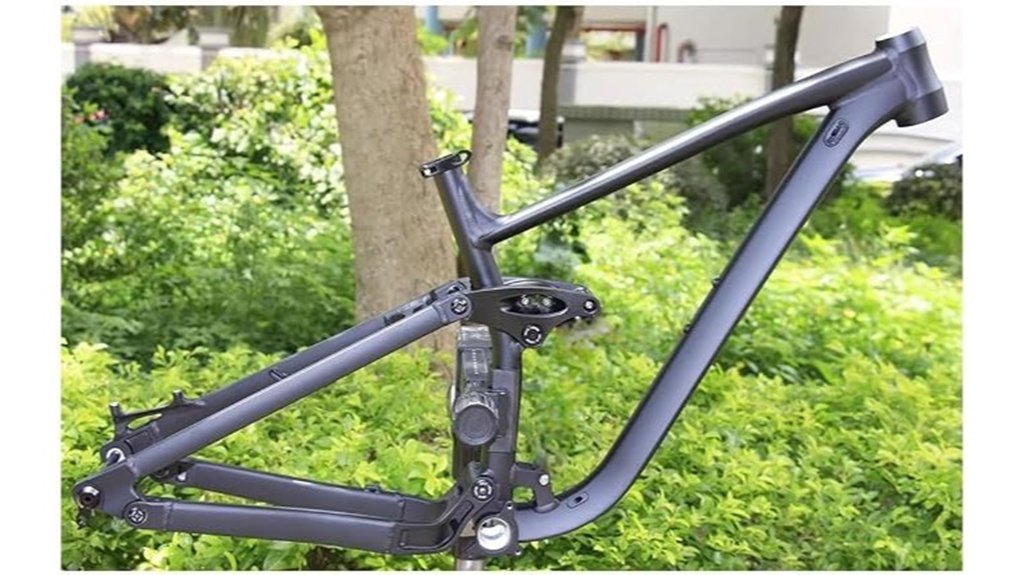
The DH Bike Suspension Mountain Bike Frame 17 is a strong fit for riders who want a purpose-built downhill frame with flexible wheel options and modern geometry support. It comes in 15.5, 17, and 18-inch sizes, uses aluminum alloy, and weighs about 3.75 kg. The frame supports 27.5er or 29er wheels, up to 155mm of travel, and a 210mm rear shock with 32-22mm bushings. Fully sealed bearing pivots improve suspension smoothness. It also includes Boost 12x148mm spacing, disc brake mounting, a BSA73 bottom bracket, and internal routing.
Best For: Riders looking for a durable, purpose-built downhill suspension frame with 27.5er/29er compatibility, modern Boost spacing, and support for long-travel suspension.
Pros:
- Supports both 27.5er and 29er wheels for flexible build options.
- Strong downhill-focused setup with up to 155mm travel and sealed bearing pivots for smoother performance.
- Includes modern frame features like 12x148mm Boost spacing, BSA73 threaded BB, and internal routing.
Cons:
- At about 3.75 kg, it is relatively heavy compared with many trail or enduro frames.
- Limited to downhill-oriented use, so it may not be ideal for general riding or climbing efficiency.
- Requires a specific 210mm rear shock, which may narrow upgrade and replacement options.
Full Suspension Mountain Bike Frame 27.5/29er Thru Axle
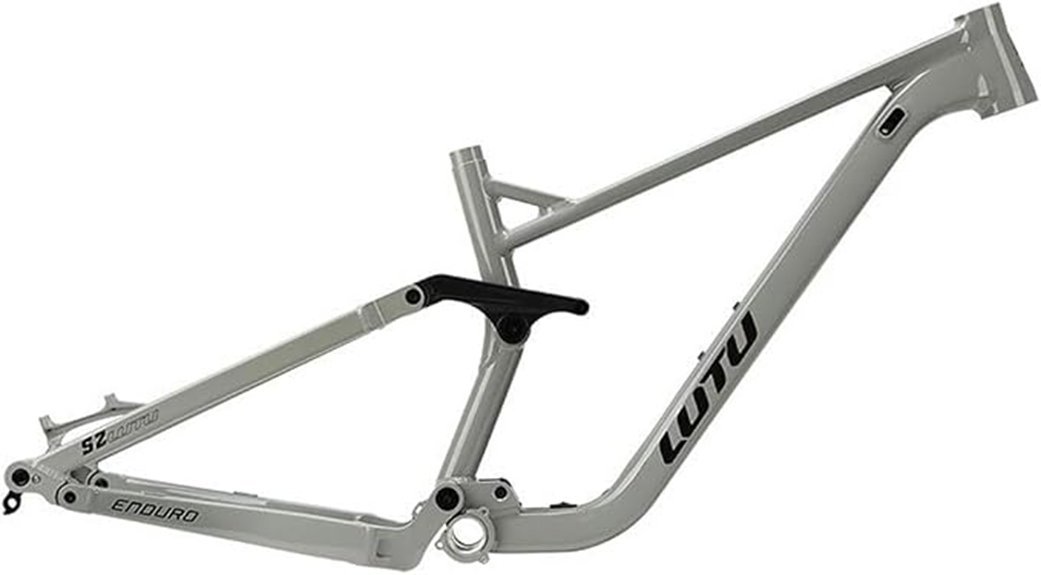
Built for riders seeking a versatile downhill platform, the HIMALO full suspension frame supports 27.5er and 29er wheels with BOOST thru-axle spacing. This 6061 aluminum alloy chassis comes in M and L sizes, with 140mm maximum travel and compatibility for 100mm to 150mm forks. The 210mm rear shock layout, 44-56mm tapered headtube, and 73mm threaded bottom bracket suit modern enduro use. Four-link suspension, sealed bearings, and thickened rear stays improve control and durability. Internal cable routing, baked enamel finish, and 12x148mm axle compatibility round out the design.
Best For: Riders looking for a versatile 27.5/29er full suspension mountain bike frame for enduro, downhill, trail, or all-mountain builds.
Pros:
- Supports both 27.5er and 29er wheels with 12x148mm BOOST thru-axle spacing
- Durable 6061 aluminum alloy frame with four-link suspension and sealed bearings
- Internal cable routing and baked enamel finish provide a clean, long-lasting design
Cons:
- Frame-only purchase means you must source compatible suspension components separately
- Limited to M and L sizes, so fit options are somewhat restricted
- Heavier than many XC-focused frames, especially in the larger size
Canyon Spectral 125 AL 5
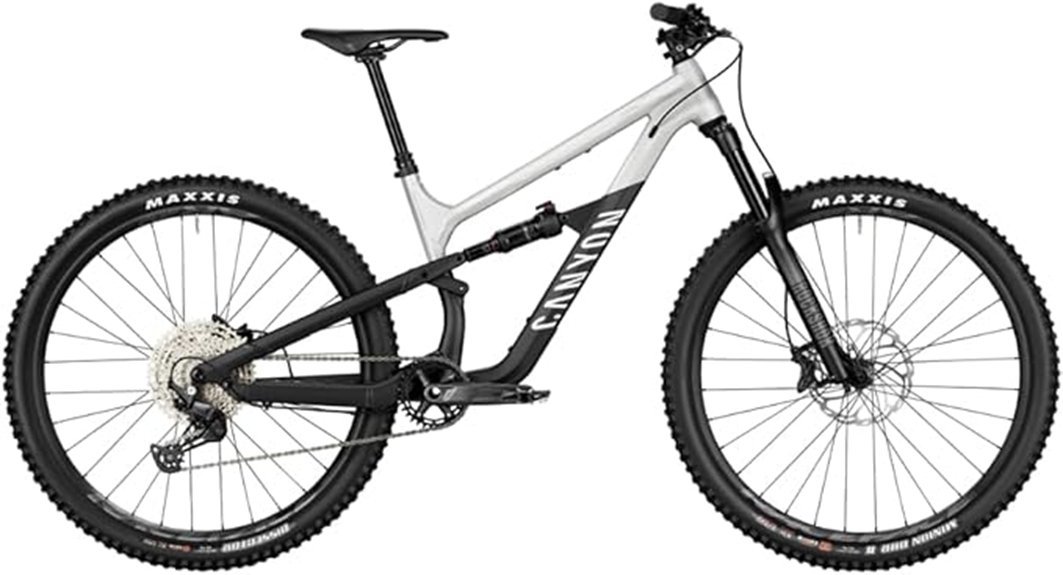
With 140mm front and 125mm rear travel, the Canyon Spectral 125 AL 5 suits intermediate riders tackling technical trails and jumps. Its precision-engineered alloy frame keeps weight down while adding durability, and the progressive geometry improves stability on rough descents. A RockShox 35 Gold RL fork and Deluxe Select+ shock provide controlled suspension. Shimano Deore M6100 12-speed gearing offers a wide range for climbs and speed. Dual disc brakes, a dropper seatpost, and tubeless-ready 29-inch wheels strengthen trail performance. Canyon also backs engineered components with a 6-year warranty.
Best For: Intermediate trail riders and jump-focused mountain bikers who want a durable, well-suspended 29-inch bike with strong climbing and descending performance.
Pros:
- 140mm front and 125mm rear travel handle technical trails and jumps well.
- Shimano Deore M6100 12-speed drivetrain offers a wide and reliable gear range.
- Dropper seatpost, tubeless-ready wheels, and dual disc brakes improve control and confidence.
Cons:
- May be too aggressive or performance-oriented for complete beginners.
- Alloy frame adds durability, but not the lightest option compared with higher-end builds.
- Best suited to trail use; not ideal for riders wanting a pure cross-country or downhill bike.
Factors to Consider When Choosing a Full Suspension Downhill Mountain Bike
Selecting a full suspension downhill mountain bike requires attention to frame material, suspension travel, wheel compatibility, brake system, and frame geometry. Each factor affects durability, control, speed, and confidence on steep terrain. A balanced combination of these features helps determine how well the bike performs on demanding downhill trails.
Frame Material
Frame material is a major factor in a full suspension downhill mountain bike’s performance, especially when weight and durability must be balanced. Aluminum alloys, including 6061 aluminum, are often chosen because they combine strength with relatively low weight. A typical aluminum mountain bike frame weighs about 3.75 kg, which supports aggressive downhill riding without adding unnecessary mass. Material choice also affects ride quality; aluminum frames with fully sealed bearing pivots can improve smoothness when the trail turns rough. Internal cable routing is another advantage, since it protects cables from abrasion and gives the frame a cleaner appearance. Structural details such as thickened rear forks further increase stiffness and stability, making frame construction an important part of overall downhill performance.
Suspension Travel
Suspension travel is a key measure of how well a full suspension downhill mountain bike handles rough terrain, since it determines how far the suspension can compress under impact. It refers to the vertical movement available in the suspension and strongly shapes ride comfort, traction, and control on uneven descents. Longer travel, such as 155mm, absorbs bigger bumps and repeated hits more effectively, giving added stability for downhill and enduro use. Shorter travel, around 140mm, can feel quicker and more efficient for climbing or mixed riding, while still offering useful shock absorption. The best choice depends on riding style and terrain. Rear shock specifications also matter, because bushing sizes and shock length influence how smoothly the suspension performs under load.
Wheel Compatibility
Wheel compatibility is one of the most important setup checks on a full suspension downhill mountain bike, since wheel size affects handling, stability, and overall ride feel. Riders should confirm whether the frame is designed for 27.5-inch or 29-inch wheels, because each option changes cornering response and speed through rough sections. Tire clearance also matters, since a frame may accept larger casings such as 27.5 x 2.8 or 29 x 2.5, improving traction without causing rubbing. The rear axle standard, often 12 x 148mm BOOST, must match the wheel hub to preserve correct fitment and geometry. Fork travel compatibility should be checked as well, with some frames suited to 100mm to 150mm ranges. Internal routing for cables can further protect components and keep the chassis tidy.
Brake System
A downhill bike’s wheel setup naturally leads to the next key check: the brake system. A full suspension downhill mountain bike needs disc brakes for dependable stopping power on steep, changing terrain. Hydraulic disc brakes are often favored for stronger modulation, while mechanical disc brakes can suit simpler setups if the frame supports them. Compatibility matters, since the brake type must match the bike’s frame specifications for correct installation and reliable function. Rotor size also deserves attention: 180mm or 203mm rotors improve heat dissipation and increase braking force during long descents. Thru axle standards, such as 12x148mm Boost, help keep the wheel aligned and stable, which supports safer braking. Routine checks of pad wear and fluid levels help maintain performance and component life.
Frame Geometry
Geometry shapes how a full suspension downhill mountain bike feels on the trail, affecting stability, control, and responsiveness. A longer wheelbase generally improves confidence at high speeds and across rough terrain, while a slacker head angle supports better downhill control by balancing rider weight and increasing front-wheel traction on steep descents. Bottom bracket height also matters: a lower position can lower the center of gravity and sharpen cornering grip, though it raises the chance of pedal strikes on uneven ground. Reach measurement influences how stretched out the rider feels, with longer reach often adding stability during aggressive efforts. Rear suspension travel, commonly 140mm to 155mm on downhill frames, helps absorb impacts, preserve traction, and smooth performance across changing terrain.
Frequently Asked Questions
How Often Should Downhill Bike Suspension Be Serviced?
Downhill bike suspension should usually be serviced every 50 to 100 riding hours, though hard racing or muddy conditions can shorten that interval. Like a finely tuned gate opening and closing through dust and rock, the fork and shock gradually lose their smoothness. Regular lower-leg or air-can service keeps movement crisp, while a full damper overhaul is often needed annually. Manufacturer guidelines remain the best reference.
Are 27.5-Inch Wheels Better for Downhill Racing?
27.5-inch wheels are not universally better for downhill racing, but they can be advantageous for certain riders and tracks. They tend to accelerate quickly, feel more agile in tight sections, and allow easier line changes. However, larger wheels usually roll over rough terrain more smoothly and maintain speed better. The best choice depends on rider preference, course design, and whether maneuverability or stability matters more in the race.
Can I Convert a Trail Bike Into a Downhill Bike?
About 60% of trail bikes can be adapted for rougher descending, but a true downhill bike remains different. It is possible to convert a trail bike into a more downhill-capable setup with stronger tires, brakes, suspension tuning, and geometry changes, yet limits remain in frame strength, travel, and stability. A dedicated downhill bike still handles steep, high-speed terrain better, making conversion a compromise rather than a complete replacement.
What Safety Gear Is Essential for Downhill Mountain Biking?
Essential downhill mountain biking safety gear includes a full-face helmet, knee pads, elbow pads, gloves, and protective eyewear. A chest protector or body armor is also recommended for added impact protection, especially on rough descents. Sturdy downhill shoes help maintain pedal control and grip. Neck braces may be used for extra support. Properly fitted gear reduces injury risk and supports safer riding on demanding terrain.
How Much Travel Do Downhill Bikes Usually Need?
Downhill designs usually need about 200 mm of travel front and rear. This generous suspension helps absorb harsh hits, maintain traction, and keep control on steep, rough descents. Less travel can feel quicker, but true downhill riding favors plush performance over pedal efficiency. For most riders, that range offers a balanced blend of stability, safety, and confidence when terrain turns technical, fast, and unforgiving.