Best Neighborhoods in Rome for Families: Where to Live or Stay
By Tagline Today Editorial Team | Last updated: May 22, 2026
Rome can feel exciting and difficult at the same time when you are choosing a neighborhood for your family. The best area is not simply the prettiest one. You also need safe-feeling streets, schools, parks, public transport, grocery stores, and a daily routine that will not exhaust you.
This guide compares family-friendly neighborhoods in Rome for parents who plan to move, stay long term, or book a longer family visit. You will see where each area works best, what trade-offs to expect, and which neighborhoods suit different family needs.
Quick Answer: Best Areas in Rome for Families
Monteverde is the best overall choice for many families who want green space and a calmer residential feel. Prati works best for central convenience and access to the Vatican area. San Giovanni and Appio-Latino are stronger choices for families who want better value and public transport. Trastevere suits families who want atmosphere, restaurants, and walkability, but you should choose a quieter side street.
Key Takeaways
- Choose Monteverde if parks, calm streets, and family space matter most.
- Choose Prati if you want central convenience, shops, restaurants, and Metro Line A access.
- Choose San Giovanni or Appio-Latino if you want a more affordable residential base with strong transport links.
- Choose Trastevere if you value charm, food, and walkability, but avoid the busiest nightlife streets.
- Choose Balduina or Aventino if your family prefers quieter streets and a more residential feel.
How to Choose a Family-Friendly Neighborhood in Rome
Before comparing neighborhoods, decide what your family needs every week, not just what looks good during a short walk. A family with toddlers may care most about parks, elevators, and stroller-friendly streets. A family with older children may care more about schools, sports, transport, and a calm commute.
Use this checklist before you rent, buy, or book a longer stay:
- School access: Check nearby public, private, or international schools before choosing an apartment.
- Transport: Confirm metro, tram, or bus access for school, work, and medical appointments.
- Noise level: Visit the street in the evening, not only during the day.
- Daily services: Look for supermarkets, pharmacies, playgrounds, clinics, and simple food options.
- Green space: Check whether your family can reach a park without a long ride.
For school research, families can use Italy’s official Scuola in Chiaro portal. For transport planning, check ATAC Roma, Rome’s public transport operator.
Family Neighborhood Snapshot
| Neighborhood | Best For | Main Trade-Off |
|---|---|---|
| Monteverde | Parks, calm streets, family space | Less central than Prati or Trastevere |
| Prati | Central services, Vatican access, metro | Higher prices in many areas |
| Trastevere | Walkability, food, historic character | Noise near nightlife streets |
| San Giovanni | Value, metro access, daily services | Busier urban feel |
| Aventino | Quiet streets and scenic views | Fewer everyday services on some streets |
Trastevere: Best for Walkability, Food, and Historic Character
Trastevere is one of Rome’s most recognizable neighborhoods. Its narrow streets, warm-colored buildings, local restaurants, and busy piazzas make it attractive for families who want daily life to feel lively and walkable.
The area works best for families who enjoy being close to restaurants, small shops, river walks, and major historic areas. Families can walk along the Tiber, visit Piazza Santa Maria in Trastevere, or stop at the Basilica of Santa Maria in Trastevere, which official Rome tourism describes as one of the city’s earliest Christian worship sites.
The main trade-off is noise. Some streets feel calm during the day but become busy at night because of restaurants and bars. If you choose Trastevere with children, look for a quieter side street and check evening noise before committing.
Best for: Families who want atmosphere, walkability, restaurants, and easy access to central Rome.
Watch out for: Nightlife noise, narrow streets, stairs in older buildings, and limited parking.
Parioli: Best for an Upscale Residential Feel
Parioli is one of Rome’s most established residential areas. It is known for elegant buildings, tree-lined streets, embassies, private residences, and a quieter pace than many central tourist districts.
This neighborhood can suit families who want a polished residential setting, access to parks, and a more settled daily routine. Villa Glori and Villa Balestra give families outdoor space for walks, playtime, and weekend breaks from traffic.
Parioli is often described as safe and prestigious, but families should avoid treating that as a guaranteed fact for every street or building. Safety can change by block, time of day, and personal routine. Visit the area, ask locals, check current listings carefully, and compare commute times before deciding.
Best for: Families who want an upscale residential base with parks and quieter streets.
Watch out for: Higher housing costs and less tourist convenience than central neighborhoods.
Monteverde: Best Overall for Parks and a Calmer Family Routine
Monteverde is one of the strongest choices for families who want green space without leaving Rome. The neighborhood sits near Villa Doria Pamphilj, which official Rome tourism describes as Rome’s largest park and one of the city’s best-preserved villas.
This area gives families more breathing room than many central districts. Children can bike, run, and play in larger outdoor spaces, while parents can use the park for walks, exercise, and weekend downtime.
Monteverde also has a more residential rhythm. You will find apartment buildings, local shops, schools, cafés, and daily services. It does not feel as central as Prati or Trastevere, but many families accept that trade-off for more space and quieter streets.
Best for: Families who want parks, calmer streets, and a residential lifestyle.
Watch out for: Commute times, because some parts depend more on buses and trams than metro stations.
Prati: Best for Central Convenience Near the Vatican
Prati is one of the most practical neighborhoods in Rome for families who want central access without staying in the densest part of the historic center. The area has wide streets, apartment buildings, restaurants, supermarkets, shops, and easy access to the Vatican area.
Families often like Prati because daily life feels organized. It is easier to run errands, find food, reach pharmacies, and use public transport. Metro Line A stations such as Ottaviano and Lepanto make the area useful for families who need to move around the city.
For visitors, Prati is often a better choice than trying to stay “in Vatican City.” Vatican City itself is not a normal Rome neighborhood for family accommodation. Prati gives you the Vatican nearby while still offering apartments, restaurants, and daily services.
Best for: Families who want convenience, transport, restaurants, shops, and Vatican-area access.
Watch out for: Higher prices and busy streets near major attractions.
Testaccio: Best for Authentic Roman Food and Local Life
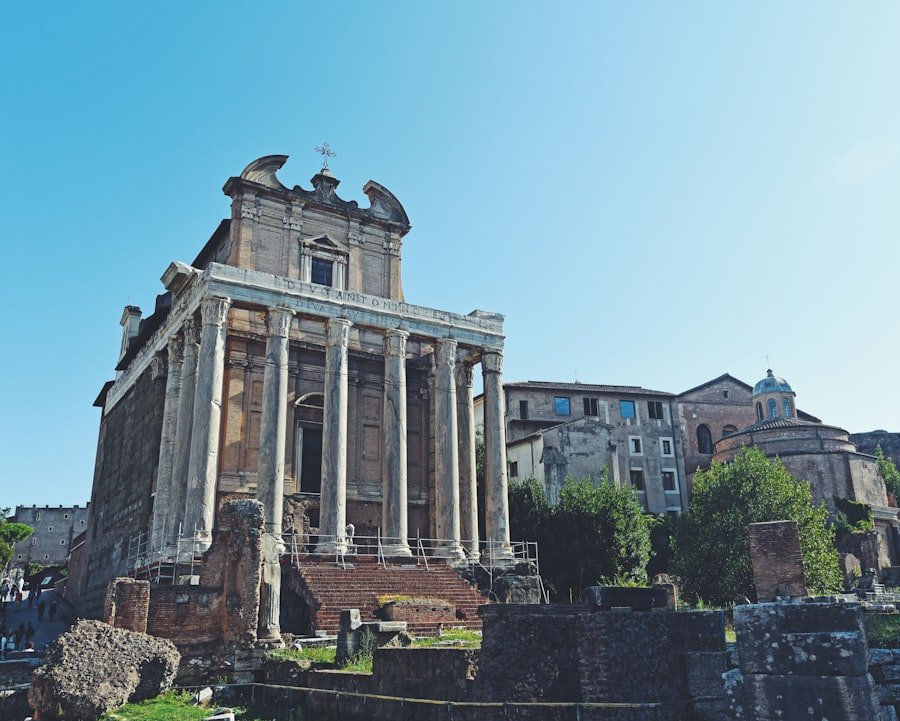
Testaccio is a strong choice for families who want a more local Roman feel. It is known for food culture, traditional restaurants, markets, and everyday neighborhood life.
The Mercato di Testaccio gives families a practical and cultural stop in one place. Parents can buy food, children can see local ingredients, and the family can try simple Roman dishes without relying only on tourist restaurants.
Testaccio also has a deeper historical layer. Monte Testaccio, often called Monte dei Cocci, is an ancient mound created from fragments of Roman amphorae. This gives the neighborhood a rare mix of daily life, food history, and archaeology.
Best for: Families who want local food culture, markets, and an authentic Roman neighborhood.
Watch out for: Fewer postcard-style streets than Trastevere and a more urban feel in some areas.
San Giovanni: Best for Value, Transport, and Everyday Services
San Giovanni gives families a useful mix of history, transport, shopping, and better value than many central areas. The Basilica di San Giovanni in Laterano is one of the area’s major landmarks, but the neighborhood also works well for daily routines.
Families can benefit from Metro Line A access, local shops, schools, supermarkets, and residential streets. The area feels more urban than Monteverde or Balduina, but that can be helpful if your family wants transport and services close by.
San Giovanni is a smart option for families who want to stay connected to central Rome without paying the highest central prices. It can also work well for longer stays if school, work, or daily errands connect to Metro Line A.
Best for: Families who want value, transport, and practical city living.
Watch out for: Traffic, busy roads, and less green space than Monteverde.
Aventino: Best for Quiet Streets and Scenic Views
Aventino is one of Rome’s quietest and most picturesque central areas. Families who want peace, gardens, and beautiful views may find it appealing, especially if they want to stay close to the center without feeling surrounded by crowds.
The Orange Garden, known as Giardino degli Aranci, gives families a scenic place for walks and city views. The neighborhood also has a calmer atmosphere than many central districts, which can help families with younger children or parents who want quieter evenings.
The trade-off is convenience. Some parts of Aventino have fewer everyday shops and services than Prati, San Giovanni, or Testaccio. It works best for families who value quiet and can manage a slightly less practical daily setup.
Best for: Families who want quiet streets, views, gardens, and a refined central setting.
Watch out for: Limited daily services on some streets and higher prices.
Appio-Latino: Best for Affordable Residential Living
Appio-Latino is a practical neighborhood for families who want more value and a residential base. It offers a mix of apartment buildings, shops, schools, and public transport connections.
The area works well for families who do not need to live inside the historic center every day. You can still reach central Rome, but you may get more space and a more local routine than you would in higher-priced districts.
Families should compare exact locations carefully because Appio-Latino covers a wide area. Some streets feel more convenient and connected than others. Check walking distance to metro stations, supermarkets, schools, parks, and bus stops before choosing.
Best for: Families who want better value, local services, and a residential feel.
Watch out for: Variation by street and commute time.
Balduina: Best for a Quiet, Residential Family Base
Balduina suits families who want a more residential lifestyle away from the busiest central streets. The neighborhood has apartment buildings, local services, and a quieter pace that can feel easier for family routines.
Families may like Balduina if they want more space, calmer evenings, and access to daily services without living in the middle of heavy tourist traffic. It can also work for families who prefer a neighborhood where residents, not visitors, shape most of the daily rhythm.
The main trade-off is location. Balduina is not as central as Prati, Trastevere, or Testaccio, so commute planning matters. Before choosing it, test your school run, work route, and weekend transport options.
Best for: Families who want a quiet residential base and a more settled routine.
Watch out for: Longer trips to some central attractions and workplaces.
Which Rome Neighborhood Should Your Family Choose?
The best family neighborhood in Rome depends on your daily routine. If you want parks and calm, start with Monteverde. If you want central convenience, look at Prati. If you want better value and transport, compare San Giovanni and Appio-Latino. If you want charm and food culture, consider Trastevere or Testaccio.
Do not choose only from photos. Walk the streets in the morning and evening, check transport routes, compare school access, and make sure basic services are nearby. Rome can be wonderful for families, but the right neighborhood will make daily life much easier.
Helpful Official Resources for Families
FAQs
What is the best neighborhood in Rome for families overall?
Monteverde is one of the strongest overall choices for families because it offers green space, a calmer residential feel, and access to Villa Doria Pamphilj. Prati is better if you want central convenience, while Balduina suits families who prefer a quieter residential base.
Is Trastevere good for families with children?
Trastevere can work well for families who want character, restaurants, walkable streets, and easy access to the historic center. The main trade-off is noise in busy areas, especially near nightlife streets, so families should look for quieter side streets before booking or renting.
Is Prati a good area for a family stay in Rome?
Prati is a practical area for families because it has wide streets, shops, restaurants, Metro Line A access, and easy reach to the Vatican area. It feels more organized than some historic districts, but it can cost more than outer residential neighborhoods.
Which Rome neighborhood is best for green space?
Monteverde is the best option in this article for green space because it sits near Villa Doria Pamphilj, Rome’s largest public park. Aventino also offers gardens and scenic views, but it has fewer everyday services than larger residential districts.
Which Rome neighborhoods are more affordable for families?
San Giovanni and Appio-Latino are usually better starting points for families who want more value than central or prestigious areas. They offer transport links, daily services, and residential streets, but families should compare exact apartments, school access, and commute times before choosing.
Should families stay in Vatican City?
Families normally stay in Prati near the Vatican rather than inside Vatican City itself. Prati gives easier access to apartments, restaurants, shops, Metro Line A, and family services while keeping the Vatican Museums and St. Peter’s Basilica close by.
How should families choose a neighborhood in Rome?
Families should compare commute time, school access, nearby parks, supermarket access, evening noise, stroller-friendly streets, and public transport. A beautiful neighborhood is not always the best daily base if school runs, groceries, or medical care become inconvenient.
Is Rome easy for families without a car?
Many families can manage without a car in central or well-connected areas such as Prati, San Giovanni, and parts of Trastevere. Before choosing a neighborhood, check walking routes, bus connections, metro access, and how long daily school or work trips will take.