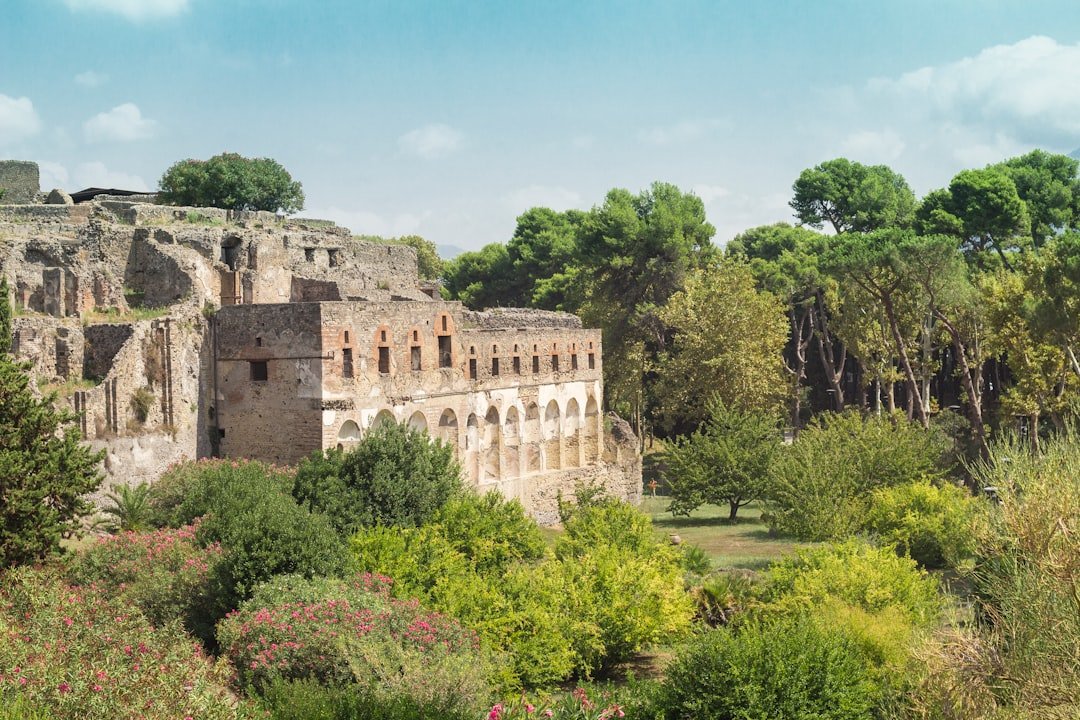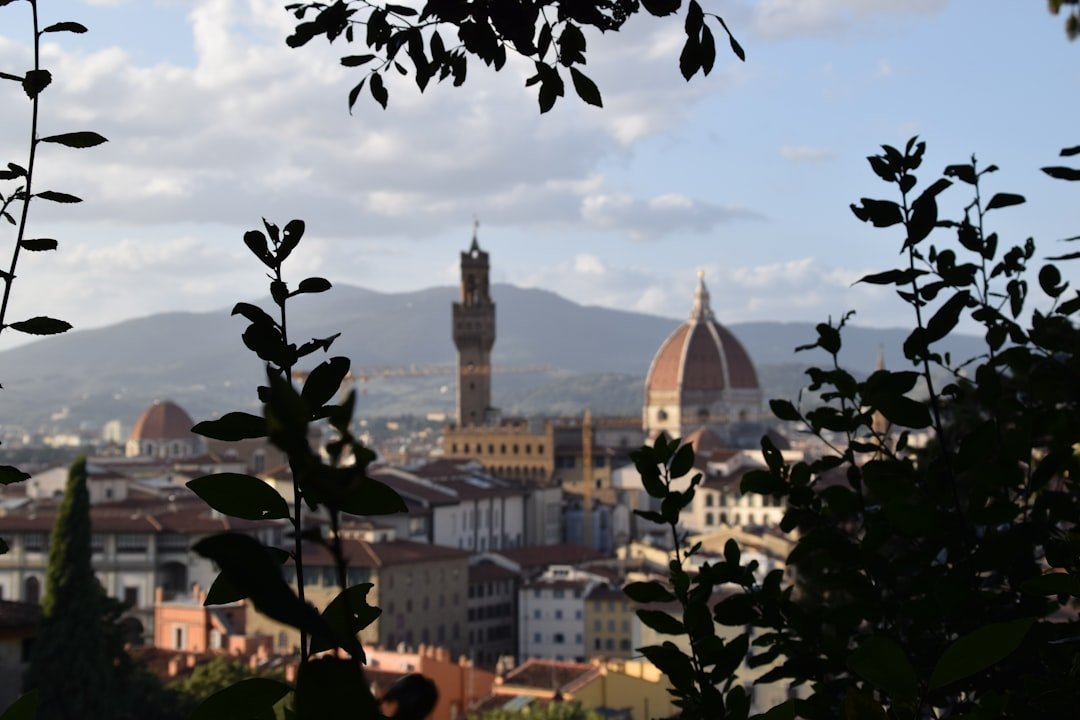
Two days in Florence is enough to see many of the city’s Renaissance highlights if you plan your museum times before you arrive. This Florence 2 day itinerary keeps the major sights in a logical order, with the Duomo, Uffizi and Ponte Vecchio on Day 1, followed by Michelangelo’s David, San Lorenzo, Palazzo Vecchio and the Oltrarno side of the city on Day 2.
Quick Answer
For a 2-day Florence itinerary, spend Day 1 around the Duomo, Uffizi Gallery, Ponte Vecchio and Piazzale Michelangelo. On Day 2, see Michelangelo’s David at the Accademia, explore San Lorenzo, visit Palazzo Vecchio and Boboli Gardens, then finish with dinner in Oltrarno. Reserve the major museums and Dome climb in advance.
Key Takeaways
- Day 1 morning: Explore Piazza del Duomo, the Cathedral, Baptistery and, with a timed reservation, Brunelleschi’s Dome.
- Day 1 afternoon: Visit the Uffizi Gallery, walk beside the Arno and cross Ponte Vecchio.
- Day 1 evening: Go to Piazzale Michelangelo for city views, then return to the center for Tuscan food.
- Day 2 morning: See Michelangelo’s David at the Accademia, then explore San Lorenzo and Mercato Centrale.
- Day 2 afternoon: Tour Palazzo Vecchio and continue across the river to Boboli Gardens.
- Day 2 evening: Spend time in Oltrarno or Santo Spirito and enjoy a relaxed Tuscan dinner.
- Important: The Uffizi and Accademia are normally closed on Mondays, so rearrange the itinerary if one of your two days falls on a Monday.
- Optional swaps: Pitti Palace, Santa Croce, the Bargello and Museo di San Marco are worthwhile, but trying to fit every museum into two days will make the trip rushed.
Day 1: Morning in Florence
Begin in Piazza del Duomo, where Florence Cathedral, Giotto’s Bell Tower and the Baptistery of San Giovanni form the city’s most recognizable architectural group. The Cathedral of Santa Maria del Fiore developed over several centuries, so it is important to separate its different parts. The present 19th-century Neo-Gothic façade was designed by Emilio De Fabris, while Filippo Brunelleschi designed the revolutionary dome that became the symbol of Florence.
The cathedral itself is free to enter, but the Dome, Bell Tower, Baptistery, Opera del Duomo Museum and Santa Reparata require the appropriate pass. If you want to climb Brunelleschi’s Dome, reserve the official Brunelleschi Pass before your visit. The Dome reservation is tied to a specific date and time, and the ticket holder’s name is checked against identification.
Warning: The Dome climb has 463 steps and no elevator. The Opera del Duomo advises against the climb for people with certain cardiovascular or respiratory conditions, vertigo or claustrophobia, and for pregnant visitors. Medium and large bags must also be left at the official luggage storage before entry.
Brunelleschi’s dome was built between 1420 and 1436 and is described by the Opera del Duomo as the largest masonry vault in the world. From the upper levels, you get close views of the dome structure before reaching the outdoor viewpoint over Florence.
Next, visit the octagonal Baptistery of San Giovanni. Lorenzo Ghiberti’s celebrated eastern doors became known as the Gates of Paradise, but the originals are now protected inside the Opera del Duomo Museum. The doors at the Baptistery are replacements. The interior is famous for its medieval mosaics, although the Opera del Duomo currently states that the vault mosaics are not visible because of restoration work.
Note: Restoration work and monument access can change. Check the official Opera del Duomo timetable shortly before your trip rather than relying on an old blog schedule.
When you are ready for breakfast or a mid-morning break, keep it simple with a cornetto and espresso at a nearby café. Florence’s historic center is compact, so there is no need to travel far before the afternoon portion of the itinerary.
Day 1: Afternoon in Florence
Spend the early afternoon at the Uffizi Gallery, one of the world’s major collections of Renaissance art. Its rooms include works by Botticelli, Leonardo da Vinci, Michelangelo, Raphael, Titian and many other artists. Allow roughly two to three hours if this is your first visit rather than trying to rush through every room.
The Uffizi’s official visitor information currently lists normal opening from Tuesday through Sunday, with Monday as its regular closing day. Buying or reserving your entry before the trip is sensible when your Florence stay is only two days because a long ticket queue can disrupt the rest of the schedule.
Pro Tip: If your Florence trip includes a Monday, do not schedule the Uffizi or Accademia for that day. Use Monday for the Duomo area, outdoor sights and museums that are confirmed open for your specific date.
After the Uffizi, walk toward the Arno and Ponte Vecchio. The medieval bridge is famous for the small shops built along it, traditionally associated with goldsmiths and jewelers. You do not need a separate attraction ticket, so this is a useful flexible stop after a museum visit.
Cross the bridge, look back toward the riverfront and, if you want a break, stop for gelato. Gelateria dei Neri remains a popular option on the historic-center side of the river, although Florence has many independent gelaterias and there is no need to cross the city solely for one shop.
Day 1: Evening in Florence
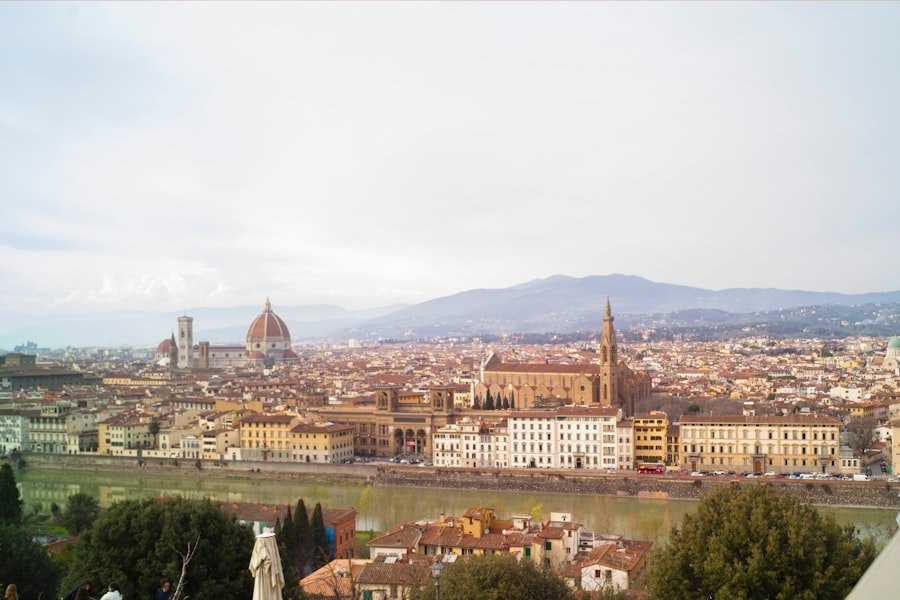
For the evening, head toward Piazzale Michelangelo. The elevated terrace gives you a broad view across Florence, including the Duomo, Palazzo Vecchio, the Arno and the historic center. Sunset is especially popular, so expect plenty of other visitors rather than a quiet viewpoint.
You can walk uphill if you have the energy, but after a full day of sightseeing you may prefer a bus or taxi for part of the climb. Once you have enjoyed the view, return toward the center or Oltrarno for dinner.
Bistecca alla Fiorentina is one of Florence’s best-known meat dishes. It is a thick T-bone steak traditionally cooked over high heat and generally served quite rare, so ask how a restaurant prepares it before ordering if you prefer meat cooked further. Tuscan alternatives include ribollita, pappa al pomodoro, peposo and seasonal pasta dishes.
Trattoria 4 Leoni near Piazza della Passera is one established option for Tuscan cooking. If you drink wine, Chianti and other Tuscan wines are widely available, but there is no need to build the evening around alcohol to enjoy Florence’s food culture.
Day 2: Morning in Florence
| Activity | Suggested Time | Location |
| Breakfast | 8:00 AM | Near your hotel or the Accademia |
| Accademia Gallery | 8:30 AM – 10:00 AM | Via Ricasoli 58/60 |
| San Lorenzo and Mercato Centrale | 10:15 AM – 12:15 PM | Piazza del Mercato Centrale / Via dell’Ariento |
| Lunch | 12:15 PM – 1:15 PM | San Lorenzo area |
Begin the second day at the Galleria dell’Accademia, home to Michelangelo’s David. The sculpture stands a little over 5 meters, or about 17 feet, tall and is one of the defining works of the Renaissance. The museum also contains Michelangelo’s unfinished Prisoners, historic paintings and other collections.
The Accademia’s official visitor page says reservations are highly recommended because waits can be long without one. It is normally closed on Mondays, so check your dates before finalizing this itinerary.
After the Accademia, walk toward San Lorenzo. It helps to understand that the market area has two distinct parts. The historic Mercato Centrale building is focused on food: the ground floor has traditional vendors, while the upper floor has prepared-food counters and restaurants. Outdoor San Lorenzo stalls around the area are more associated with leather goods, clothing, accessories and souvenirs. The City of Florence’s official tourism guide provides the current market details.
If you want to try lampredotto, Florence’s traditional tripe sandwich, this neighborhood is one of the easiest places to find it. If offal is not appealing, choose schiacciata, ribollita, fresh pasta or another Tuscan dish instead.
Day 2: Afternoon in Florence
Walk back toward Piazza della Signoria for Palazzo Vecchio. The building has served as a center of Florentine civic government for centuries, and its monumental rooms are filled with Renaissance decoration. You can see spaces associated with the Medici court and work connected with artists including Giorgio Vasari and Donatello.
If you want to climb the Arnolfo Tower, treat it as an optional extra rather than a requirement. The museum and tower have separate visitor considerations, and advance booking can be useful. Check the official MUS.E Palazzo Vecchio page for your travel date.
Next, cross the Arno and continue toward Pitti Palace and Boboli Gardens. Boboli is an extensive historic garden filled with terraces, sculptures, fountains, paths and views. Because closing times vary by season, check the day’s timetable before leaving Palazzo Vecchio.
Note: If the weather is hot, rainy or poor for gardens, spend more time inside Pitti Palace or substitute another indoor museum. In a two-day itinerary, enjoying fewer places is usually better than racing through every attraction.
A slow walk through Boboli gives you a break from museum interiors while showing how Renaissance court gardens shaped later European landscape design. If you are tired by this point, shorten the garden visit instead of forcing the entire grounds into your schedule.
Day 2: Evening in Florence
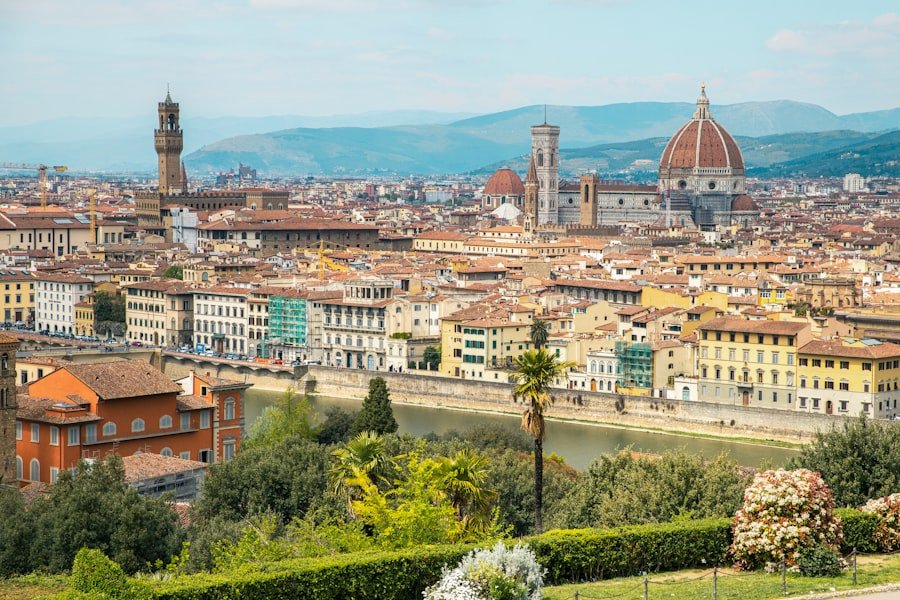
Spend your final evening in Oltrarno, the part of Florence south of the Arno. Santo Spirito and the surrounding streets have workshops, cafés, bars and restaurants, and the neighborhood makes a pleasant contrast with the museum-heavy historic core.
Tuscany is famous for wines including Chianti Classico and Brunello di Montalcino, and Florence has many enotecas where you can order wine by the glass alongside cheese or small plates. If you do not drink, the neighborhood is still worthwhile for dinner and an evening walk.
For food, choose a Tuscan dish that you did not try on Day 1. Pici is a thick hand-rolled pasta associated with Tuscany. You may also encounter pici served with a cacio-e-pepe-style sauce, although cacio e pepe itself is more closely associated with Roman cuisine. For a more distinctly Tuscan meal, look for ribollita, pappa al pomodoro, wild-boar ragù, peposo or seasonal local dishes.
Must-See Attractions in Florence
If this is your first visit, the Duomo complex, Uffizi Gallery, Accademia Gallery, Ponte Vecchio and Piazza della Signoria deserve the highest priority. Together they cover Florence’s architecture, painting, sculpture, civic history and urban landscape without requiring long journeys across the city.
Pitti Palace is another major attraction. It became the principal residence of the Medici rulers and now contains several museum collections. Because it sits beside Boboli Gardens, the two can be combined efficiently if you prefer palace interiors to another city-center museum.
The Basilica of Santa Croce is worth considering for its art, architecture and associations with important figures from Italian history. The Bargello is especially rewarding for sculpture lovers and can be used as a substitute for another attraction if you want to focus more deeply on Renaissance sculpture.
Do not assume you must visit every famous museum. With only two days, selecting four or five major ticketed attractions gives you more time to appreciate Florence’s streets, piazzas and food between reservations.
Hidden Gems in Florence
The Bardini Gardens are a quieter alternative or supplement to Boboli and offer elevated views across the city. Their appeal varies with the season, so they are particularly worthwhile when the weather is pleasant.
Museo di San Marco is another strong choice for travelers interested in Renaissance painting and religious history. The former Dominican convent contains an exceptional group of works by Fra Angelico and has a calmer atmosphere than Florence’s largest museums.
Santo Spirito and the wider Oltrarno district are also worth exploring without a checklist. Walk a few streets away from the busiest bridge approaches and you will find artisan workshops, neighborhood squares and a more residential side of central Florence.
Best Places to Eat in Florence
Florence has restaurants at every price level, so it is better to choose by location, opening hours and the kind of meal you want than to chase a single supposed “best” restaurant.
Trattoria Mario, near Mercato Centrale, is a long-running family trattoria associated with classic Tuscan dishes such as ribollita and bistecca alla Fiorentina. Its opening pattern can be more limited than a typical all-day tourist restaurant, so check the current schedule before building your day around it.
Trattoria 4 Leoni in Oltrarno works well if you want a sit-down Tuscan meal near Pitti Palace and Santo Spirito. Gelateria dei Neri is a convenient gelato stop closer to the Uffizi and Santa Croce side of the center.
Ditta Artigianale has multiple Florence locations and is a useful option for specialty coffee rather than the traditional stand-at-the-bar espresso experience.
For a very different budget and style, Enoteca Pinchiorri is a high-end fine-dining restaurant with three Michelin stars in the 2026 Michelin Guide. It requires substantially more time, planning and money than a trattoria, so it fits only travelers who want dinner itself to be a major part of the trip.
Tips for Navigating Florence
Walking is usually the easiest way to follow this two-day itinerary. The Duomo, Uffizi, Accademia, Ponte Vecchio, Palazzo Vecchio and San Lorenzo are all in or near the compact historic center. Comfortable walking shoes matter because you will encounter stone paving, uneven surfaces and plenty of time on your feet.
Public buses and trams are useful when your hotel is outside the center or when you want to reduce uphill walking. A bicycle can work for some travelers, but it is not necessary for this itinerary and can be less convenient in the busiest pedestrian areas.
If you arrive by car, do not simply drive toward your hotel without checking access rules. Much of central Florence is covered by a camera-controlled ZTL, or restricted-traffic zone. Ask your accommodation about legal access and parking before entering the historic center.
As in other busy tourist cities, keep phones, wallets and bags secure in crowded stations, markets, bridges and museum queues. There is no need to be alarmed; basic big-city awareness is enough.
Is the Firenze Card Worth It for Two Days?
The official Firenzecard currently provides 72 hours of admission to more than 60 participating museums. As of September 2026, its listed price is €85. However, it does not eliminate planning: reservations are still mandatory at major sites including the Uffizi, Accademia, Palazzo Vecchio and Arnolfo Tower.
Before buying it, compare the card price with the admission fees for the museums you will realistically visit. A traveler entering several paid museums may find it convenient, while someone focusing on outdoor attractions and only two major museums may spend less with individual tickets. Check the current official Firenzecard FAQ before purchasing.
Packing List for a 2-Day Trip to Florence
- Comfortable walking shoes: You will spend much of both days on foot.
- Light layers: Temperatures can change between morning, afternoon and evening.
- Weather protection: Bring a compact umbrella, light rain layer or sun protection depending on the forecast.
- Reusable water bottle: Useful during long walking days.
- Phone or camera: Keep enough battery for museum confirmations, maps and photos.
- Portable charger: Helpful when tickets and reservations are stored on your phone.
- Government-issued identification: Particularly important if you have a named Brunelleschi Dome ticket.
- Small day bag: Easier for museums than bulky luggage; remember that the Duomo complex has specific baggage restrictions.
- Modest clothing option: Churches may require shoulders and legs to be appropriately covered.
If you’re also interested in cooking content beyond this Florence itinerary, the site’s existing article about Asian melon covers that separate food topic. Asian melon is used in a variety of Asian dishes and desserts, but it is not a traditional Florence attraction or part of this two-day sightseeing plan.
Frequently Asked Questions
What is a good 2-day itinerary for Florence?
On Day 1, visit the Duomo complex in the morning, the Uffizi in the afternoon, then Ponte Vecchio and Piazzale Michelangelo. On Day 2, start at the Accademia, explore San Lorenzo, visit Palazzo Vecchio and Boboli Gardens, then have dinner in Oltrarno.
What are the must-see attractions in Florence for a 2-day visit?
For a first visit, prioritize the Duomo, Uffizi Gallery, Accademia Gallery, Piazza della Signoria, Ponte Vecchio and one Oltrarno attraction such as Boboli Gardens or Pitti Palace. Piazzale Michelangelo is also worthwhile for a panoramic city view.
How can I make the most of a 2-day visit to Florence?
Reserve the Dome, Uffizi and Accademia before traveling, group nearby attractions together and leave some unscheduled time between museums. Florence is compact enough that walking between central sights is usually faster and more enjoyable than repeatedly arranging transportation.
What are some tips for visiting Florence in 2 days?
Start early, wear comfortable shoes, reserve major museums, check official opening hours before your trip and avoid scheduling too many ticketed attractions back-to-back. Keep some flexibility for weather, meals and unexpected museum delays.
Is it possible to visit the Tuscan countryside from Florence in 2 days?
Yes, but a countryside day trip would use roughly half of your available Florence time. If Florence itself is your priority, keep both days in the city. If Tuscany is equally important, devote one day to Florence highlights and one day to a focused trip such as Chianti, Siena or San Gimignano rather than trying to combine several destinations.
Can I visit the Uffizi and Accademia on a Monday?
Normally, no. Both the Uffizi Gallery and Galleria dell’Accademia list Monday as their regular weekly closing day, although exceptional openings can occur. If one of your two Florence days is Monday, check the official calendars and rearrange the itinerary.
Do I need to reserve Brunelleschi’s Dome in advance?
Yes. A Brunelleschi Pass requires a specific Dome date and time, and the reservation cannot simply be treated as open entry. The Dome ticket is named, identification is required, and the climb has 463 stairs with no elevator.
Is the Firenze Card worth buying for a two-day Florence trip?
It depends on how many participating museums you plan to enter. Compare the current card price with your individual ticket total. Remember that several major attractions still require reservations even when you hold the card.
Sources
- Opera di Santa Maria del Fiore — Brunelleschi Pass — official Dome booking, stair, identification and access rules.
- Uffizi Galleries — official Uffizi opening and visitor information.
- Galleria dell’Accademia di Firenze — official hours, closure and reservation guidance.
- Firenzecard — official museum-pass and reservation rules.
- MUS.E — Palazzo Vecchio — official museum, tower and visitor information.
- FeelFlorence — San Lorenzo Market and Mercato Centrale — City of Florence tourism information for the market area.