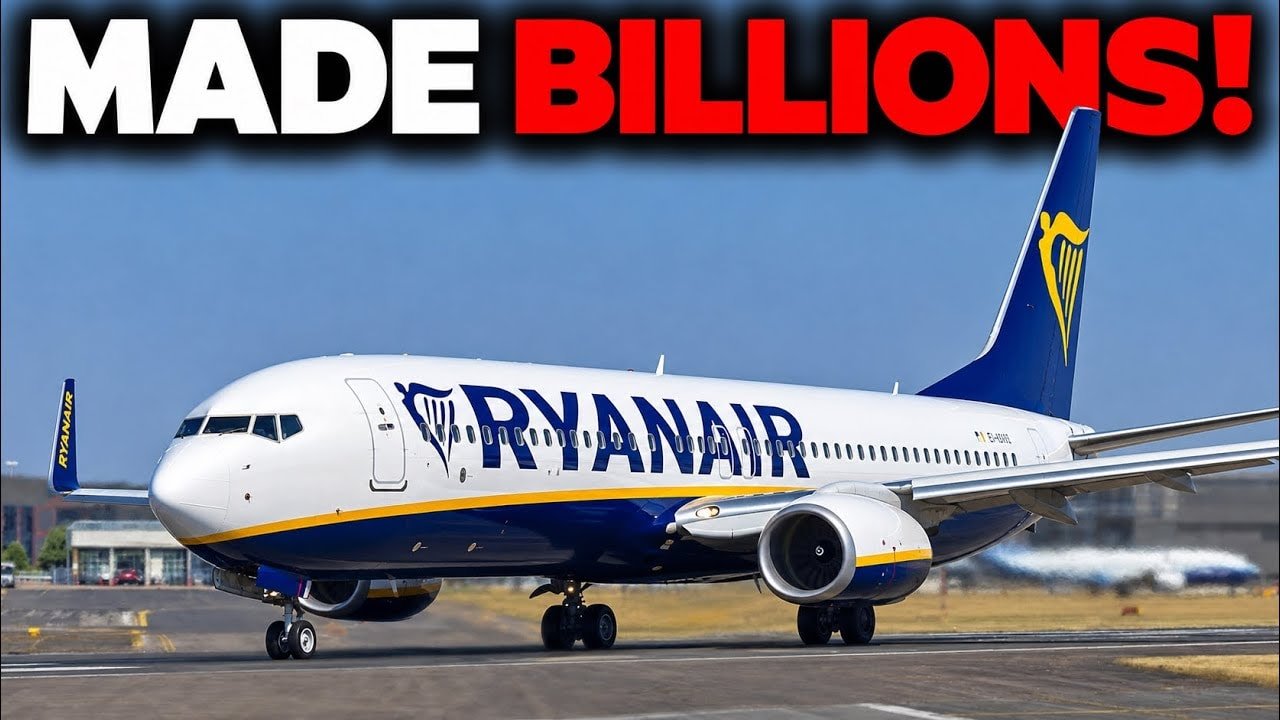
The Ryanair profit strategy relies on ruthless standardization: flying a single main aircraft family (the Boeing 737), targeting 25-minute turnarounds at lower-cost secondary airports, and generating roughly 30–32% of total revenue from unbundled ancillary fees. While legacy carriers juggle multiple widebody and narrowbody fleets alongside hub-and-spoke delays, Ryanair’s model turns high aircraft utilization and bulk Boeing discounts into industry-leading margins.
The Airline That Almost Collapsed in 1990
Founded in 1984, Ryanair began flying in 1985 with a single 15-seat Embraer Bandeirante turboprop between Waterford and London Gatwick. By 1990, the carrier had accumulated £20 million in losses and faced collapse. Leadership was overhauled, routes were slashed, and Michael O’Leary—who joined as an adviser in 1988 and became CEO in 1994—rebuilt the airline around ultra-low-cost discipline.
The Southwest Playbook, Pushed Further
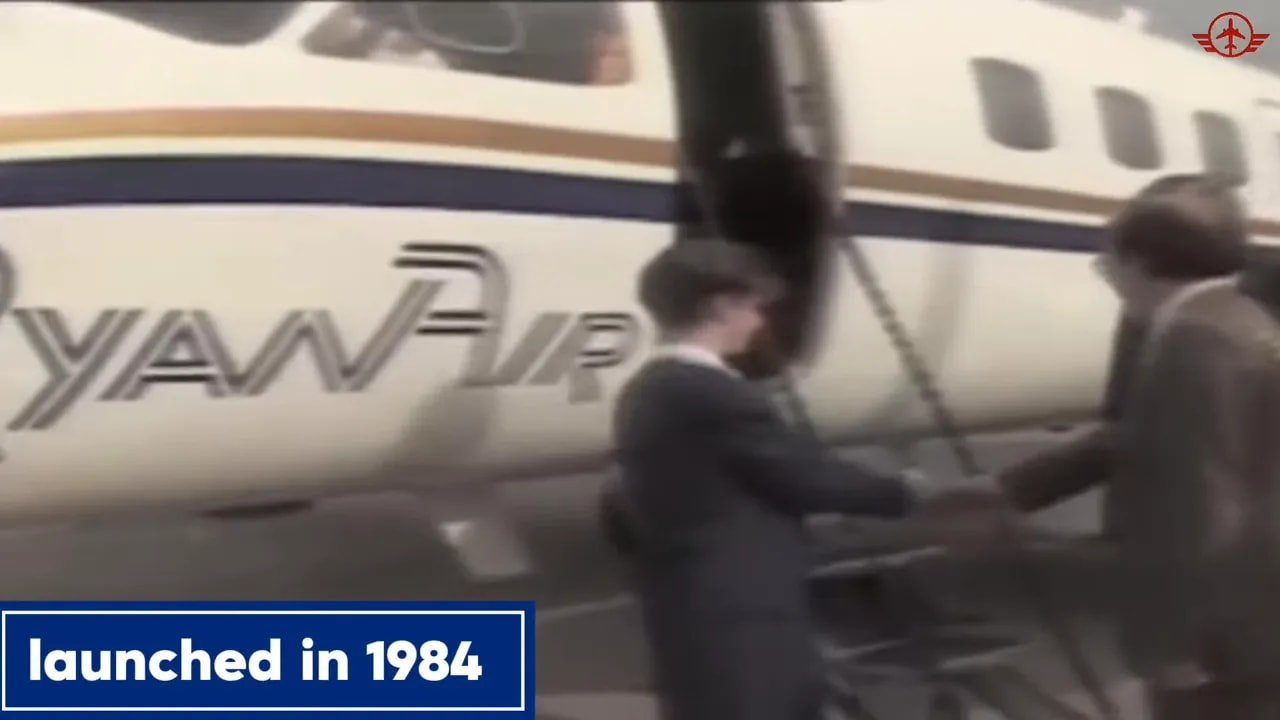
O’Leary studied Southwest Airlines in the United States and intensified every lever:
- Eliminate complimentary meals, lounges, and seat-back entertainment.
- Operate point-to-point routes instead of expensive connecting hubs.
- Standardize on one aircraft family to simplify training and maintenance.
- Price base fares aggressively to keep load factors high year-round.
How the Ryanair Profit Strategy Works: Core Levers
| Operational Lever | Ryanair Approach | Traditional Legacy Carrier | Financial Impact |
|---|---|---|---|
| Fleet Standardization | Boeing 737-800 & 737 MAX 8-200 | Mixed Airbus & Boeing families | Lower training, parts, and bulk-buy costs |
| Turnaround Target | ~25 minutes | 45–90 minutes | More daily flight cycles per aircraft |
| Airports | Secondary/regional airports | Congested primary hubs | Lower landing fees & faster taxi times |
| Ancillary Revenue | ~30–32% of total revenue | Often 10–18% | High-margin baggage, seat, and retail fees |
The One-Aircraft Rule and Boeing Leverage
Flying multiple aircraft families forces an airline to maintain separate pilot type ratings, spare parts pools, and maintenance tooling. Ryanair avoided that complexity by standardizing on the Boeing 737-800 and later adding the high-density 197-seat Boeing 737 MAX 8-200 (“Gamechanger”).
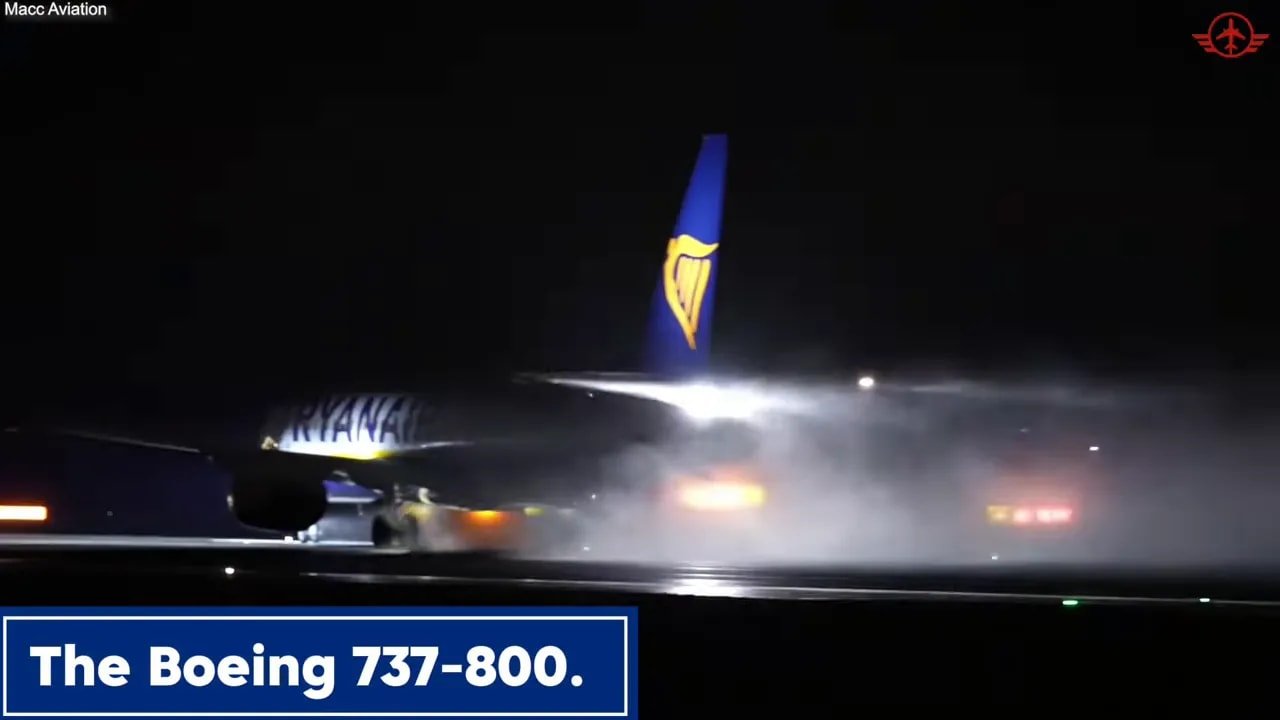
Ordering hundreds of identical jets gives Ryanair rare bargaining power. On December 3, 2020—as Boeing worked to rebuild MAX momentum—Ryanair ordered 75 additional 737 MAX 8-200s, lifting its firm order book to 210 aircraft (valued at over $22 billion at list prices, though industry reports noted steep bulk discounts). By contrast, smaller national carriers often face very different fleet economics and geopolitical pressures, as seen in Bangladesh’s 14-jet Boeing order and timing risks.
Secondary Airports, Unbundling, and 25-Minute Turnarounds
Regional airports often need Ryanair’s passenger volume more than Ryanair needs any single airport. By flying to bases like London Stansted or Paris Beauvais instead of Heathrow or Charles de Gaulle, Ryanair negotiates lower airport charges, avoids congested taxiways, and targets ~25-minute turnarounds.
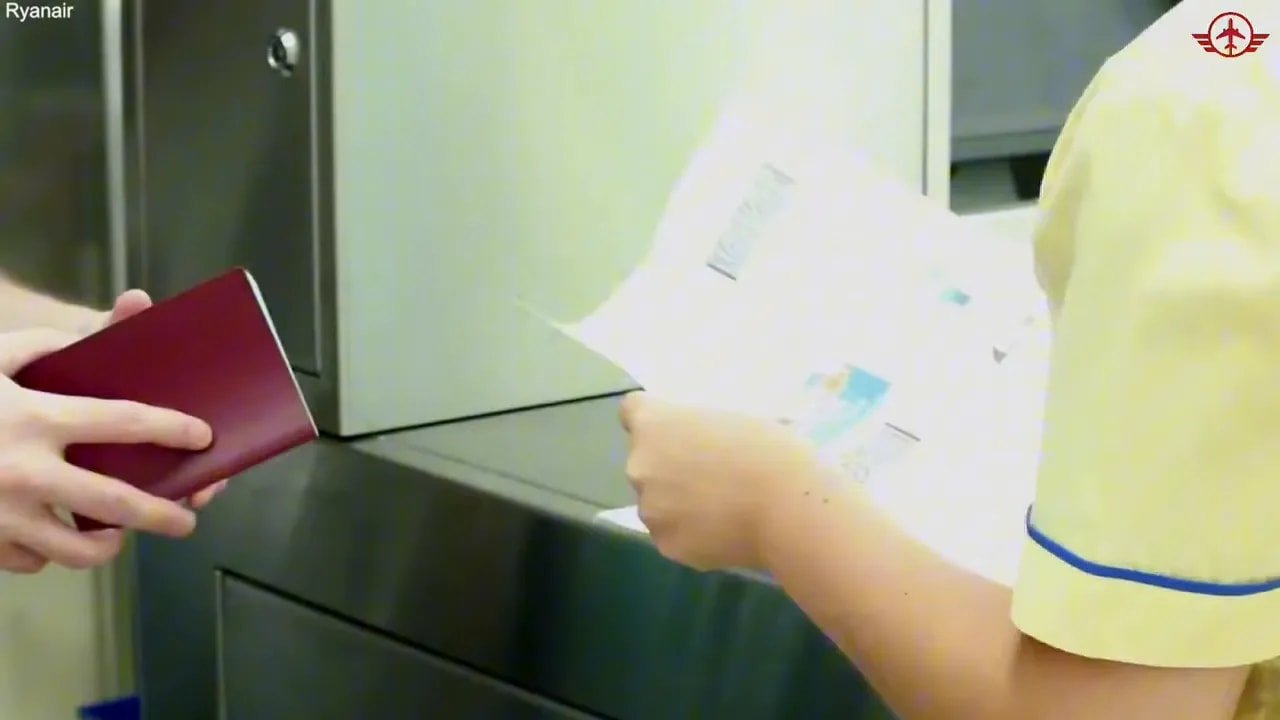
Meanwhile, unbundling separates price-sensitive solo travelers from passengers willing to pay for cabin bags, assigned seats, priority boarding, or travel add-ons. In recent fiscal years (such as FY24’s €4.30 billion out of €13.44 billion and FY26’s €4.99 billion out of €15.54 billion), ancillary sales accounted for roughly 32% of Ryanair’s total revenue.
Fuel Hedging, Public Controversy, and Trade-Offs
- Fuel Hedging: Locking in future fuel prices smooths cost planning, though falling oil prices (as in 2014–2015) can temporarily leave hedged carriers paying above spot rates, while unhedged exposure during spikes hurts margins.
- Free Publicity: Michael O’Leary’s provocative comments—from joking about standing-room sections to charging for lavatories—kept Ryanair in headlines without massive ad budgets.
- Limitations & Risks: Heavy reliance on Boeing exposes Ryanair to manufacturer delivery delays, while strict fee enforcement and airport-aid disputes have drawn regulatory fines and customer backlash.
Frequently Asked Questions
Why is Ryanair more profitable than many traditional airlines?
Ryanair pairs a standardized Boeing 737 fleet, lower-fee secondary airports, and ~25-minute turnarounds with high-margin ancillary revenue that accounts for roughly 30–32% of total sales.
When did Ryanair order 75 additional Boeing 737 MAX 8-200 aircraft?
Ryanair signed the firm agreement for 75 additional 737 MAX 8-200 jets on December 3, 2020, expanding its total firm order for the variant to 210 aircraft.
How does using one aircraft type save Ryanair money?
Operating a single aircraft family reduces pilot training costs, streamlines spare parts inventory, speeds up maintenance, and gives Ryanair massive bulk-purchasing leverage with Boeing.
What are the alternatives to Ryanair’s ultra-low-cost model?
Competitors like easyJet and Wizz Air operate Airbus A320-family fleets with varying mixes of primary airports and bundled fare tiers, while legacy carriers rely on hub-and-spoke networks and business-class cabins.