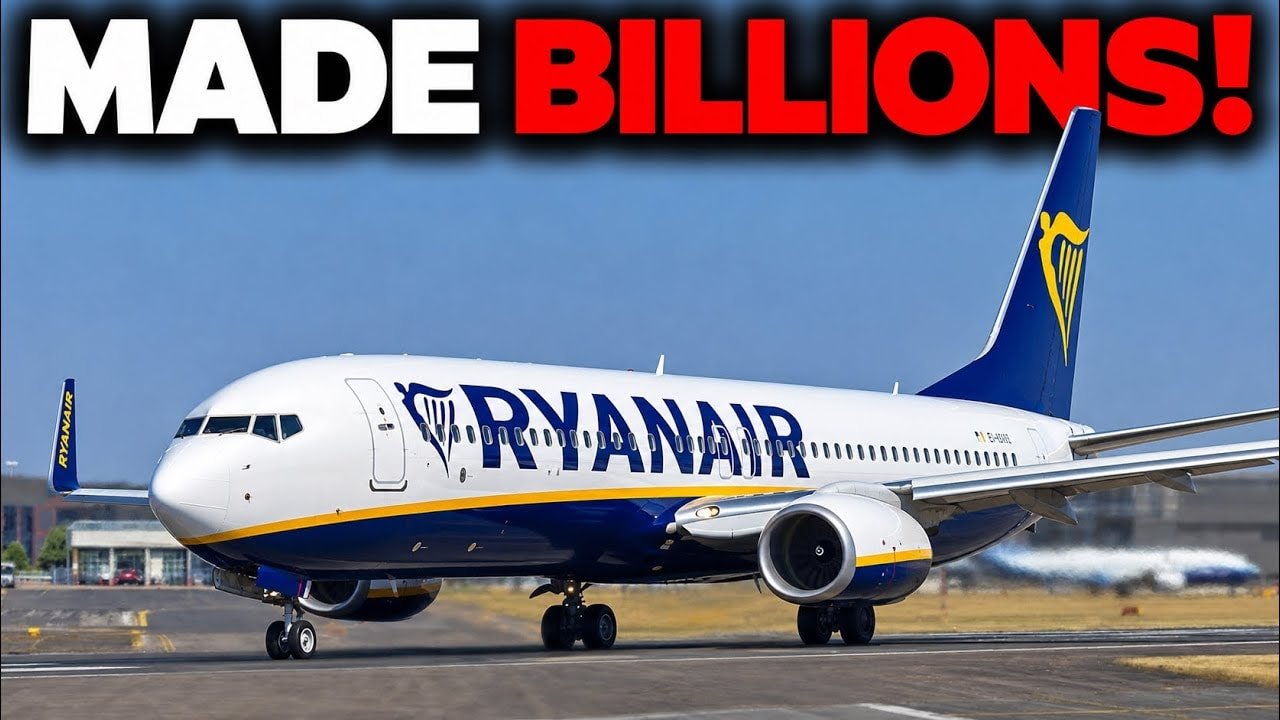
Ryanair has built a reputation that almost sounds like a joke gone too far. Pay to choose a seat. Pay for a proper cabin bag. Pay if you show up unprepared. At one point, even printing a boarding pass at the airport could cost a small fortune.
And yet, while famous legacy airlines wrestle with losses, shrinking margins, route cuts, and political rescue packages, Ryanair keeps doing something that looks almost absurd from the outside. It makes serious money.
If you think the explanation is simply cheap tickets, that is only scratching the surface. Ryanair is not just a low fare airline. It is a tightly engineered profit machine, designed around one obsession: cutting complexity, cutting waste, and monetizing everything else.
🛫 The airline that almost did not make it
Ryanair did not begin as a giant. In 1984, it was a tiny Irish carrier operating a single 15-seat turboprop between Waterford and London Gatwick.
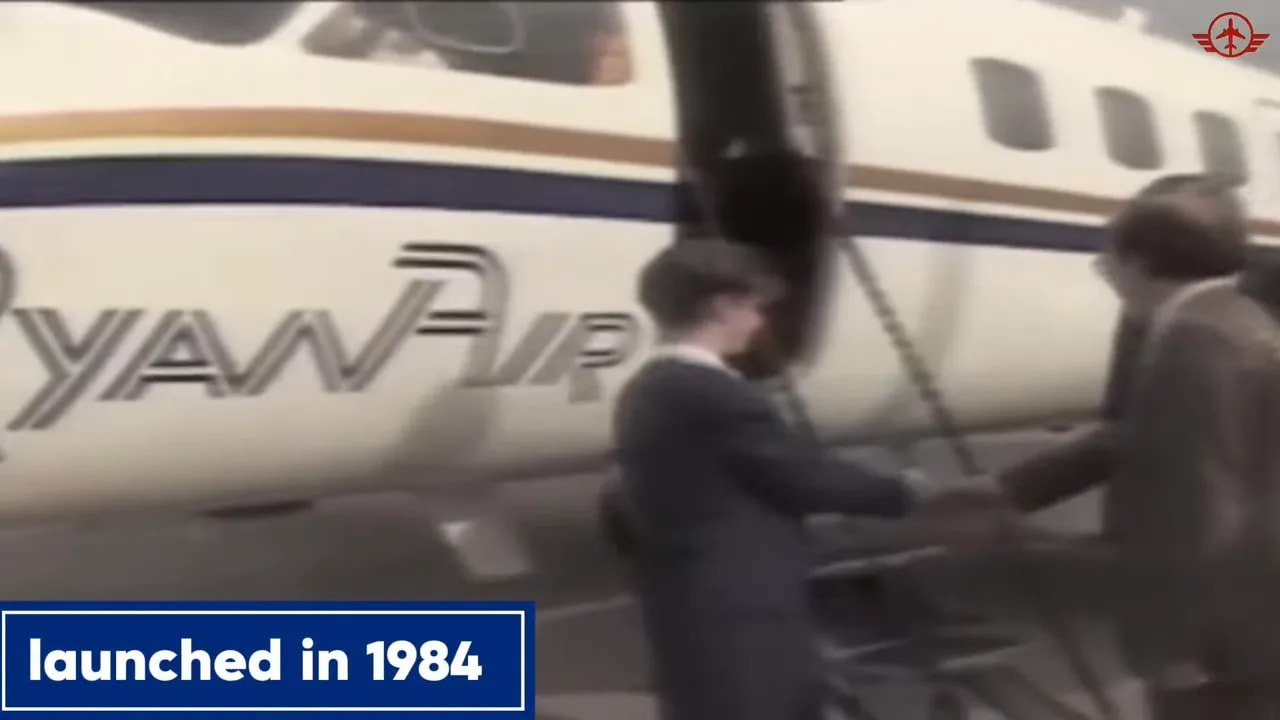
It was small, scrappy, and for years, financially miserable. By 1990, the business had burned through so much cash that the founding Ryan family had lost more than £20 million. The company was dangerously close to collapse.
That crisis forced a brutal reset. Leadership was largely swept out, the route network was cut back hard, and control passed to Michael O’Leary.
That decision changed everything.
📚 The Southwest playbook, pushed to the extreme
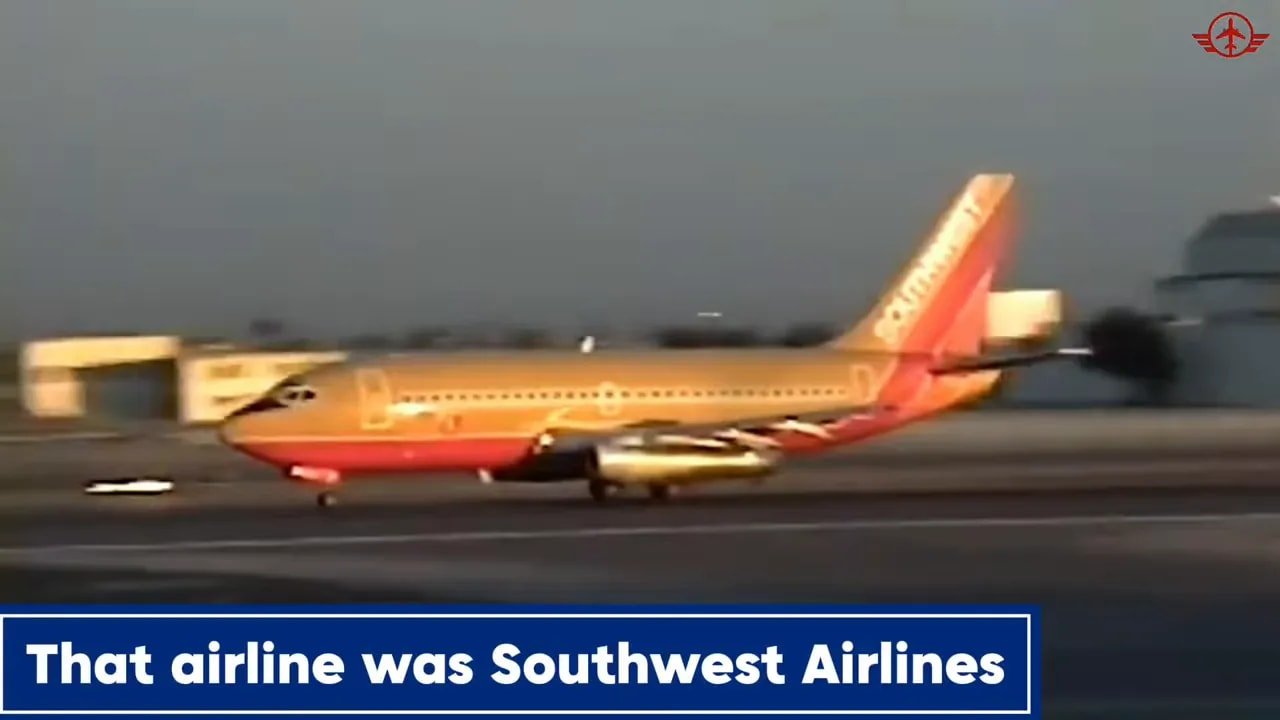
O’Leary did not invent the low cost airline model from scratch. He studied Southwest Airlines in the United States, the pioneer that rewrote the economics of air travel in the 1970s.
The lessons were clear:
- Strip out unnecessary frills
- Fly point to point instead of feeding giant hub systems
- Use one aircraft type
- Price aggressively enough to fill seats
But Ryanair did not just copy that model. It intensified it. Where Southwest was disciplined, Ryanair became relentless. Where others tried to balance comfort, brand, and operational efficiency, Ryanair went all in on efficiency.
That difference matters. Ryanair is not profitable because it found one clever trick. It is profitable because dozens of choices all point in the same direction.
✈️ The one-aircraft rule that saves billions
Most major airlines are operationally messy. They fly multiple aircraft families, multiple engine variants, and multiple cabin layouts. That sounds manageable until you realize what it creates behind the scenes.
Each aircraft type means different pilot qualifications, spare parts, tools, maintenance procedures, manuals, and simulator programs. Every added variant multiplies cost and complexity.
Ryanair looked at that and rejected it.
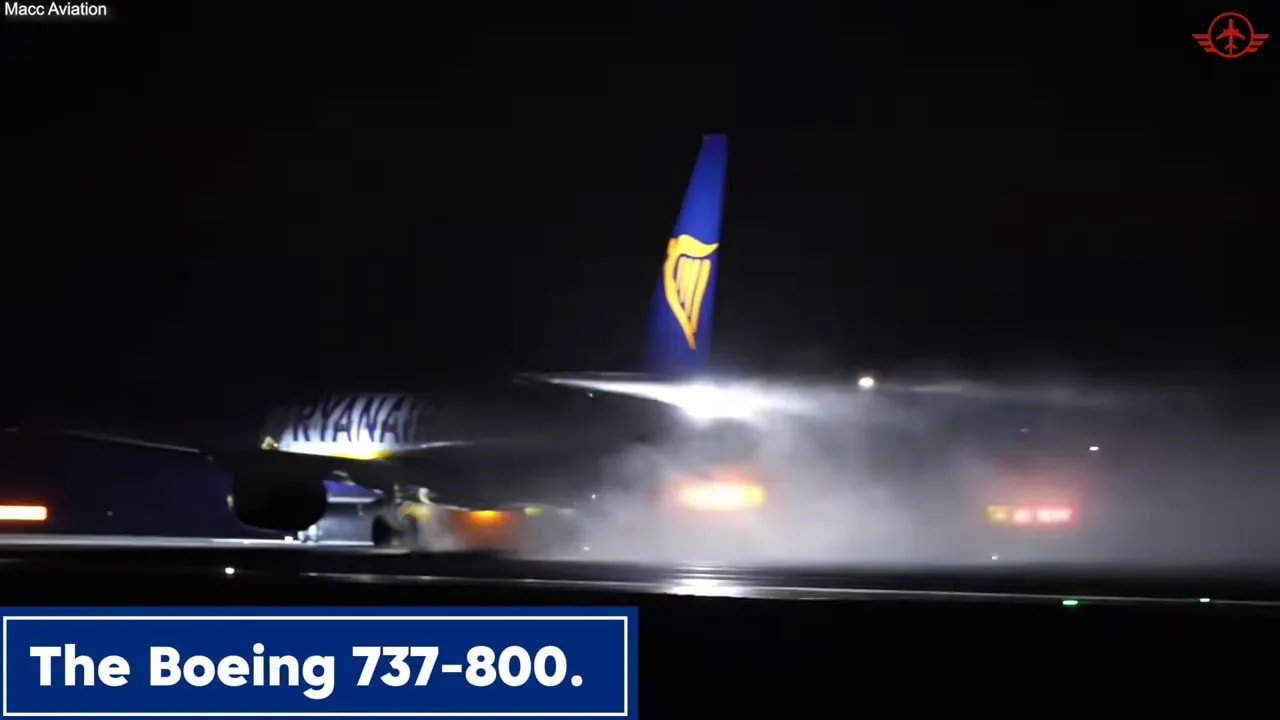
For years, the backbone of the fleet has been one aircraft family: the Boeing 737-800, later joined by the high-density 737 MAX 8-200 configured to fit Ryanair’s needs.
That single decision creates advantages almost everywhere:
- Training is simpler. Pilots and engineers operate within one system.
- Maintenance is cheaper. The same knowledge base and parts pool works across the network.
- Staffing is more flexible. A pilot in one base can cover another without retraining onto a different aircraft family.
- Repairs move faster. The required parts are standardized across the fleet.
- Procurement becomes powerful. Buying hundreds of the same aircraft gives Ryanair leverage that most airlines can only dream about.
That last point is especially important. When Ryanair negotiates with Boeing, it does not walk in as a casual buyer. It walks in as one of Boeing’s biggest customers. Bulk orders in the hundreds give Ryanair room to demand extraordinary discounts, often far below headline list prices.
In 2021, when Boeing was desperate to move MAX aircraft after the grounding crisis, Ryanair secured 75 additional 737 MAX 8-200 jets on terms so attractive that industry analysts were stunned. The airplane itself was tailored around Ryanair’s priorities, especially extra seats and better fuel efficiency.
One fleet. One training ecosystem. One maintenance universe. It sounds almost boring, but in aviation, boring is often where the money is.
🏢 The airport strategy nobody likes talking about
One of the strangest truths in aviation is that some airports need airlines far more than airlines need airports.
Ryanair has built an empire on that imbalance.
Instead of prioritizing the most prestigious hubs, it often targets smaller secondary airports. Think London Stansted instead of Heathrow, or Beauvais instead of central Paris gateways. These airports are usually cheaper, less congested, and more eager to make deals.
From the airport’s perspective, Ryanair brings traffic. A flood of passengers means parking revenue, retail spending, food sales, tourism activity, and local jobs. If a regional airport can secure tens or hundreds of thousands of extra passengers a year, that changes its economics.
So the negotiations can become surprisingly favorable to Ryanair. Airports may offer:
- Reduced landing fees
- Marketing support
- Passenger-based incentive payments
- Commercial terms close to break-even just to win the route
Ryanair is especially good at creating competition between airports in the same region. The message is simple: we are coming somewhere nearby, but you need to win the business.
That leverage has triggered political and regulatory controversy, including scrutiny from European authorities over whether some arrangements crossed into improper state aid. Even so, the underlying power dynamic remains. Regional airports still often need Ryanair more than Ryanair needs any individual airport.
And by avoiding congested major hubs, Ryanair gets another advantage: speed. Less congestion means shorter taxi times, easier gate access, and faster turnarounds.
💸 The fee machine and the genius of unbundling
Ryanair’s most visible trick is also the one that irritates people the most: unbundling.
The idea is simple. Instead of selling air travel as one all-inclusive package, sell the bare minimum and charge separately for everything else.
That means the base fare may cover little more than the legal core product, transporting you from one city to another. After that, the menu begins:
- Checked baggage
- Larger cabin baggage
- Seat selection
- Priority boarding
- Airport check-in help
- Booking changes and extra services
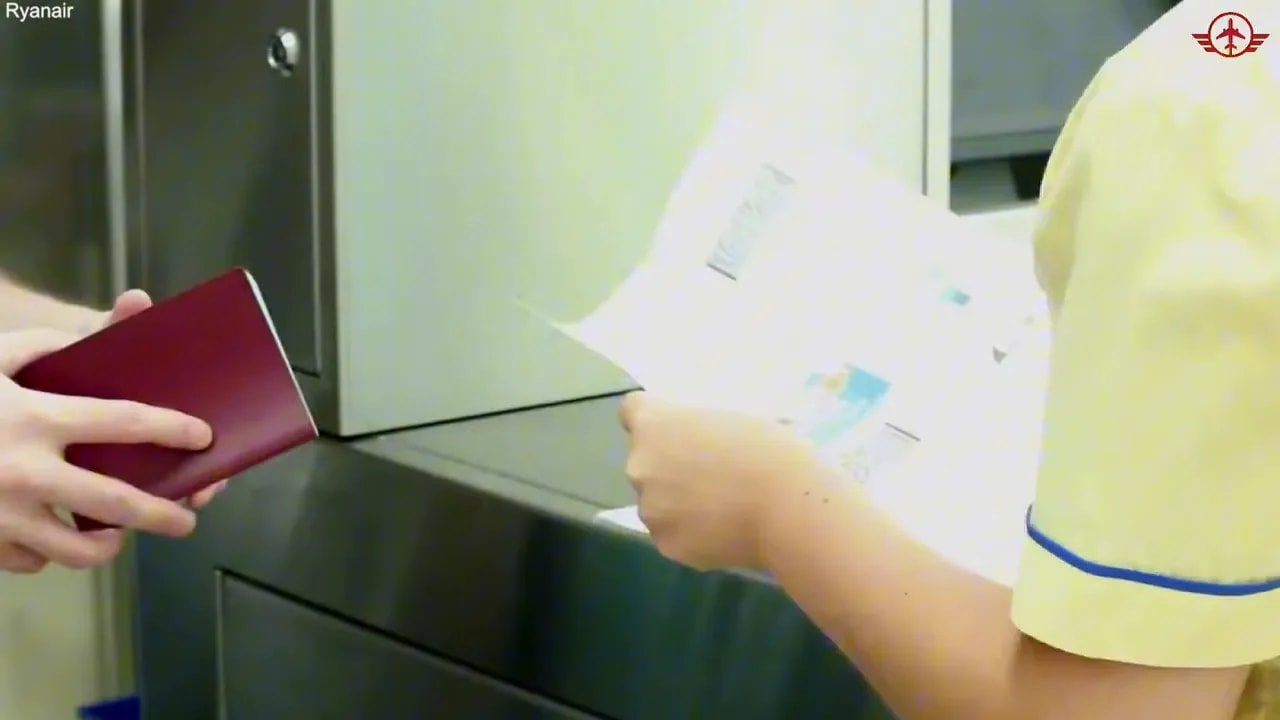
This is where many people get the model wrong. The fees are not random. They are a pricing system that separates low-need travelers from high-need travelers.
A solo passenger carrying one small backpack and checking in online can fly for very little. A family traveling with large bags, assigned seats, and extra flexibility will pay much more.
That structure lets Ryanair do two things at once:
- Advertise extremely low entry prices
- Pull more revenue from customers who value convenience
That is why the model works. The cheapest fare draws demand. The extras lift profitability.
And it goes further than baggage and seats. Ryanair also makes money from travel insurance, hotel bookings, car rentals, and other services sold through its website and app. In some years, these ancillary revenues have made up close to a third of total revenue.
So in a sense, Ryanair is not just an airline. It is also a travel retail platform attached to an airline.
⏱️ The 25-minute turnaround that squeezes every plane harder
Aircraft are brutally expensive assets. A plane on the ground is not earning. A plane in the air is.
That is why Ryanair is obsessed with turnaround time, the gap between landing and taking off again.
Traditional airlines often take anywhere from 45 to 90 minutes to turn an aircraft. Ryanair aims for around 25 minutes, sometimes less.
That speed is not luck. It is built into the entire operating model.
Point-to-point flying
Ryanair does not rely on complex connecting networks. It mostly sells direct journeys. That means there is no waiting around for transfer passengers and no need to coordinate giant hub banks.
No traditional meal logistics
There is no elaborate catering operation with meal carts and preloaded trays. Food is sold on board. That cuts time, vehicles, handling, and coordination on the ground.
Simplified cabin and ground processes
With one fleet type and a stripped-back service model, staff know exactly what they are dealing with. That predictability speeds up almost everything.
The reward is huge. If another airline gets 9 or 10 flight segments from an aircraft in a day, and Ryanair gets 11 or 12, that extra utilization creates more revenue without buying another plane.
Across a fleet of hundreds of aircraft, even one extra daily cycle becomes a massive profit engine.
⛽ Fuel strategy and the value of predictability
Fuel is one of the biggest costs in aviation, and it can destroy an airline’s margins in a hurry. Oil prices swing for reasons far outside any airline’s control, from geopolitics to supply shocks to shifts in demand.
Ryanair has long used fuel hedging to reduce that volatility. In plain English, that means locking in future fuel prices through financial contracts.
If market prices later rise, hedging can save a fortune. If prices fall, the airline may end up paying more than the market rate.
Ryanair has not been perfect here. When oil prices fell sharply in 2014 and 2015, some of its hedged positions limited the upside from cheaper fuel. But over the long run, the strategy helped create something airlines value dearly: cost visibility.
Predictability matters because it lets an airline plan routes, fares, and capacity with more confidence. In a business as volatile as aviation, that alone can be a competitive edge.
🧠 Michael O’Leary turned controversy into free marketing
You cannot explain Ryanair without explaining Michael O’Leary.
He has spent decades saying the kind of things airline executives are normally trained never to say. He has floated ideas like charging for lavatory use. He has joked about standing-room sections. He has publicly mocked customers for not reading the rules. He has staged publicity stunts so bizarre they were impossible to ignore.
That was not random showmanship. It was strategy.
Every outrageous remark generated headlines. Every headline kept Ryanair in the public conversation. Every debate, even critical debate, reminded people of one central fact: Ryanair existed, and it was cheap.
In an industry where advertising budgets can be enormous, free publicity is gold. O’Leary understood that controversy could function like marketing, especially for a brand that was never trying to be elegant or beloved in the traditional sense.
He became part of the product. Not the comfortable part, obviously. The memorable part.
🌍 Why the model spread beyond aviation economics
For all the complaints, trade-offs, and rough edges, Ryanair changed European travel.
Its fares opened flying to people who once could not realistically afford it. Students could study abroad and still get home cheaply. Families could take short breaks they would never have considered under older fare structures. Workers could commute across borders for opportunities that would have been financially out of reach before.
That does not erase the frustrations. It does explain why the airline keeps winning customers anyway.
Ryanair did not build a luxury experience. It built access, at scale, using a model most traditional airlines either could not copy or would not dare copy fully.
🔧 The real lesson behind Ryanair’s success
Ryanair cracked a very specific code in commercial aviation.
It did not try to be everything to everyone. It stripped the business to its economic core and then optimized that core with almost ruthless consistency.
The formula looks like this:
- One standardized fleet
- Hard bargaining with manufacturers
- Secondary airports and favorable airport economics
- Aggressive ancillary revenue
- Fast aircraft utilization
- Fuel cost management
- Controversy-driven free publicity
Each piece matters. Together, they create a system that is hard to challenge because the efficiency is not sitting in one department. It is everywhere.
That is why Ryanair keeps making money while so many other airlines struggle. It is not luck. It is design.
❓ FAQ
Why is Ryanair more profitable than many traditional airlines?
Because its entire business model is built around lower costs and higher add-on revenue. It uses one main aircraft type, prefers cheaper regional airports, turns planes around quickly, and charges separately for extras that legacy carriers once bundled into the fare.
Does Ryanair really make a lot of money from fees?
Yes. Baggage, seat selection, priority boarding, airport services, travel insurance, hotel referrals, and car rentals all contribute meaningfully. In some years, ancillary revenue has made up nearly a third of total revenue.
Why does Ryanair use secondary airports?
Secondary airports are often cheaper, less congested, and more willing to offer favorable commercial deals. That lowers airport costs and helps Ryanair keep aircraft moving faster.
How does using one aircraft type help Ryanair?
It simplifies pilot training, maintenance, spare parts inventory, engineering procedures, and staffing flexibility. It also gives Ryanair bargaining power when ordering aircraft in huge quantities.
What is Ryanair’s 25-minute turnaround and why does it matter?
It is the target time between one flight landing and the same aircraft taking off again. Faster turnarounds mean more daily flights per plane, which increases revenue without requiring more aircraft.
Is Michael O’Leary’s controversial style part of Ryanair’s strategy?
Very much so. His provocative remarks and publicity stunts generated enormous media coverage over the years, effectively giving Ryanair free advertising while keeping the brand constantly in public conversation.