Rome can be surprisingly rewarding on a small budget. Many of its great squares, churches, viewpoints, neighborhoods, parks, fountains, and historic streets cost nothing to explore. However, several famous attractions that were once free—or are often described that way online—now charge admission, so knowing the difference can save you money and prevent surprises.
Quick Answer
Some of the best free things to do in Rome include entering St. Peter’s Basilica, walking through Villa Borghese, exploring Trastevere, visiting Piazza Navona and the Spanish Steps, enjoying hilltop viewpoints, walking beside the Tiber, and visiting selected free museums. Major archaeological sites and museums may also be free on designated days.
Key Takeaways
- Rome’s historic squares, many churches, neighborhoods, parks, river walks, and outdoor viewpoints can be enjoyed without an admission ticket.
- St. Peter’s Basilica is free to enter, although the Dome and optional booked services cost extra.
- The Pantheon, Colosseum, Roman Forum, Palatine Hill, Galleria Borghese, Castel Sant’Angelo, and Tivoli’s major villas are normally ticketed attractions.
- Since February 2, 2026, tourists and non-residents generally pay €2 to enter the controlled inner perimeter closest to the Trevi Fountain.
- Many state and Rome civic museums offer free admission on the first Sunday of the month, subject to each site’s rules and capacity.
Note: Admission prices and visiting rules can change. The details below reflect official information available in September 2026, but check the attraction’s official website before your visit.
See the Colosseum and Roman Forum Without Paying
The Colosseum remains one of the defining symbols of ancient Rome. Construction began under Emperor Vespasian in the first century AD, and the amphitheater was inaugurated under Titus in AD 80. More than 50,000 spectators could gather for gladiatorial contests, animal hunts, executions, and other spectacles.
You do not need a ticket simply to admire the Colosseum’s monumental exterior. Walking around Piazza del Colosseo gives you several close views of its arches and surviving stonework, while nearby public streets provide additional angles for photographs.
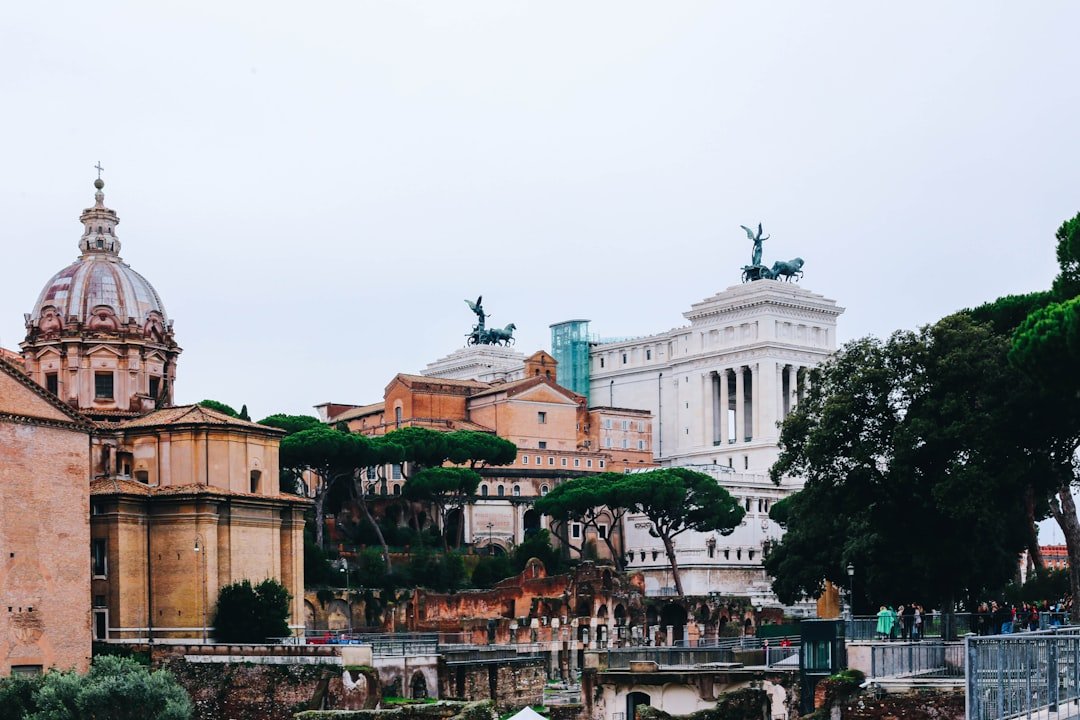
The Roman Forum beside it was once the center of Roman political, religious, commercial, and civic life. Its temples, basilicas, arches, and public spaces developed over many centuries. From public streets and viewpoints around the archaeological zone, you can see parts of the Forum without entering the ticketed site.
Entry to the Colosseum, Roman Forum, and Palatine Hill is not normally free. The standard combined ticket is listed by the Parco archeologico del Colosseo, while the park also publishes designated free-entry dates, including the first Sunday of the month.
Pro Tip: If your Rome dates are flexible, check whether a national free-admission day falls during your stay. Capacity controls and special entry procedures can still apply even when admission is free.
Visit the Pantheon and Trevi Fountain
The Pantheon’s History and Architecture
Agrippa built an earlier Pantheon in the first century BC, but the building visitors see today largely dates from the reign of Emperor Hadrian in the second century AD. Its most famous feature is the enormous concrete dome, crowned by a circular opening called the oculus.
The Pantheon is no longer a normally free tourist attraction. From July 1, 2026, standard admission is €7, with reductions and exemptions for eligible visitors. Rome residents, visitors under 18, and visitors entering on the first Sunday of the month are among the categories covered by current free-admission rules. Check the official Pantheon visitor information before going.
A Celestial Ambiance
The oculus allows daylight to move across the interior during the day, highlighting the building’s harmonious proportions, marble decoration, chapels, and tombs. Raphael is among the notable figures buried inside.
The Pantheon is also the Basilica of Santa Maria ad Martyres, so visitors should dress and behave appropriately for a place of worship. Religious services can affect tourist visiting arrangements.
The Trevi Fountain: A Baroque Masterpiece
A short walk from the Pantheon brings you to the Trevi Fountain, one of Rome’s best-known Baroque monuments. Nicola Salvi designed the fountain, which was completed in the 18th century. Its dramatic central composition features Oceanus and sea-related figures framed by the façade of Palazzo Poli.
You can still experience Piazza di Trevi and see the fountain without buying a museum-style admission ticket. However, since February 2, 2026, tourists and non-residents generally pay €2 to enter the controlled inner perimeter closest to the fountain. Roma Capitale publishes the current rules on its official Trevi Fountain information page.
The traditional coin toss remains part of the Trevi experience. If you want to spend nothing, enjoy the fountain from the public viewing area rather than entering the paid inner zone.
Visit St. Peter’s Basilica for Free and Know What Costs Extra
Vatican City contains some of the most important religious and artistic sites in the world. For budget travelers, the key distinction is between St. Peter’s Basilica and the Vatican Museums.
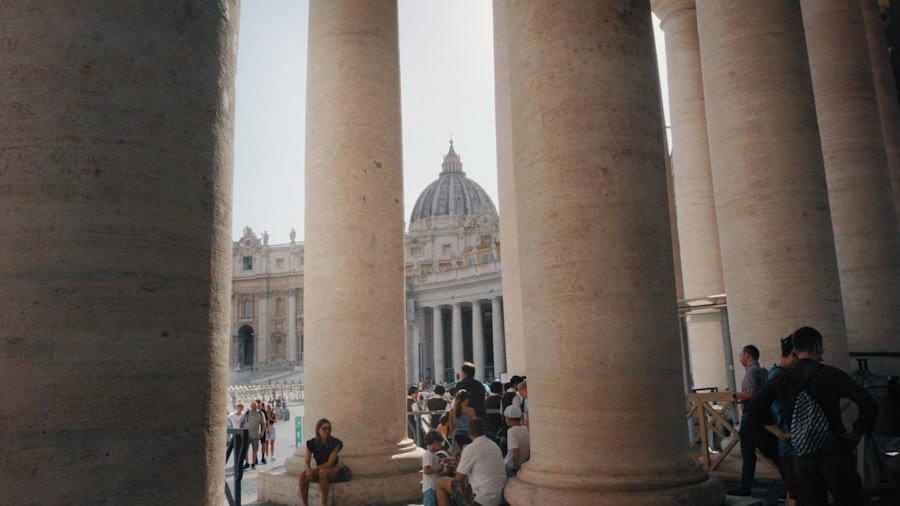
Ordinary entrance to St. Peter’s Basilica is free. Visitors still pass through security, and queues can become long. The Basilica’s grand interior contains major works including Michelangelo’s Pietà, monumental papal tombs, mosaics, altars, and Bernini’s famous baldachin. The official Basilica website confirms that ordinary entrance is free, while climbing the Dome requires a separate ticket.
For current access information, see the official St. Peter’s Basilica FAQ.
The Vatican Museums are different. They house enormous papal collections and include access to the Sistine Chapel, where visitors can see Michelangelo’s ceiling frescoes and The Last Judgment. Standard museum admission is paid. The Vatican Museums currently offer free entry on qualifying last Sundays of the month during reduced Sunday opening hours. Check the official Vatican Museums ticket page for current arrangements.
For a zero-admission-cost Vatican experience, focus on St. Peter’s Square and St. Peter’s Basilica rather than the Vatican Museums.
Take a Stroll in the Villa Borghese Gardens
Villa Borghese is one of the best places in central Rome for a free break from crowded streets. The large landscaped park covers roughly 80 hectares and includes tree-lined paths, fountains, gardens, statues, terraces, and open spaces where you can walk or relax without buying an admission ticket.
The estate developed around the villa created for Cardinal Scipione Borghese in the early 17th century. Today, the public park is a useful destination for walking, jogging, picnicking, people-watching, and enjoying views around the Pincian area.
Some activities inside the park cost money. Boat rental, certain attractions, and admission to individual museums are separate from the free gardens.
At the heart of the park stands the Galleria Borghese, home to major works by Bernini, Caravaggio, Raphael, Canova, and other artists. The gallery itself normally requires a ticket and reservation, so do not confuse the free public gardens with free museum admission.
Enjoy Piazza Navona and the Spanish Steps for Free
| Piazza Navona | Free to enter and walk around |
| Main sights | Fountain of the Four Rivers, Sant’Agnese in Agone façade, street life and Baroque architecture |
| Spanish Steps | Free to visit and climb |
| Best free experience | Walk between Piazza Navona, the Pantheon area, Trevi district and Piazza di Spagna |
Piazza Navona is one of Rome’s most recognizable public squares. It occupies the site of the ancient Stadium of Domitian and is surrounded by Baroque architecture. Three fountains decorate the piazza, with Bernini’s Fountain of the Four Rivers as the centerpiece.
You can walk through Piazza Navona, admire its fountains, photograph the architecture, and watch the activity in the square without paying admission. Cafés, restaurants, souvenirs, and street entertainment are optional expenses.
The Spanish Steps are another free landmark. The monumental staircase links Piazza di Spagna with the area around Trinità dei Monti. Climb toward the top for changing views over rooftops and the surrounding streets.
Because these sites are close to several other central landmarks, they work particularly well as part of a self-guided walking route.
Browse Campo de’ Fiori for Free
Fresh Produce and Local Delicacies
Campo de’ Fiori is a historic square and market area where you can browse stalls and absorb the atmosphere without paying admission. Market offerings can include fruit, vegetables, spices, flowers, and food-oriented souvenirs, although the exact mix varies.
Looking is free; anything you eat, drink, or buy is naturally an optional expense.
A Focal Point for Food Lovers
The square has played a role in Roman public life for centuries. By evening, the area shifts from daytime market activity toward restaurants and nightlife.
If you want to sample Roman food, nearby restaurants commonly serve dishes such as carbonara, amatriciana, and cacio e pepe. These meals are not part of a free Rome itinerary, but simply walking through the square remains free.
An Unforgettable Gastronomic Adventure
Campo de’ Fiori works best in a budget itinerary when you treat it as a neighborhood experience rather than a required dining stop. Browse the market, inspect the surrounding streets, and continue toward Piazza Navona or the Jewish Ghetto without spending anything.
See Palatine Hill from Free Viewpoints or Visit on a Free-Entry Day
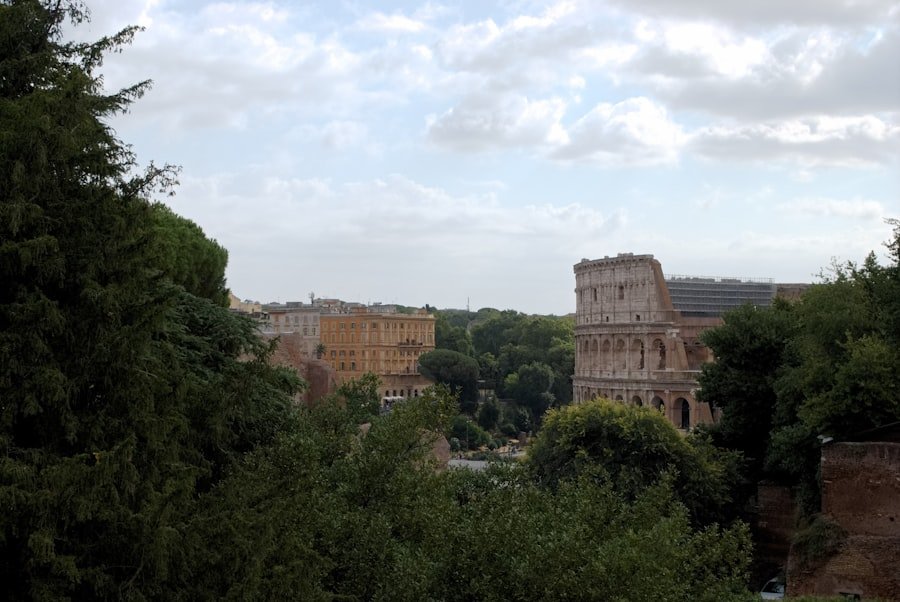
Palatine Hill is one of Rome’s seven hills and one of the most important archaeological areas in the city. Roman tradition connects the hill with the story of Romulus and the founding of Rome, while archaeological remains include imperial residences associated with emperors such as Augustus and Tiberius.
Entering the archaeological area normally requires a ticket that covers the Colosseum, Roman Forum, and Palatine complex. It should therefore not be described as an everyday free attraction.
Budget travelers can still see parts of the hill and surrounding archaeology from public roads and viewpoints outside the controlled archaeological zone. Another option is to plan your visit for one of the official free-entry days published by the archaeological park.
Inside the ticketed area, elevated points offer impressive views over the Roman Forum and the city. If you decide to pay for one major archaeological attraction in Rome, the combined Forum-Palatine-Colosseum ticket covers considerably more than Palatine Hill alone.
Experience the Vibrant Atmosphere of Trastevere
Trastevere is one of the easiest Rome experiences to enjoy without spending anything. Narrow streets, old buildings, small squares, churches, ivy-covered façades, and neighborhood life provide plenty to see on foot.
Walk through the lanes around Piazza di Santa Maria in Trastevere, explore quieter side streets, and cross the Tiber on foot. The neighborhood becomes livelier in the evening as restaurants and bars fill up, but eating and drinking are optional.
Trastevere’s appeal is less about checking off a single monument and more about exploring slowly. That makes it especially useful for travelers building a free or low-cost Rome itinerary.
Admire Galleria Borghese Art on a Free-Entry Day
The Galleria Borghese is one of Rome’s premier art museums. Its collection includes works by Bernini, Caravaggio, Raphael, Canova, Titian, and other major artists. Bernini’s sculptures are particularly celebrated for their sense of movement and extraordinary treatment of marble.
Unlike the surrounding Villa Borghese park, the gallery is not normally free. Admission is controlled through timed entry, and advance booking is generally required. Always verify the latest booking arrangements through the official Galleria Borghese website.
As a state museum, the gallery can participate in Italy’s designated free museum days, including the first Sunday of the month. Availability and reservation rules still matter, so a free-admission day does not guarantee walk-up entry.
If tickets are unavailable or you want a completely free activity, enjoy Villa Borghese itself and the Pincian viewpoints instead.
Take a Day Trip to Tivoli and Choose Free or Paid Sights
Tivoli lies about 30 kilometers east of Rome and can provide a change of pace from the historic center. Exploring the town’s streets and public spaces is free, but transportation from Rome and admission to its most famous villas are separate costs.
Villa d’Este is known for its Renaissance gardens, terraces, and elaborate fountains. Hadrian’s Villa, or Villa Adriana, is a vast archaeological complex created for Emperor Hadrian in the second century AD. Both are normally ticketed attractions.
Italy’s Ministry of Culture schedules designated free-entry days at these sites, including the first Sunday of the month and certain national dates. Current schedules and admission information are published by Villa Adriana e Villa d’Este.
If your goal is a strictly zero-admission-cost day, concentrate on Tivoli’s streets and public spaces and save the villas for a qualifying free-entry day.
Walk Along the Tiber and See Castel Sant’Angelo
A walk beside the Tiber River costs nothing and gives you a different perspective on central Rome. Historic bridges, river walls, tree-lined stretches, and views toward domes and monuments make the river a useful route between neighborhoods.
Ponte Sant’Angelo is especially scenic. The bridge leads toward Castel Sant’Angelo and is lined with angel sculptures associated with Bernini’s workshop.
Castel Sant’Angelo began as Emperor Hadrian’s mausoleum and later served as a fortress, papal refuge, residence, prison, and museum. You can admire its cylindrical exterior and photograph it from the bridge and riverbanks for free.
Entering the museum itself is normally paid. From July 1, 2026, the standard full-price admission is €18, although statutory reductions and free-admission opportunities remain available. For a free itinerary, make the Tiber walk, Ponte Sant’Angelo, and exterior views the main experience.
Visit Rome’s Always-Free Museums
Rome also has museums that remain free to tourists and other non-residents. Under the city’s 2026 system, examples include:
- Museo delle Mura, focused on Rome’s defensive walls and Porta San Sebastiano.
- Museo della Repubblica Romana e della Memoria Garibaldina on the Janiculum.
- Museo di Casal de’ Pazzi, centered on a prehistoric archaeological site.
- Casa Museo Alberto Moravia, which has more limited visiting arrangements.
Opening days and reservation requirements differ, so check the current Turismo Roma free-museum information before traveling across the city specifically for one museum.
Use Rome’s First-Sunday Free Museum Days
The first Sunday of each month is one of the most useful dates for budget travelers. Many Italian state museums and archaeological sites participate in the national free-admission program, while Rome’s civic museum network also offers first-Sunday free entry under its own rules.
This can include major attractions that normally cost money, but free days can be busy. Capacity limits, timed-entry requirements, special exhibitions, and reservation rules may still apply.
The Vatican Museums follow a different system: their recurring free opening is generally on the last Sunday of qualifying months rather than the first Sunday.
Warning: Do not assume that “free Sunday” means every attraction in Rome is free or that you can enter without a reservation. Check the official page for each attraction before making a special trip.
Enjoy Free Views from the Orange Garden and Aventine Hill
The Aventine Hill is an excellent area for a free walk. One of its best-known stops is the Orange Garden, or Giardino degli Aranci, which offers an elevated view toward the Tiber and St. Peter’s dome.
Nearby, visitors often walk to the famous Aventine Keyhole at the headquarters of the Sovereign Order of Malta. Looking through the keyhole has become a popular free Rome experience because of the framed view toward St. Peter’s Basilica.
The surrounding Aventine streets are quieter than many parts of the historic center, making the area a good choice when you want a slower walk.
Walk Up Janiculum Hill for a Free Panorama
Janiculum, or Gianicolo, is another excellent free viewpoint. Although it is not one of the traditional seven hills of ancient Rome, its elevation provides broad views across the city’s domes and rooftops.
The hill is also associated with the 19th-century struggle for Italian unification. Monuments, statues, terraces, and tree-lined paths make it worth exploring even if you never enter a paid attraction.
You can combine Janiculum with Trastevere and the always-free Museo della Repubblica Romana for a low-cost half-day.
Step Inside Rome’s Historic Churches
Many churches in Rome can be entered without a standard sightseeing admission fee, giving budget travelers access to extraordinary architecture and religious art. St. Peter’s Basilica is the most famous example, but numerous historic churches throughout the city also welcome respectful visitors.
Churches are active places of worship rather than ordinary museums. Masses, ceremonies, dress requirements, security measures, restoration work, and restricted areas can affect access. Donations are welcome but should not be confused with mandatory admission unless a particular area has a ticket.
Walk Sections of the Appian Way
The ancient Via Appia is another rewarding choice for travelers who enjoy walking. Public stretches of the historic road and surrounding landscape can be explored without buying a general admission ticket.
The route passes ancient walls, countryside, archaeological remains, catacombs, tombs, villas, and other historic sites. Individual monuments, museums, catacombs, bike rentals, or guided tours may charge separately, so choose the public walking route if your goal is to spend nothing.
Frequently Asked Questions
What are the best free things to do in Rome?
Good free choices include St. Peter’s Basilica, Villa Borghese, Piazza Navona, the Spanish Steps, Trastevere, the Orange Garden, Janiculum Hill, walks along the Tiber, public sections of the Appian Way, and selected always-free museums.
Are there any free museums in Rome?
Yes. Museums that remain free for tourists include Museo delle Mura, Museo della Repubblica Romana e della Memoria Garibaldina, Museo di Casal de’ Pazzi, and Casa Museo Alberto Moravia, although opening and reservation arrangements differ. Many other museums are free on the first Sunday of the month.
Can I visit the Trevi Fountain for free?
You can see the Trevi Fountain from the surrounding public area without paying for a museum ticket. However, since February 2, 2026, tourists and non-residents generally pay €2 to enter the controlled inner perimeter closest to the fountain.
Is the Pantheon free in Rome?
Not for most tourists. From July 1, 2026, standard Pantheon admission is €7. Free-admission categories include visitors under 18, Rome residents, and visitors on the first Sunday of the month under the current rules.
Is St. Peter’s Basilica free?
Yes. Ordinary entrance to St. Peter’s Basilica is free, although visitors must pass through security. The Dome and optional booked services have separate charges.
Are the Roman Forum and Colosseum free?
They are not normally free. A standard combined ticket covers the Colosseum, Roman Forum, and Palatine Hill. The archaeological park does offer designated free-entry days, including the first Sunday of the month.
Are there free walking tours in Rome?
Some companies advertise tip-based or “free” walking tours, but they are generally designed around voluntary payment to the guide rather than being truly cost-free. If you want a genuinely free walk, create your own route through Piazza Navona, Trevi, the Spanish Steps, Trastevere, Villa Borghese, or the Tiber riverfront.
Sources
- Parco archeologico del Colosseo — official Colosseum, Roman Forum, Palatine Hill admission and free-entry information.
- Direzione Musei nazionali della città di Roma — Pantheon — official Pantheon admission and exemption information.
- Roma Capitale — Trevi Fountain — official 2026 Trevi Fountain inner-perimeter admission rules.
- St. Peter’s Basilica — confirms that ordinary Basilica entrance is free.
- Vatican Museums — official museum tickets and last-Sunday free-entry information.
- Turismo Roma — Free Admission Museums — current list of museums that remain free to non-resident visitors.