Planning an Italy 10 day itinerary around Rome, Florence, Venice, and the Amalfi Coast gives first-time visitors an excellent mix of ancient history, Renaissance art, canals, food, and coastal scenery. It is an ambitious route, though, so the key is to protect your travel days and reserve the busiest attractions before you arrive. This itinerary keeps the original Rome-to-Amalfi route while making the timing more realistic.
Quick Answer
Spend days 1–3 in Rome, days 4–5 in Florence, days 6–7 in Venice, and days 8–9 on the Amalfi Coast, then depart on day 10. The route covers Italy’s biggest first-trip highlights, but Venice to the Amalfi Coast is a long transfer, so treat day 8 partly as a travel day.
Last checked: October 1, 2026. Dates and figures were verified against official sources.
Key Takeaways
- Reserve the Colosseum, Vatican Museums, Florence Dome, Uffizi, and St. Mark’s Basilica before building the rest of each sightseeing day.
- High-speed trains make Rome, Florence, and Venice easy to combine, but reaching the Amalfi Coast from Venice requires a much longer southbound journey.
- Pisa works best as an optional swap on day 5 rather than an extra attraction squeezed into an already full Florence schedule.
- On the Amalfi Coast, choose either a major hike or a broad coastal sightseeing day rather than trying to fit every town into 48 hours.
Italy 10 Day Itinerary at a Glance
This itinerary uses four overnight bases and nine nights. The first two train legs are relatively short, while the journey from Venice toward the Amalfi Coast takes most of the morning and part of the afternoon once local transfers are included.
| Days | Base | Main Plan |
|---|---|---|
| 1–3 | Rome | Ancient Rome, Vatican City, central Rome, Borghese Gallery |
| 4–5 | Florence | Duomo, Uffizi, Ponte Vecchio, Palazzo Vecchio; optional Pisa |
| 6–7 | Venice | St. Mark’s Square, Doge’s Palace, canals, Rialto, Murano or Dorsoduro |
| 8–9 | Amalfi Coast | Transfer south, Positano or Amalfi, Ravello, boat trip or Path of the Gods |
| 10 | Departure | Transfer toward Naples for your onward flight or train |
For the city-to-city portion, Italy’s high-speed network is the easiest option. Current Italo route information lists Rome–Florence at about 1 hour 30 minutes and Florence–Venice at about 2 hours 15 minutes on its main route overview.
Pro Tip: Reserve fixed-time attractions before choosing your exact sightseeing sequence. A Colosseum, Vatican, Dome, or St. Mark’s time slot is harder to rearrange than a walk through a neighborhood or an evening meal.
Days 1–3: Exploring Rome
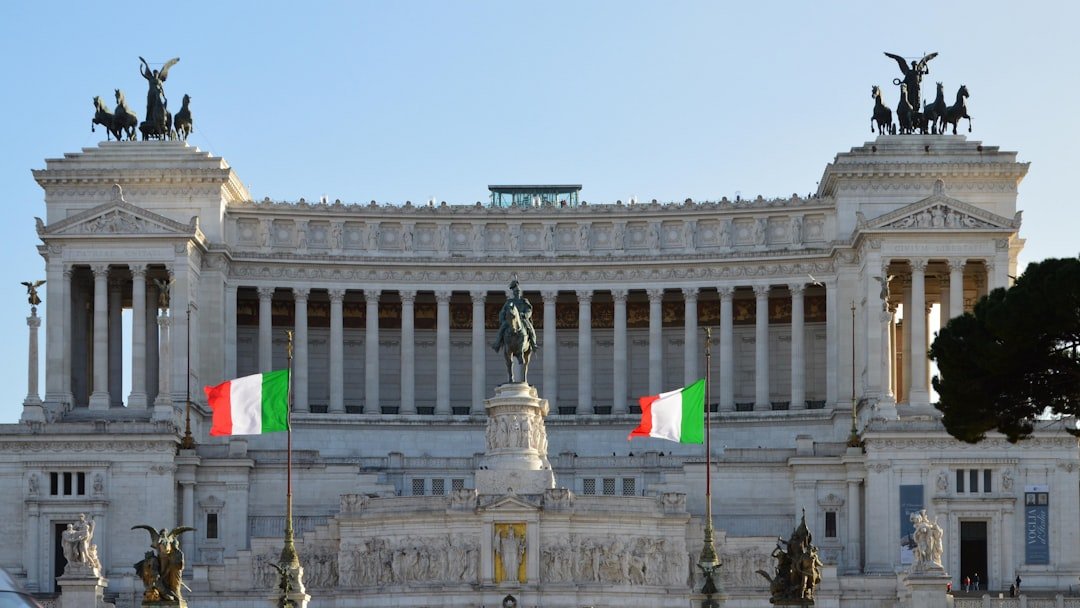
Give Rome three days because its major attractions are spread across different parts of the city and several require timed admission. A practical split is Ancient Rome on day 1, Vatican City on day 2, and central Rome plus the Borghese area on day 3.
Day 1: Discover Ancient Rome
Start with the Colosseum, Roman Forum, and Palatine Hill. These sites form one logical historical area, so visiting them on the same day avoids unnecessary travel across Rome.
The official Colosseum visitor information states that entry to the Colosseum uses a compulsory timed reservation and that ticket sales open 30 days before the visit date. Opening hours change seasonally, so build the rest of the day around your reserved entry.
After the archaeological area, walk toward Piazza Venezia and the historic center. Save the Trevi Fountain for later in the afternoon or evening, then continue toward the Spanish Steps or Piazza Navona depending on your energy.
Day 2: Vatican Museums, St. Peter’s, and Trastevere
Use day 2 for Vatican City. Reserve the Vatican Museums first, then allow enough time for the galleries and Sistine Chapel rather than treating the museum as a quick stop.
The official Vatican Museums schedule currently lists Monday through Saturday opening from 8:00 a.m. to 8:00 p.m., with final entry at 6:00 p.m. On the last Sunday of each month, the museums open from 9:00 a.m. to 2:00 p.m., with final entry at 12:30 p.m. and free admission.
Visit St. Peter’s Basilica separately and remember that it is an active church, so access can be affected by religious events. After the Vatican, cross the Tiber and spend the evening in Trastevere. This is a good place to try Roman dishes such as cacio e pepe, amatriciana, carbonara, or saltimbocca alla Romana.
Day 3: Pantheon, Borghese Gallery, and Central Rome
Day 3 gives you time for sights that did not fit naturally into the first two days. The Pantheon, Piazza Navona, Campo de’ Fiori area, and Villa Borghese can be combined without rushing between major archaeological zones.
The Borghese Gallery is particularly rewarding if you enjoy Bernini and Caravaggio. Reserve your entry before your trip because visitor access is controlled by scheduled admissions.
Finish with a relaxed dinner rather than another long checklist. Three full sightseeing days in Rome involve considerable walking, and leaving some unstructured evening time makes the itinerary easier to sustain.
Days 4–5: Discovering Florence
Take an early high-speed train from Rome to Florence on day 4. Florence’s historic center is compact, so two days can cover the Duomo area, Uffizi, Ponte Vecchio, Piazza della Signoria, and several smaller streets and squares if you plan the timed attractions carefully.
)
Day 4: Duomo, Piazza della Signoria, and Ponte Vecchio
Begin around the Cathedral of Santa Maria del Fiore. If you want to climb Brunelleschi’s Dome, reserve it before the trip rather than assuming you can choose a convenient time after arrival.
The official Brunelleschi Pass information says the pass is valid for three calendar days and the Dome climb requires the exact reserved date and time. The climb has 463 steps and no elevator, so allow enough time and avoid scheduling another fixed admission immediately afterward.
Continue through Piazza della Signoria, see Palazzo Vecchio, then walk toward the Arno and cross the Ponte Vecchio. An evening stroll through Oltrarno gives you a different atmosphere from the busiest museum streets.
Day 5: Uffizi Gallery and an Optional Pisa Trip
Use the morning for the Uffizi Gallery if Renaissance art is one of your priorities. The official Uffizi schedule lists normal opening from 8:15 a.m. to 6:30 p.m., Tuesday through Sunday, with Monday closure.
The collection includes major works by Botticelli, Leonardo da Vinci, Michelangelo, Raphael, and Caravaggio. Give yourself enough time to look closely rather than racing through every room.
Pisa is an optional afternoon or half-day trip, not an essential add-on. Choose it if seeing the Leaning Tower is a personal priority; otherwise, remain in Florence for the Accademia, Palazzo Vecchio, Santa Croce, Oltrarno, or a Tuscan cooking class.
If you do go to Pisa, leave enough time to return to Florence, collect your luggage if necessary, and rest before the next morning’s train. Trying to combine the Duomo, Uffizi, Accademia, and Pisa in a single day would make the schedule unnecessarily rushed.
Days 6–7: Roaming Through Venice
Travel from Florence to Venezia Santa Lucia on day 6. The railway station opens directly onto the Grand Canal, making arrival by train part of the experience rather than simply another transfer.
| Day | Activity | Time |
|---|---|---|
| Day 6 | St. Mark’s Square and Basilica | 10:00 AM – 11:30 AM |
| Day 6 | Visiting Doge’s Palace | 12:00 PM – 2:00 PM |
| Day 6 | Gondola Ride | 4:00 PM – 5:00 PM |
| Day 7 | Exploring Rialto Bridge | 9:00 AM – 10:00 AM |
| Day 7 | Visiting Murano Island | 10:30 AM – 2:30 PM |
| Day 7 | Relaxing at a canal-side cafe | 4:00 PM – 6:00 PM |
Day 6: St. Mark’s Square, Doge’s Palace, and the Canals
Make St. Mark’s Square your main reservation area on day 6. Visit St. Mark’s Basilica and Doge’s Palace, then leave the later afternoon for a gondola ride, vaporetto journey, or slow walk through quieter streets.
The official St. Mark’s Basilica visitor information lists normal tourist admission Monday through Saturday from 9:30 a.m., with last entry at 4:45 p.m. and closing at 5:15 p.m. On Sundays and national holy days, Basilica tourist access normally begins at 2:00 p.m. Opening arrangements can change for worship and religious events.
Doge’s Palace deserves more than a quick exterior photo. Inside, the route introduces the ceremonial rooms of the Venetian Republic and leads through the Bridge of Sighs into the former prison area.
A gondola ride gives you a close look at smaller canals, while a vaporetto ride is better if your goal is simply to move through Venice and see longer stretches of the Grand Canal. They are different experiences, so you do not need to treat one as a substitute for the other.
Day 7: Rialto, Murano, and Dorsoduro
See the Rialto area earlier in the day, then decide whether you would rather visit Murano or spend more time on Venice’s main islands. Murano works well for travelers interested in Venetian glass, but using several hours for the island means less time for museums and neighborhoods in central Venice.
If you stay in the city, Dorsoduro is a strong alternative. The neighborhood includes quieter canals, artisan shops, and the Peggy Guggenheim Collection. End with cicchetti or a Venetian dinner near a canal rather than adding another long attraction.
Days 8–9: Exploring the Amalfi Coast
The Amalfi Coast is the most demanding part of this route because you are traveling back south from Venice. Leave Venice early on day 8 and expect much of the day to involve trains and the final transfer to your coastal base.
Day 8: Travel from Venice and Settle into the Coast
Current Italo Venice–Naples information lists the high-speed train journey at about 4 hours 59 minutes. You still need additional travel from Naples toward Positano, Amalfi, Ravello, or another coastal base.
For that reason, do not plan a full Amalfi Coast sightseeing day after leaving Venice. Check in first, then use whatever daylight remains for a beach, waterfront walk, dinner, or short local outing.
Positano makes a scenic base, while Amalfi is useful for reaching other towns along the coast. Ravello sits high above the water rather than directly on the shoreline, so treat it as a separate road or bus excursion instead of a boat stop.
Day 9: Choose a Coastal Day or the Path of the Gods
Use day 9 for one major experience. A boat outing with stops around the coast suits travelers who want sea views and town-hopping, while the Path of the Gods is better for travelers who want a substantial hike.
Italy’s official tourism portal describes the Path of the Gods from Agerola to Nocelle as an approximately 8-kilometer route taking about 4½ hours. It rates the route easy to medium but specifically warns that it is not recommended for people who suffer from vertigo.
If you hike, start from the Agerola side and finish toward Nocelle for the classic direction. Spring and autumn are more comfortable than the hottest part of summer. Wear proper walking shoes and carry water.
Warning: Do not treat the Path of the Gods like a paved city walk. Parts of the route are exposed and uneven, and travelers uncomfortable with heights should choose another Amalfi Coast activity.
If hiking is not your priority, visit Amalfi and Ravello instead. Villa Rufolo’s gardens are one of Ravello’s best-known stops, while Positano is ideal for a slower afternoon of streets, shops, beach views, and dinner.
The region is also known for lemons and limoncello. If you choose a producer visit or tasting, treat it as an optional cultural activity rather than trying to fit it between several distant towns.
Day 10: Departure from Italy
Keep day 10 flexible around your departure time. Because the itinerary ends on the Amalfi Coast, a flight from Naples generally avoids unnecessary backtracking to Rome, Florence, or Venice.
)
Allow a generous buffer for the transfer because coastal roads, local connections, and seasonal traffic can make travel slower than the rail legs between major cities. An early flight may justify spending night nine closer to Naples rather than on the coast.
If your departure is later, use the morning for breakfast and a final waterfront walk instead of scheduling another ticketed attraction. After nine busy days, a simple final morning is usually more useful than another rushed excursion.
Tips for First-Time Travelers to Italy
A successful first trip depends less on squeezing in extra attractions and more on getting the logistics right. These simple choices reduce queues, missed reservations, and unnecessary travel.
- Book major timed attractions early. Prioritize the Colosseum, Vatican Museums, Florence Dome, Uffizi, and St. Mark’s Basilica.
- Travel light. You will change hotels three times, use train stations, cross bridges in Venice, and may encounter stairs at older accommodations.
- Use high-speed trains between Rome, Florence, and Venice. They connect city centers and avoid airport transfers.
- Check station names carefully. In Venice, Venezia Santa Lucia is the station in the historic city, while Venezia Mestre is on the mainland.
- Wear comfortable walking shoes. Rome, Florence, Venice, and Amalfi Coast towns all involve long walking days, steps, or uneven surfaces.
- Learn a few basic Italian phrases. Buongiorno, buonasera, per favore, and grazie are easy to use and appreciated.
- Build one flexible period into each day. Museums, church access, train delays, heat, or simply fatigue can change how much you realistically want to see.
What Should You Book Before the Trip?
Start with anything that controls the rest of the day: major attraction entry times and long-distance trains. Once those are fixed, place restaurants, neighborhood walks, markets, and viewpoints around them.
For this particular itinerary, booking your first and last flights as an open-jaw trip can also reduce unnecessary backtracking. Arriving in Rome and departing from Naples fits the route better than returning north after the Amalfi Coast.
How Much Luggage Should You Bring?
A carry-on-size suitcase or other light setup is easier for this itinerary than large luggage. Venice has bridges and limited road transport in its historic center, while Amalfi Coast towns can involve steep streets and steps.
Pack for repeated walking rather than formal sightseeing. Comfortable shoes, layers suited to your season, and a small day bag will be more useful than carrying many outfit changes between four bases.
Making the Most of Your 10 Days in Italy
This 10-day route works best for travelers who value variety and are comfortable changing bases every two or three nights. Rome gives you ancient history and Vatican art, Florence concentrates Renaissance masterpieces into a walkable center, Venice offers a city built around water, and the Amalfi Coast finishes the trip with dramatic coastal scenery.
The main tradeoff is pace. You will spend meaningful time in all four destinations, but you will not experience any of them slowly. If your priority is relaxed travel, remove either Venice or the Amalfi Coast and give those days to the remaining stops.
Food should also be part of the itinerary rather than an afterthought. Roman pasta, Tuscan dishes, Venetian cicchetti and seafood, and Campanian lemon and seafood specialties help distinguish each region even when the trip itself moves quickly.
If you enjoy food-focused reading before your trip, the site also includes this homemade cottage cheese recipe.
Frequently Asked Questions
What is a good 10-day itinerary for first-time visitors to Italy?
A good 10-day first trip can include three days in Rome, two in Florence, two in Venice, two on the Amalfi Coast, and one departure day. This version is fast-paced, so protect the long Venice-to-Amalfi transfer and avoid adding extra overnight stops.
What are the must-see attractions in Rome?
The main first-time sights are the Colosseum and Roman Forum, Vatican Museums and Sistine Chapel, St. Peter’s Basilica, Pantheon, Trevi Fountain, and Piazza Navona. Three days lets you divide these attractions into manageable geographic areas.
What are the must-see attractions in Florence?
For a first visit, prioritize the Florence Cathedral complex, Uffizi Gallery, Piazza della Signoria, Palazzo Vecchio, and Ponte Vecchio. Add the Accademia Gallery if seeing Michelangelo’s David matters more to you than a Pisa side trip.
What are the must-see attractions in Venice?
First-time visitors should prioritize St. Mark’s Square, St. Mark’s Basilica, Doge’s Palace, the Grand Canal, and Rialto Bridge. With a second day, choose Murano, Dorsoduro, the Peggy Guggenheim Collection, or simply more time walking through quieter neighborhoods.
What should I see on the Amalfi Coast in two days?
With two days, focus on Positano or Amalfi as your base and choose one major second-day experience such as Ravello, a coast boat trip, or the Path of the Gods. Trying to visit every coastal town will leave most of your time in transit.
Is Rome, Florence, Venice, and the Amalfi Coast too much for 10 days?
It is possible, but it is a fast itinerary with four bases and a long transfer from Venice to the Amalfi Coast. Travelers who prefer slower mornings or fewer hotel changes should remove either Venice or the Amalfi Coast and add those nights elsewhere.
What is the best way to travel between cities in Italy?
High-speed trains are the easiest option for Rome, Florence, Venice, and Naples because they connect central stations. The Amalfi Coast requires an additional local transfer after the long-distance rail journey, so include that extra travel time in your schedule.
Sources
- Parco archeologico del Colosseo: Colosseum ticket-release timing, reservation requirement, and seasonal visitor information.
- Vatican Museums: current opening days, hours, and last-Sunday schedule.
- Opera di Santa Maria del Fiore: Brunelleschi Pass validity, Dome reservation rules, and 463-step climb.
- Uffizi Galleries: opening hours, closure days, collections, and visitor information.
- St. Mark’s Basilica Official Ticket Office: current Basilica opening hours and timed-entry information.
- Italo: representative high-speed travel times between Rome, Florence, and Venice.
- Italo Venice–Naples: current representative Venice-to-Naples high-speed journey time.
- Italia.it: Path of the Gods distance, estimated walking time, difficulty, and vertigo guidance.