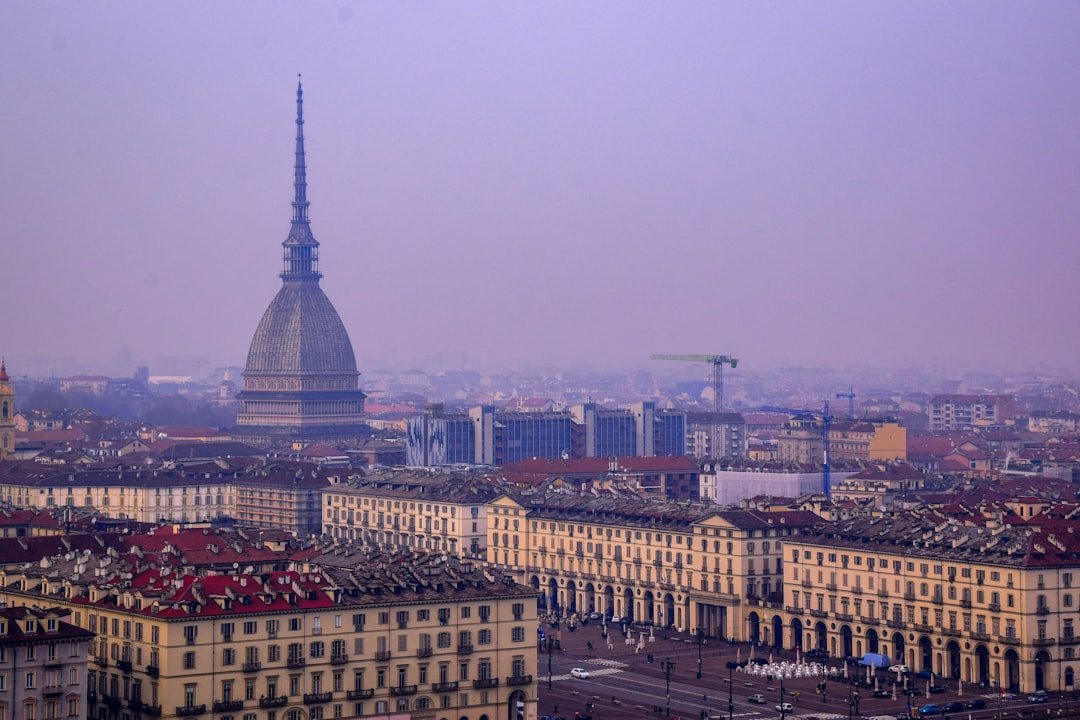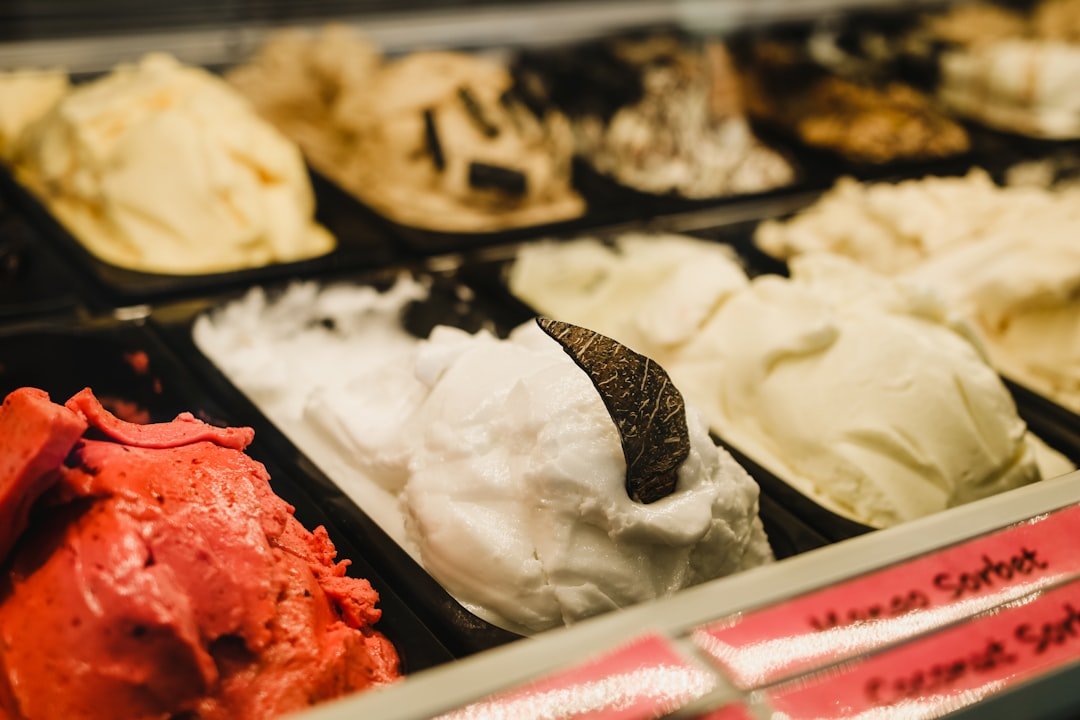
Florence is one of Italy’s easiest cities for building a gelato walk into a day of sightseeing. The historic center puts major landmarks and several well-known gelaterias within a compact area, so you can compare classic flavors, seasonal fruit sorbets, and richer house specialties without making gelato your entire itinerary. Gelato is generally denser than typical American-style ice cream because less air is incorporated, and many traditional recipes also use less fat, although recipes vary from shop to shop. A Penn State food-science explanation provides more detail on those differences.
Quick Answer
For a practical Florence gelato route, start near the Duomo, continue toward Piazza della Signoria and Santa Croce, then finish near Ponte alla Carraia. Current central stops include GROM Campanile, Perché No!, Gelateria dei Neri, Vivoli, and Gelateria La Carraia. Choose flavors you enjoy rather than chasing a single “best” shop.
Key Takeaways
- Florence has several worthwhile gelaterias within the walkable historic center, making it easy to combine gelato with the Duomo, Piazza della Signoria, Santa Croce, and the Arno.
- Reliable current stops include Gelateria dei Neri, Vivoli, Perché No!, Gelateria La Carraia, and the GROM shop beside the Duomo.
- Older Florence guides often recommend Carapina, but current listings mark its former Florence locations as closed, so do not build your route around it.
- Pistachio, stracciatella, fior di latte, lemon, hazelnut, chocolate, ricotta-based flavors, and seasonal fruit sorbets are useful flavors for comparing shops.
- Natural-looking colors, clearly identified flavors, seasonal fruit, and staff who can explain ingredients are more useful quality signals than giant displays or a long flavor list.
Note: Gelateria locations and general operating status in this guide were rechecked on September 9, 2026. Opening hours, temporary closures, prices, and daily flavors can change, so confirm the shop’s current information on the day you visit.
How to Use the Florence Gelato Map and Route
You do not need to cross Florence randomly to try several good gelaterias. A more practical approach is to group stops around the landmarks you already plan to see. The addresses below form a useful central-city route rather than a strict ranking.
| Area | Gelateria | Address | Why Stop |
|---|---|---|---|
| Duomo | GROM Firenze Campanile | Via del Campanile, 2 | A convenient stop beside the Duomo; useful if you want a predictable national-chain option. |
| Signoria | Perché No! | Via dei Tavolini, 19/r | A historic Florentine business known for classic creams, nut flavors, cassata, granita, and semifreddi. |
| Santa Croce / Uffizi side | Gelateria dei Neri | Via dei Neri, 9/11R | A long-running central shop with a broad selection of classic and richer specialty flavors. |
| Santa Croce | Vivoli | Via Isola delle Stinche, 7/r | Historic family gelateria with gelato, semifreddi, pastries, and its well-known coffee affogato. |
| Arno / Oltrarno edge | Gelateria La Carraia | Piazza Nazario Sauro, 25/r | A popular stop beside Ponte alla Carraia with classics and distinctive house flavors. |
Plan Your Gelato Pilgrimage Strategically
If you are starting around the Duomo, GROM is almost beside the cathedral. From there, continue toward Piazza della Signoria for Perché No!, then move east toward Via dei Neri and Santa Croce for Gelateria dei Neri and Vivoli. La Carraia works well as a later stop when your sightseeing brings you toward the Arno.
You do not need to eat a full cone at every stop. Ordering a small cup or sharing flavors makes a multi-shop tasting more comfortable and lets you compare shops without turning the route into an endurance challenge.
Discover Hidden Gems Without Chasing Ratings
Map ratings and traveler reviews are useful for confirming that a shop is active and seeing recent visitor experiences, but they should not be treated as an objective ranking of taste. A smaller neighborhood gelateria can suit you better than the shop with the longest queue. Look at the day’s flavors, ask what is seasonal, and choose according to what you actually enjoy.
Maximize Your Tasting Experience
For an easy comparison, repeat one familiar flavor at two or three shops. Pistachio, fior di latte, stracciatella, lemon, or hazelnut work well because differences in sweetness, texture, and ingredient intensity are easier to notice. Then use your second flavor for something unique to that shop.
Pro Tip: If you plan several gelato stops, order the smallest useful size, drink water between tastings, and save rich chocolate, nut, or cream-heavy flavors for later in the route.
Top Gelaterias in Florence
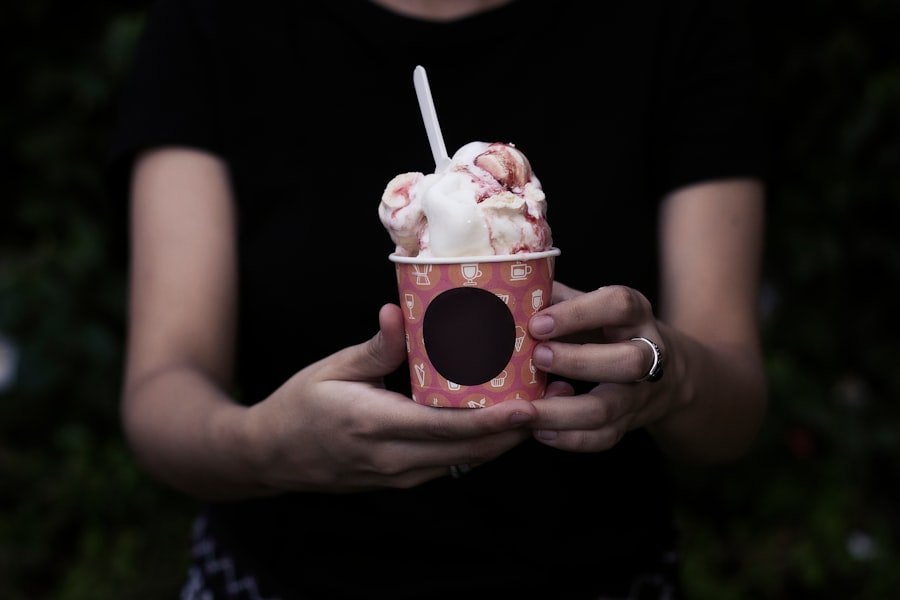
There is no defensible way to name one shop as the universal “best gelato in Florence,” because flavor preference is subjective and daily production changes. The following shops are better treated as strong, practical choices with current evidence of operating in central Florence.
Gelateria dei Neri
Gelateria dei Neri remains an active central-Florence gelateria at Via dei Neri 9/11R, within easy reach of Santa Croce, Piazza della Signoria, and the Uffizi area. It is known for a large selection that can include classics, fruit flavors, granita, and richer combinations such as cremini.
The original version of this guide claimed that the shop currently sources ingredients from local farms and specifically uses Sicilian pistachios. Those supplier details cannot be confirmed from a reliable current primary source, so it is better to judge the flavors you see on the day rather than rely on an old sourcing claim.
Vivoli
Vivoli is one of Florence’s historic gelato names. Its official history says the business began as a dairy in 1929 and that the family moved into ice-cream making in 1932; the brand also uses “since 1930” in its current marketing. That fuller timeline is more accurate than simply assigning one founding year.
The shop remains near Santa Croce on Via Isola delle Stinche. Vivoli says its gelato is produced daily in the workshop beside the store and highlights flavors such as hazelnut and pistachio. Its coffee affogato, called “La gran crema al caffè,” is another specialty worth considering if you want something different from a cone.
Perché No!
Perché No! is particularly useful for travelers who want a historic Florentine business close to Piazza della Signoria. According to the official Florence tourism site, the shop opened in 1938 and began operating as an artisan gelateria in 1939. The tourism listing highlights cooked cream, hazelnut, pistachio, Sicilian cassata, granita, and semifreddi among its specialties.
Gelateria La Carraia
Gelateria La Carraia sits beside Ponte alla Carraia at Piazza Nazario Sauro 25/r. Its official history dates the business to 1990. The current flavor list includes familiar choices such as pistachio, stracciatella, lemon, mango, dark chocolate, fior di latte, and hazelnut, along with house combinations such as Delizia La Carraia and Marmo di Carraia.
If you want a ricotta-based flavor, La Carraia currently lists ricotta e pere, or ricotta and pear. That makes it a better current recommendation than assuming a particular ricotta flavor will be available everywhere.
GROM Firenze Campanile
GROM is a national Italian gelato brand rather than a small Florentine family gelateria, but its Via del Campanile shop remains a convenient option a few steps from the Duomo. It works especially well when location matters more than building an independent-only tasting route.
Current-status warning: Carapina appears in many older Florence gelato lists, including the original version of this article. Current listings mark its former Florence locations as permanently closed. Treat references to Carapina in older travel guides as historical rather than as a dependable 2026 recommendation.
Must-Try Gelato Flavors
Florence gives you plenty of room to mix familiar Italian flavors with seasonal and shop-specific choices. Availability changes, so think of this list as a tasting guide rather than a promise that every gelateria will have every flavor.
| Flavor | What to Expect | Why Try It |
|---|---|---|
| Pistachio | Creamy, nutty, and usually more muted in color than artificial bright-green versions. | A useful benchmark for comparing sweetness and nut intensity between shops. |
| Stracciatella | A milk or cream base with fine pieces or ribbons of chocolate. | A classic flavor that balances a simple dairy base with crisp chocolate. |
| Lemon | Bright, tart, and often made as a fruit-forward sorbet rather than a dairy-heavy gelato. | Refreshing between richer chocolate, cream, or nut flavors. |
| Chocolate & Hazelnut / Bacio | Chocolate paired with roasted hazelnut character. | A richer choice for travelers who like gianduja-style flavor combinations. |
| Mango | Sweet and tropical, often served as a fruit-focused flavor. | A simple way to compare fruit intensity against creamier flavors. |
| Fior di Latte | A clean milk-forward flavor without a strong added flavoring. | Its simplicity makes texture and dairy flavor easy to judge. |
| Ricotta e Pere | Creamy ricotta paired with pear. | Currently listed by La Carraia and a good option if you want something beyond the standard classics. |
| Ricotta e Fichi | Ricotta paired with sweet fig when available. | A richer combination associated with some Florence gelato menus, including past offerings at Gelateria dei Neri. |
| Buontalenti / Florentine Cream | A rich cream-style flavor associated with Florence’s Buontalenti gelato tradition. | It connects the tasting experience with one of Florence’s best-known gelato stories. |
Seasonality is part of the fun. Fruit flavors may change with what is available, and some shops may introduce autumn flavors such as chestnut or pumpkin. Do not assume a seasonal flavor will be present on a specific day; check the display or ask the staff.
Insider Tips for Enjoying Gelato in Florence
The official Florence tourism site recommends paying attention to ingredient quality and being wary of overly artificial colors and excessive decorative additions. That is a more useful rule than assuming that every shop using the word artigianale must automatically be excellent.
- Look for believable colors. Pistachio does not need to be fluorescent green, and banana does not need to look neon yellow.
- Ask about seasonal flavors. A changing fruit selection can tell you more than a huge permanent menu.
- Use a simple flavor as a benchmark. Fior di latte, lemon, pistachio, or stracciatella makes comparisons easier.
- Sample politely when offered. Some shops are happy to provide a small taste, but sampling policies differ, so do not assume unlimited samples are standard.
- Choose cup or cone according to the situation. A cone adds crunch; a cup can be easier while walking or when combining soft and runny flavors.
- Start small on a multi-stop route. You can always return to your favorite shop later.
- Do not judge quality by queue length alone. Location and social-media popularity can create lines that have little to do with your personal taste.
Allergy caution: Milk, eggs, peanuts, tree nuts, soy, wheat, and other allergens can appear in gelato, cones, toppings, or shared equipment. Italy and the EU require allergen information for relevant foods, including non-prepacked foods, but cross-contact can still matter. If you have a serious allergy, tell staff clearly, ask to see the allergen information, and do not assume a fruit sorbet or vegan-looking flavor is automatically safe.
Exploring Florence’s Gelato Culture
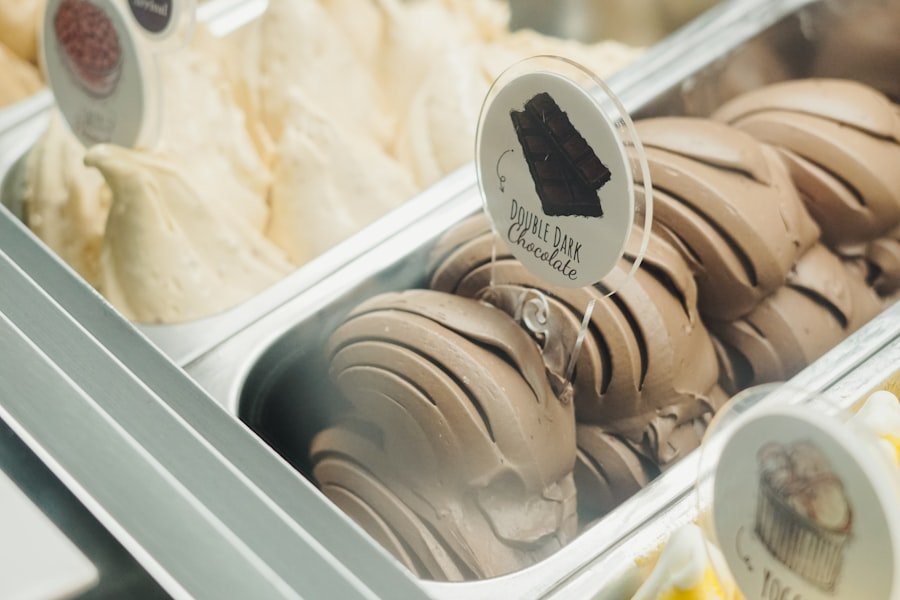
The Social Side of Gelato
Gelato fits naturally into Florence’s evening passeggiata and sightseeing rhythm because it is easy to buy in a small cup or cone and enjoy while walking. A gelateria can be a quick food stop rather than a formal dessert destination, which makes it easy to include after dinner or between attractions.
This social aspect is part of why different travelers end up with different “best” shops. A gelato eaten beside a favorite piazza after a memorable dinner may beat a technically excellent scoop eaten while rushing to the next museum.
A Culture of Craftsmanship
Some Florence gelaterias have deep family histories. Vivoli says its tradition has reached a fourth generation, while Perché No! is recognized by Florence’s official tourism service as a historic and traditional Florentine business. Those histories are useful context, but age alone does not determine which flavor you will like best.
Craft also shows up in day-to-day decisions: balancing sweetness, controlling texture, choosing fruit and nuts, and adjusting flavors with the seasons. Because gelato generally contains less incorporated air than many ice creams, texture and ingredient balance can be especially noticeable.
Celebrating Gelato Culture
Florence and Italy periodically host food events, demonstrations, competitions, and celebrations connected with gelato, but event names and schedules change. If a gelato festival is important to your trip, check current Florence tourism listings rather than relying on an undated travel article.
Historical Significance of Gelato in Florence
Frozen sweets are much older than modern gelato. Ancient societies used snow and ice to chill drinks and flavored mixtures, but those refreshments should not be treated as the same product sold in a modern Italian gelateria. The development of ice cream and gelato involved later advances in controlled freezing, ingredients, and churning.
Florence nevertheless has an important place in gelato tradition. The city’s official tourism service recounts a famous story in which Renaissance architect and polymath Bernardo Buontalenti prepared a frozen cream for the Medici court in 1565. Because even the official source presents this as something that “is said” to have happened, the safest wording is that Florentine tradition credits Buontalenti with an important early cream-based frozen dessert, not that one person has been conclusively proven to have invented all modern gelato.
Florence’s gelato story is best understood as a mixture of documented food history and powerful local tradition, rather than a single undisputed invention moment.
Francesco Procopio dei Coltelli belongs to a later chapter. The Library of Congress describes the Sicilian Procopio as establishing Café Procope in Paris in 1686, where coffee and Italian-style sorbets became popular. The older claim that he first “honed his craft in Florence” is not supported well enough to repeat as fact.
The Medici and Buontalenti stories remain part of Florence’s culinary identity, and shops still use names such as Buontalenti or Florentine cream. Enjoy that connection, but distinguish local tradition from the parts of frozen-dessert history that historians can document more confidently.
Savoring the Best Gelato in Florence
The best way to explore Florence’s gelato scene is not to chase one supposedly perfect scoop. Use the city’s compact historic center to compare several styles: a historic family shop such as Vivoli, a traditional Florentine address such as Perché No!, a broad-selection favorite such as Gelateria dei Neri, a riverside stop such as La Carraia, or a convenient chain option such as GROM near the Duomo.
Try a familiar flavor at more than one shop, add one seasonal or house flavor, and pay attention to texture, sweetness, and ingredient character. That approach gives you a much more useful impression of Florence gelato than simply following the longest queue.
If you also enjoy ingredient-focused food reading beyond this Florence guide, the site’s separate article about Asian melon explores another food topic. It is not a source for choosing gelato in Florence, so use the verified tourism, food-science, health, and gelateria sources in this guide for Florence trip planning.
Frequently Asked Questions
What is gelato?
Gelato is an Italian-style frozen dessert. Compared with typical American-style ice cream, it is generally made with less incorporated air and often less fat, which can create a denser texture. Recipes vary, so there is no single formula that describes every gelato.
What makes Florence a great place for gelato?
Florence combines a strong local gelato tradition with a compact historic center containing several long-running and modern gelaterias. You can visit multiple shops while sightseeing around the Duomo, Piazza della Signoria, Santa Croce, and the Arno.
How can I find the best gelato in Florence?
Use your sightseeing route instead of chasing one ranking. Current central options include Gelateria dei Neri, Vivoli, Perché No!, Gelateria La Carraia, and GROM Campanile. Compare a simple flavor at two shops and add a seasonal or house specialty at each stop.
What should I look for in good gelato?
Look for balanced flavor, a smooth texture, believable colors, clearly identified ingredients, and seasonal options. Extremely bright colors or excessive decorative toppings can be a reason to look more closely at ingredient quality, although appearance alone cannot prove whether a gelato is good.
Which gelato flavors should I try in Florence?
Pistachio, hazelnut, stracciatella, fior di latte, lemon, chocolate, and seasonal fruit are useful classics. For something more distinctive, look for Buontalenti or Florentine cream, ricotta-based combinations such as ricotta e pere or ricotta e fichi, and shop-specific flavors.
What are some popular gelaterias in Florence?
Current central choices include Gelateria dei Neri, Vivoli, Perché No!, Gelateria La Carraia, and GROM Firenze Campanile. Each offers a different combination of history, location, flavor selection, and style, so there is no need to treat one as the universal winner.
Is Carapina still open in Florence?
Older travel guides frequently recommend Carapina, but current listings mark its former Florence locations as permanently closed. Because business status can change, verify again if you encounter a newer listing before making a special trip.
Can I find vegan, dairy-free, or allergy-friendly gelato in Florence?
Many gelaterias offer fruit sorbets or other flavors that may be made without dairy, but recipes and cross-contact practices differ. If you have an allergy or strict dietary requirement, ask staff about ingredients and allergen information rather than assuming a flavor is safe from its name or appearance.
Sources
- Penn State University — Gelato vs. ice cream — supports the explanation of air incorporation, density, and general differences between gelato and ice cream.
- FeelFlorence — Gelato ice cream — official Florence tourism guidance on the city’s gelato tradition, Buontalenti story, and practical quality cues.
- Library of Congress — Café Culture in Paris: A Short History — supports the documented account of Francesco Procopio dei Coltelli and Café Procope.
- Italian Ministry of Health — Food allergies — supports allergen-information guidance for consumers eating non-prepacked foods.
- Vivoli — Official history — supports the Vivoli timeline and family-business history.
- Gelateria La Carraia — Official site — supports its current Florence location, history, and flavor information.