ZTL, or Zona a Traffico Limitato, refers to restricted traffic zones found in many Italian cities. These zones are designed to reduce congestion, improve air quality, and preserve the historical integrity of urban areas. Typically, ZTLs are located in city centers where pedestrian traffic is high and where the architecture and cultural heritage are at risk from vehicular pollution and wear.
The implementation of ZTLs is a response to the increasing number of vehicles in urban areas, which has led to traffic jams, noise pollution, and environmental degradation. Each city in Italy has its own specific regulations regarding ZTLs, including the hours of operation and the types of vehicles allowed entry. For instance, in Florence, the ZTL operates from 7:30 AM to 8:00 PM on weekdays, while in Rome, the restrictions can vary significantly depending on the area and time of day.
Violating these restrictions can result in hefty fines, which are often enforced through automatic cameras that capture license plates of unauthorized vehicles entering these zones. Understanding the nuances of ZTL regulations is crucial for anyone planning to drive in Italy, as it can save both time and money.
Key Takeaways
- ZTL zones in Italy are restricted traffic areas aimed at reducing congestion and pollution in city centers.
- Navigating ZTL zones with a map is essential for tourists driving in Italy to avoid fines and penalties.
- Tourists driving in Italy should familiarize themselves with local driving rules and customs to ensure a smooth and enjoyable experience.
- Obtaining a ZTL permit may be necessary for tourists driving in restricted areas, and it’s important to research and apply for one in advance.
- Exploring Italy’s cities and towns on foot or using public transportation is a great way to experience the cultural and historical sites in ZTL zones without the hassle of driving and parking.
Navigating ZTL Zones with a Map
Navigating ZTL zones can be a daunting task for tourists unfamiliar with the layout of Italian cities. However, many cities provide detailed maps that outline the boundaries of ZTLs, making it easier for drivers to plan their routes. These maps are often available online or at tourist information centers.
Additionally, many navigation apps now include ZTL information, allowing users to avoid restricted areas while driving. It is advisable to familiarize oneself with these maps before embarking on a journey, as they can highlight not only ZTL boundaries but also alternative routes that bypass these restrictions. When using a map to navigate ZTL zones, it is essential to pay attention to the signage posted throughout the city.
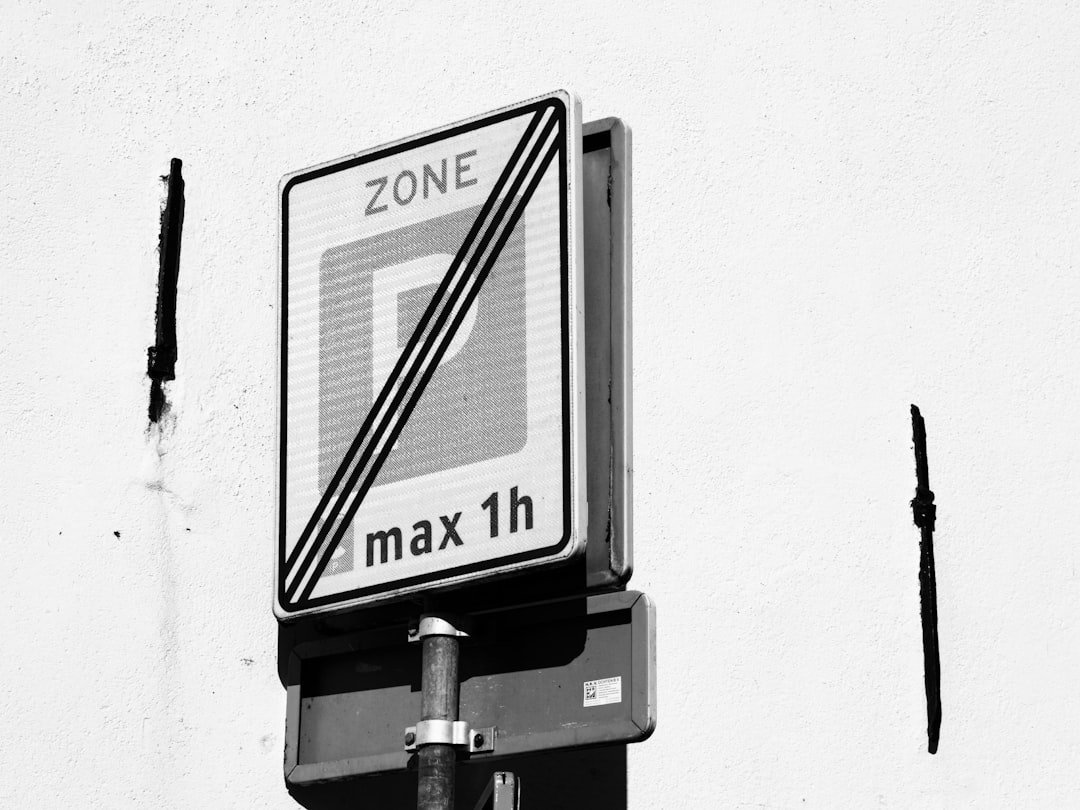
Signs indicating the start and end of ZTL areas are typically marked with clear symbols and times of operation. In some cases, these signs may be accompanied by additional information regarding specific exemptions for residents or emergency vehicles. Tourists should also be aware that some cities have multiple ZTL zones with varying regulations; thus, consulting a comprehensive map can help avoid confusion and potential fines.
Tips for Tourists Driving in Italy

Driving in Italy can be an exhilarating experience, but it also comes with its own set of challenges. One of the most important tips for tourists is to familiarize themselves with local driving laws and customs. For instance, Italians tend to drive aggressively compared to other countries, and understanding this behavior can help tourists navigate busy streets more confidently.
Additionally, it is crucial to be aware of speed limits, which are strictly enforced through speed cameras. In urban areas, the speed limit is typically 50 km/h (31 mph), while on highways it can range from 90 km/h (56 mph) to 130 km/h (81 mph) depending on the type of road. Another essential tip is to ensure that your vehicle is equipped with the necessary safety equipment mandated by Italian law.
This includes having a reflective vest, a warning triangle, and a first-aid kit readily available in the car. Furthermore, tourists should consider purchasing an International Driving Permit (IDP) before traveling to Italy, as this document is often required by rental car companies and can facilitate communication with local authorities if needed. Lastly, it is advisable to book accommodations that offer parking options or are located near public transportation hubs to minimize the need for driving in congested city centers.
How to Obtain a ZTL Permit
| Steps | Details |
|---|---|
| Check Eligibility | Ensure your vehicle meets the criteria for a ZTL permit |
| Required Documents | Prepare necessary documents such as vehicle registration and ID |
| Application Form | Fill out the ZTL permit application form |
| Submit Application | Submit the completed application to the relevant authority |
| Wait for Approval | Wait for the permit approval and issuance |
For those who need to drive into ZTL zones—such as residents or business owners—obtaining a ZTL permit is essential. The process for acquiring this permit varies by city but generally involves submitting an application to the local municipality. In many cases, applicants must provide proof of residency or business ownership within the ZTL area, along with vehicle registration details.
Some cities offer online applications, while others may require in-person visits to municipal offices. Once the application is submitted, it may take several days for approval. It is important for applicants to check the specific requirements and processing times for their city’s ZTL permit system.
In some instances, temporary permits may be available for visitors who need access for special events or emergencies. Tourists planning to stay in a hotel within a ZTL zone should inquire whether their accommodation can assist with obtaining a temporary permit during their stay.
Exploring Italy’s Cities and Towns
Italy is renowned for its rich history and vibrant culture, much of which is concentrated in its cities and towns. Exploring these urban centers often involves navigating through ZTL zones, which can be both a challenge and an opportunity to experience the heart of Italian life. Cities like Florence, Venice, and Bologna boast stunning architecture, world-class museums, and bustling piazzas that are best accessed on foot or via public transport due to their ZTL restrictions.
In Florence, for example, visitors can marvel at the iconic Duomo and stroll through the Uffizi Gallery without worrying about traffic congestion. The narrow streets lined with artisan shops and cafes create an intimate atmosphere that encourages exploration at a leisurely pace. Similarly, Venice’s winding canals and pedestrian pathways make it an ideal destination for those looking to immerse themselves in a unique cultural experience without the interference of vehicles.
Each city offers its own distinct charm and character, making it worthwhile for tourists to embrace the limitations imposed by ZTL zones as a means of discovering Italy’s hidden gems.
Parking Options in ZTL Zones
Parking Options Outside ZTL Zones
These areas often feature clear signage indicating parking fees and time limits. In some cases, park-and-ride facilities are available, allowing visitors to park their cars and take public transportation into the city center.
Parking Within ZTL Zones
For those who must park within a ZTL zone—such as residents or hotel guests—there are usually specific parking garages that cater to authorized vehicles. It is crucial for drivers to check whether their chosen parking facility is compliant with ZTL regulations to avoid fines.
Hotel Parking Options
Additionally, some hotels located within ZTL areas may offer valet services or reserved parking spaces for guests. Tourists should inquire about these options when making reservations to ensure a hassle-free experience during their stay.
Public Transportation Alternatives
Given the complexities associated with driving in ZTL zones, many tourists opt for public transportation as a more convenient alternative. Italy boasts an extensive network of buses, trams, and trains that connect major cities and towns efficiently. In urban areas like Milan and Rome, public transport systems are well-developed and provide easy access to popular attractions without the stress of navigating through traffic or finding parking.
In addition to traditional public transport options, many cities have embraced bike-sharing programs and electric scooters as eco-friendly alternatives for getting around. These options allow visitors to explore at their own pace while enjoying the fresh air and scenic views of historic neighborhoods. Moreover, walking remains one of the best ways to experience Italy’s rich culture; many cities are designed for pedestrians, with charming streets that invite leisurely strolls past cafes, shops, and historical landmarks.
Cultural and Historical Sites in ZTL Zones
ZTL zones often encompass some of Italy’s most significant cultural and historical sites, making them essential destinations for any traveler. In Florence’s ZTL area alone lies the magnificent Florence Cathedral (Duomo), renowned for its stunning dome designed by Brunelleschi. Nearby, visitors can explore the Accademia Gallery, home to Michelangelo’s David—a masterpiece that draws art enthusiasts from around the globe.
Similarly, Rome’s ZTL zones include iconic landmarks such as the Colosseum and the Roman Forum, where history comes alive amidst ancient ruins. The Vatican City is also situated within a ZTL area; here, tourists can visit St. Peter’s Basilica and the Sistine Chapel without worrying about vehicular traffic disrupting their experience.
Each city’s ZTL zone serves as a gateway to its rich heritage, allowing visitors to immerse themselves fully in Italy’s artistic legacy while navigating through pedestrian-friendly environments that enhance their exploration of these remarkable sites.
If you are planning a trip to Italy and want to explore the beautiful cities without worrying about traffic, be sure to check out the ZTL zones in Italy map for tourists. These restricted traffic zones are designed to preserve the historic areas of cities like Rome, Florence, and Venice. To learn more about how to navigate these zones and avoid fines, check out this helpful article.
FAQs
What is a ZTL zone in Italy?
A ZTL (Zona a Traffico Limitato) zone in Italy is a restricted traffic area where only authorized vehicles are allowed to enter. These zones are typically found in city centers and are designed to reduce traffic congestion and pollution.
How can tourists identify ZTL zones in Italy?
Tourists can identify ZTL zones in Italy by looking for specific road signs that indicate the beginning and end of the restricted area. These signs are usually accompanied by information about the times and days when the restrictions are in place.
Are tourists allowed to drive in ZTL zones in Italy?
Tourists are generally not allowed to drive in ZTL zones in Italy unless they have a special permit or are staying in a hotel within the restricted area. It is important for tourists to familiarize themselves with the rules and regulations of each ZTL zone they may encounter.
What are the consequences of driving in a ZTL zone without authorization?
Driving in a ZTL zone without authorization can result in hefty fines, which are often captured by surveillance cameras. It is important for tourists to adhere to the restrictions and avoid entering ZTL zones unless they are permitted to do so.
Is there a map of ZTL zones in Italy available for tourists?
Yes, there are maps of ZTL zones in Italy available for tourists, which can be obtained from local tourist information centers, rental car agencies, or online resources. These maps can help tourists plan their routes and avoid entering restricted areas.