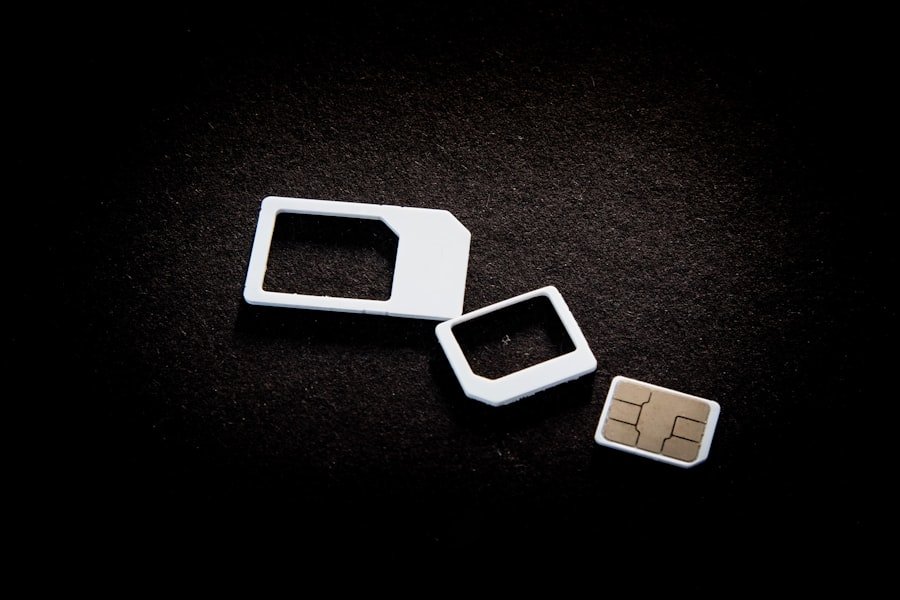
A Subscriber Identity Module (SIM) card is a small, removable card that is inserted into mobile devices to authenticate the user on a mobile network. It stores essential information such as the International Mobile Subscriber Identity (IMSI), which is crucial for connecting to the network, as well as contacts and text messages. Traditional SIM cards come in various sizes—standard, micro, and nano—allowing them to fit into different devices.
The physical nature of SIM cards means they can be easily swapped between devices, making it convenient for users who may want to change phones or carriers. In contrast, an embedded SIM (eSIM) is a more recent innovation that eliminates the need for a physical card. Instead, the eSIM is built directly into the device’s motherboard.
This technology allows users to switch carriers or plans without needing to physically replace a card. The eSIM can be programmed remotely, which means that users can download different profiles for various networks, making it particularly advantageous for travelers who may want to avoid roaming charges. The flexibility of eSIM technology is revolutionizing how we think about mobile connectivity, especially in an increasingly globalized world.
Key Takeaways
- SIM stands for Subscriber Identity Module and is a physical card that can be inserted into a mobile device to connect to a cellular network.
- eSIM, or embedded SIM, is a digital SIM card that is built into a device and can be activated with a mobile network operator remotely.
- To get a SIM card in Italy, visit a local mobile network provider’s store or purchase one from a kiosk, and be prepared to show identification.
- To activate an eSIM in Italy, contact a mobile network operator and follow their instructions to download and install the eSIM profile onto your device.
- When choosing a plan for tourists in Italy, consider the duration of your stay, the amount of data and minutes you need, and whether you will be traveling within the country or to other European destinations.
How to Get a SIM Card in Italy
Convenient Options at Airports
At the airport, kiosks often provide SIM cards specifically designed for short-term visitors, which can be convenient for those who want immediate connectivity.
Required Documentation and Setup
To purchase a SIM card in Italy, you will need to present valid identification, such as a passport. This requirement is part of Italy’s regulations aimed at preventing fraud and ensuring security. Once you have selected your plan and provided the necessary documentation, the staff will assist you in inserting the SIM card into your device and may even help with initial setup.
Comparing Plans and Perks
It’s advisable to compare different plans before making a purchase, as prices and data allowances can vary significantly between providers. Some plans may include additional perks like free calls or texts within Italy or to other countries.
How to Activate an eSIM in Italy

Activating an eSIM in Italy involves a few steps that are generally user-friendly but may differ slightly depending on the carrier you choose. First, ensure that your device supports eSIM technology; most modern smartphones do, but it’s always good to double-check. Once you arrive in Italy and have selected a carrier, you will typically receive a QR code from the provider.
This QR code contains all the necessary information to activate your eSIM profile. To activate the eSIM, navigate to your device’s settings and locate the cellular or mobile data section. Here, you will find an option to add a new cellular plan.
Scanning the QR code provided by your carrier will initiate the activation process. After scanning, follow any on-screen prompts to complete the setup. In some cases, you may need to restart your device for the changes to take effect.
It’s important to ensure that your device is connected to Wi-Fi during this process, as downloading the eSIM profile may require an internet connection.
Choosing the Right Plan for Tourists
| Plan Name | Features | Price |
|---|---|---|
| Basic Plan | Local calls and texts, 1GB data | 20 |
| Standard Plan | Local and international calls and texts, 5GB data | 40 |
| Premium Plan | Unlimited calls and texts, 10GB data, international roaming | 60 |
When selecting a mobile plan as a tourist in Italy, it’s essential to consider your specific needs regarding data usage, duration of stay, and budget. Most providers offer prepaid plans that cater specifically to tourists, which can include various data packages ranging from a few gigabytes to unlimited options. For instance, if you plan on using your phone primarily for navigation and social media updates, a plan with 5-10 GB of data might suffice.
However, if you intend to stream videos or use data-intensive applications frequently, opting for a higher data allowance would be prudent. Additionally, consider whether you need international calling or texting capabilities. Some plans may offer free calls to certain countries or unlimited texting within Italy and abroad.
It’s also worth checking if the plan includes any additional features such as free Wi-Fi hotspots or discounts on local services. Reading reviews and comparing different plans online can provide valuable insights into which options are best suited for your travel itinerary and communication needs while in Italy.
Using Data and Roaming with a SIM or eSIM in Italy
Once you have your SIM or eSIM activated in Italy, using data and roaming services becomes relatively straightforward. Most local providers offer extensive coverage across urban areas and popular tourist destinations, ensuring that you remain connected throughout your travels. However, it’s important to be aware of how data usage is tracked and billed under your chosen plan.
Many prepaid plans operate on a pay-as-you-go basis, meaning that once you exhaust your data allowance, you may either incur additional charges or experience throttled speeds. If you plan on traveling outside major cities or into rural areas, it’s advisable to check the coverage maps provided by your carrier. Some regions may have limited service or slower data speeds due to fewer cell towers.
Additionally, if you are considering using your Italian SIM card while traveling to neighboring countries, be aware of roaming charges that may apply. While many European countries have adopted regulations that limit roaming fees within the EU, it’s still wise to confirm with your provider about any potential costs associated with using your Italian SIM card abroad.
Troubleshooting Common Issues with SIM and eSIM
Difficulty Connecting to the Network
One frequent problem is difficulty connecting to the network after activation. If you find that your device shows “No Service” or “Searching,” first ensure that airplane mode is turned off and that your device is not locked to another carrier’s network.
APN Settings Issues
Another issue could arise from incorrect APN (Access Point Name) settings, which are necessary for accessing mobile data services. If you are unable to use mobile data despite having an active plan, check with your provider for the correct APN settings and manually input them into your device’s settings.
Troubleshooting Slow Data Speeds and Disconnections
Additionally, if you experience slow data speeds or frequent disconnections, it may be worth contacting customer support for assistance or troubleshooting tips specific to your plan.
Tips for Saving Money on SIM and eSIM Usage in Italy
Travelers looking to save money on their mobile connectivity while in Italy can employ several strategies when using a SIM or eSIM. One effective approach is to carefully assess your data needs before selecting a plan; opting for a package that aligns closely with your expected usage can prevent unnecessary expenses. For instance, if you primarily use Wi-Fi at hotels or cafes, consider choosing a lower data plan and supplementing it with Wi-Fi access instead.
Another way to save money is by taking advantage of promotional offers or discounts available through local carriers. Many providers run special deals for tourists that include bonus data or reduced rates for specific durations. Additionally, consider using messaging apps like WhatsApp or Skype over Wi-Fi instead of traditional SMS or calls; this can significantly reduce costs associated with international communication.
Lastly, keep an eye out for free public Wi-Fi hotspots in cities; many cafes and restaurants offer complimentary internet access that can help conserve your mobile data.
Returning or Disposing of Your SIM or eSIM Card After Your Trip
At the end of your trip to Italy, it’s important to know how to properly handle your SIM or eSIM card. For physical SIM cards, returning them is generally not required; however, if you purchased a prepaid plan with a specific duration and unused balance remains on the card, some providers may allow you to return it for a partial refund or credit towards future purchases. Always check with the carrier regarding their policies on unused balances before leaving.
For eSIMs, since they are embedded within your device and not physically removable like traditional SIM cards, there’s no need for disposal in the conventional sense. However, if you wish to remove the eSIM profile from your device after your trip, navigate back to the cellular settings where you initially activated it and select the option to delete the profile. This action will ensure that no residual data remains associated with that profile on your device.
Properly managing both types of cards ensures compliance with local regulations and helps maintain security over personal information stored on these devices during your travels.
If you are planning a trip to Italy and are looking for information on getting a SIM card or eSIM for tourists, you may want to check out this article on Tagline Today. It provides helpful tips and recommendations for staying connected while traveling in Italy.
FAQs
What is a SIM card?
A SIM card, or Subscriber Identity Module card, is a small chip that is inserted into a mobile phone to identify the user and connect to a mobile network.
What is an eSIM?
An eSIM, or embedded SIM, is a digital SIM card that is embedded directly into a device, such as a smartphone or smartwatch, and can be activated and managed remotely.
Can tourists use SIM cards in Italy?
Yes, tourists can purchase and use SIM cards in Italy to access mobile networks and make calls, send texts, and use data services.
Can tourists use eSIM in Italy?
Yes, tourists can use eSIM in Italy if their device supports eSIM technology and if the mobile network providers in Italy offer eSIM activation.
Where can tourists purchase SIM cards in Italy?
Tourists can purchase SIM cards in Italy at mobile network provider stores, electronics stores, convenience stores, and at the airport.
What are the requirements for purchasing a SIM card in Italy as a tourist?
Tourists will need to present a valid passport or ID and provide a local address in Italy to purchase a SIM card.
What are the benefits of using a SIM card or eSIM in Italy as a tourist?
Using a SIM card or eSIM in Italy as a tourist allows for affordable access to mobile networks, making it easier to stay connected, navigate, and communicate while traveling.