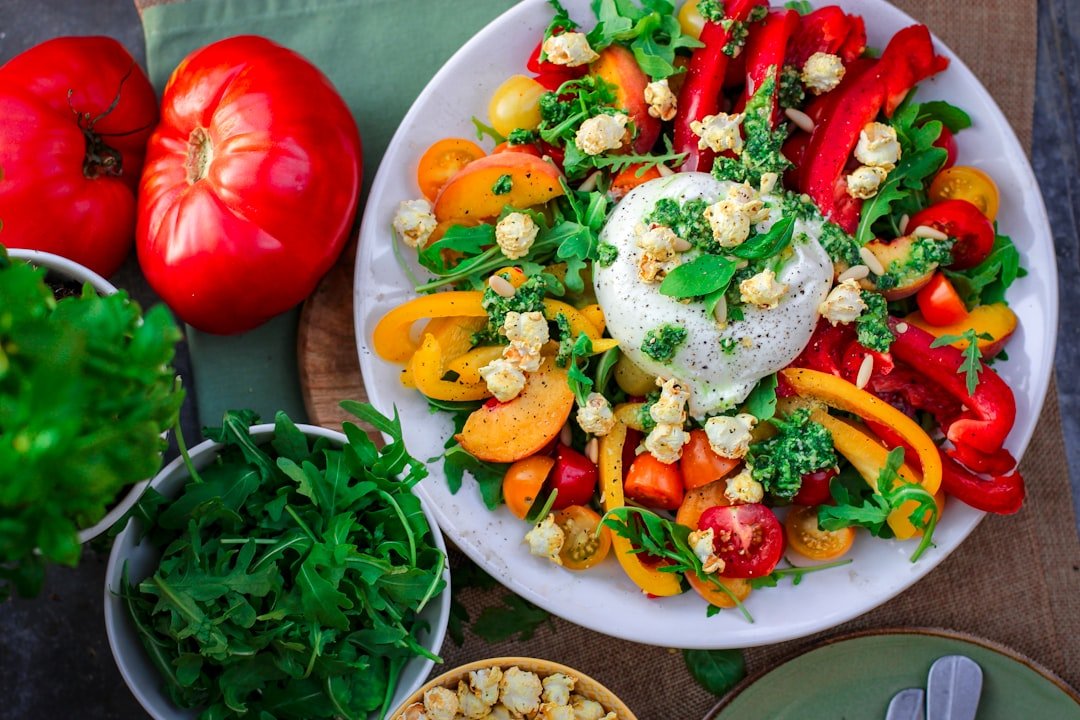
Vegetarian travel in Switzerland is usually straightforward once you know which dishes need an ingredient check. Large cities and tourist centers offer dedicated vegetarian restaurants, international food, and clearly labeled supermarket products. In smaller villages and mountain areas, a little planning helps you avoid meat stock, bacon, lard, gelatin, and cheese made with animal rennet.
Quick Answer
Vegetarian food is easy to find in Switzerland’s larger cities and tourist hubs, but traditional dishes need a quick ingredient check. Order rösti, fondue, raclette, Birchermüesli, cheese tarts, or vegetable-based meals, then ask about meat stock, bacon, lard, gelatin, and animal rennet. V-Label supermarket products make day trips simpler.
Key Takeaways
- Fondue, raclette, rösti, soup, and cheese dishes can be vegetarian, but the recipe and side dishes matter.
- Ask about meat stock, bacon, lard, gelatin, animal rennet, and fish-based sauces when ingredients are unclear.
- Zurich, Geneva, Basel, Bern, and Lausanne generally provide the widest restaurant choice.
- Coop, Migros, station shops, and larger supermarkets carry convenient vegetarian and vegan products.
- Look for the vegetarian or vegan V-Label when you want clearer packaged-food guidance.
- Buy food before mountain excursions because village shops, huts, and restaurants may have limited menus or opening hours.
What’s in This Article
- What Counts as Vegetarian Food in Switzerland?
- Traditional Swiss Vegetarian Dishes
- Popular Vegetarian Restaurants in Switzerland
- Vegetarian-Friendly Cities in Switzerland
- Tips for Dining as a Vegetarian in Switzerland
- Vegetarian Food Markets and Stores in Switzerland
- Sample Vegetarian Day in Switzerland
- Swiss Vegetarian Food Festivals and Events
- Vegetarian-Friendly Accommodation in Switzerland
- Health and Nutrition Considerations
- Sustainability and Vegetarianism in Switzerland
- Embracing Vegetarianism in Switzerland
- Frequently Asked Questions
- Sources
What Counts as Vegetarian Food in Switzerland?
Vegetarian food does not contain meat, poultry, fish, or seafood. An ovo-lacto vegetarian diet can include eggs and dairy products, while a vegan diet excludes all animal-derived foods. These differences matter in Switzerland because many familiar dishes use cheese, milk, cream, butter, or eggs.
A meal that looks meat-free may still contain meat stock, bacon, lard, gelatin, or fish-based seasoning. Strict vegetarians may also avoid cheese made with animal rennet. Vegan travelers need to check dairy, eggs, honey, butter, cream, and other animal-derived ingredients.
On packaged foods, look for a clear vegetarian or vegan symbol. The V-Label used on many Swiss supermarket products distinguishes vegetarian food from fully vegan food. Still read the ingredient and allergen information because recipes can change.
Warning: A vegetarian or vegan label does not mean a food is safe for every allergy. If you have a serious allergy, ask about ingredients, shared fryers, preparation surfaces, and kitchen cross-contact directly.
Traditional Swiss Vegetarian Dishes
Traditional Swiss cuisine includes several dishes that can fit a vegetarian diet. However, the exact recipe may change by region, restaurant, and household. Use the table below to see what to order and what to ask before you order it.
| Dish | What It Usually Contains | What to Check |
|---|---|---|
| Cheese fondue | Melted cheese, bread, wine, and seasonings | Animal rennet in the cheese and any meat served on the side |
| Raclette | Melted raclette cheese, potatoes, pickles, and onions | Animal rennet and charcuterie placed on the same plate |
| Rösti | Grated potatoes fried until crisp | Lard, bacon, ham, sausage, or meat gravy |
| Älplermagronen | Macaroni, potatoes, cheese, cream, onions, and applesauce | Bacon, meat stock, and animal rennet |
| Birchermüesli | Oats, apple, milk or yogurt, nuts, and fruit | Dairy and honey if you are vegan |
| Chäschüechli | Small cheese tart made with pastry, cheese, milk, and egg | Animal rennet and animal fat in the pastry |
| Polenta with mushrooms | Cornmeal, mushrooms, herbs, butter, or cheese | Meat stock, butter, cream, and animal rennet |
| Vegetable soup | Seasonal vegetables, herbs, and sometimes cream | Chicken, beef, or other meat-based bouillon |
Cheese fondue sits near the top of many visitors’ lists. It normally combines melted cheese, bread, wine, and seasoning. Some restaurants also serve potatoes, pickles, or vegetables, allowing you to build a full meat-free meal when the cheese meets your dietary requirements.
Rösti is another useful choice. This crisp potato dish may come plain or with cheese, mushrooms, onions, spinach, herbs, or a fried egg. Ask what cooking fat is used and request it without bacon, ham, sausage, or meat gravy.
Raclette is traditionally served with melted cheese, potatoes, pickles, and onions. Meat is often served separately, so explain your diet when ordering and ask for a clean plate without charcuterie.
Other possibilities include cheese tarts, mushroom dishes, vegetable quiches, polenta, salads, breads, and Birchermüesli. Seasonal produce shapes many menus, with potatoes, cheese, and warming dishes common in winter and more salads, fruit, and fresh vegetables available in warmer weather.
Note: Some cheeses use animal rennet. If this matters to you, ask the restaurant or choose a product with a recognized vegetarian label. Swissveg explains why not every cheese meets strict vegetarian criteria.
Popular Vegetarian Restaurants in Switzerland
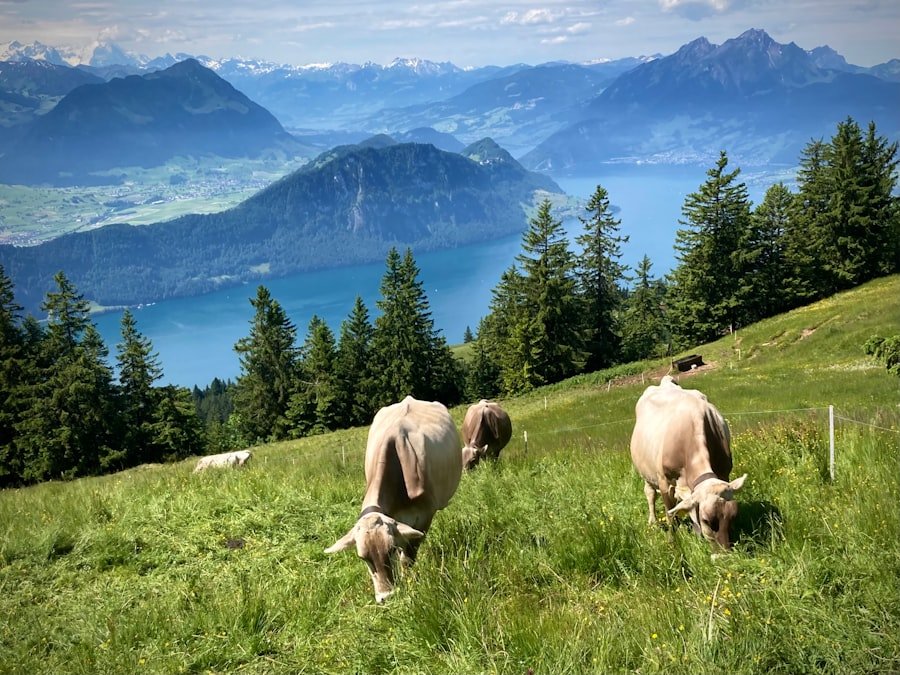
Switzerland has dedicated vegetarian restaurants, vegan cafés, buffet restaurants, and international kitchens with clearly marked meat-free dishes. Opening hours, menus, and locations can change, so confirm the details on the restaurant’s official website before making a special journey.
Zurich
Haus Hiltl is the best-known historic example. The restaurant traces its history to 1898 and is recognized by Guinness World Records as the world’s oldest vegetarian restaurant. It offers vegetarian and vegan dishes in central Zurich.
tibits is another useful option for buffet-style vegetarian and vegan food. Its official location page should be checked for current restaurants, hours, and reservation information.
Geneva
Geneva’s international dining scene makes it easier to find Indian, Middle Eastern, Mediterranean, Asian, and fully plant-based meals. Current examples listed by Geneva Tourism include Tonic, a vegetarian buffet restaurant, and other vegan-focused cafés and restaurants.
Basel and Lausanne
Basel and Lausanne both have dedicated and vegetarian-friendly restaurants. For current options, use the official Basel vegetarian restaurant guide and Lausanne’s vegetarian and vegan guide. These directories are more dependable than an old static restaurant list because businesses can open, close, or change their menus.
Smaller cities and resort towns
Bern, Lucerne, Interlaken, and other tourist centers usually provide vegetarian choices near stations, old towns, and busy visitor areas. Dedicated restaurants may be less common than in Zurich or Geneva, but Swiss, Italian, Indian, Lebanese, Thai, and other international restaurants can provide useful alternatives.
Pro Tip: Check the current menu rather than relying only on a “vegetarian-friendly” description. A restaurant may offer several vegetarian dishes at lunch but only one option at dinner or during a seasonal menu change.
Vegetarian-Friendly Cities in Switzerland
Larger cities generally offer more dedicated restaurants, delivery choices, international cuisines, and labeled supermarket products. The table below is a practical guide rather than a formal national ranking.
| City | What to Expect | Useful Areas to Check | Why It Is Practical |
|---|---|---|---|
| Zurich | The widest mix of dedicated vegetarian restaurants, vegan cafés, buffets, and international food | Old Town, Bahnhofstrasse, Kreis 4, Langstrasse, and the main station area | Strong restaurant choice and extensive takeaway and supermarket access |
| Geneva | Vegetarian buffets, vegan cafés, and broad international cuisine | City center, Plainpalais, Eaux-Vives, and the Cornavin station area | International menus make lentil, falafel, curry, pasta, and vegetable dishes easier to find |
| Basel | Dedicated restaurants, modern cafés, vegan dishes, and international choices | Old Town, Kleinbasel, Marktplatz, and Basel SBB | Compact center with restaurants and shops within easy walking distance |
| Lausanne | Vegetarian buffets, vegan cafés, bakeries, and health-focused restaurants | Station area, Flon, Riponne, city center, and Ouchy | Useful official tourism listings and several central meat-free options |
| Bern | Vegetarian restaurants, bakeries, cafés, and supermarket meals | Old Town and the main station area | The compact historic center makes it easy to compare menus before choosing |
| Lucerne and Interlaken | Swiss classics, tourist-oriented restaurants, international food, and station shops | Town centers, lakefront areas, and railway stations | Visitor demand usually creates more choice than in remote villages |
Zurich normally gives you the broadest range, from casual takeout and buffets to sit-down meals. Geneva is particularly useful for global cuisines, while Basel, Lausanne, and Bern combine compact centers with markets, cafés, bakeries, and modern restaurants.
In smaller towns, search menus before arriving and identify at least one backup supermarket or bakery. This is especially useful on Sundays, public holidays, and mountain travel days.
Tips for Dining as a Vegetarian in Switzerland
Switzerland is multilingual. German, French, and Italian are used in different regions, while Romansh is also a national language. The Swiss Federal Chancellery provides an overview of the country’s official-language system.
Useful vegetarian phrases
| Language | Phrase | Meaning |
|---|---|---|
| German | Ich esse kein Fleisch und keinen Fisch. | I do not eat meat or fish. |
| German | Ist das vegetarisch? | Is this vegetarian? |
| French | Je ne mange ni viande ni poisson. | I eat neither meat nor fish. |
| French | Est-ce végétarien? | Is this vegetarian? |
| Italian | Non mangio carne né pesce. | I do not eat meat or fish. |
| Italian | È vegetariano? | Is this vegetarian? |
You can also say “Ich bin Vegetarier” or “Ich bin Vegetarierin” in German and “Je suis végétarien” or “Je suis végétarienne” in French. A sentence explaining exactly what you do not eat is often clearer than relying only on a dietary label.
Hidden ingredients to ask about
- Stock or bouillon: Vegetable soup, risotto, polenta, and sauce may use chicken or beef stock.
- Bacon or ham: Rösti, pasta, salad, and vegetable dishes may include small meat toppings.
- Lard: Potatoes, pastry, or fried foods may use animal fat.
- Animal rennet: Some cheese does not meet a strict vegetarian standard.
- Gelatin: Desserts, sweets, yogurt products, and glazes may contain it.
- Fish sauce or anchovy: These may appear in international sauces, dressings, and seasoning pastes.
- Eggs and dairy: These matter for vegan travelers, especially in pastry, pasta, desserts, and sauces.
Simple dining strategies
- Check the current menu online before making a reservation.
- Ask whether soup, risotto, and sauce use vegetable stock.
- Look for “vegetarisch,” “végétarien,” “vegetariano,” or “vegan” on menus.
- Choose Indian, Lebanese, Ethiopian, Italian, Thai, or other international restaurants when a traditional menu has limited choices.
- Carry a translated dietary card if you have strict requirements.
- Confirm whether a side dish is cooked separately from meat.
- Keep a supermarket or bakery as a backup for late arrivals and day trips.
Pro Tip: Major Swiss railway stations often contain supermarkets, bakeries, convenience stores, restaurants, and takeaways. Check the official SBB station directory for current facilities and opening hours.
Vegetarian Food Markets and Stores in Switzerland
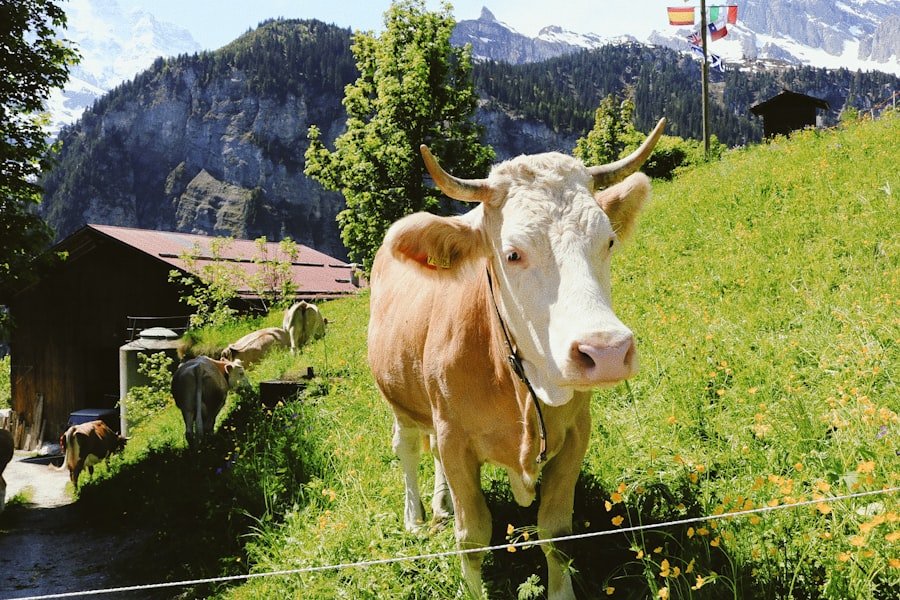
Swiss food markets can help you eat well without relying only on restaurants. Farmers’ markets commonly sell fruit, vegetables, bread, cheese, nuts, preserves, baked goods, and regional snacks. Market schedules vary by town and season, so check the local tourism or municipal website before visiting.
Large supermarket chains such as Coop and Migros carry vegetarian and vegan products. Depending on the store, you may find plant-based milk, tofu, hummus, meat alternatives, vegetable spreads, salads, soups, pasta, dairy-free yogurt, and ready meals.
Coop states that its own-label products displayed as vegetarian or vegan use the relevant V-Label. Migros also offers V-Label-certified products through plant-based ranges. Use the label as a quick guide, then read the ingredients and allergen information before buying.
Easy supermarket meal ideas
- Bread, labeled vegetarian cheese, tomatoes, fruit, and nuts
- Hummus, vegetable sticks, olives, and flatbread
- Ready-made salad with lentils, beans, tofu, egg, or cheese
- Vegetable soup with bread, after checking the stock
- Plant-based yogurt with oats, fruit, and seeds
- Vegetarian pasta or grain salad for a train journey
Buy supplies before leaving a larger town for a mountain excursion. Resort villages may have useful stores, but their selection and opening hours can be more limited. Mountain restaurants and huts may also have only one meat-free main course.
Sample Vegetarian Day in Switzerland
A simple meal plan can reduce decision-making during a busy sightseeing day. Adjust the ingredients for vegan, allergy, or strict-vegetarian requirements.
- Breakfast: Birchermüesli, bread, jam, fruit, yogurt, cheese, or a plant-based yogurt alternative.
- Morning snack: Fruit, nuts, a bakery roll, or a labeled supermarket snack.
- Lunch: Plain rösti with mushrooms and salad, Älplermagronen without bacon, or a vegetarian buffet plate.
- Afternoon snack: Bread with hummus, a cheese tart, or a vegan bakery item.
- Dinner: Fondue or raclette after checking the cheese, or an Indian, Lebanese, Ethiopian, Italian, or Asian vegetable-based meal.
For a vegan version, replace dairy products with labeled plant-based alternatives and choose meals based on beans, lentils, tofu, vegetables, grains, nuts, and seeds. Confirm that sauces, soups, bread, and desserts do not contain dairy, egg, honey, gelatin, or meat stock.
Swiss Vegetarian Food Festivals and Events
Switzerland hosts vegan fairs, plant-based exhibitions, farmers’ markets, street-food festivals, and broader culinary events during the year. Some are fully vegetarian or vegan, while others simply include several suitable vendors.
Dates, venues, and vendor lists can change. Search the live Switzerland Tourism culinary events calendar, then visit the organizer’s website to confirm the current program.
What to check before attending
- Whether the event is fully vegetarian, fully vegan, or mixed
- Which vendors will provide meat-free meals
- Whether vegan and vegetarian dishes are clearly labeled
- Ticket requirements and payment methods
- Opening times and the final serving time
- Allergen information and cross-contact procedures
- Whether outside food and drinks are allowed
Food events can be useful when you travel with people who follow different diets. Mixed street-food festivals often let each person order from a different vendor, while dedicated plant-based fairs make ingredient checking easier.
Vegetarian-Friendly Accommodation in Switzerland
Many Swiss hotels can provide a vegetarian breakfast from foods such as bread, jam, fruit, cereal, yogurt, cheese, eggs, and coffee. Vegan travelers should contact the property before arrival because dairy-free choices and hot vegan dishes vary.
Eco-lodges, guesthouses, hostels with kitchens, serviced apartments, and wellness hotels may provide more flexibility. Self-catering accommodation can be especially helpful in small towns or mountain areas where restaurants close early.
Questions to ask before booking
- Does breakfast include a vegetarian or vegan protein source?
- Are plant-based milk and yogurt available?
- Can the kitchen prepare a meat-free dinner?
- Does soup or sauce use vegetable stock?
- Is there a refrigerator or guest kitchen?
- How far is the nearest supermarket or restaurant?
- What time do nearby restaurants stop serving food?
Send your request in writing when your diet is strict. This gives the property time to confirm what it can provide and reduces confusion at check-in.
Health and Nutrition Considerations
A balanced vegetarian diet can support good health when it includes vegetables, fruit, whole grains, legumes, nuts, seeds, and suitable dairy, egg, or fortified alternatives. The Swiss Federal Food Safety and Veterinary Office states that a balanced ovo-lacto vegetarian diet can provide healthy adults with essential nutrients.
Important nutrients include protein, iron, zinc, vitamin B12, iodine, calcium, vitamin D, and omega-3 fats. While traveling, it is easy to rely heavily on bread, potatoes, cheese, and sweets, so add legumes, vegetables, fruit, nuts, seeds, eggs, tofu, or other protein-rich foods when possible.
People following a vegan diet need a reliable source of vitamin B12 through an appropriate supplement or fortified products. The Swiss federal vegetarian and vegan nutrition guidance also recommends professional advice when careful planning is needed.
Health note: This guide provides general travel and food information, not personal medical advice. Speak with a qualified doctor or registered dietitian about supplements, pregnancy, childhood nutrition, medical conditions, or a highly restricted diet.
Sustainability and Vegetarianism in Switzerland
Many travelers choose more plant-focused meals to reduce their environmental impact. Research generally finds that plant foods tend to have lower land-use and greenhouse-gas impacts than many animal products, although the result depends on the food, production method, transport, processing, packaging, and waste.
The Food and Agriculture Organization’s sustainable dietary guidance supports eating more plant-based food, choosing seasonal and local products when practical, and reducing food waste.
Practical ways to eat more sustainably
- Choose seasonal vegetables and fruit when available.
- Try beans, lentils, tofu, nuts, and grains instead of relying only on cheese.
- Buy only the amount of food you can finish.
- Carry a reusable bottle and food container where practical.
- Choose minimally packaged snacks.
- Use public transport to reach markets, restaurants, and attractions.
- Balance local sourcing with the overall type of food rather than assuming every local product has the lowest impact.
You do not need a perfect diet to make useful changes. A few carefully chosen meat-free meals can introduce you to Swiss produce, breads, grains, cheeses, and regional cooking while reducing reliance on meat-heavy dishes.
Embracing Vegetarianism in Switzerland
Vegetarian food in Switzerland goes far beyond a simple salad. You can enjoy crisp potato dishes, cheese specialties, fresh market food, vegetarian buffets, international cooking, and modern plant-based meals in many cities.
The best approach is to combine Swiss classics with careful ingredient questions. Check menus, learn a few useful phrases, look for the V-Label, and carry backup food on mountain trips. This lets you explore Swiss food culture without compromising your diet.
For a separate produce-focused read, you can also explore this guide to Asian melon and its uses as a refreshing fruit.
Frequently Asked Questions
What is vegetarian food?
Vegetarian food does not contain meat, poultry, fish, or seafood. Depending on the type of vegetarian diet, it may include dairy products, eggs, honey, and other animal-derived foods. Vegan food excludes all animal-derived ingredients.
What are some popular vegetarian dishes in Switzerland?
Possible choices include cheese fondue, raclette, plain rösti, Älplermagronen, Birchermüesli, cheese tarts, polenta with mushrooms, vegetable soup, salad, and mushroom dishes. Always check the cooking fat, stock, toppings, and cheese rennet.
Are there vegetarian-friendly restaurants in Switzerland?
Yes. Larger cities and tourist centers have dedicated vegetarian restaurants, vegan cafés, buffets, and international restaurants. Zurich, Geneva, Basel, Bern, and Lausanne generally provide the broadest range, but menus and opening hours should be checked before visiting.
What ingredients are common in vegetarian Swiss cuisine?
Common ingredients include potatoes, cheese, bread, pasta, cream, butter, eggs, mushrooms, onions, apples, oats, herbs, grains, and seasonal vegetables. Vegan travelers need to request alternatives to dairy, eggs, honey, and animal-derived cooking ingredients.
Is it easy to find vegetarian food in Switzerland?
It is generally easy in large cities, tourist towns, major railway stations, and supermarkets. Remote villages and mountain restaurants may have fewer choices, so review menus and buy backup food before leaving a larger town.
Are there traditional Swiss vegetarian dishes?
Yes, but the recipe must be checked. Fondue, raclette, rösti, Älplermagronen, Birchermüesli, cheese tart, and polenta can be vegetarian. Meat stock, lard, bacon, and animal rennet are the main concerns.
Can vegans eat easily in Switzerland?
Vegans can eat well in larger cities, where dedicated cafés, international restaurants, and labeled supermarket products are available. Choices may be narrower in small villages, so confirm meals with hotels and carry suitable snacks on day trips.
How do you ask for vegetarian food in Switzerland?
In German, say “Ich esse kein Fleisch und keinen Fisch.” In French, say “Je ne mange ni viande ni poisson.” In Italian, say “Non mangio carne né pesce.” Follow this with a question about stock, cooking fat, and cheese rennet when needed.
Are fondue and raclette always vegetarian?
No. The basic dishes do not require meat, but the cheese may use animal rennet. Raclette may also be served with charcuterie, and shared preparation can occur. Ask the restaurant how the cheese was made and request a meat-free plate.
Can I find vegetarian food in Swiss mountain villages?
Usually, but the selection may be small. Common possibilities include rösti, cheese dishes, soup, salad, bread, and pasta. Check stock, cooking fat, and toppings, and carry a supermarket meal or snack in case the local menu has no suitable option.
Sources
- Switzerland Tourism: Typical Swiss Food — traditional dishes including fondue, rösti, raclette, and Birchermüesli
- Hiltl: Official History — founding date and recognition as the oldest vegetarian restaurant
- Swiss Federal Food Safety and Veterinary Office — vegetarian and vegan nutrition guidance
- Coop: Vegetarian and Vegan Products — Swiss supermarket labeling and V-Label information
- Swiss Federal Railways Station Directory — station shops, restaurants, takeaways, and opening information
- Food and Agriculture Organization: Sustainable Dietary Guidelines — plant-focused diets, seasonal food, and food-waste guidance