Common phrases in Switzerland for tourists are most useful when they match the region you are visiting. Switzerland has four national languages—German, French, Italian, and Romansh—and everyday speech changes by area. You do not need to master them all, but a few local greetings, direction questions, restaurant phrases, and emergency words can make travel much easier.
Quick Answer
Use German or Swiss German greetings in much of central, northern, and eastern Switzerland, French in the west, Italian in Ticino and parts of Graubünden, and Romansh in limited areas of Graubünden. Start with hello, please, thank you, excuse me, directions, food, transport, and emergency phrases.
Last checked: October 1, 2026. Dates and figures were verified against official sources.
Key Takeaways
- German, French, Italian, and Romansh are Switzerland’s national languages, but the language you hear most depends on the region.
- Swiss German is a group of spoken dialects, so Standard German is a practical choice for written phrases and signs in German-speaking areas.
- English is useful in many travel settings, but a local greeting and polite phrase are still worth learning.
- For emergencies, remember 112 for the European emergency number, 117 for police, 118 for fire, and 144 for ambulance.
Which Language Should You Use in Switzerland?
Use the language of the region rather than assuming one language works everywhere. The Swiss federal government describes Switzerland as officially quadrilingual and notes that German, French, Italian, and Romansh are the national languages. At the federal level, German, French, and Italian are official languages, while Romansh is also used for official dealings with Romansh speakers. See the Swiss federal overview of multilingualism.
The Federal Statistical Office’s 2024 data lists German as a main language for 61% of the population, French for 23%, Italian for 8%, and Romansh for 0.4%. English appears as a main non-national language for 6%. Because people can report more than one main language, these figures should not be treated as mutually exclusive shares. See the Federal Statistical Office language data.
| Language | Where you will commonly use it | Simple greeting |
|---|---|---|
| German / Swiss German | Much of central, northern, and eastern Switzerland | Grüezi |
| French | Western Switzerland, including Geneva and Lausanne | Bonjour |
| Italian | Ticino and southern valleys of Graubünden | Buongiorno |
| Romansh | Specific parts of Graubünden | Buondì |
Swiss German is not one single standardized spoken form. The federal language and dialect guide explains that Swiss German includes many Alemannic dialects and that Standard German is normally used in writing. For travelers, that means a Swiss German greeting such as “Grüezi” works well, while Standard German is a safer base for longer prepared sentences.
Common Phrases in Switzerland for Greetings and Introductions
A polite greeting is the easiest phrase to learn and often the most useful. Use the local language when you enter a small shop, approach hotel staff, or ask a stranger for help. Keep the rest of your sentence simple if you are not confident in the language.
| English | German / Swiss German | French | Italian |
|---|---|---|---|
| Hello / good day | Grüezi / Guten Tag | Bonjour | Buongiorno |
| Thank you | Danke | Merci | Grazie |
| Please | Bitte | S’il vous plaît | Per favore |
| Excuse me | Entschuldigung | Excusez-moi | Scusi |
| Do you speak English? | Sprechen Sie Englisch? | Parlez-vous anglais? | Parla inglese? |
English has become an important language of international communication across Switzerland, but it is not one of the national languages. Starting with a local greeting before switching to English is a simple, respectful approach.
Asking for Directions
Keep direction questions short and name the exact place you need. Train stations, bus stops, toilets, hotels, and attractions are easier to identify when you show the name on your phone or map as you ask.
Using Universal Phrases
Start with “Excuse me” and then ask where something is. Useful patterns are “Entschuldigung, wo ist …?” in German, “Excusez-moi, où est …?” in French, and “Scusi, dov’è …?” in Italian.
For a railway station, ask “Wo ist der Bahnhof?”, “Où est la gare?”, or “Dov’è la stazione?” If you need a toilet, use “Wo ist die Toilette?”, “Où sont les toilettes?”, or “Dov’è il bagno?”
Familiarizing Yourself with Directional Vocabulary
Listen for a few direction words even if you cannot follow a full answer. In German, links means left, rechts means right, and geradeaus means straight ahead. In French, gauche is left, droite is right, and tout droit is straight ahead. In Italian, sinistra is left, destra is right, and dritto means straight ahead.
Non-Verbal Cues and Learning Local Phrases
A map, station name, hotel address, or attraction name can prevent misunderstandings. Point to the written destination while asking, then repeat any platform number, street name, or direction you heard to confirm it.
Ordering Food and Drinks
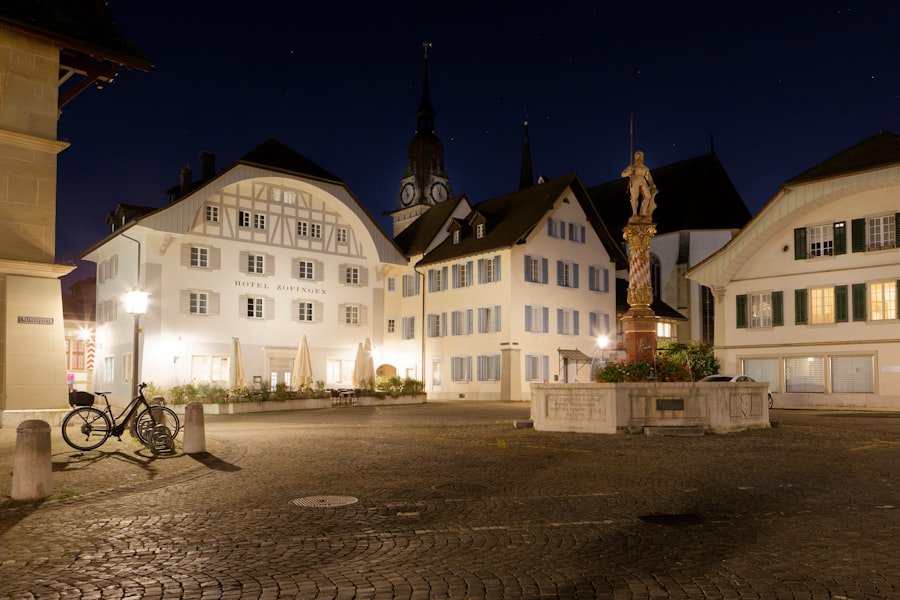
Restaurant phrases are easiest when you learn a few reusable sentence patterns. You can order politely with “Ich hätte gerne …” in German, “Je voudrais …” in French, or “Vorrei …” in Italian. Pointing to the menu while using one of these phrases is perfectly practical.
- “A table for two, please”: “Einen Tisch für zwei, bitte”; “Une table pour deux, s’il vous plaît”; “Un tavolo per due, per favore.”
- “The menu, please”: “Die Speisekarte, bitte”; “La carte, s’il vous plaît”; “Il menù, per favore.”
- “The bill, please”: “Die Rechnung, bitte”; “L’addition, s’il vous plaît”; “Il conto, per favore.”
- “I am vegetarian”: “Ich bin Vegetarier/Vegetarierin”; “Je suis végétarien/végétarienne”; “Sono vegetariano/vegetariana.”
If you have a food allergy, do not rely on a memorized phrase alone. State the allergen clearly, show it in writing if needed, and ask staff to confirm the dish is suitable.
Switzerland Tourism says service is included in restaurant prices, so tipping is not mandatory. Rounding up for good service is common. Its food and drink guidance also recommends reservations in busy settings and notes that many restaurants can accommodate common dietary needs.
Making Reservations
When you reserve a hotel room or restaurant table, give the date, time, number of people, and the name used for the booking. Keep the confirmation email or message available so you can show it if pronunciation becomes difficult.
| Situation | Useful Phrase | Meaning |
|---|---|---|
| German | Ich habe eine Reservierung. | I have a reservation. |
| French | J’ai une réservation. | I have a reservation. |
| Italian | Ho una prenotazione. | I have a reservation. |
For a restaurant, add the party size and time. For a hotel, give the surname on the booking and your arrival date. If plans change, contact the property as early as possible because cancellation terms depend on the individual booking.
Shopping and Bargaining
In regular Swiss shops, displayed prices are normally treated as fixed, so bargaining is not a standard part of everyday retail shopping. At markets or private sales, customs can vary. A polite price question is more useful than starting with a negotiation.
- “How much does this cost?” German: “Wie viel kostet das?” French: “Combien ça coûte?” Italian: “Quanto costa?”
- “Can I pay by card?” German: “Kann ich mit Karte bezahlen?” French: “Puis-je payer par carte?” Italian: “Posso pagare con la carta?”
- “A receipt, please.” German: “Eine Quittung, bitte.” French: “Un reçu, s’il vous plaît.” Italian: “Una ricevuta, per favore.”
Knowing the Swiss franc price before you pay is more useful than memorizing bargaining language. If you are unsure about a total, point to the price and ask the cashier to repeat it slowly.
Emergency Phrases
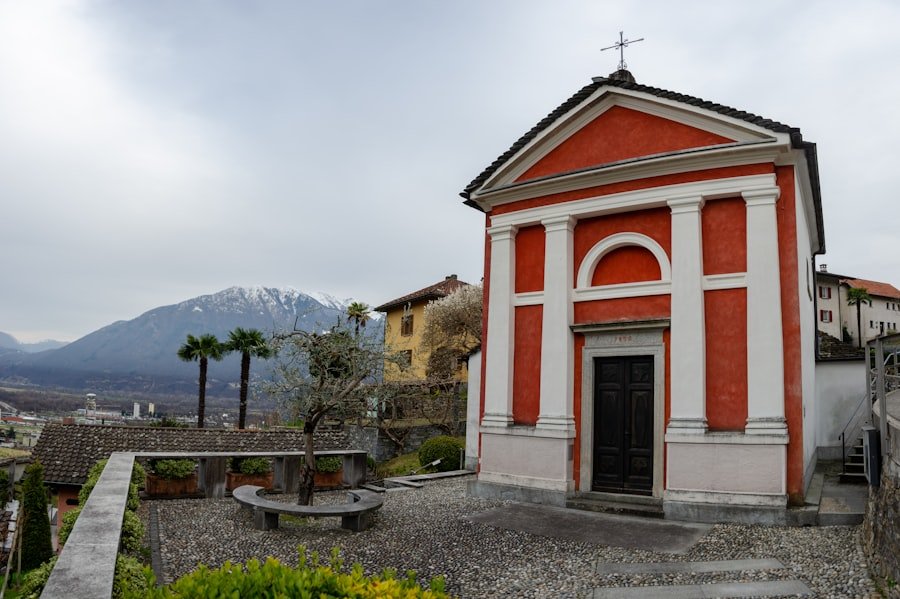
In an emergency, the phone number matters more than perfect pronunciation. Switzerland Tourism lists 117 for police, 118 for fire, 144 for ambulance, 145 for poison emergencies, and 112 as the European emergency number. Keep these numbers with your travel documents or phone notes and see the official emergency-number guidance.
Warning: If someone is in immediate danger, call the appropriate emergency service instead of spending time trying to translate a full sentence. Give your location first if you can.
| Need | German | French | Italian |
|---|---|---|---|
| Help! | Hilfe! | Au secours! | Aiuto! |
| I need a doctor. | Ich brauche einen Arzt. | J’ai besoin d’un médecin. | Ho bisogno di un medico. |
| Where is the nearest hospital? | Wo ist das nächste Krankenhaus? | Où est l’hôpital le plus proche? | Dov’è l’ospedale più vicino? |
Expressing Gratitude
Thanking people is simple and useful throughout Switzerland. “Danke” works in German, “Merci” in French, and “Grazie” in Italian. In German-speaking Switzerland you may also hear “Merci” in everyday speech because Swiss German borrows vocabulary from neighboring languages.
If someone gives directions or helps with luggage, a clear thank-you and a smile are enough. You do not need a special gesture or gift for routine help.
Transportation Phrases
Transport phrases are especially useful because Switzerland’s rail, bus, tram, and boat network uses local place names and platform information. The SBB Mobile app can plan journeys, show trip details, and sell tickets.
- “Where is the train station?” “Wo ist der Bahnhof?” / “Où est la gare?” / “Dov’è la stazione?”
- “Which platform?” “Welches Gleis?” / “Quel quai?” / “Quale binario?”
- “When does the train leave?” “Wann fährt der Zug ab?” / “Quand part le train?” / “Quando parte il treno?”
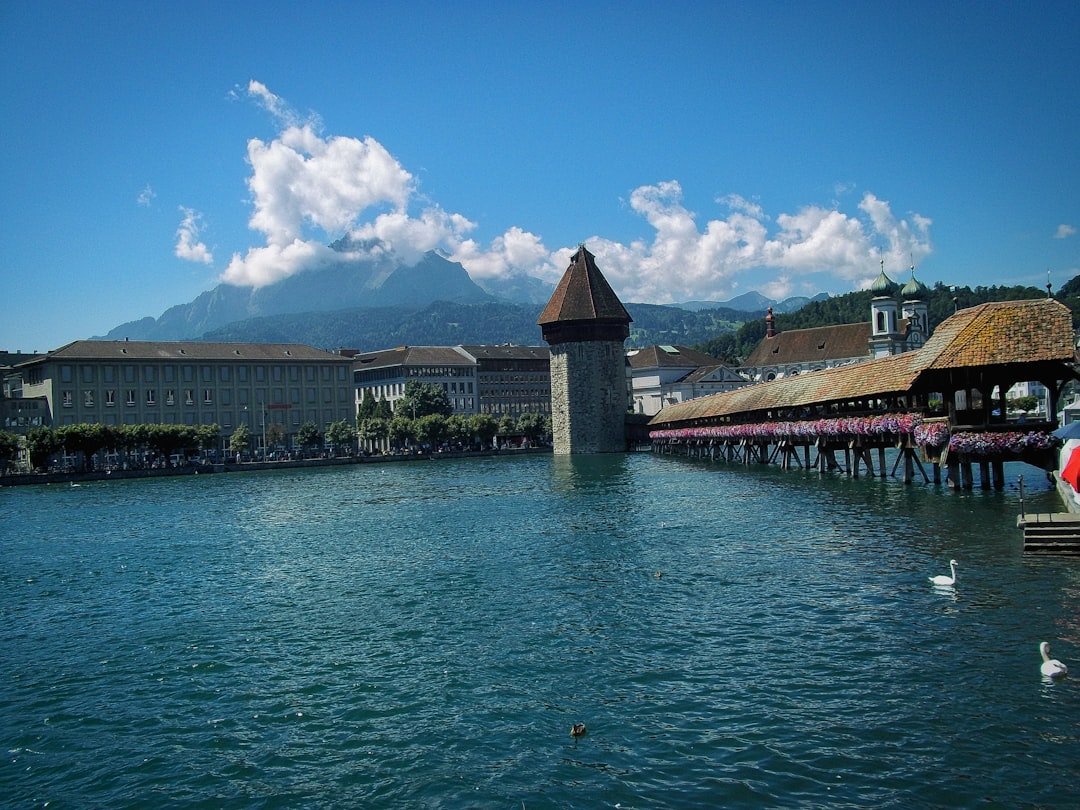
- “One ticket to Lucerne, please.” “Eine Fahrkarte nach Luzern, bitte.” / “Un billet pour Lucerne, s’il vous plaît.” / “Un biglietto per Lucerna, per favore.”
If you buy a digital ticket or use SBB’s EasyRide feature, complete the purchase or check-in before the service departs. SBB states that passengers must have a valid ticket before starting the journey. See its SBB Mobile help page for ticket and check-in rules.
Weather and Climate Phrases
Weather words help when you are deciding whether to hike, take a cable car, or spend the day outdoors. Ask “Wie ist das Wetter heute?”, “Quel temps fait-il aujourd’hui?”, or “Che tempo fa oggi?” for “What is the weather like today?”
Useful words include Regen / pluie / pioggia for rain, Schnee / neige / neve for snow, and windig / venteux / ventoso for windy. In mountain areas, ask about conditions before setting out and be ready to change plans if the weather worsens.
Cultural Etiquette
Politeness is more useful than memorizing rigid social rules. Greet people before making a request, use the formal “Sie,” “vous,” or “Lei” with strangers when you are unsure, and switch to a more informal form only when the other person does.
Do not assume that one Swiss language represents the whole country. Bern, Fribourg, and Valais are officially multilingual cantons, while Graubünden includes German, Romansh, and Italian areas. Language choice can change over a relatively short journey, so look at local signs and listen to the greeting used around you.
For restaurants, service is included and a tip is optional rather than required. For reservations, arrive close to the agreed time or contact the business if you will be late.
Useful Phrases for Exploring Nature and Outdoor Activities
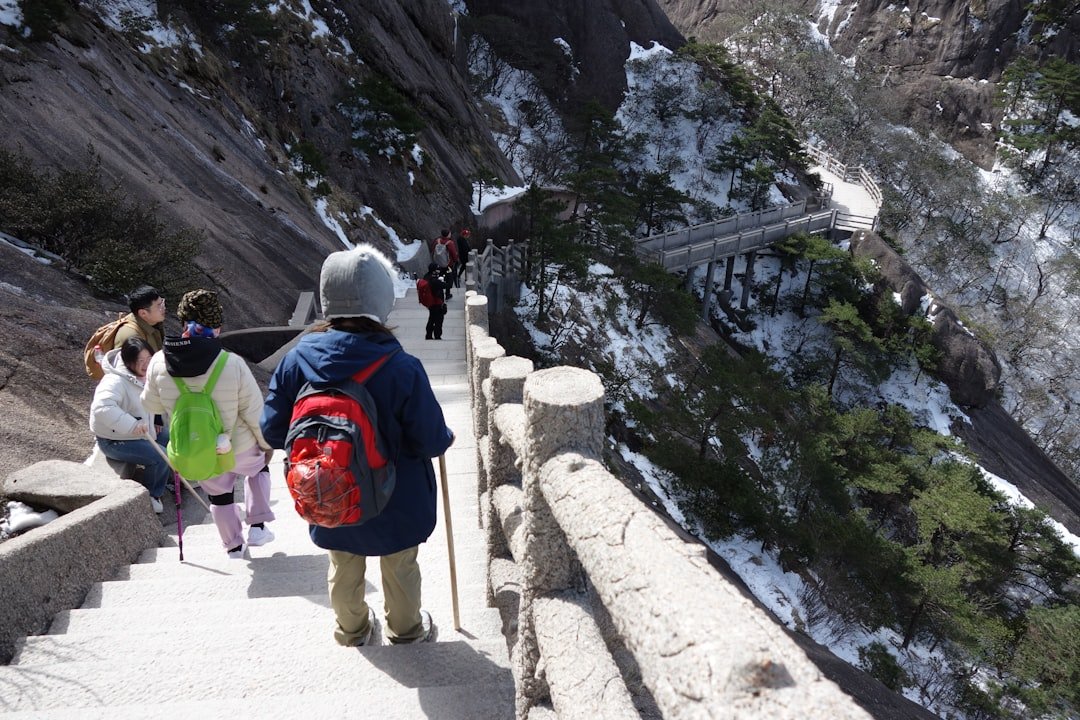
Outdoor phrases are most helpful for asking about route difficulty, weather, and transport back to town. Keep the destination name visible on your map and learn the words for trail, cable car, and station in the language of the region.
- “Is this the trail to …?” German: “Ist das der Weg nach …?” French: “Est-ce le chemin pour …?” Italian: “È questo il sentiero per …?”
- “How long does it take?” German: “Wie lange dauert es?” French: “Combien de temps faut-il?” Italian: “Quanto tempo ci vuole?”
- “Where is the cable car?” German: “Wo ist die Seilbahn?” French: “Où est le téléphérique?” Italian: “Dov’è la funivia?”
Swiss Hiking distinguishes three main trail-sign categories: yellow for hiking trails, white-red-white for mountain hiking trails, and white-blue-white for alpine hiking trails. Its official sign guide explains that the category indicates the route type and the demands placed on hikers.
If you want another food-related read before your trip, see this homemade cottage cheese recipe.
Frequently Asked Questions
What are the most useful common phrases in Switzerland for tourists?
The most useful phrases are hello, please, thank you, excuse me, do you speak English, where is the station, how much does this cost, the bill please, and I need a doctor. Learn them in the main language of the region you will visit.
Is it necessary to speak German in Switzerland as a tourist?
No, German is not necessary everywhere in Switzerland because the country has several language regions. German is especially useful in the largest language area, while French is more useful in the west and Italian in Ticino. English can help in many travel settings, but local phrases are still useful.
What languages are spoken in Switzerland?
Switzerland’s national languages are German, French, Italian, and Romansh. German is the largest main-language group, French is concentrated mainly in the west, Italian is important in Ticino and southern Graubünden, and Romansh is spoken in parts of Graubünden. English is a significant non-national language.
Is Swiss German the same as Standard German?
No, Swiss German refers to a group of Alemannic dialects used in everyday speech in German-speaking Switzerland. Standard German is commonly used in writing. For travelers, a local greeting such as “Grüezi” plus simple Standard German phrases is a practical combination.
What emergency numbers should tourists know in Switzerland?
Use 112 for the European emergency number, 117 for police, 118 for fire, 144 for ambulance, and 145 for poison emergencies. If you call for help, state your location first when possible and then explain what happened as clearly and briefly as you can.
What phrases help with public transportation in Switzerland?
Useful transport phrases include “Where is the station?”, “Which platform?”, “When does the train leave?”, and “One ticket to …, please.” Keep the destination name visible in writing. For digital tickets, complete the purchase or check-in before the service departs.
How much should I tip in Switzerland?
Tipping is not mandatory because service is included in restaurant prices. If service is good, rounding up the bill is common. You do not need to apply a fixed percentage to every meal, and you can simply state the total you want to pay.
Should tourists bargain when shopping in Switzerland?
Usually not in ordinary retail shops, where posted prices are normally treated as fixed. Markets and private sales can have different customs. If you are unsure, ask the price politely first rather than assuming negotiation is expected.
Sources
- Swiss Federal Department of Foreign Affairs: Multilingualism: national languages, federal official-language status, and multilingual regions.
- Swiss Federal Department of Foreign Affairs: Languages and dialects: Swiss German, Standard German, French, Italian, and Romansh usage.
- Federal Statistical Office: Languages, 2024: main-language figures used in the article.
- Switzerland Tourism: Food and drink: restaurant customs, dietary guidance, and tipping.
- Switzerland Tourism: Emergency numbers: police, fire, ambulance, poison, and European emergency numbers.
- SBB: SBB Mobile: journey planning, ticket purchase, and trip information.
- SBB: SBB Mobile help: digital ticket purchase and valid-ticket timing.
- Swiss Hiking: Trail signs: yellow, white-red-white, and white-blue-white trail categories.