Nestled between the glacial waters of Lake Thun and Lake Brienz and overshadowed by the towering peaks of the Eiger, Mönch, and Jungfrau, Interlaken is Switzerland’s undisputed adventure and alpine capital. Whether you are seeking world-class adrenaline sports, serene lakeside promenades, or seamless rail connections into the heights of the Bernese Oberland, this historic resort town serves as the central springboard for exploring the Swiss Alps.
Quick Answer
Interlaken is located in central Switzerland between Lake Thun and Lake Brienz. Easily reached in two hours by direct train from Zurich or Bern, it serves as the premier base for exploring the Jungfrau Region. Top activities include the Harder Kulm viewpoint, tandem paragliding, lake cruises, and excursions to Jungfraujoch and Lauterbrunnen.
Key Takeaways
- Two Rail Stations: Interlaken Ost connects directly to alpine valleys (Lauterbrunnen, Grindelwald), while Interlaken West provides direct access to the old town and Lake Thun.
- Modern Jungfrau Access: The Eiger Express tricable gondola from Grindelwald Terminal cuts travel time to Jungfraujoch by 47 minutes compared to classic cogwheel routes alone.
- Free Local Transit: Overnight visitors paying the local tourist tax receive the Interlaken Guest Card, granting free bus travel within central zone 80.
- Dual Lakes: Lake Brienz features intense turquoise waters and steep cliffs, while Lake Thun offers historic castles, vineyards, and sprawling mountain vistas.
- Currency & Payments: Switzerland uses the Swiss Franc (CHF); cards and mobile payments are universally accepted across stations, mountain lifts, and restaurants.
Getting to Interlaken: Transit, Rail, and Road
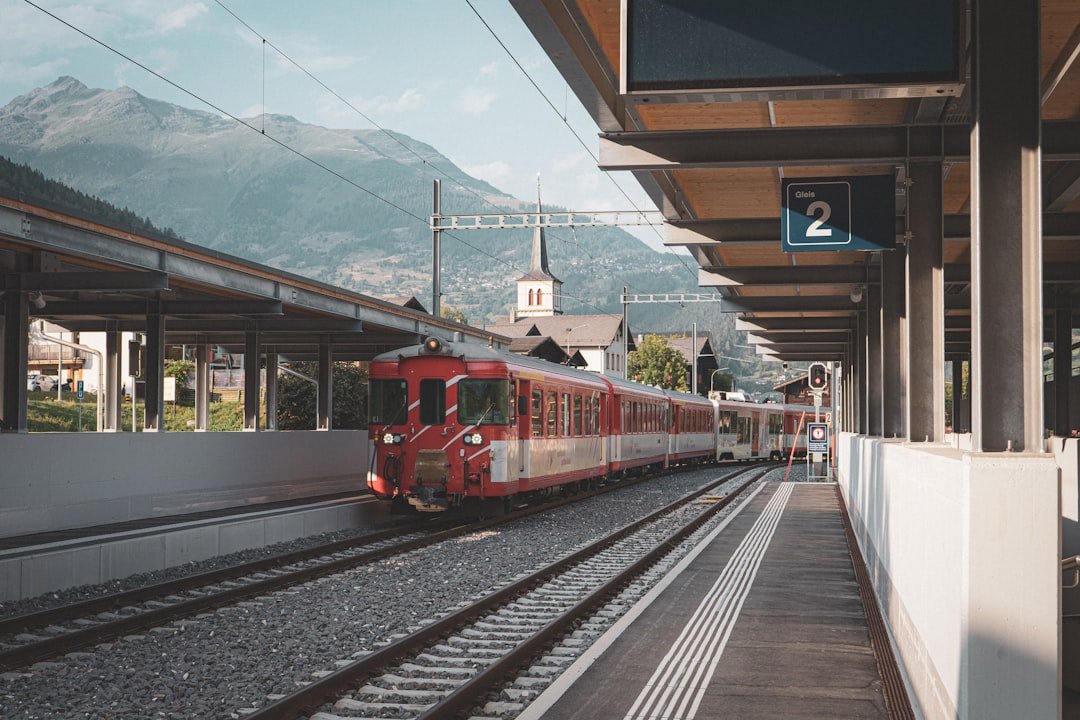
Reaching Interlaken is seamless thanks to the integrated network of the Swiss Federal Railways (SBB). Trains run hourly from major Swiss cities, offering punctuality alongside panoramic alpine views.
The journey from Zurich Hauptbahnhof takes approximately two hours via Bern, with trains departing every 30 minutes. Travelers arriving from Geneva Airport (GVA) can reach Interlaken in roughly two hours and 45 minutes, while the capital city of Bern sits just 50 minutes away by direct InterCity train.
Interlaken features two separate railway stations situated roughly one mile apart:
- Interlaken Ost (East): The central departure hub for all mountain-bound connections into the Jungfrau region, including trains to Grindelwald, Lauterbrunnen, and the scenic Luzern-Interlaken Express over the Brünig Pass.
- Interlaken West: Located near the town center, historic Unterseen, and the boat landing stage for Lake Thun passenger ferries.
Pro Tip: If your itinerary focuses on high-altitude excursions in the Bernese Oberland, compare the national Swiss Travel Pass against the regional Berner Oberland Pass. The regional pass offers broader coverage on local mountain funiculars, cable cars, and both Lake Thun and Lake Brienz steamers.
For motorists, Interlaken connects via the A8 motorway. Driving times hover around one hour from Bern and just under two hours from Zurich. However, many high-alpine villages surrounding Interlaken—such as Wengen and Mürren—are entirely car-free, making public transit the most practical travel method.
International air passengers should book flights into Zurich Airport (ZRH), EuroAirport Basel-Mulhouse-Freiburg (BSL), or Geneva Airport (GVA). Bern Airport (BRN) handles primarily private and charter flights with minimal commercial service.
Top Attractions in Interlaken
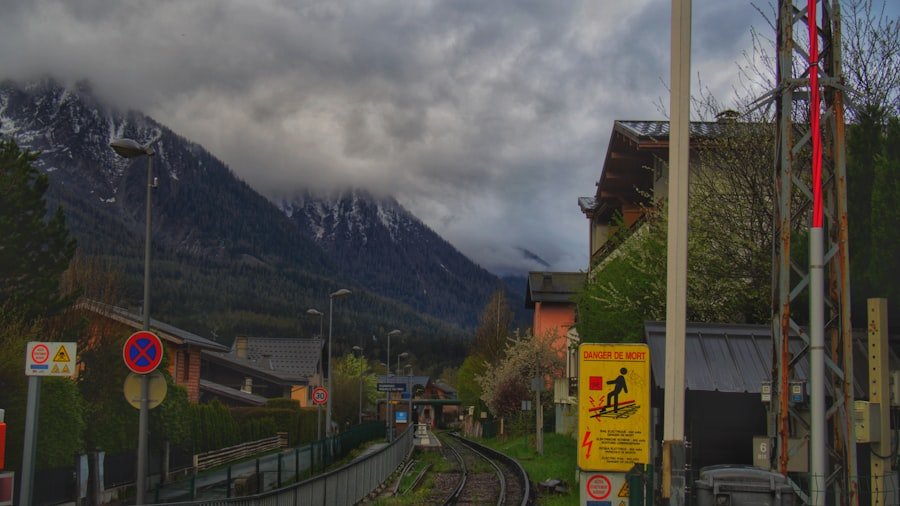
While Interlaken is celebrated as an activity base, the town itself offers several iconic sites that showcase its unique geography between two glacial lakes.
Harder Kulm Viewpoint
Interlaken’s home mountain, Harder Kulm, rises 1,322 meters (4,337 feet) above sea level. Accessible via a steep 10-minute funicular ride originating near Interlaken Ost station, the summit features a dramatic cantilevered glass-bottom viewing platform—the Two Lakes Bridge. From here, visitors take in unobstructed views of both Lake Thun and Lake Brienz, backed by the Eiger, Mönch, and Jungfrau. The Art Nouveau summit restaurant serves traditional Swiss dishes and local craft beer on an expansive outdoor terrace (operational from mid-April through late November).
The Turquoise Waters of the Aare River
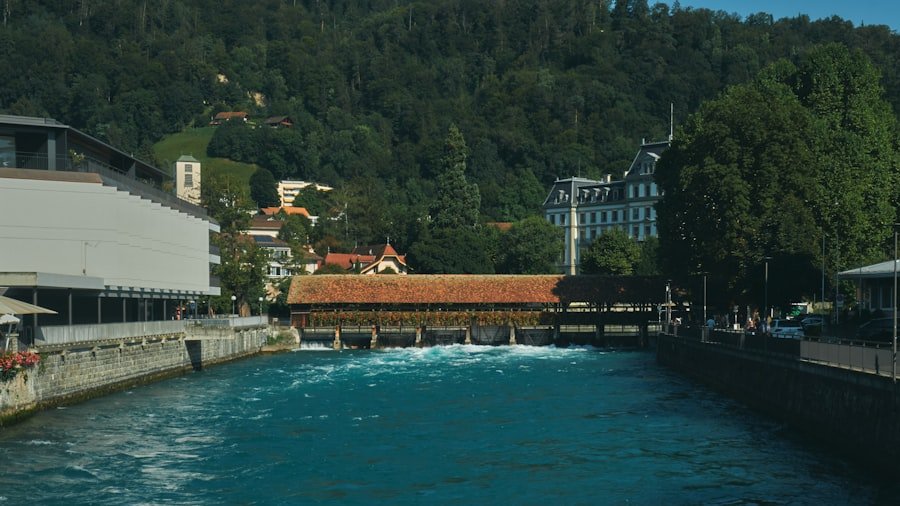
Flowing between Lake Brienz and Lake Thun, the Aare River cuts directly through Interlaken with a distinctive, bright turquoise hue derived from fine glacial silt. The riverside promenade offers level walking paths, shaded benches, and views of historic weir bridges. In the warmer summer months, the riverbanks fill with walkers, cyclers, and photographers.
Höhematte Park
Spanning 35 acres in the center of town, the Höhematte is a protected open meadow that preserves the postcard view of the Jungfrau massif from the central boulevard. Originally acquired by local hotel proprietors in the 19th century to prevent urban obstruction, the park serves today as the primary landing zone for tandem paragliders circling down from the peaks above.
Historic Unterseen
Just across the Aare from the Interlaken West train station lies Unterseen, the oldest municipality in the urban area. Established in the 13th century, its cobblestone square, 15th-century church tower, and timbered chalets offer a quiet contrast to the modern boutiques of central Interlaken.
Outdoor Activities in Interlaken
Known as the Adventure Capital of Europe, Interlaken offers activities that span gentle scenic valley walks to extreme aerial sports. Outdoor operations run year-round, pivoting from water sports and alpine hiking in the summer to skiing and sledding in the winter.
| Activity | Best Season | Primary Location | Difficulty / Key Detail |
|---|---|---|---|
| Paragliding (Tandem) | Year-Round (Weather permitting) | Launch at Beatenberg / Land at Höhematte | Beginner-friendly; ~15–20 min flight time |
| Alpine Hiking | June to October | Schynige Platte, Faulhorn, Hardergrat | Moderate to Strenuous; technical ridges |
| White-Water Rafting | May to September | Lütschine River (Class III–IV) | High thrill; requires strong swimming ability |
| Skydiving | April to October | Helicopter/Plane drop over Lauterbrunnen | Adrenaline; 4,000m jump with glacier views |
| Lake Kayaking & SUP | May to September | Lake Brienz (Bönigen landing) | Easy to Moderate; calm glacial waters |
Hiking: From Panoramic Ridges to High Passes
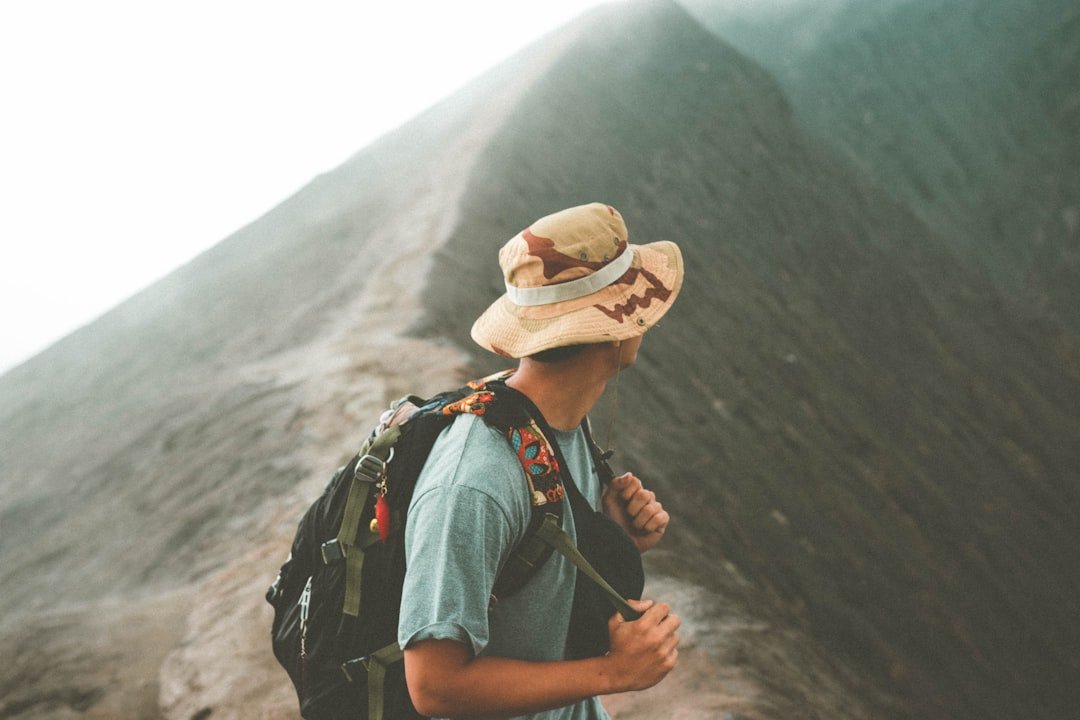
Well-marked trails maintained by the Swiss Hiking Trail Federation spider out from the town limits. A classic option is the historic cogwheel railway to Schynige Platte, the trailhead for the scenic Panoramaweg and the classic 6-hour trek across the Faulhorn ridge to First above Grindelwald.
For seasoned alpine trekkers, the Hardergrat Trail starts behind Harder Kulm and spans an exposed, razor-sharp ridge toward the Brienzer Rothorn. This route requires advanced fitness, solid footing, and complete absence of vertigo.
Warning: Alpine ridge trails such as the Hardergrat should never be attempted during wet, misty, or thunderstorm-prone conditions. Always inspect mountain webcams and local weather forecasts through MeteoSwiss before embarking on exposed routes.
Paragliding and Skydiving
Interlaken is one of the world’s most active flight hubs for tandem paragliding. Vans transport flyers up to the mountain village of Beatenberg, where participants run down a grassy slope to soar 800 meters over the lakes before touching down smoothly in central Höhematte Park. For an even greater aerial perspective, helicopter skydiving flights drop over the Lauterbrunnen Valley, providing close-up views of hanging glaciers and towering rock walls.
Dining and Nightlife in Interlaken
Interlaken’s culinary offerings range from hearty Bernese dairy and meat traditions to diverse international restaurants catering to international visitors.
Traditional Swiss dining centers around regional cheeses. Specialties like Fondue Moitié-Moitié (a blend of Gruyère and Vacherin Fribourgeois), Raclette, and crispy potato Rösti topped with fried eggs and alpine cheese are staples at regional dining rooms like Restaurant Taverne (located in Hotel Interlaken) and Restaurant Laterne. Freshly caught whitefish (Felchen) from Lake Thun and Lake Brienz is featured on lakeside menus in spring and summer.
The town’s evening entertainment is casual and centered on post-excursion socializing. Relaxed gatherings congregate around venues like the Three Tells Irish Pub in Unterseen and Brasserie 17, which serves craft ales alongside regular live music. Travelers seeking high-end mixology often visit the Victoria Bar and cigar lounge inside the historic Victoria-Jungfrau Grand Hotel.
Accommodation Options in Interlaken
Accommodations in Interlaken range from grand 19th-century luxury palaces to self-catering chalets and highly rated international youth hostels. Choosing the right base depends largely on transit preferences:
- Luxury & Historic Grandeur: The five-star Victoria-Jungfrau Grand Hotel & Spa has anchored central Interlaken since 1865, offering fine dining, an extensive 5,500 m² luxury spa, and front-row views of the Jungfrau.
- Mid-Range & Traditional Chalets: Properties such as Hotel Interlaken (operating since the 14th century) and Hotel Du Nord offer modern amenities combined with classic Swiss timber architecture near Interlaken Ost.
- Budget & Hostels: Backpackers Villa Sonnenhof is one of Europe’s most awarded hostels, offering clean shared and private rooms, free local bus passes, and community kitchens right by the Höhematte.
Note: Every guest staying in registered tourist accommodations pays a nightly visitor tax (Kurtaxe), which funds the Interlaken Guest Card. Ask for this pass at check-in; it includes complimentary travel on all local public buses (Zone 80) and discounts to local museums and funiculars.
Day Trips from Interlaken
Interlaken’s primary draw is its rail connectivity into the broader Bernese Oberland and Jungfrau region. The most rewarding day trips include:
Jungfraujoch: The Top of Europe
At 3,454 meters (11,332 feet), Jungfraujoch is home to Europe’s highest railway station. Travelers can now ride the modern Eiger Express 26-passenger tricable gondola from Grindelwald Terminal directly to the Eigergletscher station in just 15 minutes, connecting with the historic cogwheel train through the Eiger mountain tunnel to the summit. At the top, visitors can explore the Ice Palace carved into the glacier, step onto the Sphinx Observatory viewing deck, and gaze across the 23-kilometer Great Aletsch Glacier—the longest ice flow in the Alps.
Lauterbrunnen Valley and Alpine Villages
Just 20 minutes by train south of Interlaken Ost lies Lauterbrunnen, a steep glacial U-shaped valley framed by 72 waterfalls. The most famous, Staubbach Falls, plunges nearly 300 meters right on the edge of the village. From Lauterbrunnen, cable cars and mountain trains connect up to car-free Mürren (perched above the western cliffs) and Wengen (on the sun terrace below the Männlichen), offering exceptional high-alpine walking routes away from automobile traffic.
Cruises on Lake Thun and Lake Brienz
Passenger boats operated by BLS run scheduled services across both lakes from April to October. Lake Brienz boats reveal steep limestone cliffs, the thunderous Giessbach Falls, and the woodcarving village of Brienz. Lake Thun cruises visit castles along the water, including Oberhofen and Spiez, backdropped by rolling vineyards.
Essential Tips for Visiting Interlaken
To make the most of your time in Interlaken, keep these logistical tips in mind:
- Monitor Mountain Webcams: Before spending money on premium mountain railways (such as Jungfraujoch, Schilthorn, or Harder Kulm), check the live high-altitude webcams available online or at the station ticket desks. Valley sunshine does not guarantee clear views at 3,000 meters.
- Book Activities in Advance: Paragliding, canyoning excursions, and Jungfraujoch seat reservations can fill days ahead during peak summer (July–August) and the winter holiday season.
- Pack Multi-Layer Clothing: Mountain weather shifts rapidly. Even in July, temperatures at the high summits can sit near freezing while the Interlaken valley floor enjoys 26°C (79°F) warmth. Carry a waterproof shell, sunglasses, and sturdy footwear on all excursions.
- Understand Currency & Tipping: The legal currency is the Swiss Franc (CHF). While some shops accept Euros, change is usually returned in Swiss Francs at an unfavorable exchange rate. Service charges are legally included in all restaurant bills; rounding up to the nearest franc or adding 5–10% for exceptional service is customary.
For additional planning guides and destination ideas across Switzerland, consult verified resources from regional operators and tourist offices.
Frequently Asked Questions
What is Interlaken best known for?
Interlaken is world-renowned as Switzerland’s outdoor adventure capital and the main transit hub for the Jungfrau Region. It sits directly between Lake Thun and Lake Brienz, offering direct access to alpine hiking, tandem paragliding, lake cruises, and excursions to Jungfraujoch.
What are the top attractions to see directly in Interlaken?
Top sights within town include the Harder Kulm funicular and viewing deck, the central Höhematte park, leisurely strolls along the turquoise Aare River, the historic streets of Unterseen, and passenger boat cruises departing from Interlaken Ost and West docks.
What outdoor adventure activities can you do in Interlaken?
Key outdoor pursuits include tandem paragliding, skydiving, white-water rafting on the Lütschine River, canyoning, lake kayaking, high-alpine hiking, and mountain biking. In winter, visitors can access the nearby ski domains of Grindelwald and Wengen.
When is the best time of year to visit Interlaken?
The best time depends on your travel goals. Summer (June to September) offers warm weather, accessible alpine hiking trails, and lake swimming. Winter (December to March) is prime for skiing and sledding in the Jungfrau ski areas. Shoulder seasons (April–May and October) offer smaller crowds, though some high-altitude lifts close for maintenance.
How do you get to Interlaken by train or plane?
Interlaken is best reached by train. Direct rail links run hourly from Zurich (approx. 2 hours), Bern (50 minutes), and Geneva (2 hours 45 minutes). International travelers typically fly into Zurich Airport (ZRH), Basel EuroAirport (BSL), or Geneva Airport (GVA) and connect smoothly by train through the SBB rail network.
What are the best areas to stay in Interlaken?
Stay near Interlaken Ost if your focus is early morning train departures into Grindelwald, Lauterbrunnen, and Jungfraujoch. Stay near Interlaken West or in Unterseen for a more relaxed setting with traditional dining, shopping, and easy access to Lake Thun boats.
Sources
- Switzerland Tourism (MySwitzerland) — Official destination overview, regional heritage, and national travel guidelines.
- Swiss Federal Railways (SBB) — Real-time rail schedules, national transport passes, and international airport transit connections.
- Jungfrau Railways Management — Official operating schedules, live webcams, and ticket details for Jungfraujoch and the Eiger Express.
- Interlaken Tourism Board — Local guest card perks, visitor tax specifications, and seasonal activity updates.