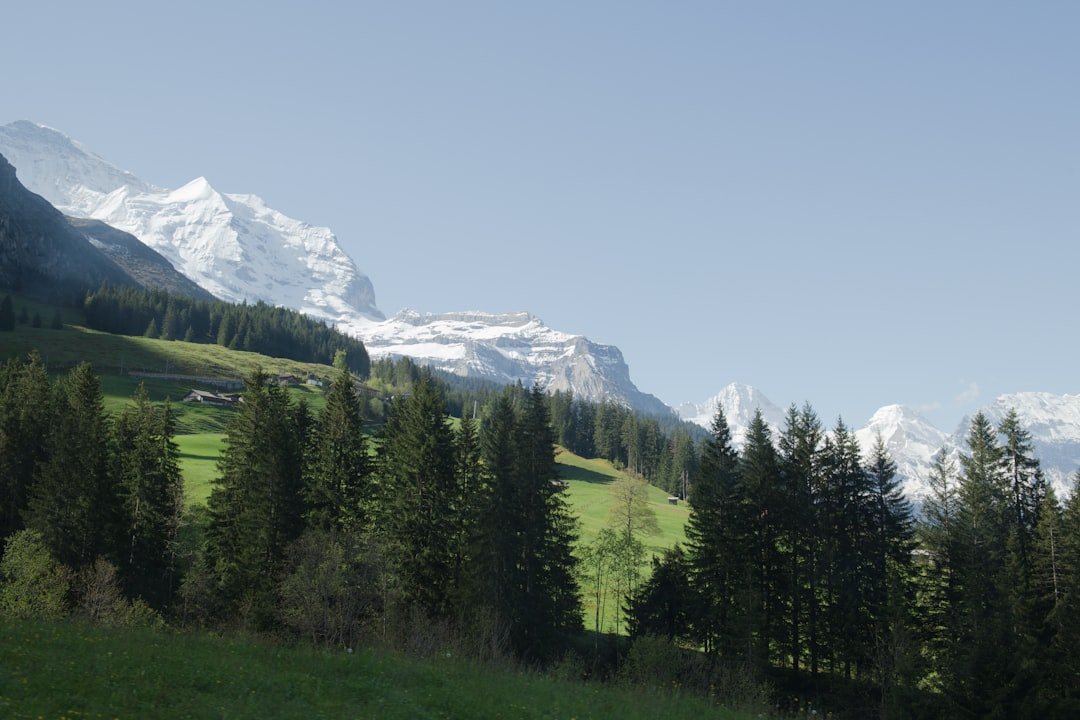
Interlaken sits between Lake Thun and Lake Brienz and makes a handy base for the Jungfrau Region. This three-day plan covers the classics: Interlaken, Lauterbrunnen Valley, and Jungfraujoch (the “Top of Europe”).
Key takeaways
- Interlaken is a convenient hub between two lakes, with easy rail connections into the Jungfrau Region.
- Lauterbrunnen Valley is known for dramatic cliffs and waterfalls, with routes ranging from easy walks to cliffside villages.
- Jungfraujoch sits at 3,454 m and delivers high-alpine views, including the Aletsch Glacier.
- Plan around mountain weather and seasonal maintenance closures—build in flexibility.
- Accommodation ranges from full-service hotels in Interlaken to quieter, car-free villages like Mürren.
Day 1: Interlaken lakeside strolls and town highlights
Use day one to settle in and get your bearings. Walk the Höheweg promenade and the open green space of the Höhematte, where paragliders often land with the Jungfrau massif behind them. The promenade is lined with shops, cafés, and hotels—great for an easy first afternoon.
Don’t miss the Aare River, which runs out of Lake Brienz and through Interlaken toward Lake Thun. A short riverside walk adds nature to your day without a big detour.
For a dose of old-town charm, wander into nearby Unterseen, where traditional buildings and quieter streets feel a world away from the main promenade. If you’re visiting during market season, check local listings for pop-up markets and small events.
In the evening, consider a boat ride on Lake Thun or Lake Brienz for sunset light on the mountains. If you’d rather stay on land, Harder Kulm (the “Top of Interlaken”) is a popular viewpoint reached by funicular in minutes.
Day 2: Hiking in Lauterbrunnen Valley
Day two heads into Lauterbrunnen Valley, often called the “Valley of 72 Waterfalls.” A short train ride from Interlaken brings you to the valley floor, framed by sheer cliffs and summer meadows.
One of the most popular stops is Trümmelbach Falls, glacial waterfalls inside the mountain. You reach them via tunnels, walkways, and a lift. The roar is part of the fun—bring a light rain layer for the spray.
After Trümmelbach Falls, head up to the car-free village of Mürren. A common route is the cable car from Lauterbrunnen to Grütschalp, then the mountain railway to Mürren. From there, choose an easy walk on the sunny terrace above the valley. Mürren is a great lunch stop with views of the Eiger, Mönch, and Jungfrau.
Season note: As of 2026-01-30, Trümmelbach Falls reports that it is generally open daily from early April through November; always confirm current hours before you go.
Day 3: Jungfraujoch (Top of Europe)
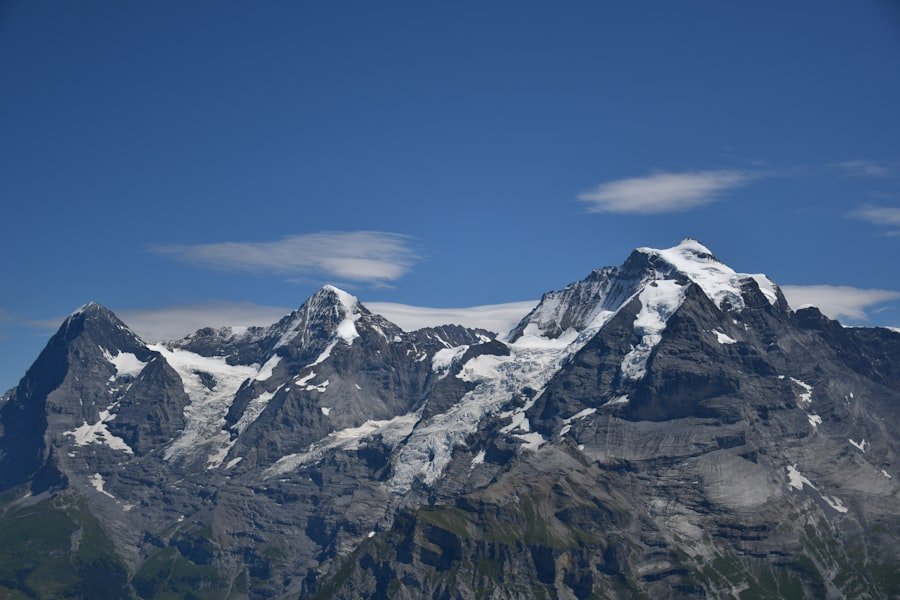
On day three, plan for an all-day trip to Jungfraujoch, the “Top of Europe.” Trains and cable cars connect from Interlaken into the high Alps, ending at Europe’s highest railway station at 3,454 metres above sea level.
At the top, the world turns white. From the Sphinx observation deck you can look out over the Aletsch Glacier, part of the UNESCO-listed Swiss Alps Jungfrau-Aletsch World Heritage area. Indoors, the Ice Palace has corridors and sculptures carved in ice.
Outside, it can feel wintry even in summer. Dress in layers, bring sunglasses, and take it slow at altitude. For an easy “snow day,” look for the on-site Snow Fun Park when it’s operating.
Reservation note: As of 2026-01-30, Jungfrau Railways says seat reservations are required for the Jungfraujoch trip during 01.05–31.10.2026. Check the latest rules and timetables when booking.
Jungfraujoch – Top of Europe (official info)
Getting to the Jungfrau Region
Most visitors use Interlaken as their transport hub. From Interlaken Ost, trains run often to Lauterbrunnen and Grindelwald, so it’s easy to connect valley towns with mountain trips.
From Zurich, Interlaken is usually about two hours by train. From Geneva, plan on roughly three hours and usually at least one change. If you drive, note that many villages are car-free or have limited parking—public transport is often simplest.
Where to stay in the Jungfrau Region
The region has accommodation for most budgets. Interlaken offers the widest range, from full-service hotels to simple guesthouses. For a luxury stay, the Victoria-Jungfrau Grand Hotel & Spa is a well-known option in town.
For a quieter, more alpine feel, consider Lauterbrunnen or Mürren. Staying in these villages can make early starts on hikes and mountain railways feel much easier, and you’ll end the day in a calmer setting.
Dining and cuisine in the Jungfrau Region
Traditional Swiss food is a highlight in its own right. Cheese fondue is the classic—melted cheese shared with crusty bread—while raclette (melted cheese scraped over potatoes) is another cold-weather favorite. You’ll also find rosti, seasonal soups, and desserts built around Swiss chocolate.
Adventure activities in the Jungfrau Region
Beyond the big-ticket viewpoints, the region is packed with outdoors options. In warmer months, hiking ranges from easy lakeside walks to panoramic ridge trails. Interlaken is also famous for paragliding, and canyoning tours run in nearby gorges for travelers looking for an adrenaline hit.
In winter, skiing and snowboarding are major draws, with large ski areas connecting resorts like Grindelwald and Wengen.
Tips for making the most of your 3-day itinerary
- Start early: Popular spots (especially Jungfraujoch) are quieter in the morning.
- Watch the forecast: Mountain weather changes fast; keep a flexible backup plan.
- Use the rail apps: Swiss public transport is reliable—check live platforms and connections before you head out.
- Pack smart: Even in summer, high-altitude areas can be cold and windy.
- Leave room for spontaneity: A small detour—an extra lake stop, a viewpoint, a café—often becomes the best memory.
If you need official opening times for Trümmelbach Falls, see Trümmelbach Falls (official site).
FAQs
What is the Jungfrau Region?
The Jungfrau Region is a mountainous area of the Bernese Oberland in the Swiss Alps, known for the Eiger, Mönch, and Jungfrau peaks and a dense network of trains and mountain lifts.
What are the top attractions in the Jungfrau Region?
Highlights include Jungfraujoch (Top of Europe), Lauterbrunnen Valley, and alpine villages such as Grindelwald, Wengen, and Mürren.
What activities can you do in the Jungfrau Region?
Depending on season and conditions, popular activities include hiking, sightseeing by mountain railway or gondola, skiing and snowboarding, paragliding, and canyoning.
What is a recommended 3-day itinerary for the Jungfrau Region?
A classic three-day plan is: Day 1 in Interlaken, Day 2 in Lauterbrunnen Valley (including Trümmelbach Falls and Mürren), and Day 3 at Jungfraujoch.
What is the best time to visit the Jungfrau Region?
Summer (roughly June to early autumn) is best for hiking, while winter is ideal for snow sports. Shoulder seasons can be quieter, but some mountain lifts may close for maintenance.