Last updated: August 22, 2026
A practical Schaffhausen itinerary works best when you use the city as a compact base: spend Day 1 exploring the Old Town and Museum zu Allerheiligen, Day 2 at the Rhine Falls, and Day 3 combining the Munot Fortress, IWC Museum, and the Rhine riverfront. The Old Town, Munot, and Rhine Falls can be covered faster, so three days are most worthwhile for travelers who prefer a relaxed pace, want time for museums, or plan to add a regional side trip. This guide shows how to organize each day without wasting time moving back and forth across the area.
Schaffhausen Itinerary at a Glance
| Day | Main Plan | Best For |
|---|---|---|
| Day 1 | Old Town, St. Johann, Museum zu Allerheiligen | History, architecture, culture |
| Day 2 | Rhine Falls, viewpoints, optional boat trip | Nature, photography, families |
| Day 3 | Munot, IWC Museum, Rhine promenade | Views, watchmaking, relaxed sightseeing |
Key Takeaways
- The headline Schaffhausen sights can fit into one busy day, but two or three days give you time for museums and slower exploration.
- Schaffhausen Old Town is compact and easy to explore on foot.
- The Rhine Falls are about 4 km from central Schaffhausen and are easiest to reach by local train or bus.
- Museum schedules matter: the IWC Museum is normally open Tuesday through Saturday, while Museum zu Allerheiligen is normally open Tuesday through Sunday.
- If you prefer regional sightseeing over museums, use part of Day 3 for Stein am Rhein or the Schaffhausen wine region.
Day 1: Explore Schaffhausen Old Town
Start your first day in Schaffhausen’s traffic-free Old Town. Instead of trying to follow every narrow lane, begin around Fronwagplatz and Vordergasse, where many of the city’s historic façades and ornate oriel windows are concentrated. Schaffhausen is known for 171 of these projecting windows, making them one of the easiest architectural details to look for as you walk.
Morning: Fronwagplatz, Vordergasse, and St. Johann
Walk from the railway station toward Fronwagplatz, then continue along Vordergasse. Look for the painted façades, guild houses, fountains, and Haus zum Ritter, one of the Old Town’s standout historic buildings.
Continue to the Church of St. Johann on Vordergasse. The church has medieval origins and a Gothic architectural character. Its large interior also makes it an important concert and gathering space in Schaffhausen. A short visit fits naturally into an Old Town walk without requiring a separate detour.
Rather than looking for an unspecified “traditional Swiss watchmaker,” save the dedicated watchmaking experience for the IWC Museum on Day 3. That gives you a verified museum visit instead of relying on whether an individual workshop happens to be open.
Afternoon: Museum zu Allerheiligen
After lunch, continue to the Museum zu Allerheiligen. The museum occupies the former Benedictine monastery complex and brings archaeology, regional history, art, and cultural collections together in one location.
Regular opening hours are currently Tuesday through Sunday from 11:00 to 17:00, with extended opening until 20:00 on the last Thursday of the month. If your Day 1 falls on a Monday, move the museum to another day and spend more time exploring the Old Town, cloister, herb garden, and Rhine riverfront instead.
Evening: Old Town or the Rhine
Finish the day at a café in the Old Town or walk down toward the Rhine. The Lindli promenade is a good choice when you want a quieter end to the day without adding another major attraction.
Day 2: Visit the Rhine Falls
Use the second day for the Rhine Falls so you have enough time to see the waterfall from more than one viewpoint. The falls are approximately 150 metres wide and 23 metres high and sit only a short distance from Schaffhausen near Neuhausen am Rheinfall.
Choose Which Rhine Falls Bank to Visit First
The Rhine Falls can be approached from both sides of the river. The Neuhausen side gives convenient access around Schlössli Wörth and the northern-bank visitor area. The opposite side around Schloss Laufen has its own viewpoints and a railway station named Schloss Laufen am Rheinfall.
If you are arriving from Schaffhausen by train, choose your stop based on which bank you want to explore first. The train ride itself is only a few minutes. Travelers who prefer walking can follow the Rhine from Schaffhausen toward the falls, turning the transfer into a scenic walk of roughly an hour.
Viewing Platforms and Boat Trips
Walk the viewpoints before deciding whether you need a boat trip. This lets you see the scale of the falls from above and from river level before paying for an additional experience.
Seasonal boat services operate around the falls, with different routes ranging from short crossings to trips that approach the waterfall more closely. Some services also provide access toward the central rock. Operating periods, weather restrictions, and fares can change, so check the current operator schedule on your travel date.
For a more detailed breakdown of rail, bus, driving, and walking options, see our guide to how to get to Rhine Falls.
How Long Should You Spend at Rhine Falls?
Allow half a day if your priority is the main viewpoints and a relaxed walk. Give the area more time if you want to visit both banks, take a boat trip, stop for lunch, or add a nearby attraction. Families or travelers dealing with poor weather can also consider the indoor Smilestones miniature attraction near the Rhine Falls area.
Return to Schaffhausen in the late afternoon or early evening. This leaves enough time for dinner in the Old Town or beside the Rhine without making the day feel rushed.
Day 3: Discover the Munot Fortress and IWC Museum
Spend your third day combining two very different sides of Schaffhausen: the 16th-century Munot Fortress and the city’s watchmaking heritage at the IWC Museum. These stops work well together because both are close to the historic center, leaving time for a river walk afterward.
Morning: Climb to Munot
Munot has towered above Schaffhausen for more than 400 years. The round fortress is one of the city’s defining landmarks, and admission is free. From the battlements you can look across the Old Town, the Rhine, and the surrounding countryside.
The ascent inside the fortress uses the cobbled Reitschnecke spiral ramp, and the site is not fully accessible for travelers with limited mobility. Current general opening hours are 08:00 to 20:00 from May through September and 09:00 to 17:00 from October through April.
You do not need an entire day for Munot. Allow time to explore the fortress and viewpoints, then continue back toward the center for lunch.
Afternoon: IWC Schaffhausen Museum
The IWC Schaffhausen Museum is inside the company’s historic building beside the Rhine. Its displays trace the development of IWC through watches, documents, technical developments, and more than 150 years of company history.
Current regular hours are Tuesday through Friday from 09:00 to 17:30 and Saturday from 09:00 to 15:30. The museum normally closes on Sundays, Mondays, public holidays, and some special internal-event dates. Adult admission is currently CHF 6, reduced admission CHF 3, and children under 12 enter free.
If your third day falls on Sunday or Monday, swap the IWC Museum with another itinerary day rather than arriving to find it closed.
Evening: Walk Along the Rhine
Finish with an easy walk beside the Rhine. The riverfront provides a quieter contrast to the Rhine Falls and a pleasant way to end three days of sightseeing. If you have already spent substantial time along the river, use this period for shopping, a café stop, or additional Old Town photography.
Optional Day 3 Swap
If museums are not your priority, keep Munot in the morning and use the remainder of the day for a regional excursion. Stein am Rhein is the most natural historic-town extension, while the villages and vineyards of the Schaffhausen wine region suit travelers more interested in rural scenery and local wine culture.
Where to Stay in Schaffhausen
| Area | Accommodation Options | Distance from City Center | Best For |
|---|---|---|---|
| Old Town | Kronenhof Schaffhausen | Central | Central location and wellness |
| Old Town | HOTEL 2B | Central | Old Town sightseeing |
| Near City Center | Hotel & Restaurant Promenade | About 5 minutes on foot | A quieter setting near a park |
| Old Town | Hotel Backpackers ZAK Schaffhausen | Central | Budget-focused travelers |
For most first-time visitors, staying in or beside the Old Town is the simplest choice. It keeps the railway station, restaurants, Munot, museums, and riverfront within easy reach and reduces the need for local transport.
Kronenhof Schaffhausen is a centrally located 3-star hotel with 42 rooms and suites. It also has a 200 m² wellness area. HOTEL 2B is another Old Town option, while Hotel & Restaurant Promenade sits close to the center in a greener setting. Budget travelers can consider Hotel Backpackers ZAK Schaffhausen.
Hotel rates change substantially with season, event dates, and booking conditions, so compare the final rate for your exact dates instead of relying on a fixed price range.
Where to Eat in Schaffhausen
Schaffhausen has useful dining options both in the Old Town and along the Rhine. Rather than choosing a restaurant solely because it is described as “traditional,” match the stop to where you will already be sightseeing.
Güterhof
Güterhof is located directly beside the Rhine and works particularly well after a riverfront walk or on the evening you return from the Rhine Falls. The historic building now operates as a restaurant, bar, lounge, terrace, and event venue.
Kronenhof Restaurant
You do not have to stay at the hotel to use the Kronenhof restaurant. Its central Old Town location makes it convenient after Day 1 sightseeing or a Munot visit.
Café am Rheinquai
Café am Rheinquai is a useful choice for breakfast, coffee, homemade cakes, salads, soups, and lighter meals. Its Rhine-side position makes it easy to combine with a river walk.
Reber Schaffhauserzungen
For coffee, pastries, or a local sweet stop, Reber on Vordergasse produces the original Schaffhauserzungen and has operated since 1896. It fits naturally into a Day 1 Old Town walk.
Transportation Options in Schaffhausen
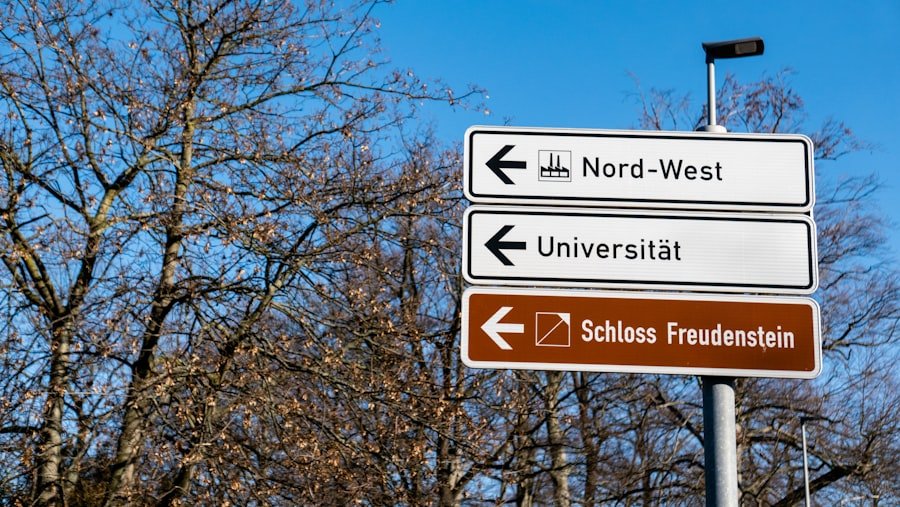
Schaffhausen is particularly easy to visit without a car. The main railway station is beside the Old Town, and direct rail services connect the city with Zurich and other parts of northern Switzerland. A typical direct journey from Zurich takes around 40 to 50 minutes depending on the service.
Getting Around the City
Walking is the best option for the Old Town, St. Johann, Museum zu Allerheiligen, the Rhine riverfront, and Munot. The central sightseeing area is compact enough that repeatedly using buses inside the center is usually unnecessary.
Getting to Rhine Falls
The Rhine Falls are around 4 km from central Schaffhausen. Local trains can take you toward Neuhausen Rheinfall or Schloss Laufen am Rheinfall in only a few minutes, depending on which side of the waterfall you want to visit. Local buses are another option.
Walking is worthwhile when the journey itself is part of your plan. The riverside route takes roughly an hour, so use the train when saving time matters and walk when you want a longer scenic outing.
Do You Need a Car?
No car is necessary for this three-day itinerary. A car mainly becomes useful if you plan to explore smaller villages, vineyards, or several rural attractions outside Schaffhausen on the same day.
Must-See Attractions in Schaffhausen
If you have less than three days, prioritize the attractions according to your interests rather than trying to see everything.
- Rhine Falls: The essential natural attraction and the highest priority for first-time visitors.
- Schaffhausen Old Town: Best for historic façades, 171 oriel windows, fountains, and pedestrian streets.
- Munot Fortress: Best for panoramic city and Rhine views; entry is free.
- Museum zu Allerheiligen: Best for archaeology, regional history, monastery heritage, and art.
- IWC Schaffhausen Museum: Best for travelers interested in Swiss watchmaking and industrial history.
The IWC Museum is especially easy to miss if you visit on Sunday or Monday because its standard public opening schedule runs Tuesday through Saturday. Museum zu Allerheiligen provides a broader cultural alternative and normally operates Tuesday through Sunday.
Quieter Places to Visit in Schaffhausen
Allerheiligen Cloister and Herb Garden
The areas around the former Allerheiligen monastery offer a quieter break from the main Old Town streets. The cloister and herb garden work well before or after a museum visit and require little additional travel time.
Lindli Promenade
Lindli is a riverside promenade where you can slow down after a day of sightseeing. It is a better fit for a Schaffhausen city itinerary than adding a distant attraction simply to fill another section of the trip.
Fronwagplatz Beyond the Main Sightseeing Rush
Return to Fronwagplatz in the morning or later in the day when the main sightseeing flow is lighter. The surrounding façades, fountains, cafés, and pedestrian streets are easier to appreciate when you are not moving quickly between attractions.
Is Three Days in Schaffhausen Worth It?
Three days in Schaffhausen makes sense if you want a relaxed trip rather than a fast Rhine Falls day trip. Use Day 1 for the Old Town and Museum zu Allerheiligen, Day 2 for a full Rhine Falls experience, and Day 3 for Munot, IWC, and the Rhine. Travelers who prefer a faster pace can comfortably compress the core sights into one or two days and use the remaining time for Stein am Rhein or the surrounding wine region. Before traveling, check current museum, boat, and attraction schedules for your exact dates.
Frequently Asked Questions About a Schaffhausen Itinerary
Is Schaffhausen worth visiting?
Yes. Schaffhausen is worth visiting if you want a compact Swiss old town, the Rhine Falls, and a strong mix of history and river scenery without needing a car. A day covers the headline sights, while two or three days let you add museums, a slower Rhine walk, and a regional excursion.
How many days do you need in Schaffhausen?
Most travelers need one full day for Old Town, Munot, and Rhine Falls. Two days gives a more relaxed pace and room for a museum. Three days is best if you want the IWC Museum, Museum zu Allerheiligen, long riverside walks, or a side trip to Stein am Rhein or the surrounding wine region.
Can you visit Rhine Falls and Schaffhausen in one day?
Yes. The Rhine Falls are only a short ride from Schaffhausen, so you can visit the falls in the morning and spend the afternoon in the Old Town and at Munot. If you want a boat trip, both riverbanks, and museums, an overnight stay gives you more flexibility and less rushing.
How do you get from Schaffhausen to Rhine Falls?
The easiest option is a local train from Schaffhausen to either Neuhausen Rheinfall or Schloss Laufen am Rheinfall, depending on which bank you want to visit. The rail ride itself is only a few minutes. You can also walk along the Rhine in about an hour, which turns the transfer into a scenic part of the day.
Is Schaffhausen walkable?
Yes. The Old Town is compact and largely pedestrian-friendly, and the station, St. Johann, Museum zu Allerheiligen, the Rhine riverfront, and the Munot approach are all close together. The main exception is Rhine Falls, around 4 km away, where a local train is faster unless you specifically want the riverside walk.