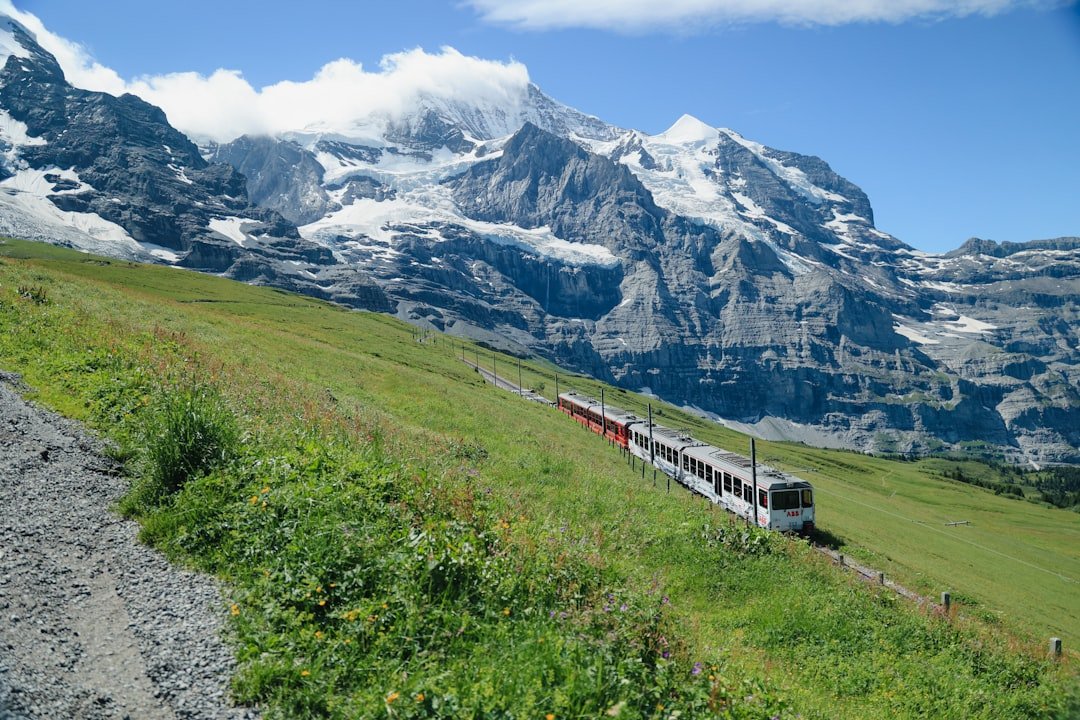
Switzerland has around 1,500 lakes, ranging from broad cross-border waters to turquoise alpine basins, according to the Swiss Confederation’s overview of the country’s lakes and rivers. The best lakes in Switzerland offer very different experiences: city breaks, mountain cruises, vineyard walks, swimming, cycling, historic towns, and quiet waterfront escapes. Choosing the right one depends on where you are staying and what you most want to do.
Quick Answer
Among the best lakes in Switzerland, Lake Lucerne is an excellent all-round choice for mountain scenery and cruises, Lake Geneva pairs vineyards with major cities, and Lake Brienz stands out for turquoise alpine water. Lake Thun, Zurich, Lugano, Maggiore, Constance, and Neuchâtel suit different mixes of swimming, culture, cycling, and relaxed waterfront time.
Key Takeaways
- Lake Geneva combines large-scale scenery with Geneva, Lausanne, Montreux, vineyards, and cultural attractions.
- Lake Lucerne works especially well if you want a historic city, mountain excursions, and scheduled boat travel in one trip.
- Lake Thun and Lake Brienz are easy to combine from the Interlaken area, but each has a different character.
- Lake Lugano and Lake Maggiore bring a milder, Mediterranean-style atmosphere to southern Switzerland.
- Lake Neuchâtel is the largest lake located entirely within Switzerland and suits travelers looking for beaches, vineyards, nature, and smaller historic towns.
Lake Geneva: A Jewel of Western Switzerland
Choose Lake Geneva if you want a mix of waterfront cities, vineyards, museums, historic sites, and long lake views. The Swiss Federal Office for the Environment lists Lake Geneva at about 581 square kilometers, making it the largest lake touching Switzerland.
Lake Geneva, or Lac Léman, lies between Switzerland and France. Geneva sits at the western end, while Lausanne, Vevey, and Montreux line the Swiss side farther east. Views stretch toward the Alps on one side and the Jura on the other.
In Geneva, the Jet d’Eau rises 140 meters above the harbor and is one of the lake’s most recognizable landmarks. The waterfront is easy to explore on foot, while scheduled boats connect many communities around the lake.
The eastern Swiss shore offers a different experience. Montreux and Vevey combine promenades, cultural events, and easy access to nearby attractions. The region is also known for Chasselas-based white wines.
One of the strongest reasons to spend extra time here is the UNESCO-listed Lavaux Vineyard Terraces. The protected landscape stretches for about 30 kilometers along the northern shore between the Lausanne area and Château de Chillon, with steep vineyard paths overlooking the water.
Lake Lucerne: A Picturesque Alpine Lake

Lake Lucerne is one of the strongest choices for travelers who want classic Swiss mountain scenery without giving up easy city access. Covering about 114 square kilometers, it has several long arms and bays surrounded by steep slopes, with Mount Pilatus and Mount Rigi among the best-known peaks nearby.
Lucerne sits at the northwestern end of the lake. The city’s historic center, Chapel Bridge, waterfront, railway station, and boat piers are close together, making it easy to combine sightseeing with time on the water.
A boat trip on Lake Lucerne is especially useful because it is not only sightseeing. Boats link Lucerne with communities such as Weggis, Vitznau, Brunnen, and Flüelen, and several stops connect naturally with mountain railways and cable cars.
The lake works in more than one season. Summer brings swimming, hiking, and long days on the water, while cooler months offer quieter promenades, snow-covered mountain views, and scheduled cruises on selected routes.
Lake Constance: A Tranquil Border Lake
| Aspect | Details |
|---|---|
| Location | Central Europe |
| Countries | Germany, Switzerland, Austria |
| Surface Area | 536 km² |
| Max Depth | 254 m |
| Length | 63 km |
| Width | 14 km |
Lake Constance, or Bodensee, is a good choice if you prefer cycling, waterfront towns, flatter landscapes, and easy cross-border travel. It is shared by Switzerland, Germany, and Austria and feels different from the steeper alpine lakes farther south.
The Swiss shore of Lake Constance runs through parts of Thurgau, St. Gallen, and Schaffhausen. Kreuzlingen provides direct access to the German city of Konstanz, while Arbon and Rorschach offer attractive waterfront settings farther east.
The mild lakeside landscape supports orchards, vineyards, parks, and long cycling routes. Dedicated paths make cycling one of the most practical ways to explore multiple communities, while passenger boats offer another view of the shoreline.
Mainau Island, on the German side, is known for its gardens. Travelers staying on the Swiss shore can also combine the lake with St. Gallen, Rhine-side towns, or short cross-border day trips.
Lake Maggiore: A Stunning Italian-Swiss Lake
Lake Maggiore suits travelers who want Swiss scenery with a noticeably southern atmosphere. The lake crosses the Switzerland-Italy border, covers about 212 square kilometers, and extends for roughly 65 kilometers through a landscape of mountains, palm-lined promenades, gardens, and lakeside towns.
Locarno and nearby Ascona are the main Swiss bases. Locarno sits near the northern end of the lake, while Stresa is one of the best-known towns on the Italian side.
Boat trips are an easy way to connect the shoreline and nearby islands. On the Swiss side, the Brissago Islands are known for botanical gardens, while farther south the Borromean Islands are among the major attractions on the Italian section of the lake.
Hiking above the shoreline gives you broad views across the water and surrounding mountains. The lake also works well for travelers who want to combine waterfront time with Locarno’s old town, Ascona’s promenade, nearby valleys, or cultural events.
Lake Thun: A Serene Lake in the Bernese Oberland

Lake Thun is ideal if you want broad mountain views, historic castles, lakeside towns, and easy access from Interlaken. At about 48 square kilometers, it lies west of Interlaken and has a more open feel than neighboring Lake Brienz.
Exploring the Town of Thun
Thun lies at the northwestern end of the lake and makes a useful base for exploring this side of the Bernese Oberland. Its historic center sits beside the Aare River, while Thun Castle rises above the town and provides a clear visual landmark.
The waterfront, old town, railway station, and boat connections are close enough to combine in a day. From Thun, scheduled boats travel toward villages and attractions farther along the lake.
Discovering the Southern Shores
The southern shore includes Spiez and Oberhofen, two of the lake’s most attractive stops. Spiez combines a harbor, vineyards, and Spiez Castle, while Oberhofen Castle stands directly beside the water.
These communities work well if you want a slower day than Interlaken or Thun. You can combine a boat journey with a waterfront walk and a castle visit rather than spending the entire day in transit.
Outdoor Activities and Recreation
Lake Thun supports swimming, sailing, paddling, walking, and access to mountain trails during the warmer months. The surrounding region also offers viewpoints above the lake, including routes toward the Niederhorn and Niesen areas.
If you are based in Interlaken, Lake Thun and Lake Brienz can be visited on separate days or combined selectively. They sit on opposite sides of town but offer noticeably different scenery.
Lake Zurich: A Popular Urban Lake
Lake Zurich is the most convenient option in this list for travelers who want a major city and a lake in the same stop. It covers about 90 square kilometers and stretches southeast from Zurich toward communities including Rapperswil-Jona.
Zurich’s central lakefront is easy to reach from the Old Town and main railway station. Promenades, parks, cafés, boat piers, and seasonal swimming facilities make the water part of everyday city life rather than a separate excursion.
During summer, designated lidos provide straightforward places to swim. Scheduled passenger boats also let you see Zurich’s skyline from the water or continue toward towns farther along the lake.
The cultural scene adds another reason to stay. Zurich hosts museums, theaters, concerts, film events, and large public festivals throughout the year, while the lakefront remains useful for walking and sightseeing even outside the main swimming season.
Lake Brienz: A Crystal-Clear Gem in the Alps
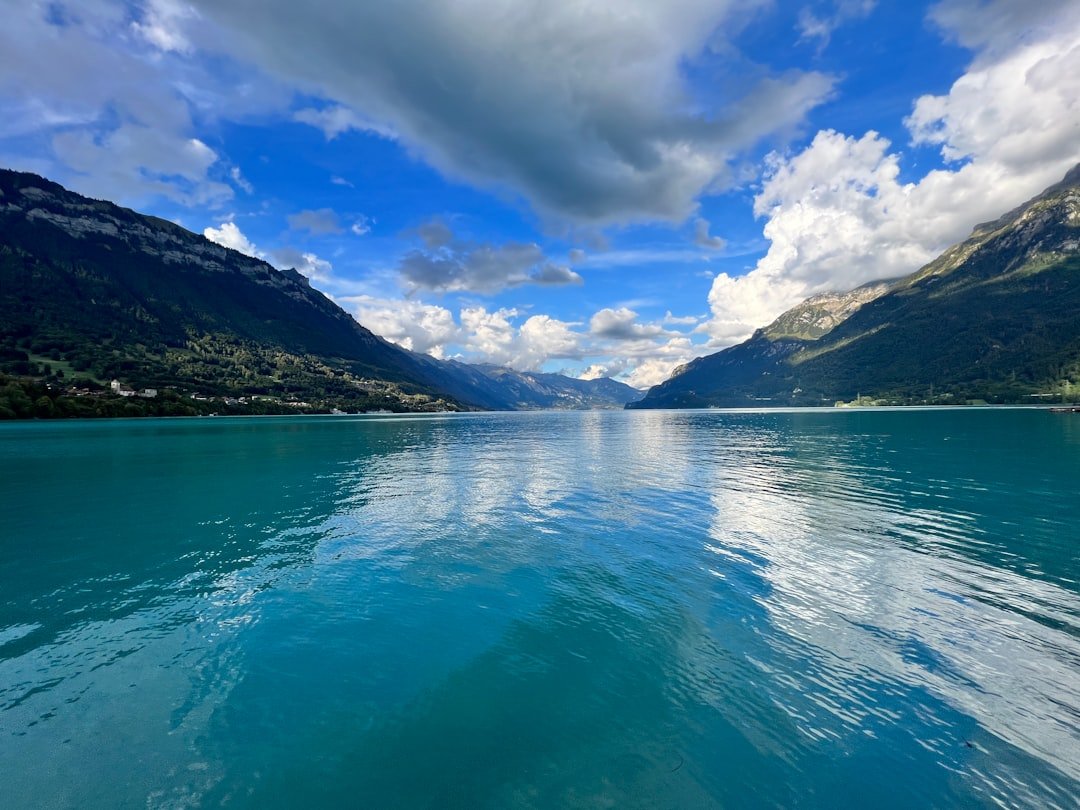
Lake Brienz is one of the best lakes in Switzerland for travelers drawn to intense turquoise water, steep mountains, waterfalls, and small lakeside villages. The lake covers about 30 square kilometers and lies immediately east of Interlaken in the Bernese Oberland.
The striking color comes from fine mineral particles carried by glacial water into the lake. Switzerland Tourism highlights Lake Brienz for its turquoise scenery, the villages of Brienz and Bönigen, boat trips, and access to Giessbach Falls.
The village of Brienz is also associated with a long woodcarving tradition. Its lakefront provides a quieter base than Interlaken while keeping you close to boat services and mountain excursions.
A classic day combines a lake cruise with Giessbach Falls. You can also use the area for kayaking, lakeside walks, or a trip toward the Brienzer Rothorn for a much higher view over the water.
Swimming is possible in suitable places during warm weather, but this deep alpine lake can remain cold even when the air temperature feels comfortable. In winter, nearby mountain resorts offer snow sports while the lake itself becomes a quieter sightseeing destination.
Lake Lugano: A Mediterranean-Style Lake in Southern Switzerland
Lake Lugano is a strong choice if you want a mix of Swiss organization, Italian-speaking culture, mountain viewpoints, and a milder southern setting. The lake covers about 49 square kilometers and crosses the border between Switzerland and Italy.
Lugano is the easiest base for most visitors. Its waterfront promenade, parks, cafés, shopping streets, and boat piers sit below green hills and mountains, giving the city a different atmosphere from Zurich, Lucerne, or Geneva.
Morcote and Gandria are two attractive lakeside communities to add to a visit. Both can be reached by public transport, and seasonal boat connections provide a scenic alternative when operating.
For a higher viewpoint, Monte Brè and Monte San Salvatore overlook the lake and surrounding region. Warm-weather activities include kayaking, stand-up paddleboarding, swimming at designated facilities, and hiking on trails above the shoreline.
Lake Neuchâtel: The Largest Lake Entirely in Switzerland
Lake Neuchâtel is the best fit in this list for travelers who want a large lake without crossing an international border. At about 218 square kilometers, it is the largest lake located entirely within Switzerland.
The city of Neuchâtel sits on the northwestern shore beneath the Jura. Its historic center, castle, waterfront, and railway connections make it a practical base, while nearby wine-growing communities provide easy excursions.
The lake’s southern shore has a different character, with sandy beaches, reed beds, and protected natural areas. The Grande Cariçaie wetland system is especially important for wildlife and gives nature-focused visitors an alternative to city sightseeing.
Other useful stops include Estavayer-le-Lac and Yverdon-les-Bains. Boat trips, cycling, swimming, paddling, and lakeside walks can all form part of a warm-weather visit.
The region also has a long human history. Archaeological finds around the lake reflect prehistoric settlement, while medieval towns, vineyards, and modern watchmaking culture add several layers to a longer stay.
Exploring Switzerland’s Diverse and Beautiful Lakes
The best Swiss lake depends on the trip you want. Choose Lake Lucerne for a balanced mix of city, mountains, and cruises; Lake Geneva for culture and vineyards; Lakes Thun and Brienz for the Bernese Oberland; Lake Zurich for an urban stay; and Lugano or Maggiore for a southern atmosphere.
Lake Constance works especially well for cycling and cross-border travel, while Lake Neuchâtel offers beaches, vineyards, nature, and historic towns entirely within Switzerland. If your itinerary allows it, visiting two contrasting lakes usually gives you a better sense of Switzerland than choosing several that offer the same type of experience.
You can also read “Exploring the Delightful World of Asian Melon”.
Frequently Asked Questions
What are the best lakes in Switzerland?
Lake Lucerne, Lake Geneva, Lake Brienz, Lake Thun, Lake Zurich, Lake Lugano, Lake Maggiore, Lake Constance, and Lake Neuchâtel are among the best lakes in Switzerland for first-time visitors. They cover a wide mix of alpine scenery, city access, vineyards, swimming, boat trips, and lakeside towns.
Which Swiss lake is best for a first visit?
Lake Lucerne is a strong first choice if you want mountain scenery, a historic city, and easy boat trips in one place. Lake Geneva suits culture and vineyards, while Lake Brienz and Lake Thun are especially convenient if you are staying around Interlaken.
What activities can be enjoyed at these lakes?
You can enjoy swimming, scheduled boat cruises, lakeside walks, cycling, sailing, paddling, photography, and nearby hiking at many Swiss lakes. The exact mix varies by location, so a large urban lake such as Zurich feels very different from an alpine lake such as Brienz.
Are these lakes easily accessible?
Yes, the major lakes in this guide are generally easy to reach by Switzerland’s public transport network. Geneva, Lucerne, Zurich, Thun, Interlaken, Lugano, Locarno, Neuchâtel, and many smaller lakeside towns have rail, bus, or boat connections.
Are there water sports available at these lakes?
Yes, many Swiss lakes support sailing, kayaking, stand-up paddleboarding, swimming, and other water activities during suitable weather. Use designated swimming areas and local rental operators, and remember that alpine water can remain cold even on warm days.
Are there hiking trails around these lakes?
Yes, lakeside paths and mountain trails are available around many of the lakes. Lake Lucerne, Lake Brienz, Lake Thun, Lake Lugano, and Lake Geneva are especially useful if you want to combine time beside the water with higher viewpoints.
What is the best time to visit Swiss lakes?
May through September works well for most lake sightseeing, walking, cruises, and outdoor activities, while July and August are usually the most appealing months for swimming. Spring and autumn can be better if you prefer cooler temperatures, seasonal colors, and fewer peak-summer crowds.
Sources
- Swiss Confederation – Lakes and Rivers: Supports the overview of Switzerland’s approximately 1,500 lakes.
- Federal Office for the Environment – Major Lake Regulations: Supports surface-area figures for Switzerland’s major lakes.
- Geneva Tourism – Jet d’Eau: Supports the fountain’s 140-meter height and location on Lake Geneva.
- UNESCO World Heritage Centre – Lavaux Vineyard Terraces: Supports the World Heritage status and approximately 30-kilometer vineyard landscape.
- Switzerland Tourism – Lake Lucerne: Supports Lake Lucerne attractions, boat trips, and surrounding destinations.
- Switzerland Tourism – Lake Constance: Supports the three-country setting, leisure activities, and Swiss lakeside destinations.
- Switzerland Tourism – Lake Brienz: Supports the lake’s turquoise character, villages, boat trips, and Giessbach Falls.
- Switzerland Tourism – Lake Neuchâtel: Supports its status as Switzerland’s largest entirely domestic lake and its beaches, towns, and nature areas.