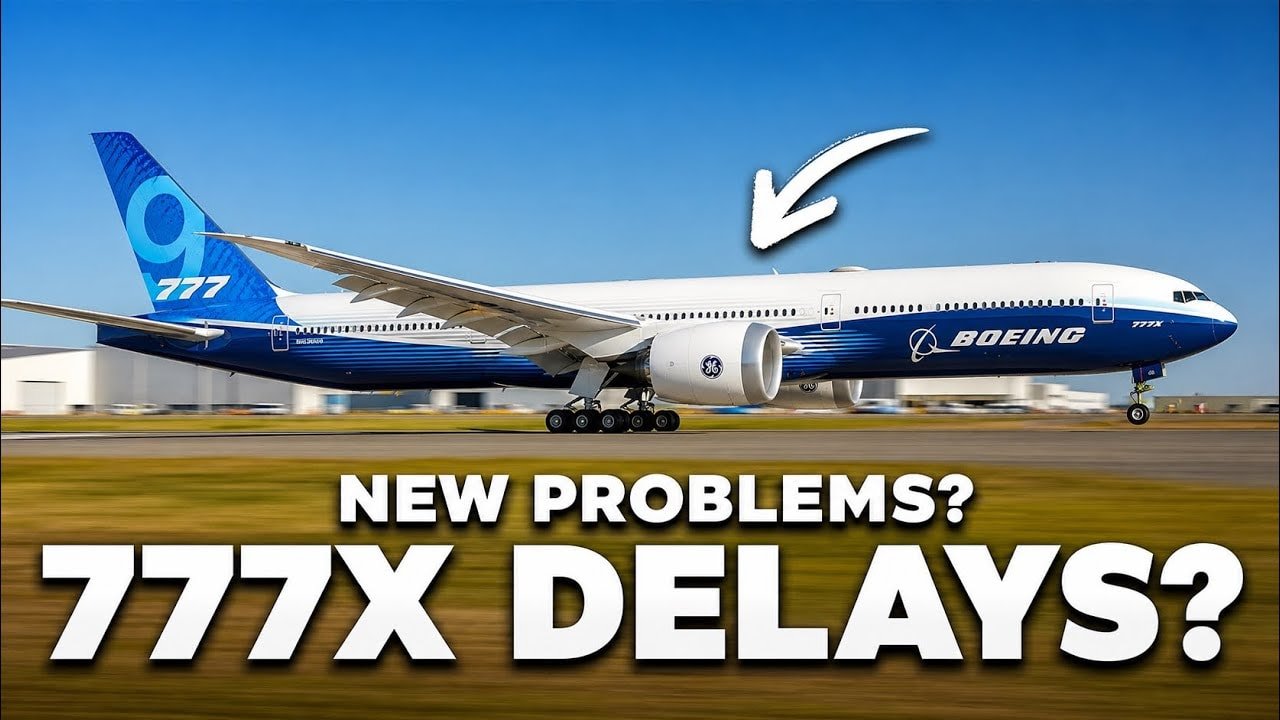
The A350 and 777X delays are disrupting airline fleet plans for two very different reasons. Airbus is working through a production bottleneck around critical A350 structures from Kinston, North Carolina, while Boeing is still completing the 777-9’s long certification campaign. Both can delay growth, replacements, and new cabin products, but the risks behind them are not the same.
Quick Answer
The A350 and 777X are delayed for different reasons. Airbus is working through an industrial bottleneck centered on former Spirit AeroSystems work in Kinston, while Boeing is still completing the 777-9 certification campaign. Airbus has delivered A350s for years; Boeing still expects the first 777-9 delivery in 2027.
Last checked: September 30, 2026. Dates and figures were verified against official sources.
Key Takeaways
- Airbus took over the former Spirit Kinston operation in December 2025 and is integrating a site that makes key A350 fuselage and wing structures.
- Airbus had delivered 35 A350-family aircraft in the first eight months of 2026, compared with 57 during all of 2025.
- The A350F reached a major milestone on September 29, 2026, when the first test aircraft completed its maiden flight.
- Boeing still targets the first 777-9 delivery in 2027 after years of certification delays and roughly $14.9 billion in major program losses and charges.
🔍 A350 vs 777X delays: what is actually different?
The simplest distinction is that the A350 is an established aircraft dealing with an industrial ramp-up problem. The 777X is a new aircraft family that still has to finish certification before passenger deliveries can begin.
| Issue | Airbus A350 | Boeing 777X |
|---|---|---|
| Aircraft status | Passenger versions have been in airline service since 2014. | The 777-9 remains in certification testing with no passenger deliveries yet. |
| Main pressure point | Production stability and output from critical aerostructure work, especially Kinston. | Certification testing, technical findings, analysis, and regulator approval. |
| Important 2026 milestone | A350F made its first flight on September 29. | FAA-approved certification testing advanced through additional Type Inspection Authorization phases. |
| Delivery outlook | Passenger deliveries continue, but some later delivery positions have faced pressure. | Boeing continues to target first 777-9 delivery in 2027. |
🛠️ The A350 delay starts in one North Carolina factory
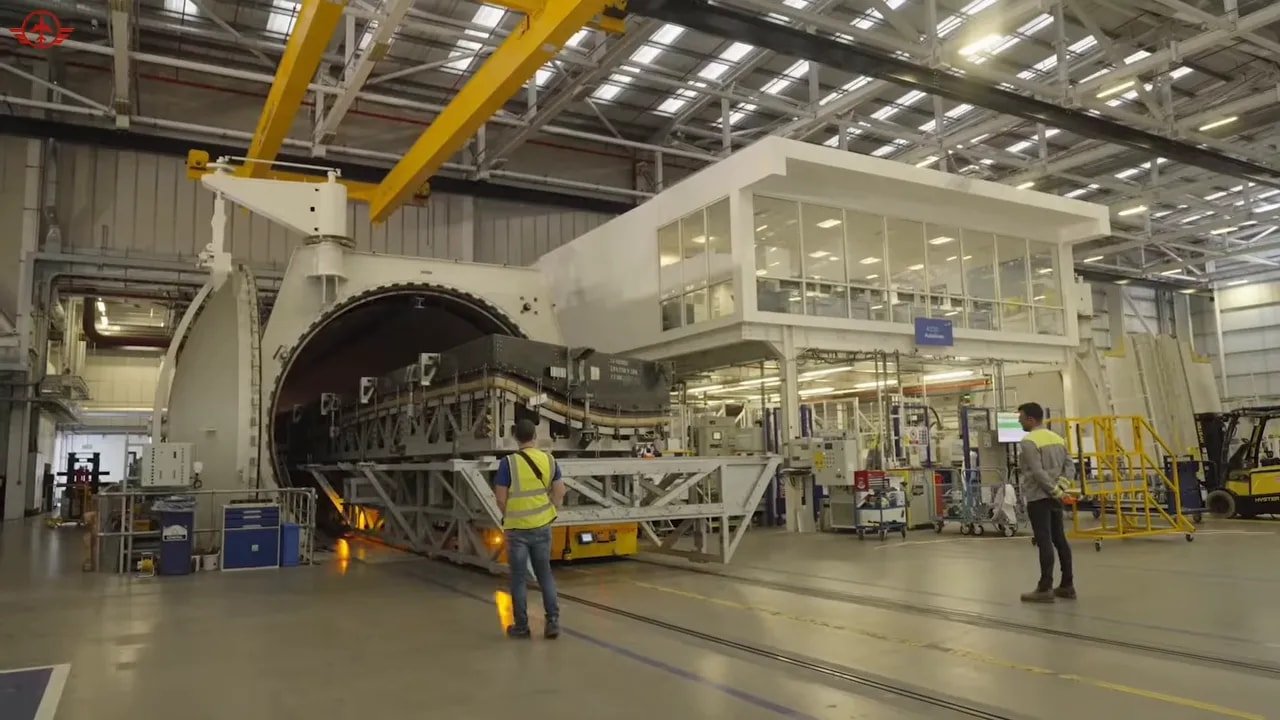
The most important A350 production issue is tied to Airbus Aerosystems Kinston, the former Spirit AeroSystems facility in Kinston, North Carolina. Airbus formally began operating the site in December 2025 after acquiring Airbus-related Spirit assets.
The factory matters because it does not make minor hardware. Airbus says the Kinston operation has about 1,000 employees working on A350 fuselage panels and wing-spar aerostructures.
The takeover was intended to give Airbus more direct control over work that had become a constraint on A350 output. Former Airbus commercial aircraft chief Christian Scherer had already described the center fuselage work from the former Spirit operation as the program’s “pacing item” in early 2026.
👷 Why Kinston became the A350 pacing item
Kinston became a bottleneck because advanced composite structures depend on specialized tooling, controlled processes, and experienced workers. A factory can have equipment and orders waiting, yet still struggle to raise output if staffing and process stability fall behind.
The site produces composite center-fuselage panels and front wing-spar structures. Those parts move into the wider Airbus production system before completed aircraft can reach final assembly and delivery.
In May 2026, Reuters reported that Airbus had warned some customers about further A350 delivery delays later in the decade. The report said staffing difficulties at Kinston were one cause, with some employees returning to Spirit operations after Boeing reacquired most of Spirit AeroSystems.
Airbus also brought in technical support from Europe as it worked through the transition. That does not mean the A350 itself has a new design or certification problem. The issue is getting critical structures through the production system at the rate Airbus needs.
📉 What the A350 delivery numbers show
A350 deliveries have not yet shown the strong ramp-up Airbus ultimately wants. The numbers point to continued production pressure, even though demand for the aircraft remains substantial.
Airbus reported that 57 A350s were delivered during 2025, leaving 699 delivered since the program began. Those figures appear in the company’s 2025 Board of Directors report.
By the end of August 2026, Airbus’s official orders and deliveries data showed 734 cumulative A350 deliveries. Compared with the 699 total at the end of 2025, that means 35 A350s were delivered from January through August 2026.
- 2025: 57 A350-family deliveries
- January-August 2026: 35 A350-family deliveries
- End-August 2026 cumulative total: 734 delivered
- End-August 2026 cumulative orders: 1,624
The important point is that this is not a demand collapse. Airbus’s order total remains far above cumulative deliveries, so the challenge is turning that demand into finished aircraft at a faster and more predictable rate.
📦 The A350F has moved from factory work to flight testing
The A350 freighter story changed significantly in September 2026. The first A350F test aircraft completed its maiden flight on September 29, moving the program from ground preparation into its flight-test and certification phase.
According to Airbus’s A350F maiden-flight announcement, MSN 700 flew for 4 hours 10 minutes and reached 25,000 feet. Airbus said that flight began a test campaign expected to last more than nine months.
The A350F is designed around a payload of up to 111 tonnes and a range of up to 8,700 kilometres. Airbus also reported 115 A350F orders from 14 disclosed customers at the end of August 2026.
Earlier concerns around the freighter included production of its unusually large main-deck cargo door in Spain. That component has now progressed into an aircraft that is actually flying, which is an important improvement from the status described earlier in 2026.
The program is not finished, though. Flight testing, certification work, and preparation of the second prototype still have to proceed before customer deliveries can begin.
✈️ Why delayed A350 deliveries matter to airlines
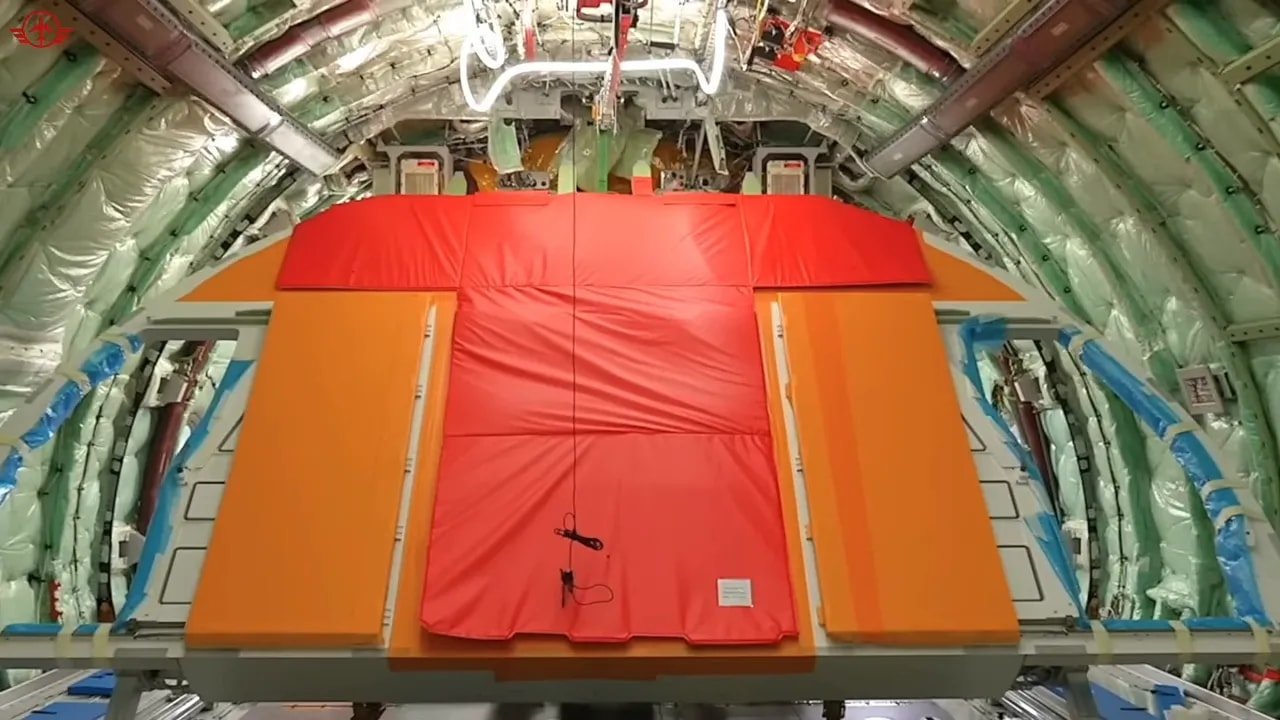
A delayed widebody can upset years of airline planning because long-haul aircraft are normally ordered far ahead of the routes they will fly. Airlines often coordinate cabin design, crew training, maintenance planning, financing, and network growth around expected delivery dates.
If an A350 arrives later than planned, an airline may have to:
- Keep older widebody aircraft in service longer
- Accept higher fuel or maintenance costs on older fleets
- Delay new long-haul routes
- Postpone frequency increases on existing routes
- Delay new premium cabins tied to the incoming aircraft
- Adjust aircraft leases or short-term capacity plans
- Rework pilot, cabin crew, and maintenance training schedules
The hardest problem is often uncertainty rather than a single delay. A fixed later date can be built into a revised schedule. A delivery date that keeps moving forces repeated changes across several departments.
🧨 The 777X delay is a different kind of problem
The Boeing 777X is not being held back by one supplier transition. Its delay stretches across development, technical findings, certification testing, production planning, and regulatory approval.
Boeing launched the 777X in 2013 as the next generation of its 777 family. The aircraft combines a new composite wing, GE9X engines, updated systems, a wider cabin, and folding wingtips.
- A long, high-aspect-ratio composite wing is intended to improve aerodynamic efficiency.
- The GE9X was developed specifically for the 777X family.
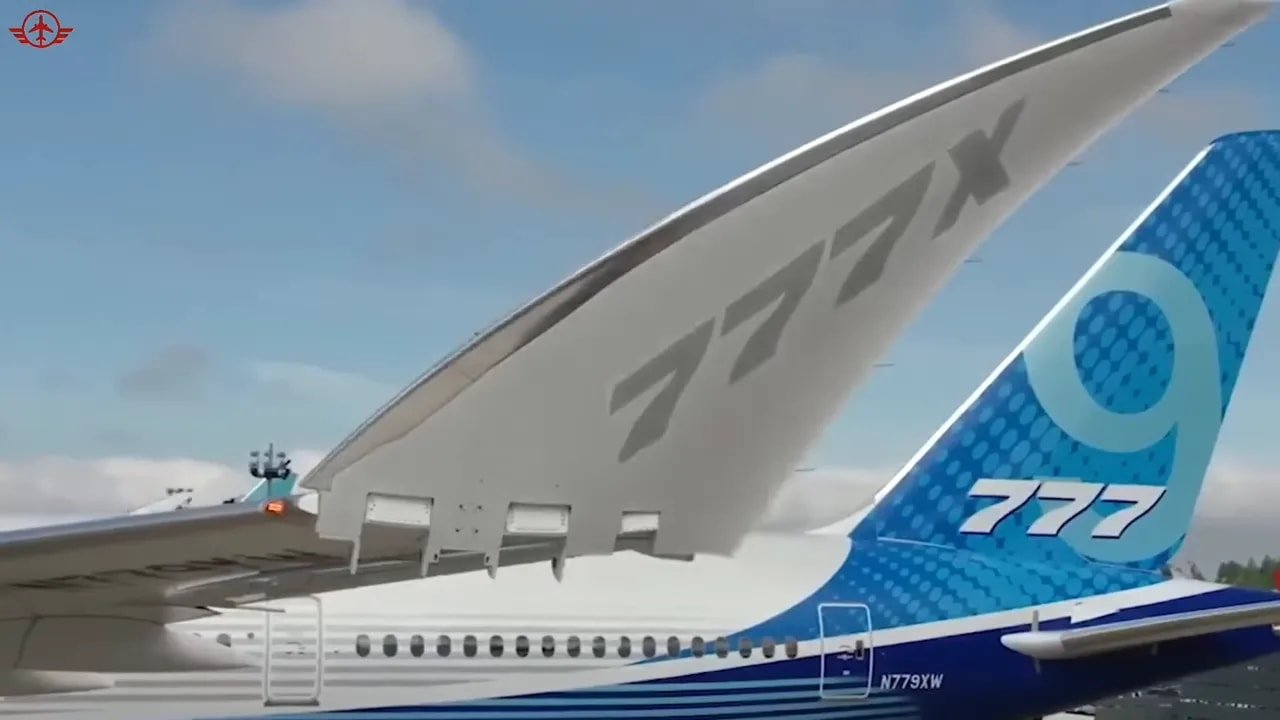
- Folding wingtips let the wing span increase in flight while keeping the aircraft compatible with many existing 777 airport gates on the ground.
- The 777-9 is the first passenger variant scheduled for service.
The folding-wingtip concept is especially important. The outer sections fold upward after landing, reducing the aircraft’s ground span while preserving the aerodynamic benefit of the larger wing in flight.
The problem is timing. Boeing originally expected the first 777X delivery in 2020. The company now continues to plan for the first 777-9 delivery in 2027, making the current target roughly seven years later than the original plan.
Customer commitment has not disappeared. Boeing said in May 2026 that customers had ordered more than 620 aircraft across the 777X family.
🧾 How the 737 MAX crisis changed the certification environment
The 777X certification program unfolded during a major change in the relationship between Boeing and the FAA. After the two fatal 737 MAX crashes and the investigations that followed, Boeing aircraft certification came under much greater scrutiny.
That does not mean every 777X delay was caused by the MAX crisis. The 777X has had its own technical and test-program setbacks. However, certification work that began under one regulatory environment has had to proceed under much tighter oversight and documentation expectations.
That matters because the 777X contains several major changes from earlier 777 models. Its wing, engines, folding wingtips, systems, and overall configuration all require evidence showing that they meet applicable certification standards.
The result is a certification program in which completing a test flight is only part of the job. Boeing must also complete supporting engineering analysis, documentation, issue resolution, and regulator review.
⚙️ The technical setbacks that slowed the 777X
The 777-9 first flew on January 25, 2020, but the program had already encountered problems before that milestone. Additional findings later interrupted flight testing and added work to an already stretched schedule.
One early event occurred during 2019 static load testing. Near the end of an extreme structural test, the aft fuselage depressurized and a cargo-door-area failure occurred on the ground-test airframe. The event required investigation before the development program could move forward.
A separate problem appeared in August 2024. Boeing paused 777-9 flight testing after finding damage in a thrust link, a structural component that helps transfer engine loads between the GE9X installation and the wing structure.
That distinction matters. The 2024 pause was not simply a GE9X engine malfunction. It involved a structural link associated with the engine installation, and Boeing inspected the flight-test fleet before testing resumed in January 2025.
These setbacks are significant because certification aircraft accumulate evidence one test campaign at a time. Any finding that requires inspection, redesign, new analysis, or repeat testing can affect work scheduled after it.
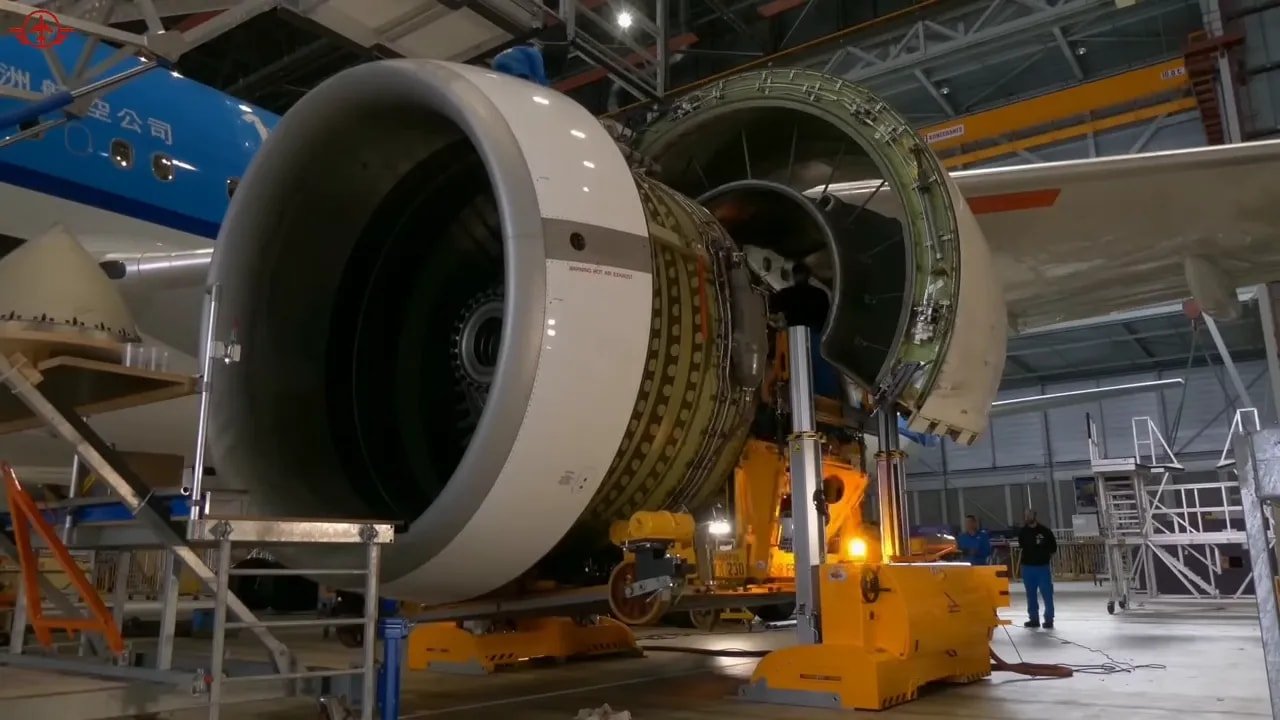
💸 The 777X has absorbed about $14.9 billion in major losses and charges
The financial impact is one of the clearest measures of how far the 777X program has moved from its original assumptions. Boeing has recorded several large charges or reach-forward losses as certification and production plans changed.
The major reported amounts include:
- $6.5 billion recorded in connection with the 777X in the fourth quarter of 2020
- About $3.5 billion in 777X reach-forward losses during 2024
- $4.9 billion in 2025 after Boeing reassessed certification timing and moved the first 777-9 delivery expectation to 2027
Together, those amounts are approximately $14.9 billion. Boeing’s third-quarter 2025 results specifically tied the $4.9 billion charge to updated 777X certification timing.
These accounting losses reflect more than the cost of test flights. Delays can increase labor and supplier costs, change production assumptions, require work on already-built aircraft, and create additional customer considerations.
The unusual part is that these costs have accumulated before Boeing has delivered the first passenger 777X.
📋 Where 777X certification stands now
The 777-9 has moved beyond the point where Type Inspection Authorization was simply a future milestone waiting to begin. FAA-approved certification flight testing is underway in phases, and Boeing has continued advancing through those phases during 2026.
In the second quarter of 2026, Boeing reported that the FAA had approved the 777X program to begin certification testing under Type Inspection Authorization phase 4B. Boeing continued to expect first delivery in 2027.
TIA is important because it allows FAA participation in formal certification testing. It is not one single final flight. The program moves through defined test work, engineering analysis, documentation, and regulator review before a type certificate can be issued.
By September 16, 2026, Boeing CEO Kelly Ortberg said the 777-9 team was still making progress but had more work to do. Boeing’s September certification update continued to describe the program as on track for first delivery in 2027 while acknowledging certification challenges.
That is the most important current status for airlines: the aircraft is moving through formal certification work, but the first customer delivery has still not happened.
🌍 Which airlines are most exposed to the 777X delay?
The biggest impact falls on airlines that planned long-haul fleet replacement and expansion around the 777X. Their exposure differs depending on how many aircraft they ordered, what older jets they expected to replace, and how aggressively they planned to grow.
- Emirates is the largest 777X customer, with 270 aircraft in its order book after adding another 65 777-9s in November 2025.
- Lufthansa is the launch customer and has already had its first production 777-9 fly during Boeing’s test and certification work.
- Qatar Airways has made the 777X family part of its long-term widebody plan.
- Singapore Airlines has ordered the 777-9 for future long-haul operations.
- Cathay Pacific is also a 777-9 customer and has been waiting through repeated schedule changes.
For Emirates, the scale is especially important because its network relies heavily on high-capacity long-haul aircraft. Every year without the 777X increases the need to manage capacity with its existing 777 and A380 fleets, aircraft retrofits, and other incoming widebodies.
Lufthansa faces a different problem. As the launch customer, it was expected to introduce the type first. Its initial aircraft has now flown, but that does not mean it can immediately enter airline service; certification still has to be completed before delivery.
On the Airbus side, A350 customers face a more conventional delivery problem. Their aircraft type is already certified and operating worldwide, but individual delivery slots can still move when production cannot keep pace with the planned schedule.
🔍 Airbus and Boeing are dealing with different failure points
Putting the A350 and 777X under one “widebody delay” label can hide the most useful part of the story. Airbus is trying to raise and stabilize output on a proven aircraft, while Boeing is still trying to complete certification of a new aircraft family.
For Airbus, the key question is whether it can make Kinston and the rest of the A350 supply chain reliable enough to support higher monthly output. The aircraft itself is already certified, flying with airlines, and accumulating deliveries.
For Boeing, production is only one part of the problem. Certification must be completed before the 777-9 can enter commercial passenger service, and regulator timing ultimately determines when that approval is issued.
That difference also changes the recovery path. Airbus can improve delivery performance as parts flow, staffing, and manufacturing output improve. Boeing needs technical work, certification evidence, documentation, and regulatory approval to converge before the first delivery can happen.
⏳ Is there an end in sight for the A350 and 777X delays?
There are clearer signs of progress on both programs than there were earlier in 2026, but neither story is finished. Airbus has moved the A350F into flight testing, while Boeing has advanced deeper into formal 777-9 certification work.
For Airbus, the main test is production consistency. Kinston is now fully inside the Airbus organization, the site has around 1,000 employees, and A350 demand remains strong. The challenge is converting that industrial control into a sustained increase in deliveries.
The A350F’s maiden flight is also an important step. It removes one uncertainty from the earlier story: the freighter is no longer waiting to begin flight testing. It is now in the certification campaign.
For Boeing, 2027 remains the target for the first 777-9 delivery. The program has made measurable certification progress, but Boeing itself continues to describe remaining work and certification challenges.
For airlines, that means the two programs require different expectations. A350 customers are watching production rates and delivery positions. 777X customers are still waiting for the regulatory process that turns a test aircraft into an airplane they can legally put into passenger service.
Frequently Asked Questions
Why is the Airbus A350 facing delivery delays in 2026?
The main pressure comes from production and supply-chain constraints rather than an A350 certification problem. Work at the former Spirit AeroSystems facility in Kinston, North Carolina, became a key bottleneck because the site makes important composite fuselage panels and wing-spar structures for the aircraft.
What does the Kinston plant build for the A350?
The Kinston facility manufactures major composite aerostructures for the A350. Airbus says its roughly 1,000 local employees work on fuselage panels and wing-spar aerostructures, which are shipped into the wider production system before completed aircraft reach final assembly and delivery.
Is demand for the Airbus A350 weakening?
No, the available order data still shows substantial demand for the A350 family. Airbus listed 1,624 cumulative A350 orders and 734 cumulative deliveries at the end of August 2026, leaving a large amount of ordered aircraft still to be produced and delivered.
Has the Airbus A350F flown yet?
Yes. The first A350F test aircraft completed its maiden flight on September 29, 2026. Airbus said the flight lasted 4 hours 10 minutes and began a flight-test campaign expected to run for more than nine months before the freighter can complete certification.
Why is the Boeing 777X so late?
The 777X has been delayed by a combination of technical findings, interrupted flight testing, production challenges, extensive certification work, and increased regulatory scrutiny. Boeing has continued advancing through FAA certification testing, but the 777-9 still has not completed the process required for its first customer delivery.
How far behind schedule is the Boeing 777X?
The 777X is roughly seven years behind its original first-delivery plan. Boeing once expected the first delivery in 2020, while its current public target is 2027. The exact timing still depends on completion of certification work and regulatory approval.
How much have 777X delays cost Boeing?
Boeing has recorded about $14.9 billion across three major 777X losses or charges discussed in this article: $6.5 billion connected with the program in 2020, about $3.5 billion in 2024 reach-forward losses, and another $4.9 billion in 2025.
When will the first Boeing 777-9 be delivered?
Boeing continues to target the first 777-9 delivery in 2027. As of September 2026, certification testing was still in progress, and Boeing said there was more work to complete. The final timing depends on certification progress and approval by the relevant regulators.
Sources
- Reuters: Airbus customer warnings, Kinston staffing pressure, and the A350 production bottleneck.
- Airbus Aerosystems Kinston: Kinston workforce and A350 fuselage-panel and wing-spar production.
- Airbus 2025 Board of Directors Report: 2025 A350 deliveries, cumulative deliveries, and orders.
- Airbus Orders and Deliveries: August 2026 cumulative A350 and commercial-aircraft figures.
- Airbus A350F Maiden Flight: September 29, 2026 first flight, test duration, specifications, and order count.
- Boeing Third-Quarter 2025 Results: $4.9 billion 777X charge and revised 2027 first-delivery expectation.
- Boeing Second-Quarter 2026 Results: FAA approval for 777X TIA 4B certification testing and 2027 delivery target.
- Boeing September 2026 Program Update: current 777-9 certification progress and continuing 2027 first-delivery target.