There are moments in commercial aviation when the industry seems to change in public. A launch event. A record order. A glossy promise about the future.
And then there are the moments that matter more because they happen quietly.
One of those moments came in the mid 2000s, when Boeing looked like it had completely seized control of long haul aviation. The 787 Dreamliner had arrived with all the ingredients of a revolution: lighter composite construction, lower fuel burn, and a point to point strategy that matched where airlines were already headed.
On the surface, Boeing had read the market perfectly.
What Airbus understood, long before the market fully absorbed it, was that Boeing had also exposed the shape of the next battle. And instead of rushing to answer, Airbus made the harder decision. It scrapped its first response, started over, and spent nearly a decade building not the fastest competitor, but the right one.
That aircraft became the A350 XWB.
And the reason it succeeded is not just engineering. It is strategy, patience, and a brutally disciplined read of what airlines actually buy.
✈️ Boeing’s position looked almost unassailable
To understand why Airbus’s move was so effective, you have to start with how strong Boeing looked at the time.
The 777 had become the benchmark long haul twin. Since entering service in the 1990s, it had proven that airlines could replace older three and four engine aircraft with a more efficient two engine jet that still had the range and reliability for intercontinental flying.
It was not a niche success. The 777 became central to the business models of major global carriers. Airlines used it for flagship long haul routes, premium products, and fleet renewal on a massive scale.
At the same time, Boeing had made an important strategic call about the future. Airbus launched the A380 in 2000 with a bet on giant hub to hub traffic flows. Boeing looked at the market and came to the opposite conclusion. It believed the future would belong to efficient twin engine aircraft flying more direct routes between cities.
That thinking led to the 787.
In 2004, that decision looked brilliant. Airlines were clearly moving toward point to point service. Four engine economics were getting harder to justify. And the 787 was collecting orders at a pace that made it feel less like a new model and more like a reset of the whole widebody market.
But this was also the moment Boeing made a structural decision that would hurt it badly. Rather than keep most of development and production tightly within its own industrial system, Boeing outsourced large chunks of the 787 program to partners around the world.
On paper, the logic made sense.
- It reduced Boeing’s upfront financial burden.
- It shifted some development risk to suppliers.
- It created global industrial participation that could support sales.
In reality, it created a supply chain problem of enormous complexity. Major sections were built across multiple countries, then brought together for final assembly. What seemed efficient in theory turned out to be extremely difficult in practice.
Delays piled up. Fit and finish problems emerged. Rework became expensive. The 787 ended up arriving more than three years late.
And while Boeing was busy managing a crisis it had created for itself, Airbus had time to think.
🛠️ The first A350 was not good enough, so Airbus killed it
Airbus’s original answer to the 787 was announced in 2004 under the A350 name, but it was not the airplane that would eventually change the market.
That first A350 was essentially an upgraded A330. It had improved engines, some aerodynamic refinement, and limited use of newer materials. It was fast to market, but it was not truly competitive.
Airlines saw that immediately.
Some carriers that had waited to compare Airbus’s response against the 787 looked at the specifications and went with Boeing instead. Even airlines with strong Airbus ties were not convinced by the first design.
This is the point where many companies get trapped by their own momentum. They defend the original decision, tweak the edges, and hope the market becomes more forgiving.
Airbus did the opposite.
Within two years, it accepted an uncomfortable truth: the aircraft it had announced was not good enough. So in 2006, Airbus restarted the program as the A350 XWB, short for Extra Wide Body.
This was not a revision. It was a reset.
The new A350 would share very little with the earlier concept. Airbus committed to a clean sheet widebody with:
- A composite fuselage rather than a lightly updated metal structure
- A new composite wing designed specifically for higher efficiency
- A wider cabin to give airlines more layout flexibility and passengers more space
- A purpose built new engine developed with Rolls-Royce
That choice meant time. A lot of it. The A350 XWB would not enter service until 2015.
But Airbus understood something critical: matching a strong competitor quickly is not the same as beating it. A nearly good aircraft that arrives earlier is often less valuable than a genuinely better aircraft that arrives later.
That is the core strategic lesson of the A350.
📈 Airbus chose the right response instead of the fast response
This is the part of the story that gets missed when people reduce the A350 to materials and engines.
The real breakthrough was strategic discipline.
By the time Airbus relaunched the program, Boeing had already shown the market where the industry was going. Airlines wanted lower fuel burn, smaller trip costs than older widebodies, and the ability to open or strengthen long haul routes without depending on giant hubs.
Airbus did not need to guess at the broad direction anymore. It needed to build the aircraft that fit that new reality better than the one Boeing had launched first.
And that meant resisting the temptation to chase the calendar.
Nine years of development sounds slow until you look at what those nine years bought:
- A cleaner design target
- More mature manufacturing processes
- Lessons pulled directly from Boeing’s difficulties
- A product that entered service in a more finished state
That is not just patience. That is competitive timing used intelligently.
🧱 Why composites mattered more than the marketing suggested
Both the 787 and the A350 were built around a major shift in aircraft construction: moving away from traditional aluminum structures and toward carbon fiber reinforced polymer composites.
That fact is widely known. What matters is why it changed the economics so dramatically.
Aluminum had decades of history behind it. Engineers knew how it aged, where it tended to crack, how corrosion progressed, and how often inspections had to be performed. It was familiar, but it came with weight and with well established maintenance burdens.
Composites offered a different trade.
They were lighter than comparable aluminum structures, and in aviation, lower weight does not just sound impressive on a specification sheet. It translates directly into lower fuel burn. Lower fuel burn means better cost per seat. And that means better airline economics over years of operation.
The 787 proved that the weight savings were real. The A350 did too.
But Airbus had one big advantage. It got to watch Boeing discover how hard composite manufacturing is at full commercial scale.
Building large composite fuselage sections across a global supplier network turned out to be much more difficult than expected. Precision matters enormously. Environmental controls matter. Process consistency matters. Joining large sections built in different places is not forgiving.
Boeing learned those lessons the hard way.
Airbus learned them by observation.
A more centralized approach made a real difference
Airbus built the A350 with tighter control over how major structures were made and integrated. Important fuselage sections were produced either in Airbus facilities or under close Airbus supervision, using methods developed specifically for the program.
The result was not just a modern aircraft. It was a more orderly industrial system for making one.
That distinction matters because aircraft are judged in service, not only in brochures.
Early A350 operators reported dispatch reliability that was strong almost immediately. In practical terms, that means the aircraft was able to leave on time without being held back by technical problems at rates that compared favorably even with more mature 787 operations.
That is what extra development time can buy when it is used well. Not just better numbers on paper, but fewer unpleasant surprises in the real world.
⚙️ The Trent XWB changed the equation
A great widebody does not work without the right engine. In many cases, the engine is where the economics are won or lost.
The 787 benefited from having two advanced engine options, the GE GEnx and the Rolls-Royce Trent 1000. That gave airlines commercial flexibility and kept competitive pressure on pricing.
The A350 took a different path. Airbus built it around a single engine family, the Rolls-Royce Trent XWB.
That sounds limiting until you understand how the engine was developed.
Instead of choosing an existing engine and adapting it to the aircraft, Airbus and Rolls-Royce developed the engine and the airframe in parallel. The aircraft’s aerodynamic and systems requirements helped shape the engine. The engine’s performance capabilities shaped the aircraft.
That created much tighter integration than the industry had typically seen on earlier programs.
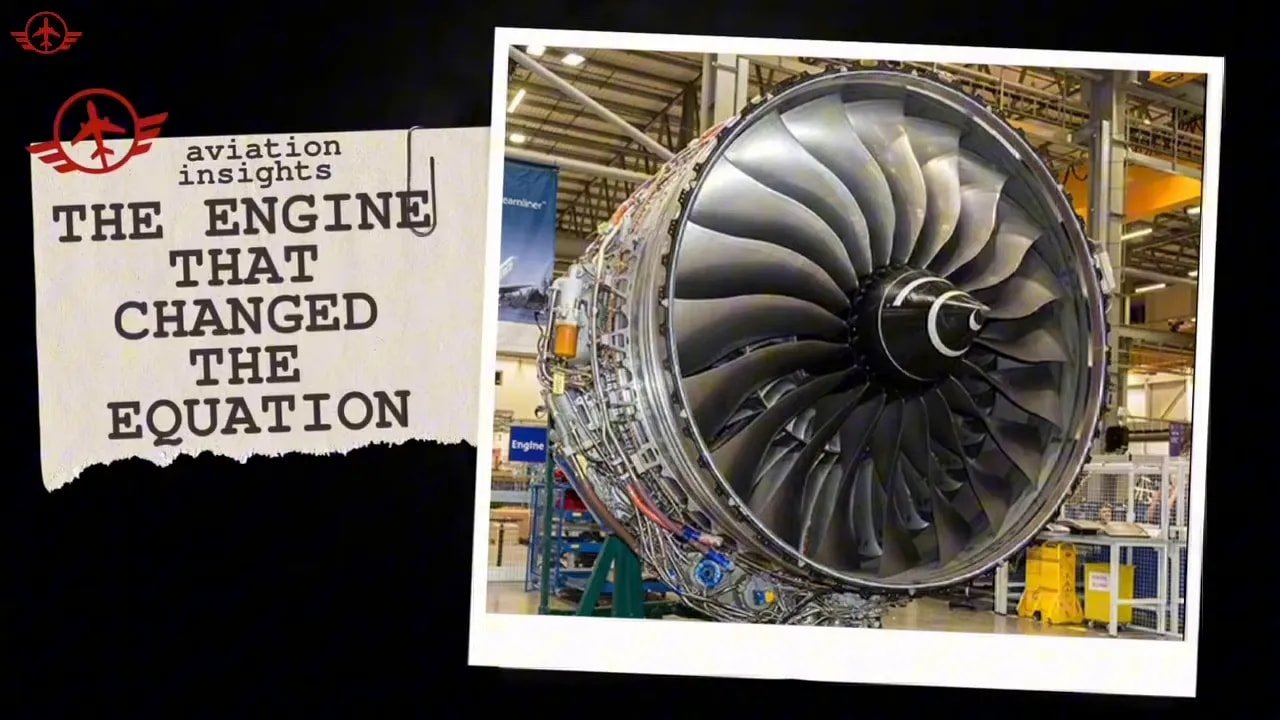
The result was extraordinary. By industry measures, the Trent XWB became one of the most efficient large turbofan engines ever certified for commercial use. Its efficiency was not just theoretical. It showed up in airline operations.
That matters because long haul economics are unforgiving. A small performance edge, repeated day after day across an airline network, becomes serious money.
When operators put the A350 to work, the aircraft consistently delivered fuel burn results that met or exceeded expectations, even while offering more cabin space than the 787.
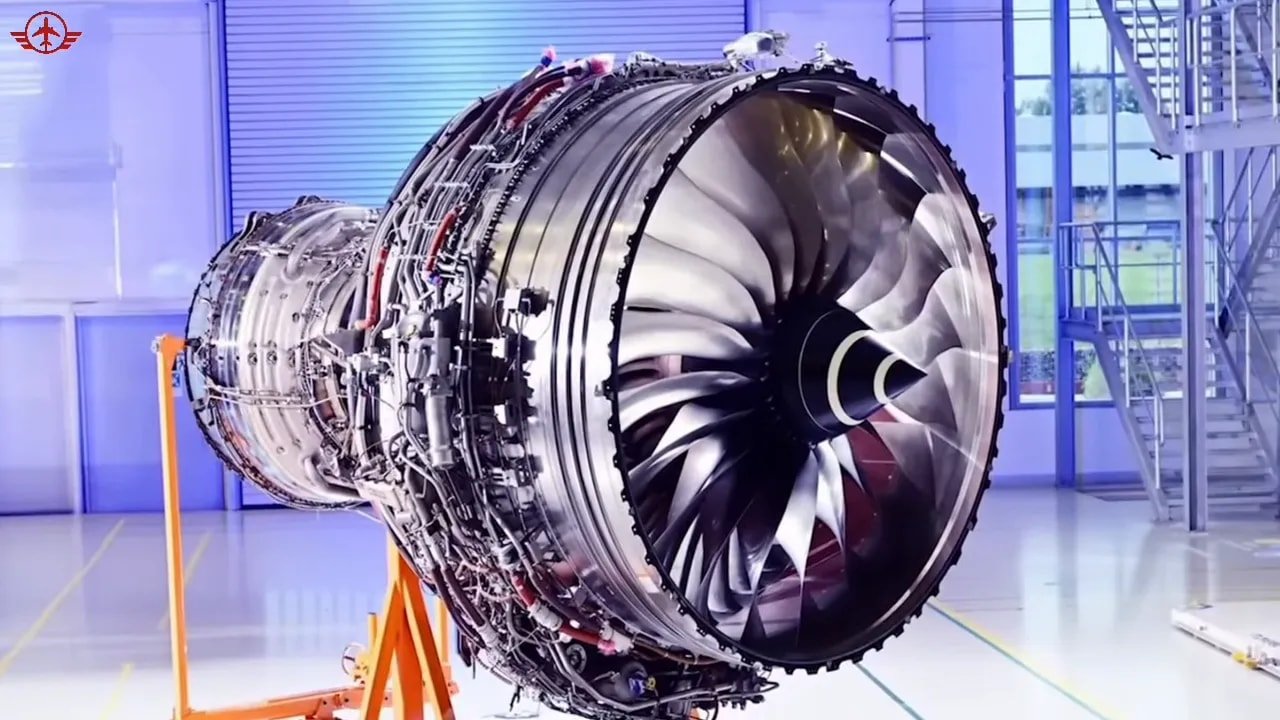
Why the engine mattered so much
- Fuel efficiency: Lower burn directly improved trip economics and seat economics.
- Airframe integration: The aircraft and engine were shaped together, not bolted together late.
- Operational consistency: The performance airlines were promised showed up in service.
That combination is a big reason the A350 became so attractive on premium long haul routes.
💺 Why airlines kept choosing the A350 for flagship routes
Airlines do not buy aircraft because of launch hype. They buy them because of route economics, cabin flexibility, operating reliability, and how well the machine fits the network they are trying to build.
The A350 landed in the market with a very strong answer on each of those points.
Its fuselage gave airlines more room to work with than the 787. That meant a better balance between comfort and seat count, especially in economy where a little extra width matters more than airline marketing departments usually admit.
Its fuel performance was highly competitive. Its range made it suitable for important long haul missions. And because it entered service in a more mature state, it avoided some of the early pain that can sour airlines on a new type.
This is why major carriers put the A350 onto some of their most important routes. Not because it was dramatic, but because it was useful in exactly the ways that matter most.
One example often cited is Qatar Airways using the A350 on Doha to London operations, where the economics compared very favorably with older aircraft it was replacing. When that kind of performance is repeated across a year, the savings become substantial.
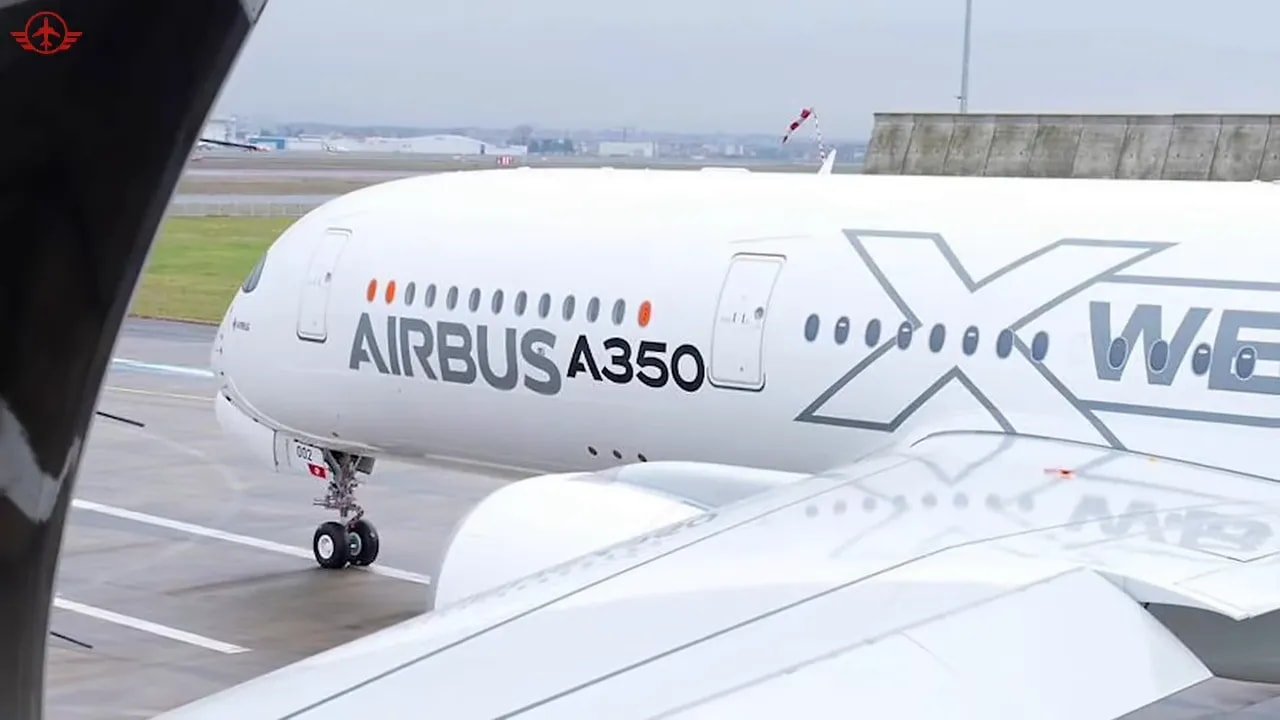
That is the hidden part of aircraft competition. The market usually does not turn on a single headline. It turns when enough airlines quietly conclude that one airplane does the job better.
🎯 What Airbus really understood before Boeing did
The A350 was not secret because nobody knew Airbus was developing it. It was secret in a deeper sense. The scale of the strategic move was not fully understood until the market had already started responding to it.
Airbus saw several things clearly:
- Boeing was right about the future of efficient long haul twinjets.
- The original A350 was not enough to compete in that future.
- Boeing’s production struggles were exposing weaknesses Airbus could avoid.
- The winning move was not to answer first. It was to answer better.
That is what competitive advantage looks like in aerospace when it is real.
Not a flashy reveal. Not a wave of launch orders. Not confidence mistaken for control.
It is a quiet decision, made early enough and executed long enough, that by the time the industry fully sees it, the outcome is already taking shape.
❓FAQ
Why did Airbus restart the A350 program instead of updating the first design?
Because the original A350 was not competitive enough against the 787. It was too closely based on the A330 and did not offer the level of efficiency, structure, and cabin advantages airlines were looking for. Airbus concluded that a partial fix would not be enough and chose a full redesign.
What does A350 XWB mean?
XWB stands for Extra Wide Body. It refers to the A350’s wider fuselage, which gives airlines more flexibility in cabin layout and helps improve passenger comfort, especially in economy seating.
How did Boeing’s 787 problems help Airbus?
The 787 exposed how difficult large scale composite manufacturing and globally distributed production could be. Airbus was able to study those difficulties and build the A350 with tighter manufacturing control, better integration, and fewer early service issues.
Why is the Trent XWB so important to the A350?
The Trent XWB was developed alongside the aircraft rather than adapted afterward. That close integration helped give the A350 exceptional fuel efficiency and made the aircraft’s economics especially strong on long haul routes.
Did the A350 really beat the 787?
In several areas, yes. The A350 established a strong position on efficiency, range, cabin comfort, and early in service performance. The 787 remains a very important aircraft, but Airbus built a competitor that was good enough to win major airline decisions in the segments that mattered most.