

Alabama, located in the southeastern region of the United States, is characterized by a diverse climate that reflects its geographical position. The state experiences a humid subtropical climate, which is marked by hot summers and mild winters. This climatic condition is influenced by the Gulf of Mexico, which plays a significant role in shaping the weather patterns across Alabama.
The state’s varied topography, including mountains in the north and flat plains in the south, further contributes to the complexity of its weather systems. Understanding Alabama’s weather is crucial for residents and visitors alike, as it can significantly impact daily activities, agriculture, and outdoor events. The state is known for its unpredictable weather, with sudden changes that can occur within a single day.
From thunderstorms to snow flurries, Alabama’s weather can be both fascinating and challenging. This article will delve into the specific weather patterns and forecasts for each month from January to May, providing insights into what one can expect during these months.
Key Takeaways
- Alabama experiences a variety of weather patterns due to its location in the southeastern United States.
- The state has a humid subtropical climate, with hot summers and mild winters.
- January in Alabama is typically cold and wet, with occasional snowfall in the northern regions.
- February sees a gradual warming trend, with some precipitation and occasional thunderstorms.
- March brings milder temperatures and increased rainfall, with the possibility of severe weather and tornadoes.
Weather Patterns and Climate in Alabama
Alabama’s climate is primarily classified as humid subtropical, which means it experiences hot, humid summers and mild winters. The average temperature in summer can soar above 90°F (32°C), while winter temperatures typically range from the mid-30s to mid-50s Fahrenheit (1°C to 15°C). Rainfall is abundant throughout the year, with an annual average of about 56 inches, making it one of the wetter states in the U.S.
The state also experiences a significant amount of humidity, particularly during the summer months, which can make the heat feel more intense. The weather patterns in Alabama are heavily influenced by its proximity to the Gulf of Mexico. This geographical feature not only contributes to the warm temperatures but also plays a critical role in the formation of storms.
The state is prone to severe weather events, including thunderstorms, tornadoes, and hurricanes. The peak of tornado season typically occurs in the spring months, particularly from March through May, when conditions are most favorable for their development. Understanding these patterns is essential for residents to prepare for potential severe weather.
January Weather Forecast
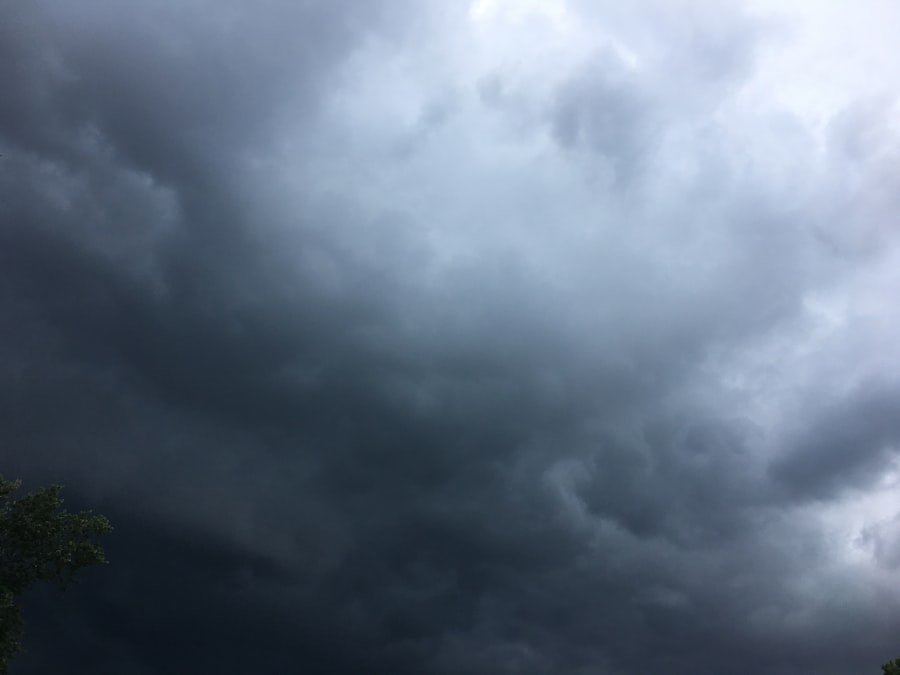
January in Alabama marks the heart of winter, with temperatures generally ranging from the low 30s to mid-50s Fahrenheit (around 1°C to 13°C). While snow is relatively rare in most parts of the state, it is not unheard of, particularly in the northern regions where elevations are higher. January often brings a mix of cold fronts and milder days, leading to fluctuating temperatures that can catch residents off guard.
Precipitation during January is common, with rain being more prevalent than snow. The state averages about 4 inches of rainfall during this month. Residents should be prepared for overcast skies and occasional cold snaps that can lead to frost or even ice on roads.
It’s advisable for individuals to keep an eye on weather forecasts as conditions can change rapidly.
February Weather Forecast
| Date | Temperature (Celsius) | Humidity (%) | Wind Speed (km/h) |
|---|---|---|---|
| 1st February | 15 | 70 | 20 |
| 2nd February | 14 | 75 | 18 |
| 3rd February | 16 | 68 | 22 |
| 4th February | 17 | 65 | 25 |
As February rolls in, Alabama begins to transition out of winter, although cold snaps can still occur. Average temperatures typically range from the upper 30s to mid-60s Fahrenheit (around 3°C to 18°C). This month often sees a gradual warming trend as spring approaches, but it can also bring unpredictable weather patterns.
Rainfall remains common, with February averaging about 4 inches of precipitation. February is also known for its potential for severe weather events. As warm air begins to push northward from the Gulf of Mexico, it can clash with colder air masses moving down from the north, creating conditions ripe for thunderstorms.
Residents should remain vigilant during this time and stay informed about any severe weather alerts. It’s wise to have an emergency plan in place and ensure that supplies such as flashlights and batteries are readily available.
March Weather Forecast
March marks a significant shift in Alabama’s weather as spring begins to take hold. Average temperatures rise considerably, ranging from the mid-40s to low 70s Fahrenheit (around 7°C to 22°C). This month is characterized by an increase in sunshine and longer daylight hours, making it a popular time for outdoor activities and events.
However, March is also notorious for its volatile weather patterns. The state often experiences severe thunderstorms during March due to the clash of warm and cold air masses. Tornadoes are a real threat during this month, particularly in the latter half when conditions become more favorable for their formation.
The National Weather Service typically issues tornado watches and warnings during this time, urging residents to stay alert and prepared. It’s essential for individuals to have a reliable way to receive weather updates and to know their local emergency procedures.
April Weather Forecast
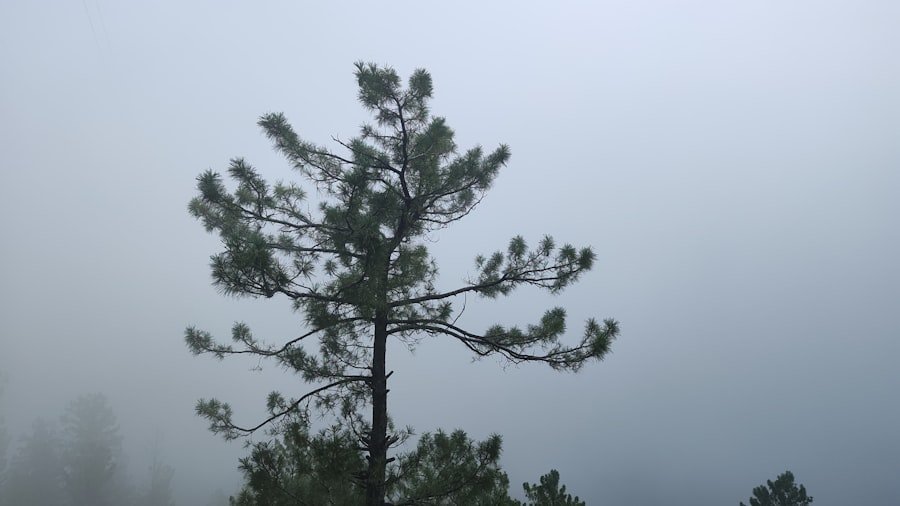
April in Alabama is often seen as one of the most pleasant months of the year, with temperatures ranging from the mid-50s to mid-70s Fahrenheit (around 13°C to 24°C). The state begins to bloom with vibrant flowers and lush greenery as spring fully sets in. Rainfall remains common, with April averaging about 5 inches of precipitation; however, these showers often come in the form of brief thunderstorms rather than prolonged downpours.
While April brings beautiful weather, it also continues the trend of severe weather that March initiates. The risk of tornadoes remains high during this month, particularly in the latter half when conditions are most conducive for their development. Residents should remain vigilant and prepared for sudden changes in weather.
Having a designated safe space within homes or businesses where individuals can take shelter during severe storms is crucial.
May Weather Forecast
May signifies the transition into summer in Alabama, with temperatures typically ranging from the upper 60s to mid-80s Fahrenheit (around 20°C to 30°C). The humidity levels begin to rise significantly during this month, making it feel warmer than it actually is. May is also one of the wettest months of the year, with an average rainfall of about 5 inches or more.
The severe weather threat continues into May as well, with thunderstorms becoming more frequent and intense. This month marks the peak of tornado season in Alabama; thus, residents should remain alert for severe weather warnings and be prepared for potential power outages or property damage due to storms. It’s advisable for individuals to have an emergency kit ready that includes essentials such as water, non-perishable food items, medications, and first-aid supplies.
Conclusion and Tips for Weather Preparedness in Alabama
Being prepared for Alabama’s unpredictable weather is essential for safety and comfort throughout the year. Residents should stay informed about local forecasts and be aware of seasonal trends that may affect their daily lives. Investing in a reliable weather radio or smartphone app can provide timely alerts about severe weather conditions.
Additionally, having an emergency plan in place is crucial. This includes knowing evacuation routes, having a designated safe space within homes for severe storms, and maintaining an emergency kit stocked with essential supplies. Regularly checking supplies and updating them as needed ensures that families are ready for any situation that may arise due to Alabama’s dynamic weather patterns.
By staying informed and ready, residents can enjoy all that Alabama has to offer while minimizing potential disruptions caused by its ever-changing weather conditions.
If you’re planning a trip to Alabama and want to know what kind of weather to expect each month, it’s essential to be prepared for the varying climate conditions. From the warm, humid summers to the mild winters, understanding Alabama’s weather patterns can help you make the most of your visit. For those interested in exploring more about seasonal changes and how they affect different aspects of life, you might find it intriguing to read about how weather influences agriculture and food production. For instance, the article on exploring the delightful world of Asian melon provides insights into how climate can impact the growth and harvest of this unique fruit.
FAQs
What is the weather like in Alabama in January?
In January, Alabama experiences cold temperatures with an average high of 56°F (13°C) and an average low of 34°F (1°C). There is a chance of precipitation, with an average of 5 inches of rainfall and occasional snowfall in the northern parts of the state.
What is the weather like in Alabama in July?
July in Alabama is characterized by hot and humid weather, with an average high of 91°F (33°C) and an average low of 71°F (22°C). There is a high chance of precipitation, with an average of 5 inches of rainfall.
What is the weather like in Alabama in October?
In October, Alabama experiences mild temperatures with an average high of 76°F (24°C) and an average low of 52°F (11°C). There is a moderate chance of precipitation, with an average of 4 inches of rainfall.
What is the weather like in Alabama in April?
April in Alabama brings mild and pleasant weather, with an average high of 75°F (24°C) and an average low of 52°F (11°C). There is a moderate chance of precipitation, with an average of 4 inches of rainfall.
What is the weather like in Alabama in December?
December in Alabama is cool, with an average high of 58°F (14°C) and an average low of 37°F (3°C). There is a chance of precipitation, with an average of 5 inches of rainfall and occasional snowfall in the northern parts of the state.