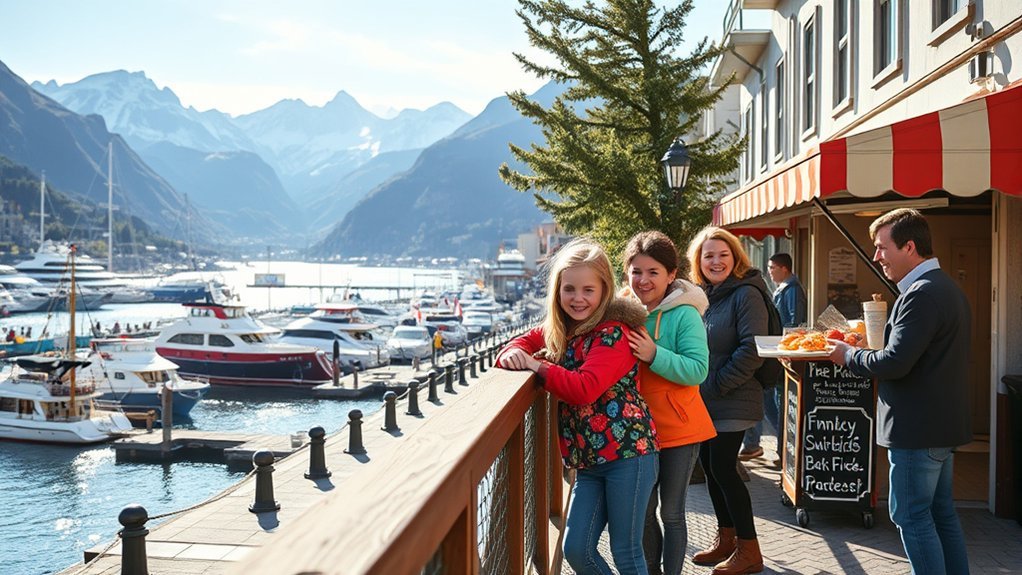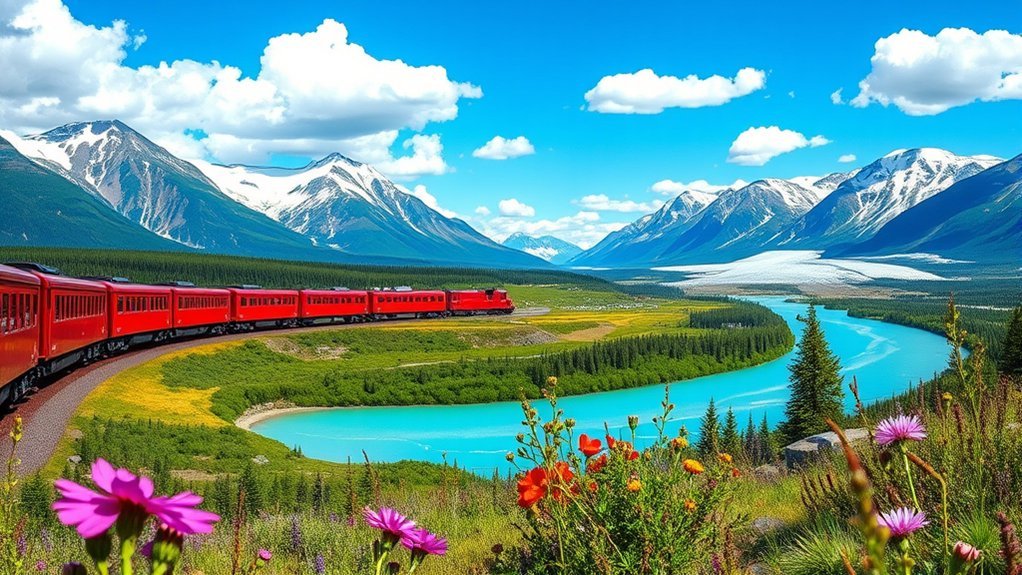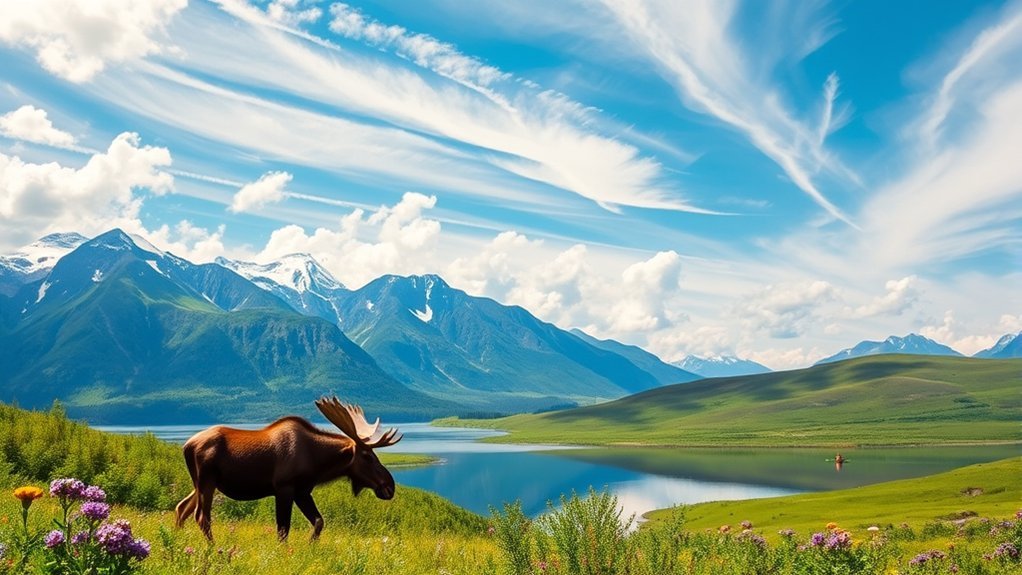
August is one of the most rewarding times to visit Alaska. Summer tours and trails are generally operating, salmon are moving through many rivers, wildlife viewing can be excellent, and the days are still long. However, cooler temperatures, increasing rain, high seasonal demand, and rapidly changing conditions mean you need to plan carefully.
Quick Answer
August is a good time to visit Alaska for hiking, wildlife viewing, fishing, cruises, and open summer attractions. Expect cool, wet, changeable weather and shorter days as the month progresses. Aurora viewing becomes possible around Fairbanks after about August 21, but clear skies and solar activity are never guaranteed.
Key Takeaways
- Typical August temperatures are around 50–63°F in Anchorage, 48–67°F in Fairbanks, and 50–60°F in Juneau.
- Rain becomes more common, so bring waterproof outerwear, warm layers, and sturdy footwear.
- August can offer salmon runs, bears feeding near rivers, marine wildlife, hiking, cruises, and late-summer festivals.
- Fishing seasons, harvest limits, park access, trail conditions, and tours can change. Check official information before each activity.
- Aurora viewing is mainly a late-August possibility in Interior Alaska, not something to expect throughout the state all month.
August at a Glance
| Weather | Cool and changeable, with more rain than in early summer |
| Daylight | Still long, but decreasing quickly throughout the month |
| Best For | Wildlife, salmon fishing, hiking, cruises, glaciers, and late-summer events |
| Main Drawbacks | Peak-season prices, limited availability, rain, mud, and weather-related cancellations |
| Northern Lights | Possible mainly in Interior Alaska after approximately August 21 |
Weather in Alaska in August
August is a transition between summer and early autumn. Days can still feel mild, but evenings become cooler, rain becomes more frequent, and conditions can change quickly. Alaska is too large for one statewide forecast, so plan around the region you will visit.
| Destination | Typical August Range | What to Expect |
|---|---|---|
| Anchorage | About 50–63°F | Cool mornings, mild afternoons, and increasing rain |
| Fairbanks | About 48–67°F | Greater temperature swings and possible early fall color late in the month |
| Juneau | About 50–60°F | Cool, damp coastal weather with frequent clouds or rain |
These are representative averages from Travel Alaska, not forecasts. Mountains, Arctic communities, exposed coastlines, and remote valleys can be much colder. Snow is possible at higher elevations even when towns remain above freezing.
Daylight is still generous, but it falls quickly during August. Many popular destinations average roughly 14–15 hours across the month, with longer days near the beginning and at northern latitudes. Check sunrise and sunset times for your exact destination instead of using one statewide figure.
Note: A sunny morning does not guarantee a dry afternoon. Carry a waterproof shell and a warm layer on hikes, boat tours, and road trips, even when the forecast looks favorable.
What to Pack for Alaska in August
Pack for cool rain, wind, sunshine, and muddy trails. Layers work better than one heavy coat because you can adjust them as conditions change.
- Base layers: Moisture-wicking shirts and underwear made from synthetic fabric or wool
- Warm layer: Fleece, light insulated jacket, or wool sweater
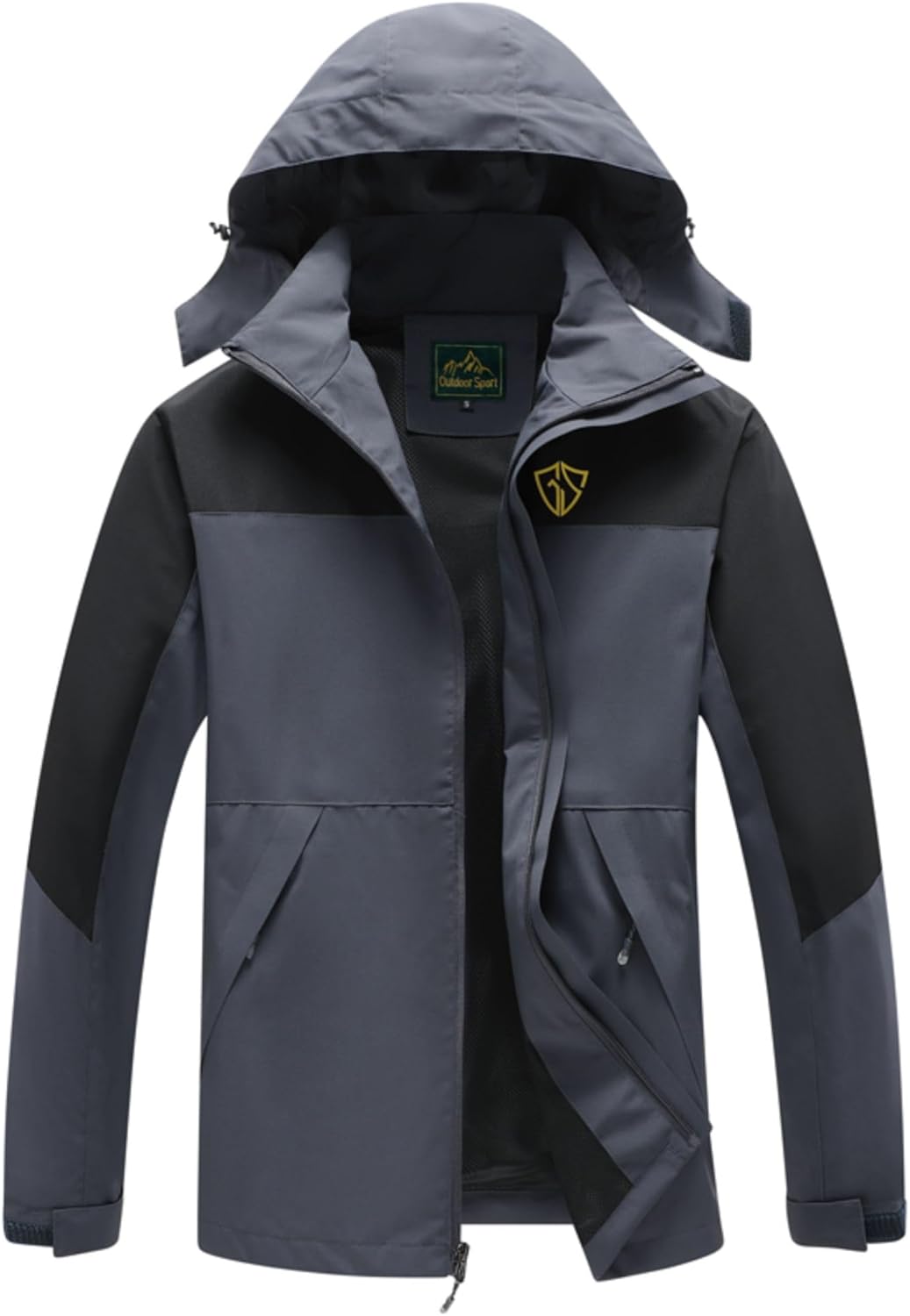
- Rain protection: Waterproof hooded jacket and rain pants
- Footwear: Broken-in hiking shoes or boots with dependable traction
- Accessories: Warm hat, light gloves, sunglasses, and a brimmed cap
- Day-hike supplies: Water, food, map, offline navigation, headlamp, and compact first-aid kit
- Wildlife safety: Accessible bear spray where permitted and knowledge of how to use it
- Comfort items: Insect repellent, sunscreen, reusable water bottle, dry bags, and a sleep mask
Mosquito activity often begins to decline later in summer, but mosquitoes and biting flies can still be active around wetlands, forests, and calm water. Pack repellent rather than assuming the insects will be gone.
Wildlife and Seasonal Movement
August is an active month for Alaska’s wildlife, but animal locations and movements vary by region. Sightings are never guaranteed.
- Salmon: Several salmon species move upstream to spawn, although timing differs by river and species.
- Bears: Brown and black bears may feed near salmon streams or berry patches. Use a permitted viewing area or qualified guide when possible.
- Caribou: Some herds shift between seasonal ranges, but routes and timing differ. Not all herds simply travel south.
- Migratory birds: Geese, cranes, shorebirds, and other species may gather or begin moving toward wintering areas.
- Whales: Humpback whales and other marine mammals may still be feeding in Alaska’s coastal waters.
- Moose: Moose can appear near roads, wetlands, forests, and communities. Give them plenty of space.
Salmon runs can concentrate both fish and bears near the same rivers, making August rewarding for wildlife viewing but especially important for bear awareness.
Warning: Never approach, surround, or feed wildlife. If you encounter a bear, stay calm, group together, ready your deterrent, and do not run. Follow the current guidance from the Alaska Department of Fish and Game.
Best Hiking Areas to Explore
August usually provides broad access to Alaska’s summer trails, but rain can create mud, slippery roots, swollen streams, and poor visibility. Always check the managing agency’s current trail report before leaving.
| Trail or Area | Difficulty | Why Visit |
|---|---|---|
| Flattop Mountain near Anchorage | Moderate to strenuous | Popular access from the Glen Alps area with broad views over Anchorage |
| Exit Glacier area | Easy to moderate options | Shorter routes and viewpoints near Exit Glacier in Kenai Fjords National Park |
| Harding Icefield Trail | Strenuous | A 7.8-mile round trip with steep climbing and expansive icefield views |
| Mount Roberts Trail in Juneau | Moderate to strenuous | Forest climbing with views over Juneau and the Gastineau Channel |
The National Park Service recommends allowing at least six to eight hours for the full Harding Icefield Trail. Hikers should carry warm clothes, rain gear, sturdy footwear, sun protection, food, and at least two liters of water per person or a suitable water filter.
Pro Tip: Start long hikes early. You will have more time to handle slow trail conditions, wildlife delays, or changing weather without rushing back.
Do not walk onto a glacier without the correct training, equipment, and local guidance. Crevasses, unstable ice, falling rock, fast streams, and cold exposure can be deadly even when the glacier looks easy to reach.
Fishing Opportunities in August
August can be an excellent fishing month, but there is no single statewide season. The best target depends on the river, coastal area, current run strength, and applicable regulations.
Popular Fishing Regions
- Kenai Peninsula: Offers river fishing, stocked lakes, and saltwater charter access from communities such as Seward and Homer.
- Bristol Bay region: Known for major salmon systems and remote guided fishing.
- Southeast Alaska: Offers saltwater opportunities for salmon and halibut, along with stream fishing in some areas.
- Copper River drainage: Contains productive but highly regulated fisheries that require careful trip planning.
Fish You May Target
| Fish | Typical August Opportunity |
|---|---|
| Silver or coho salmon | Often a major August target, depending on the drainage and run timing |
| Sockeye and pink salmon | Available in selected rivers and coastal areas, with timing varying by location |
| King or Chinook salmon | Limited and area-specific; many runs peak earlier and some waters have restrictions |
| Halibut | A common saltwater charter target where weather and regulations permit |
| Rainbow trout and Arctic grayling | Freshwater opportunities vary by drainage and local rules |
Warning: Obtain the correct sport fishing license and any required king salmon stamp before fishing. Check the current ADF&G regional regulations and emergency orders. Emergency orders supersede the printed regulation booklet.
Scenic Places for Wildlife Viewing
Alaska’s parks and coastlines provide strong wildlife-viewing opportunities, but distance, patience, and responsible behavior matter more than getting a close photograph.
National Parks
- Denali National Park and Preserve: Possible sightings include moose, caribou, Dall sheep, bears, and smaller tundra animals. Access and bus operations can change, so check current park conditions.
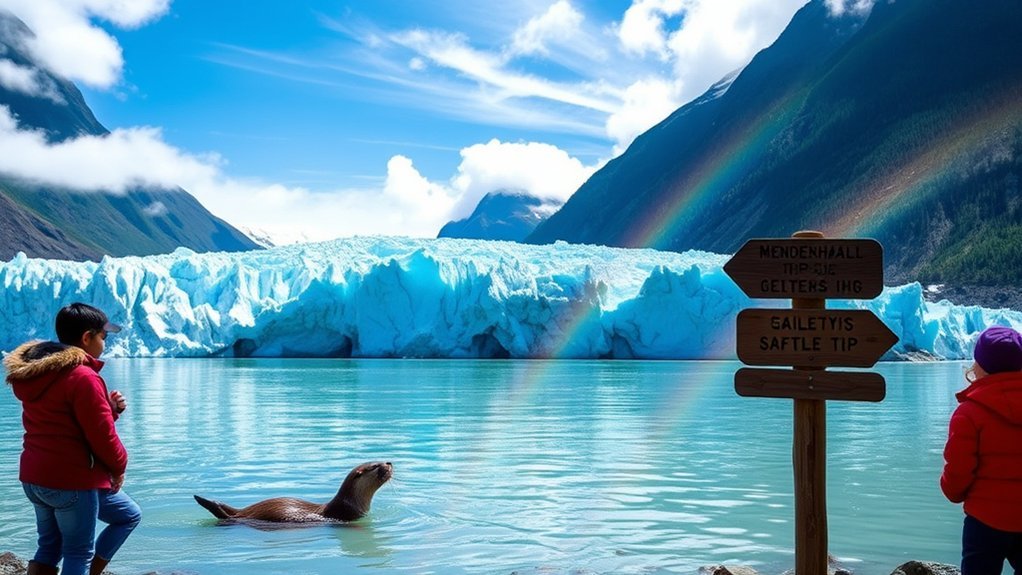
- Kenai Fjords National Park: Boat tours may encounter sea otters, seals, whales, seabirds, and tidewater glaciers.
- Wrangell-St. Elias National Park and Preserve: Offers vast landscapes and remote wildlife habitat, but services and cellular coverage are limited.
- Gates of the Arctic National Park and Preserve: Provides remote wilderness without conventional road access. It requires advanced planning and backcountry experience.
Coastal Viewing Locations
| Location | Possible Wildlife |
|---|---|
| Kenai Fjords | Sea otters, seals, whales, and seabirds |
| Glacier Bay | Whales, seals, sea lions, and seabirds |
| Homer Spit and Kachemak Bay | Sea otters, eagles, seabirds, and occasional marine mammals |
| Kodiak Island | Brown bears, sea otters, marine mammals, and birds |
Use binoculars or a telephoto lens instead of moving closer. Never block an animal’s path or stand between a mother and her young.
Tips for Camping in August
Camping in Alaska during August can be beautiful, but wet weather and cooler nights demand more preparation than many summer campers expect.
- Reserve popular sites: Campgrounds near major parks and communities can fill during peak travel season.
- Use a rain-ready shelter: Bring a waterproof tent with a dependable rainfly and a groundsheet that does not extend beyond the tent floor.
- Pack insulating layers: Cotton holds moisture and can leave you cold. Use wool or synthetic clothing.
- Protect food and scented items: Follow the campground’s bear-resistant storage rules for food, garbage, toiletries, and cooking equipment.
- Carry safe drinking water: Bring enough water or use a suitable filter or treatment method for backcountry sources.
- Prepare for darkness: Late August nights are long enough to make a headlamp useful.
- Leave a trip plan: Tell someone where you are going and when you expect to return.
- Check fire rules: Restrictions can change with wildfire conditions, even late in summer.
Warning: Alaska’s rivers, lakes, and coastal waters remain dangerously cold. Wear an appropriate personal flotation device when boating or paddling, and avoid attempting unfamiliar river crossings after heavy rain.
Accommodations, Transportation, and Booking
August remains part of Alaska’s main visitor season. Hotels, cabins, rental cars, park buses, cruises, ferries, fishing charters, and wildlife tours may sell out. Reserve major parts of your trip as early as possible, especially if your dates are fixed.
Accommodation options include hotels in larger cities, roadside lodges, cabins, vacation rentals, hostels, campgrounds, and remote wilderness lodges. Prices and cancellation policies vary widely. Remote properties may require a boat or small-aircraft transfer, so confirm baggage limits and weather policies before paying.
Driving times can be much longer than a map suggests because of road construction, wildlife, weather, and limited passing areas. Download offline maps and check Alaska 511 for current road conditions.
Pro Tip: Build at least one flexible half-day into your itinerary. Rain, wind, fog, wildfire smoke, rough seas, or aircraft conditions can delay outdoor tours.
Festivals and Events in Alaska
August events offer opportunities to meet local vendors, try Alaska-grown food, and enjoy music, crafts, exhibits, and community traditions.
The Alaska State Fair in Palmer is the month’s best-known event. In 2026, the fair runs from August 21 through September 7, with scheduled closed days. Exhibits, concerts, rides, food vendors, and agricultural displays vary by date.
Anchorage also has farmers markets and seasonal community events. Schedules and locations can change, so check the current Visit Anchorage calendar rather than relying on an old market listing.
The main Sitka Summer Music Festival is normally held in June, not August. Travelers visiting Sitka in August should check the festival’s current event calendar for individual performances or other programs.
Can You See the Northern Lights in August?
You may see the Northern Lights in late August, especially around Fairbanks and other parts of Interior or northern Alaska. However, early August skies are generally too bright.
The University of Alaska Fairbanks Geophysical Institute identifies approximately August 21 to April 21 as Fairbanks’ main aurora-viewing season. Darkness, clear skies, and auroral activity must occur at the same time, so no tour or forecast can guarantee a display.
- Travel in the last part of August rather than the first half.
- Choose Interior Alaska for better odds than cloudy Southeast locations.
- Find a legal viewing place away from bright city lights.
- Check cloud cover and the UAF aurora forecast before driving.
- Allow several nights instead of depending on one evening.
- Bring warm layers, a headlamp, and emergency supplies if leaving town.
- Keep expectations realistic; cameras may record stronger colors than your eyes see.
A Practical Seven-Day August Itinerary
Alaska is too large to cover in one short trip. A focused Southcentral itinerary gives you more time outdoors and less time in transit.
- Days 1–2: Anchorage. Recover from travel, visit local attractions, and hike from the Glen Alps area if conditions are good.
- Days 3–4: Seward. Explore the Exit Glacier area and reserve a Kenai Fjords boat tour, with backup time for bad marine weather.
- Days 5–6: Kenai Peninsula. Choose fishing, wildlife viewing, kayaking, or a visit to Homer and Kachemak Bay.
- Day 7: Return to Anchorage. Leave enough driving time for construction, stops, and wildlife near the road.
If Denali is your priority, spend fewer days on the Kenai Peninsula and add two or three nights near Denali. For glaciers, whales, and coastal communities, consider a Southeast Alaska cruise or a Juneau-based trip instead of combining every region.
Frequently Asked Questions
What are average August temperatures in different parts of Alaska?
Typical ranges are approximately 50–63°F in Anchorage, 48–67°F in Fairbanks, and 50–60°F in Juneau. Mountain and Arctic areas can be colder, and freezing conditions are possible at higher elevations.
Is Alaska rainy in August?
August is often wetter than early summer, particularly in coastal and Southeast Alaska. Pack a waterproof jacket, rain pants, quick-drying layers, and water-resistant footwear.
What safety precautions should I take while hiking?
Check weather and trail reports, carry food and water, use offline navigation, tell someone your route, and keep bear spray accessible where permitted. Make noise in dense vegetation, keep your distance from wildlife, and never run from a bear.
What clothing should I pack?
Bring moisture-wicking base layers, fleece or light insulation, a waterproof jacket, rain pants, sturdy footwear, a warm hat, and light gloves. Avoid relying on cotton for exposed outdoor activities because it stays cold when wet.
How do daylight hours change throughout August?
Daylight decreases rapidly during August, and the exact amount depends on latitude. Many popular destinations average around 14–15 hours across the month, but early-August days are longer and northern locations lose daylight more quickly.
Can I see the Northern Lights in August?
Late August offers a possibility in Interior Alaska. Around Fairbanks, the main viewing season begins near August 21. You still need darkness, clear weather, and sufficient solar activity, so sightings cannot be guaranteed.
Are mosquitoes bad in August?
Mosquito numbers often decline later in summer, but they can remain active near forests, wetlands, and calm water. Pack insect repellent and consider lightweight long sleeves.
What accommodations are available in August?
Options include hotels, cabins, lodges, hostels, vacation rentals, campgrounds, and remote wilderness properties. August remains busy, so reserve popular accommodations, rental cars, and tours in advance.
Conclusion
August is a strong month for experiencing Alaska’s trails, glaciers, wildlife, salmon fisheries, coastal scenery, and community events. The tradeoffs are increasing rain, cooler evenings, busy accommodations, and changing conditions. Choose one or two regions, reserve essential services early, pack waterproof layers, and keep your schedule flexible. If Northern Lights are important, visit Interior Alaska near the end of August and allow several nights for a possible sighting.
Sources
- Travel Alaska: Weather by Month — regional temperatures, daylight, and seasonal weather
- University of Alaska Fairbanks Geophysical Institute — aurora season, forecasts, and viewing conditions
- National Park Service: Harding Icefield Trail — trail distance, duration, conditions, and safety
- Alaska Department of Fish and Game: Sport Fishing Regulations — licenses, regional rules, and emergency orders
- Alaska Department of Fish and Game: Traveling in Bear Country — bear encounters, deterrents, and food safety
- Alaska State Fair — current fair dates, closures, and event information