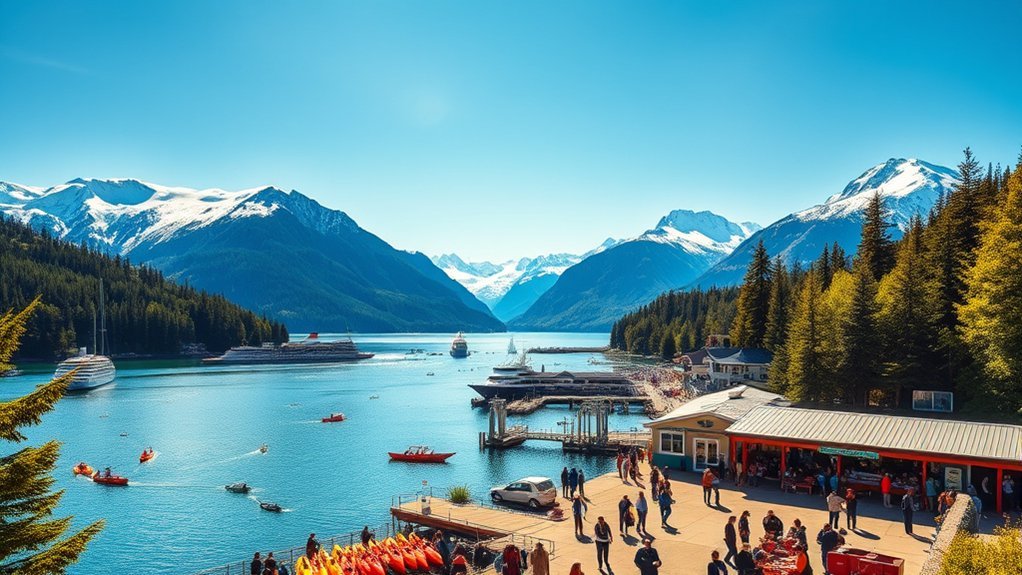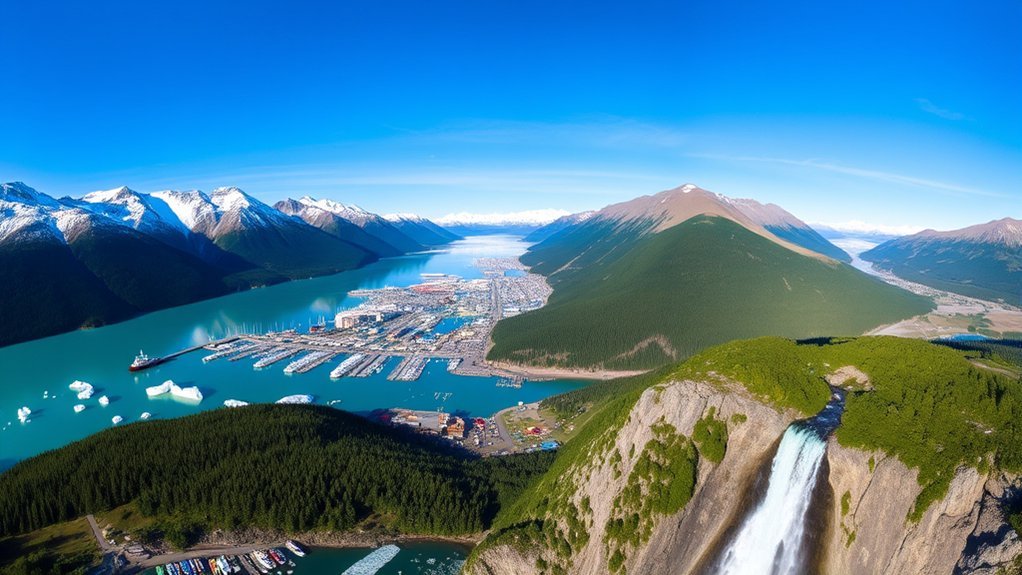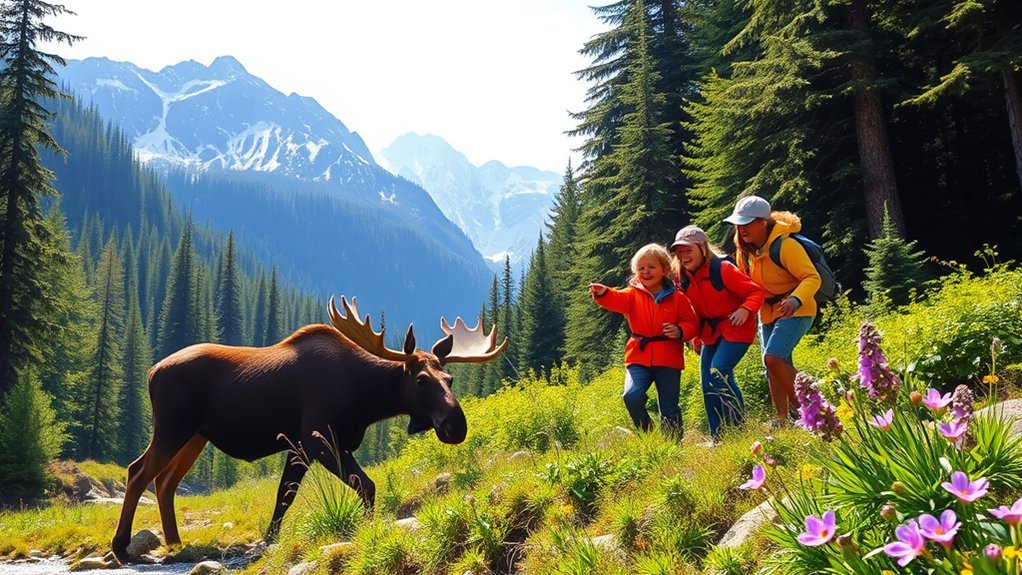
Alaska gives families an unusual mix of wildlife, mountains, glaciers, museums, cultural experiences, scenic rail travel, and outdoor adventure. The best trip is not about squeezing everything into one itinerary. It is about choosing activities that fit your children’s ages and abilities, allowing enough travel time, and preparing for Alaska’s fast-changing weather and wildlife.
Quick Answer
For most families, Alaska’s best activities combine wildlife viewing, a national park visit, an Alaska Railroad trip, an easy hike, a marine-life or cultural attraction, and one carefully chosen glacier experience. Anchorage, Seward, and Denali make practical family bases, but activity difficulty, weather, wildlife safety, and tour age limits should shape your plans.
Key Takeaways
- June through August generally offers the widest choice of tours, attractions, transportation, and family activities, while late May and September can be quieter.
- Choose hikes by actual difficulty, not popularity. Flattop Mountain is a difficult hike with steep terrain and scrambling.
- Wildlife should always be viewed from a safe distance. Never let children approach bears, moose, marine mammals, or other wild animals.
- Glacial-water kayaking can involve cold water, wind, waves, and moving ice, so guided trips are the better choice for inexperienced families.
- Check current operating schedules and restrictions before your trip because park roads, trains, tours, and visitor services are seasonal.
Exploring Denali National Park
Denali National Park introduces families to expansive tundra, mountain scenery, wildlife, short trails, ranger information, and one of Alaska’s best-known landscapes. The park’s highest summit rises to 20,310 feet and is the tallest peak in North America. The Denali Visitor Center is a useful first stop for exhibits, trip planning, trail information, and current conditions.
Families can walk trails near the park entrance or use the park’s transit-bus system to travel farther along Denali Park Road. Bus trips also provide opportunities to see animals without approaching them on foot.
2026 Denali update: The Denali Park Road remains closed beyond Mile 43 because of the Pretty Rocks landslide. Transit buses are therefore limited to Mile 43 during summer 2026. Check the current NPS conditions page before choosing a bus trip.
Do not assume that reaching the park guarantees a clear view of the mountain. Clouds frequently hide high peaks, so treat a mountain view as a bonus rather than the only reason for visiting. Wildlife, tundra scenery, ranger programs, and the experience of traveling into the park can still make the day worthwhile.
Wildlife Viewing in Kenai Fjords
Kenai Fjords National Park is one of Alaska’s strongest family destinations for combining marine scenery with wildlife viewing. Summer boat trips from Seward may encounter sea otters, seabirds, Steller sea lions, whales, and orcas, although wildlife sightings are never guaranteed.
The National Park Service notes that local companies operate both shorter trips in protected Resurrection Bay and longer trips toward the park’s tidewater glaciers. Reservations are a good idea during the busy summer season.
Bring binoculars so children can observe animals without pressuring the captain or guide to move too close. Kenai Fjords asks visitors to remain 300 yards from bears, at least 25 yards from other terrestrial wildlife, and, as a general rule, about 100 yards from marine mammals. Never feed, follow, or approach wildlife.
Glacier Tours: A Family Adventure
A glacier trip can be one of the most memorable parts of an Alaska family vacation, but the right experience depends on your children’s ages, fitness, comfort around boats, and tolerance for cold or wet weather. Families may see tidewater glaciers from a boat, paddle with a qualified guide, or join a land-based glacier experience where permitted.
Do not assume that every “glacier tour” has the same physical demands. Tour operators set their own minimum ages, equipment requirements, group sizes, and weather policies.
Here is a more realistic comparison of common options:
| Tour Type | Typical Time Commitment | Family Considerations |
|---|---|---|
| Boat Tour | Half-day or full-day options are common | Usually the easiest way for families to combine glaciers and wildlife; check motion-sickness and child-ticket policies |
| Kayaking Tour | Varies by operator and route | Better for older children and confident paddlers; minimum ages and swimming requirements may apply |
| Guided Glacier or Ice Hike | Varies by glacier and operator | Fitness, footwear, equipment, terrain, and minimum-age rules matter |
| Combo Tour | Often a half-day or full-day outing | Useful for families wanting several activities without arranging each segment separately |
Pro Tip: When comparing glacier trips, ask about minimum age, restroom access, enclosed heated space, walking distance, seasickness, food availability, cancellation rules, and what happens if weather changes the route.
Discovering Alaska Native Culture
Learning directly from Alaska Native organizations and culture bearers can give children a deeper understanding of the state than sightseeing alone. Alaska is home to many distinct Indigenous peoples, languages, artistic traditions, histories, and regional cultures, so avoid treating all Alaska Native traditions as one culture.
The Alaska Native Heritage Center in Anchorage is one strong family option. Its programming can include guided experiences, dance, Alaska Native Games demonstrations, exhibits, films, storytelling, and other educational activities. Programming and operating seasons vary, so check the current calendar before visiting.
Traditional Arts and Crafts
Traditional and contemporary Alaska Native art can include carving, weaving, beadwork, sewing, jewelry, masks, sculpture, and other forms, with styles varying greatly between peoples and regions. Galleries, museums, cultural centers, demonstrations, and artist-led programs can help families learn who made an object, where the tradition comes from, and what it means.
If a hands-on workshop is available, let children learn from the instructor rather than assuming a particular art form represents all Alaska Native cultures. Buying directly from Native artists or reputable cultural organizations is also a meaningful way to support living artistic traditions.
Cultural Festivals and Events
Cultural festivals can offer dance, Native Games, food, art, demonstrations, music, storytelling, and opportunities to meet artists or culture bearers. The exact experience depends on the community and event.
- Watch performances respectfully and follow photography rules.
- Look for events organized by Alaska Native communities or cultural organizations.
- Ask before touching regalia, art, tools, or ceremonial objects.
- Use the experience to help children understand that Alaska Native cultures are living cultures, not simply part of the past.
Indigenous Storytelling Experiences
Storytelling programs can introduce families to history, place, language, values, animals, and community knowledge. When possible, choose programs led by Alaska Native storytellers or organizations so the interpretation comes from people connected to the traditions being shared.
Encourage children to listen first and ask respectful questions afterward. Some stories or cultural knowledge may have specific protocols about when, where, or by whom they are shared.
Scenic Train Rides: The Alaska Railroad
The Alaska Railroad can turn transportation into part of the vacation. Its passenger routes connect destinations such as Anchorage, Girdwood, Seward, Talkeetna, Denali, and Fairbanks, with service varying by route and season.
Large windows make train travel particularly appealing for children who tire of long drives. Depending on the route, families may see mountains, rivers, wetlands, forests, and occasional wildlife from their seats.
- Use the official Alaska Railroad schedules to confirm operating dates.
- Reserve early for popular summer travel days.
- Bring quiet activities for younger children because some rides last several hours.
- Do not assume identical food service on every train or ticket class.
The railroad offers dining or café service on many passenger trains, but the format varies. GoldStar service includes different dining benefits from Adventure Class, and the Hurricane Turn Train does not have the same onboard dining service. Check the current dining information before depending on the train for a child’s meal.
Family-Friendly Hiking Trails
Alaska has excellent family hiking, but “popular” does not necessarily mean “easy.” Match the trail to the youngest or least experienced person in your group, check current trail conditions, and be ready to turn around.
The Tony Knowles Coastal Trail in Anchorage is a flexible choice because families can walk only the distance that suits them. Around Kincaid Park, paved and natural-surface routes provide several options, although some sections have significant hills and wildlife such as moose and bears may be present.
Another approachable Anchorage-area option is Thunder Bird Falls Trail in Chugach State Park. Alaska State Parks describes the one-mile route to the falls viewpoint as easy, with rolling terrain, boardwalk, and viewing areas.
Flattop Mountain is different. Although extremely popular, the main Flattop Mountain Trail from Glen Alps is rated difficult by Alaska State Parks. It climbs about 1,300 feet over approximately 1.5 miles one way, includes steep terrain and scrambling, and has a history of serious falls. It should not be presented as a casual hike for young children.
For official trail descriptions and difficulty information, use the Alaska State Parks Chugach recreational-opportunities guide.
Visiting the Alaska SeaLife Center
The Alaska SeaLife Center in Seward gives families an indoor way to learn about Alaska’s marine ecosystem, especially useful when rain or wind makes outdoor plans less appealing.
The facility combines public exhibits, education, marine research, rehabilitation work, and resident animals. Families can see species such as seabirds, fish, invertebrates, seals, and Steller sea lions depending on the current collection and exhibit schedule.
Highlights can include:
- Exploring the Rocky Coast Discovery Pools and other interactive exhibits.
- Watching marine animals from underwater viewing areas.
- Learning how scientists study Alaska’s cold-water ecosystems.
- Checking the daily schedule for animal-care presentations, encounters, or educational programs.
Special encounters may cost extra and can have separate reservation requirements, so confirm details before promising a particular activity to children.
Fun Activities in Anchorage
Anchorage works well as a family base because cultural attractions, parks, trails, restaurants, and transportation connections are close enough to combine indoor and outdoor activities.
Start with the Alaska Native Heritage Center for Alaska Native cultural programming or visit the Anchorage Museum for art, history, science, and Alaska-focused exhibits. Outdoor time can include Kincaid Park, the Tony Knowles Coastal Trail, local playgrounds, or a short walk chosen for the day’s weather and your children’s energy level.
The city also provides easy access to the Alaska Railroad and the Seward Highway corridor. Instead of filling every hour, leave some unscheduled time for a park, a relaxed meal, or an early night after a long excursion.
Kayaking and Canoeing in Glacial Waters
Paddling can be an excellent family experience when the location, weather, equipment, and guide match your skill level. Calm lakes and protected waters are very different from exposed coastal fjords.
In Kenai Fjords, conditions can include cold water, rain, wind, ocean swell, moving ice, and waves caused by calving glaciers. The National Park Service recommends that paddlers unfamiliar with coastal Alaska travel with a guide.
- Wildlife viewing: Use binoculars and keep legal and recommended distances.
- Scenery: Guided trips can provide glacier and mountain views without requiring families to navigate unfamiliar waters alone.
- Family teamwork: Tandem kayaks may let an adult paddle with an older child where the operator allows it.
- Age restrictions: Minimum ages vary by operator, route, weather exposure, and equipment.
Warning: Do not paddle close to a tidewater glacier simply for a better photo. Kenai Fjords National Park advises kayakers to remain at least one-half mile from a glacier terminus because falling ice can create dangerous waves. Hypothermia is a year-round risk in the park’s cold, wet, and windy conditions. Follow your guide and current NPS kayak-safety guidance.
Choosing Activities by Age and Ability
An activity marketed as “family-friendly” may still be unsuitable for a toddler or an inexperienced teenager. Before booking, compare the activity with your child’s actual abilities rather than age alone.
- Babies and toddlers: Prioritize short outings, indoor attractions, wildlife cruises with enclosed seating, flexible walks, and easy access to food and restrooms.
- Elementary-age children: Add ranger programs, easy hikes, touch pools, scenic trains, cultural programs, and shorter guided excursions.
- Older children and teens: Consider longer hikes, paddling, rafting, flightseeing, glacier activities, or other adventure tours when they meet operator requirements.
Ask each operator about minimum age, minimum height or weight, swimming requirements, required footwear, restroom access, trip length, and whether an adult must accompany each child.
Family Wildlife Safety in Alaska
Seeing a moose, bear, whale, sea lion, or other wild animal can become a trip highlight, but wildlife should never be treated like a petting-zoo attraction.
- Never feed wildlife.
- Do not let children run toward an animal for a photo.
- Keep food and scented items secured where required.
- Carry bear spray where appropriate, keep it accessible, and know how to use it.
- If you encounter a bear, do not run. Follow the instructions for the species and situation provided by the National Park Service.
- Give moose substantial space; they can charge when threatened.
- Use binoculars or a telephoto lens instead of moving closer.
Wildlife-distance rules vary by location. In Denali, visitors should remain at least 300 yards from bears and 25 yards from other animals. Always follow the rule for the specific park or area you are visiting. Review the Denali wildlife-safety guidance before hiking with children.
Planning a Family Alaska Itinerary
Alaska is enormous, and travel times can be longer than a map initially suggests. Trying to visit Anchorage, Seward, Denali, Fairbanks, and several remote destinations in a few days can turn a family vacation into a transportation marathon.
For a smoother trip, choose a few bases and spend enough time in each one to absorb weather delays, tired children, and schedule changes. Anchorage plus Seward works well for a Southcentral trip, while Anchorage plus Denali can combine urban attractions, rail or road travel, and national-park scenery. Longer vacations can add another region.
Note: Alaska’s peak family-travel season is generally June through August, when the widest range of tours and visitor services operates. Late May and September can offer fewer crowds, but some transportation, tours, visitor centers, and attractions have reduced schedules.
Tips for Traveling With Kids in Alaska
Traveling with children in Alaska becomes much easier when you prepare for changing weather and avoid scheduling every day too tightly.
- Dress in layers: Combine comfortable base layers with a warm mid-layer and waterproof outer shell.
- Bring rain protection: Coastal Alaska can be cool and wet even during summer.
- Pack snacks and refillable water bottles: Long drives and tours may have limited food choices.
- Carry sunscreen and insect repellent: Long summer daylight means plenty of sun exposure, and mosquitoes can be persistent in some areas.
- Bring binoculars: They make wildlife viewing safer and more exciting for children.
- Plan car seats before arrival: If renting a vehicle, make sure your child has an appropriate restraint that meets current Alaska requirements and is installed correctly.
- Reserve major activities: Summer trains, wildlife cruises, and popular guided excursions can fill in advance.
- Keep one flexible period: Weather, wildlife, tired children, or changing conditions can disrupt even a well-planned itinerary.
Involve older children in choosing a few activities. A child who picked the train ride, museum, wildlife cruise, or hike is often more invested in the day.
Frequently Asked Questions
What is the best time to visit Alaska with kids?
June through August is generally the easiest period for a first family trip because Alaska has its longest daylight, relatively warmer weather, and the widest choice of tours, transportation, attractions, and visitor services. Late May and September can also work well for families seeking fewer crowds, but some seasonal services operate on reduced schedules.
Are there age restrictions for activities in Alaska?
Yes. Restrictions vary by operator and activity. Kayaking, rafting, ziplining, glacier hikes, flightseeing, ATV trips, and other adventure tours may use minimum ages, heights, weights, swimming requirements, or fitness rules. Check the operator’s current requirements before booking rather than assuming every family activity accepts every age.
What are the best family-friendly accommodations in Alaska?
The best choice depends on your route and children’s needs. In Anchorage, a hotel or vacation rental with easy parking, breakfast, a refrigerator, or kitchenette can simplify family travel. Around Denali and Seward, families can choose hotels, lodges, cabins, and vacation rentals near their planned activities. Compare room layout, cancellation rules, laundry access, meal options, and driving distance rather than relying only on a property’s star rating.
How do we get around Alaska with young children?
A rental car gives families the most schedule flexibility in road-connected areas, while the Alaska Railroad can turn longer transfers into a sightseeing experience. Guided tours can reduce driving on excursion days. Plan an appropriate child restraint for rental vehicles, check rail and tour schedules in advance, and avoid putting several long travel days back to back.
What should we pack for a family trip to Alaska?
Pack layers, a waterproof jacket, sturdy comfortable shoes, sunscreen, insect repellent, refillable water bottles, snacks, binoculars, and any child-specific medicines or comfort items you normally carry. For boat trips, add warm layers even on sunny days. Specialized tours should provide a packing or equipment list, so follow the operator’s instructions closely.
Is Alaska suitable for toddlers and preschoolers?
Yes, if you build the trip around shorter outings and flexible days. Scenic trains, marine-life exhibits, cultural attractions, easy walks, playground stops, and some wildlife cruises can work well. Avoid assuming a long hike, exposed kayak trip, or all-day excursion will suit a young child simply because the operator describes it as family-friendly.
Do we need to book Alaska family activities in advance?
For summer travel, advance booking is wise for Alaska Railroad trips, Kenai Fjords wildlife cruises, popular lodging, and guided adventure tours. Keep some unscheduled time for simple hikes, parks, museums, or weather changes instead of prebooking every hour of the vacation.
Sources
- Denali National Park and Preserve — Current Conditions — current Park Road access and summer operating conditions.
- Kenai Fjords National Park — Boat Tours — boat-tour planning, seasonal service, and glacier/wildlife excursions.
- Kenai Fjords National Park — Kayak and Boat Safety — glacial-water, iceberg, wave, and paddling precautions.
- Alaska State Parks — Chugach State Park Recreational Opportunities — official Flattop Mountain and Thunder Bird Falls trail difficulty information.
- Alaska Railroad — Train Schedules — current passenger routes and seasonal operating dates.
- Alaska Native Heritage Center — Alaska Native cultural programming, exhibits, performances, and visitor information.